Top Trusted Custom Pet Bedding Manufacturers & Supplier for Liechtenstein
Precision Mineral & Plant-Based Pet Hygiene Solutions Engineered for Alpine Living, Strict Regional Compliance, and Premier Private Label Sourcing
Procurement Portfolio
Export-Grade Pet Bedding & Substrate Formulations
Engineered by Yantai Jaskin Pet Products Co., Ltd. for maximum clumping kinetics, zero airborne dust, and rapid moisture locking. Available in bulk super-sacks or turnkey European retail-ready packaging.
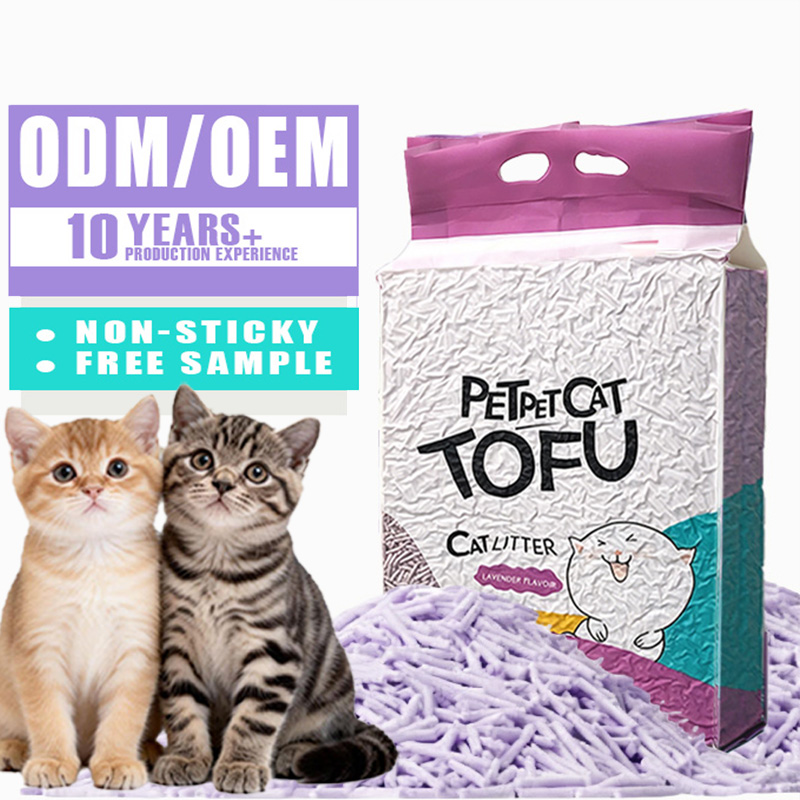
Eco Premium
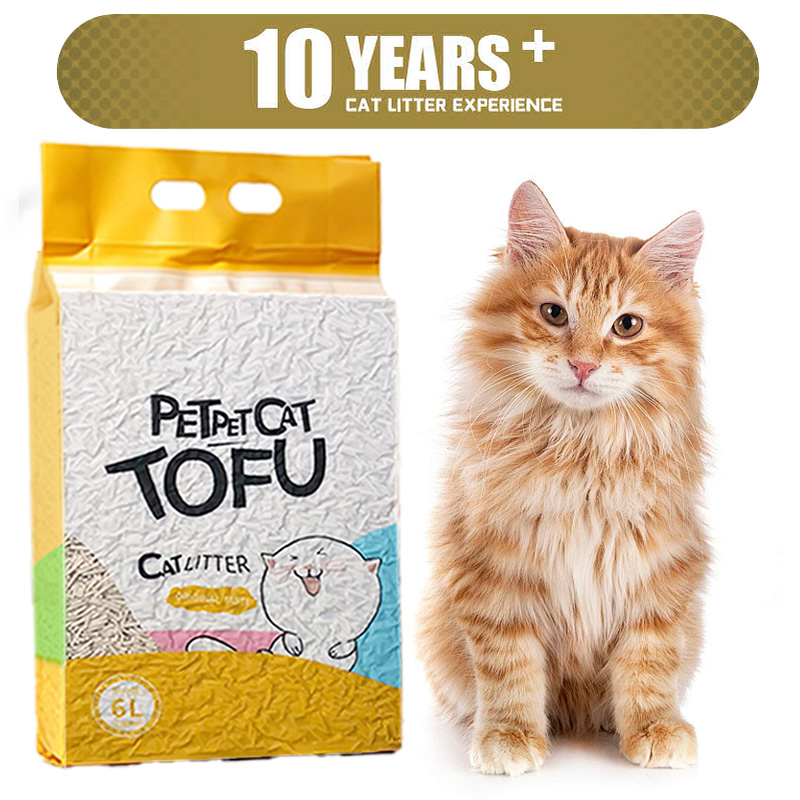
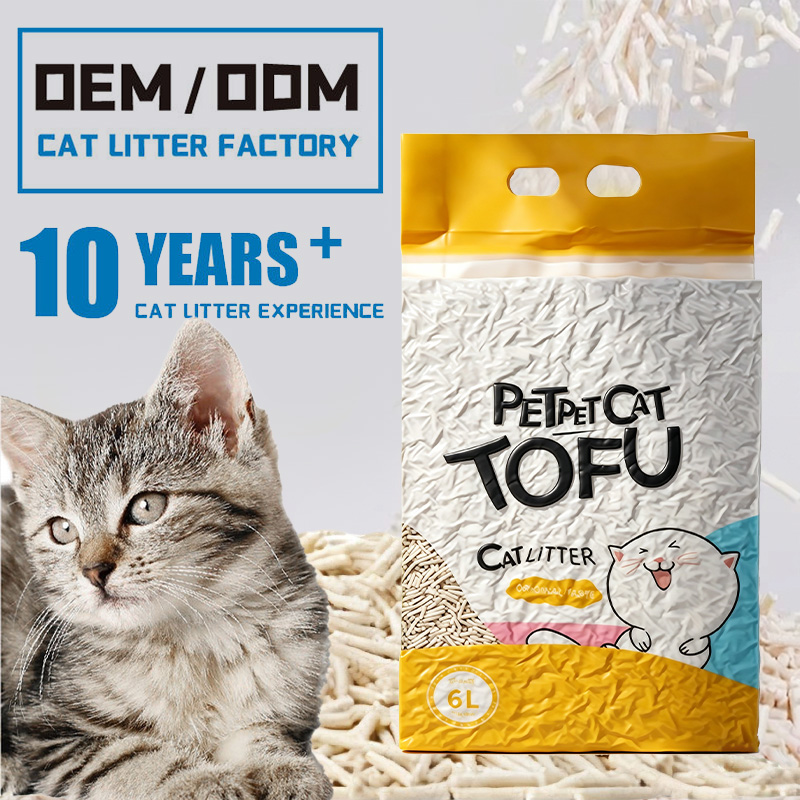
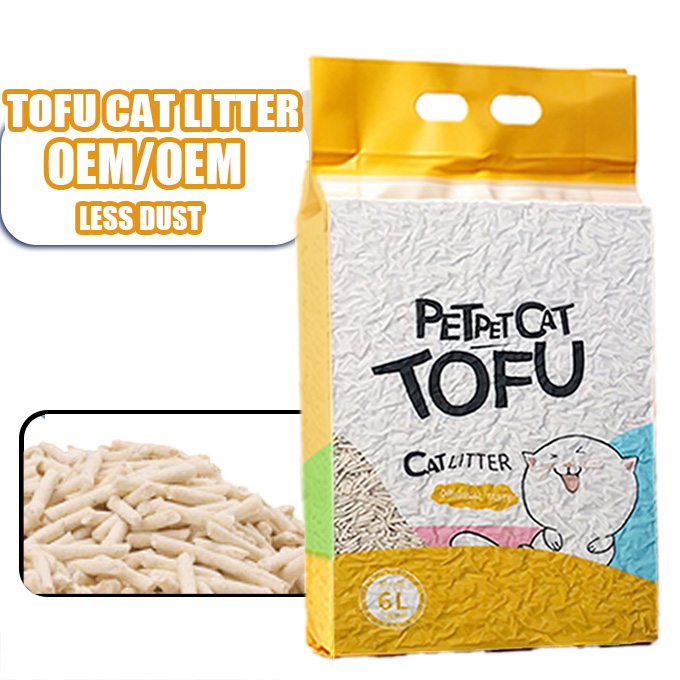
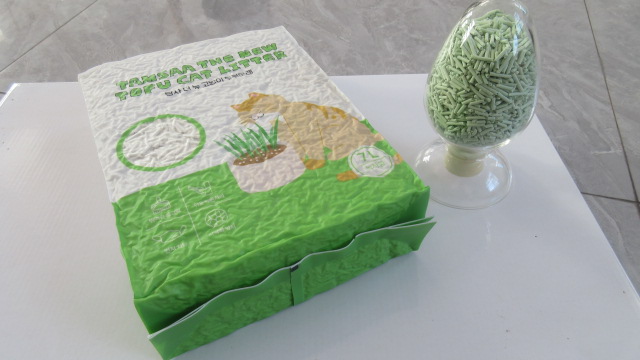
Flushable Crushed Broken Tofu Cat Bedding
Multi-angled broken tofu micro-pellets that create cohesive clumping within seconds while maintaining complete flushability.
Alpine Pet Hygiene Dynamics: Indoor Living Realities in Liechtenstein
The Principality of Liechtenstein presents a distinct consumer and retail landscape within the European pet care economy. Nestled in the Rhine Valley between the Swiss canton of St. Gallen and the Austrian federal state of Vorarlberg, Liechtenstein boasts one of the highest disposable income brackets globally. Consequently, pet custodians in municipalities such as Vaduz, Schaan, Balzers, and Triesen prioritize ultra-premium pet products that guarantee health preservation, aesthetic elegance, and flawless environmental stewardship.
A defining characteristic of domestic pet husbandry in Liechtenstein is the prevalence of airtight, highly insulated Alpine residential structures. The majority of contemporary dwellings adhere to rigorous Swiss Minergie or passive house insulation standards, engineered to retain interior thermal energy during cold Alpine winters. Furthermore, underfloor radiant heating is standard across single-family chalets and upscale multi-family apartment communities. Traditional low-grade bentonite or high-dust clay cat litters interact adversely with heated floor surfaces: ambient floor heat accelerates the thermal convection of volatile ammonia gases, while mechanical underfloor warmth parches poor-grade clay, producing respirable micro-particulates that recirculate perpetually through closed mechanical ventilation systems.
For pet health and human occupant comfort, B2B distributors and retail category managers supplying the Liechtenstein market demand custom bedding and litter formulations with three non-negotiable parameters: absolute sub-0.5% dust screening to prevent feline asthma and human respiratory irritation; high-efficiency thermal gas binding that prevents odor vaporization over radiant flooring; and surface tracking mitigation to preserve expensive natural timber, parquet, and stone Alpine floor finishes.
Substrate Material Engineering & Quantitative Performance Analysis
Selecting the optimal pet bedding medium requires analyzing mechanical cohesion, liquid retention kinetics, and lifecycle disposal profiles. Below is an engineering comparison of primary substrate formulations manufactured by Jaskin Pet Products for import into Liechtenstein and adjacent Alpine territories.
Substrate Classification
Bulk Density (g/L)
Capillary Hydration Speed
Airborne Dust Fraction
Odor Gas Retention Method
Alpine Waste System Compatibility
Engineered Tofu (Crushed Pea Fiber)
480 – 540
< 2.5 seconds
< 0.2% (Triple Dedusted)
Macromolecular Polysaccharide Binding
100% Flushable & Incinerator Safe
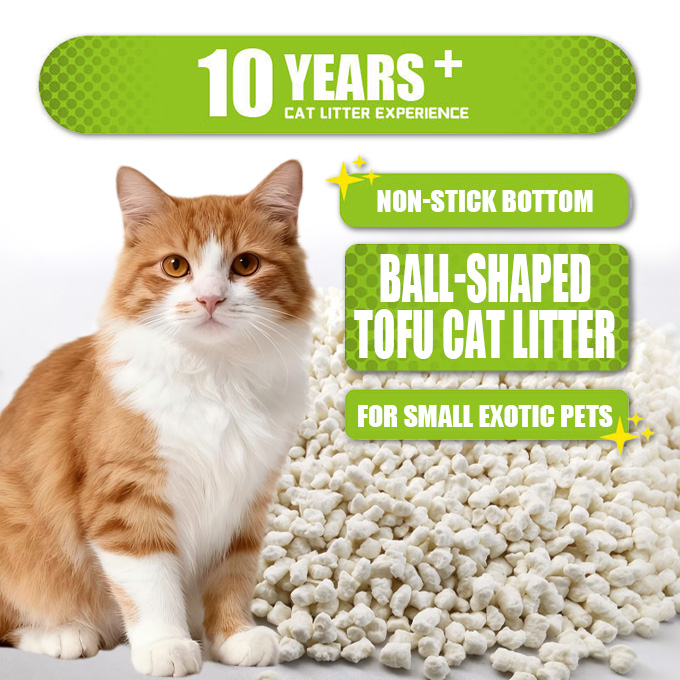
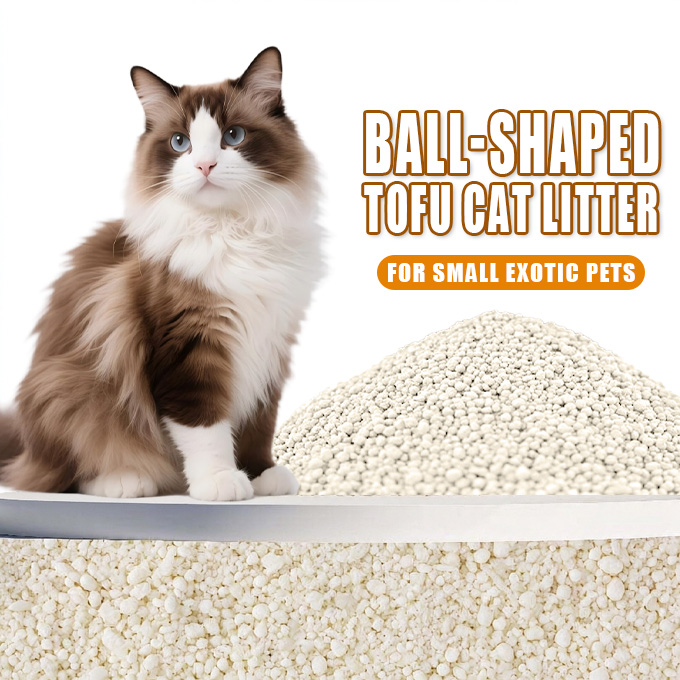
Ball-Shaped Extruded Tofu
520 – 580
< 3.0 seconds
< 0.1% (De-fined Pellets)
Starch Entrapment + Organic Zinc Neutralizers
Compostable / Bio-Bin (Local Rules)
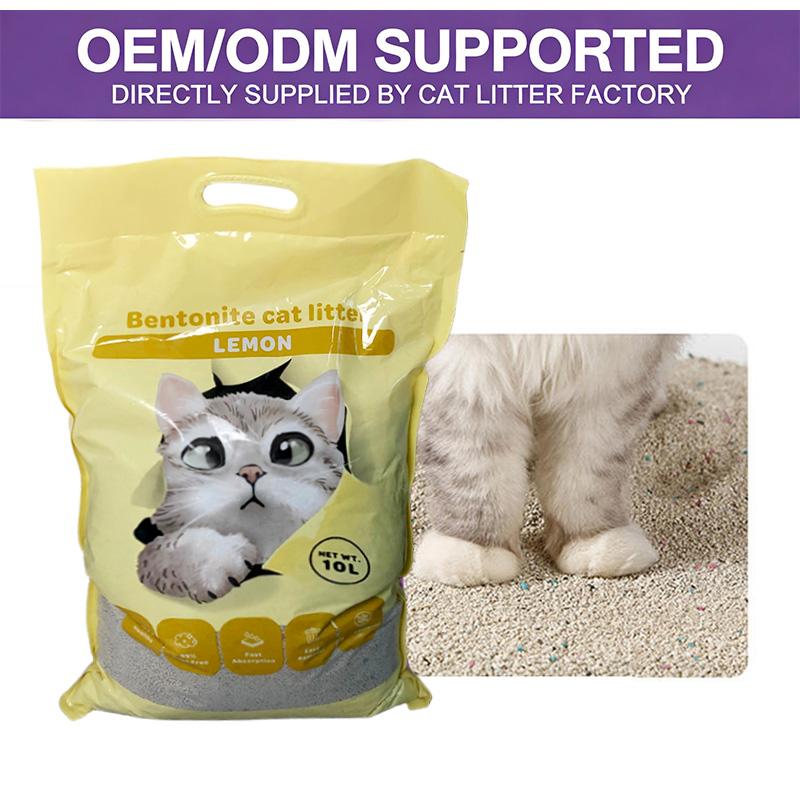
Activated Sodium Bentonite
880 – 960
< 2.0 seconds
< 0.6% (Cyclonic Vacuumed)
Interlayer Cation Adsorption
Municipal Residual Waste (KVA)
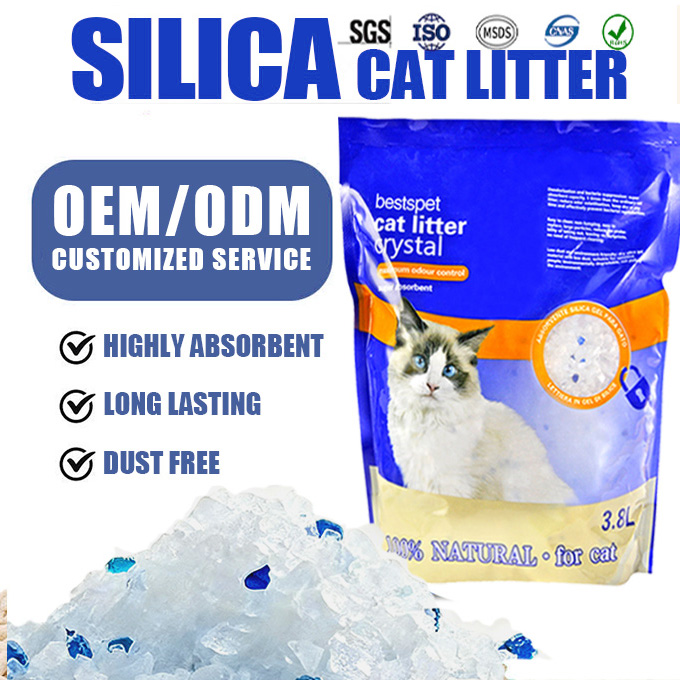
Amorphous Silica Crystal Matrix
420 – 460
Continuous Vapor Wicking
< 0.05% (Anti-Friable)
Microporous Capillary Internal Void Trap
Low-Ash Inert Residual Incineration
Color-Metric pH Health Indicator
440 – 500
Immediate Urine Reaction
< 0.1% (Pharmaceutical Grade)
pH Dye Transition + Volatile Gas Trap
Domestic Trash / Veterinary Sort
*Data compiled through internal batch QC assessments and verified via third-party testing protocols adhering to European chemical and physical standards (EN ISO 14040/44 frameworks).
Understanding where and how pet bedding substrates are deployed in the local ecosystem ensures OEM formulations align precisely with consumer lifestyles and commercial environments.
Heated Alpine Chalets & Modern Condos
Heated timber flooring in Vaduz and Schaan demands crushed tofu litter or silica crystal bedding that eliminates tracking. The plant-based matrix absorbs liquids instantly upon contact, forming cohesive discs that do not adhere to tray plastic or degrade under radiant floor heat.
Boutique Catteries & Boarding Kennels
Professional animal boarding establishments across the Rhine basin operate under the stringent oversight of the Liechtenstein Office of Food Inspection and Veterinary Affairs (ALKVW). Rapid enclosure turnaround and zero-dust airborne environments safeguard animal respiratory tracts across high-density boarding cohorts.
Veterinary Clinics & Health Monitoring
Liechtenstein veterinarians routinely utilize our proprietary pH color-changing silica and tofu bedding lines. These clinical-grade substrates react to urinary pH variations (acidic vs. alkaline), alerting pet owners to early-stage feline lower urinary tract diseases (FLUTD) prior to clinical manifestation.
Procuring pet hygiene inventory for Liechtenstein requires direct alignment with the unified economic and customs framework shared between Liechtenstein and Switzerland. Through the bilateral Customs Treaty of 1923, Liechtenstein operates within the Swiss customs territory, utilizing the Swiss Franc (CHF) and enforcing equivalent federal environmental, biosecurity, and consumer goods ordinances.
1. Strict Thermal Waste-to-Energy Processing: In Liechtenstein, household waste is systematically routed to state-of-the-art waste incineration facilities, primarily the KVA Buchs plant situated across the Rhine in neighboring St. Gallen. Substrates formulated for the regional market must minimize non-combustible slag and omit halogenated additives. Plant-fiber tofu cat litters and virgin plant starches burn cleanly with negligible ash yields, making them exceptionally appealing to eco-conscious consumers who utilize green energy waste sorting.
2. Swiss Pet Welfare Alignment (TSchV Compliance): The Liechtenstein Animal Welfare Act mirrors the Swiss Animal Protection Ordinance (Tierschutzverordnung TSchV). Products must not contain artificial chemical fragrances that irritate sensitive olfactory receptors. Natural scents (such as organic green tea extracts, light bamboo charcoal, or unscented formulations) dominate retail volume in premium pet chain stores.
3. Circular Packaging Mandates: Brand owners across Liechtenstein and the wider DACH market (Germany, Austria, Switzerland) are rapidly abandoning non-recyclable multi-laminate plastics. Jaskin provides turnkey OEM packaging including FSC-certified kraft paper cartons, recyclable LDPE mono-material stand-up pouches, and biodegradable biopolymer handle bags that comply fully with extended producer responsibility (EPR) reporting protocols.
Manufacturing Excellence
Yantai Jaskin Pet Products Co., Ltd.
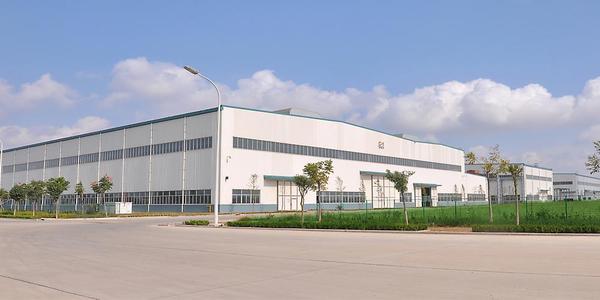
Headquartered in Zhaoyuan, Shandong Province—an internationally recognized epicenter for high-grade mineral processing and pet hygiene manufacturing—Yantai Jaskin Pet Products integrates primary research, automated compounding, precision dust-removal screening, and customized B2B export logistics.
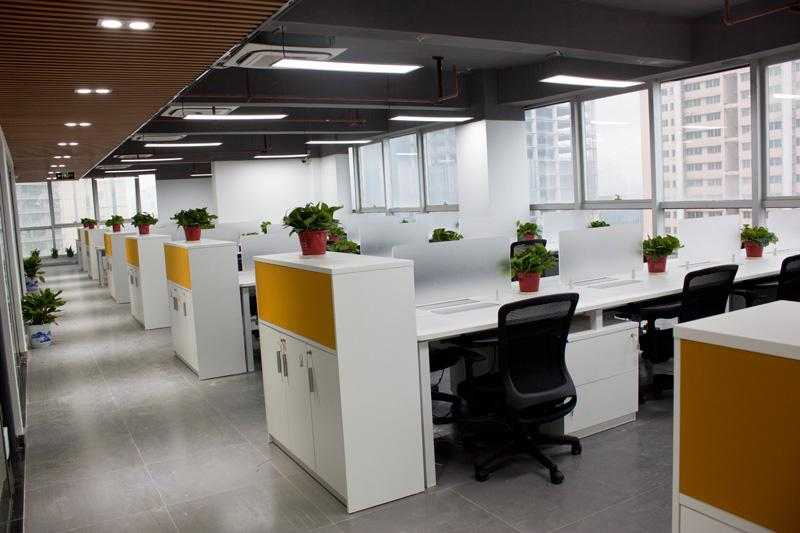
Operating a modernized 2,600 m² production and clean-packing facility, our factory floor has been verified through exhaustive onsite audits conducted by Intertek. We serve brand owners, regional distributors, and e-commerce leaders across Europe, North America, and East Asia.
2,600 m²
Verified Production Floor
Intertek
Onsite Verified Audit
>600%
Absorption Performance
Global Freight & Customs
Supply Chain Architecture: Seamless Door-to-Door Delivery to Liechtenstein
Importing palletized ocean cargo into a landlocked European microstate requires meticulous intermodal coordination. Jaskin provides end-to-end delivery management (DDP, DDU, CIF, or FOB) optimized for cargo bound for Liechtenstein via premier European freight corridors.
Primary Maritime Gateway: Full Container Loads (20GP, 40GP, 40HQ) originate from the Port of Qingdao, traversing direct sea lanes to major Northwestern European container terminals, predominantly the Port of Rotterdam (Netherlands) or the Port of Hamburg (Germany).
Intermodal Rail & Barge Inland Haulage: From Rotterdam/Hamburg, containerized freight is transferred via electrified Alpine rail shuttles or Rhine river barges directly to the Buchs SG intermodal freight terminal in Eastern Switzerland, situated immediately adjacent to the Liechtenstein border crossings at Schaan and Vaduz. Alternatively, rail connections via Wolfurt (Vorarlberg, Austria) provide rapid direct access to the lower Rhine basin.
Customs Clearance & Last-Mile Delivery: Because Liechtenstein shares a single customs frontier with Switzerland, imported merchandise clears Swiss Federal Customs Administration (EZV / BAZG) checkpoints seamlessly. Jaskin coordinates all EUR.1 certificates of origin, plant biosecurity fumigation documentation, and REACH material safety declarations (MSDS), enabling local logistics partners to execute final pallet deliveries via tail-lift trucks directly to commercial facilities in Triesen, Schaan, or Eschen.
Procurement Advisory
Frequently Asked Questions by European B2B Buyers
Detailed technical, commercial, and regulatory guidance for purchasing directors, private-label brand owners, and pet store distributors.
What Minimum Order Quantities (MOQ) apply to custom private-label orders?
For custom printed brand packaging, the standard entry threshold is typically 500 to 1,000 bags for digital roll printing or 5,000 to 10,000 units for gravure laminated bags. Raw substrate volumes can be combined across product varieties (e.g., combining 10 pallets of tofu pellets with 10 pallets of bentonite) within a single 40HQ container to minimize financial exposure for boutique brands in Liechtenstein.
How does Jaskin control airborne dust levels for heated indoor chalets?
Our facility utilizes an advanced five-stage cyclonic dust aspiration and mechanical vibrating de-fining system. Bulk pellets and granules pass through dual positive-pressure air barriers directly prior to bagging, reducing micro-particulates (<100 microns) to under 0.15% by weight, safeguarding sensitive Alpine underfloor heating environments.
Are Jaskin plant-based tofu beddings certified flushable under European wastewater standards?
Yes. Our plant formulations rely on water-soluble organic pea starches and natural dietary vegetable gums. When submerged in turbulent water, individual clumps dissolve into loose fiber slurries within 45 to 90 seconds, preventing blockages in residential siphon pipes and municipal sewer systems.
Can you provide custom granule coloring and scenting to match our brand palette?
Absolutely. We incorporate food-grade organic colorants (charcoal black, pastel matcha green, lavender purple, ocean cyan) and natural botanic aromatic compounds (roasted green tea, natural peach, activated bamboo carbon, unscented hypoallergenic). All scent additives comply strictly with EU IFRA fragrance safety standards.
How does customs clearance operate under the Swiss-Liechtenstein customs union?
Because goods entering Liechtenstein operate within the Swiss Federal Customs administration, cargo is processed under Swiss tariff schedules. Our team furnishes all standard export documentation, including commercial invoices, packing lists with Harmonized System (HS) codes, and non-asbestos mineral certifications to ensure rapid clearance.
What palletization and container loading methods are employed to avoid transit damage?
Containers are loaded with standardized Euro-size (1200 x 800 mm) or standard industrial (1140 x 1140 mm) heat-treated fumigated wooden pallets. Each pallet is machine-shrink-wrapped with 5-layer stretch film, top-covered with moisture barriers, and bounded with edge-protector boards to eliminate transit abrasion across ocean and rail voyages.
Do your products comply with European REACH chemical regulations?
Yes. All raw inputs—from natural sodium bentonite mined in Shandong to food-grade silica gel and plant pea fibers—are thoroughly screened for heavy metals (Lead, Cadmium, Arsenic, Mercury), formaldehyde, and dangerous volatile organic compounds (VOCs), guaranteeing strict conformity with EU Regulation (EC) No 1907/2006 (REACH).
What is the typical production and shipping lead time from China to Liechtenstein?
Production cycles for repeat OEM orders require 10 to 18 days. Ocean transit from Qingdao to Rotterdam typically requires 28 to 35 days, followed by 3 to 5 days for customs clearance and rail drayage to the Buchs SG terminal. Clients generally plan a cumulative reordering cycle of approximately 45 to 60 days.
How does the clinical pH health indicator cat litter perform?
Our indicator substrate integrates non-toxic chemical color-reactive granules that shift visible chrominance based on urine pH: normal feline urine (pH 6.0–6.5) presents a standard light yellow; alkaline urine (pH > 7.0, indicating risk of struvite calculi or bacterial cystitis) transitions rapidly to dark blue or violet; acidic urine (pH < 6.0, indicating risk of calcium oxalate stones) turns deep red or orange.
Can we receive pre-shipment sample testing kits prior to volume commitment?
Yes. Jaskin provides dedicated B2B evaluation kits containing physical substrate samples in 500g vacuum-sealed bags alongside comprehensive laboratory test data (absorption kinetics, dust particle spectrum, and clump shear strength). Sample packages are dispatched via express air courier (DHL, FedEx, or UPS) with typical European transit in 3 to 5 business days.
Direct Manufacturer Sourcing
Launch Your Custom Pet Bedding Program for Liechtenstein
Connect directly with our engineering and international trade department to request factory-direct quotations, technical documentation, or complimentary physical substrate sample kits.