1. The Urban Densification Surge & Disposal Convenience
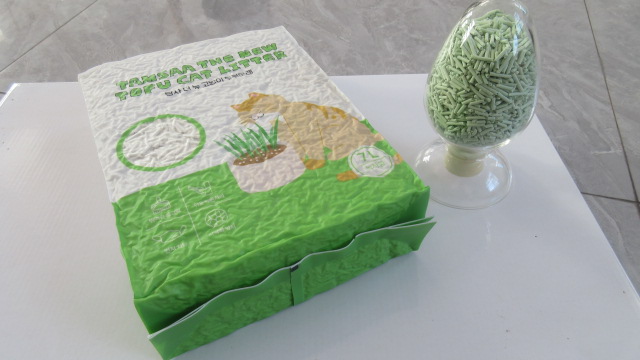
In high-density metropolises across East Asia, Western Europe, and coastal North America, high-rise apartment living has changed pet hygiene behavior. Pet owners living on the 20th floor refuse to transport heavy, 15-kilogram clay litter sacks down elevators or store foul-smelling plastic litter trash bags indoors between garbage collection cycles. Flushable tofu cat litter solves this friction at the source: waste is scooped and immediately deposited into the bathroom toilet, eliminating odor accumulation and domestic waste sorting headaches. Importers report up to 40% higher customer repeat purchase rates once consumers convert to flushable convenience.
2. Environmental Regulations, ESG Directives, and Carbon Tariffs
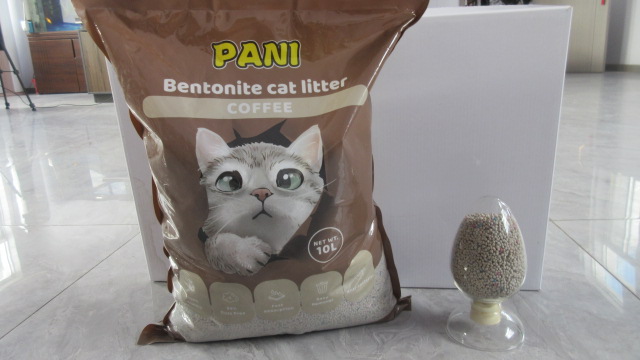
With the implementation of the European Union's corporate sustainability reporting directives and rising municipal tipping fees on non-recyclable landfill waste, bentonite strip mining faces severe ecological scrutiny. Sodium bentonite clay remains completely inert in landfills for millennia and cannot be incinerated safely without producing clinker slag. In contrast, flushable tofu cat litter is sourced from renewable agricultural by-products (pea starch and residue). It has a net-negative carbon footprint compared to mined minerals, breaks down in soil as nitrogen-rich compost within 60 days, and avoids impending cross-border carbon border adjustment taxes on mined commodities.
3. Formulation Optimization: The Shift from 3.0mm to 1.5mm Micro-Extrusion
Early-generation tofu litters utilized coarse 3.0mm extrusion dies originally borrowed from livestock feed mills. Today, top-tier pet brands are pivoting exclusively toward precision 1.5mm to 1.8mm micro-pellets. This finer geometric profile delivers three decisive commercial advantages:
- Lower Bulk Density, Higher Yield: Smaller diameter pellets pack tightly around waste, forming thinner, denser patties rather than bulky round spheres, increasing the usable lifespan of a 6L bag by up to 22%.
- Supreme Paw Sensation: Mimics natural soil textures, eliminating feline aversion and box rejection issues common with oversized pellets.
- Exponential Surface Area: Multiplies the hydrophilic surface exposure, accelerating water breakdown kinetics during flushing to under 15 seconds.
4. Supply Chain Freight Efficiency & Volume Economics
Ocean freight rates remain sensitive to geopolitical corridors. Bentonite's steep density (approx. 0.9–1.0 kg/L) means shipping containers reach maximum weight limits long before cube capacity is filled. Flushable tofu cat litter exhibits an optimized bulk density around 0.50–0.58 kg/L. A standard 40-foot high-cube container can accommodate up to 2,000 cartons or 18,000 vacuum-sealed 6-liter bags without exceeding gross port axle limits, driving down per-unit shipping freight amortizations by approximately 35% compared to heavy clay.