Engineered Cat Litter Formulations for Indonesian Wholesalers & Brands
Each formulation is manufactured under Intertek-audited parameters in Shandong, optimized for clump stability, antimicrobial shelf life, and odor lock under equatorial conditions.
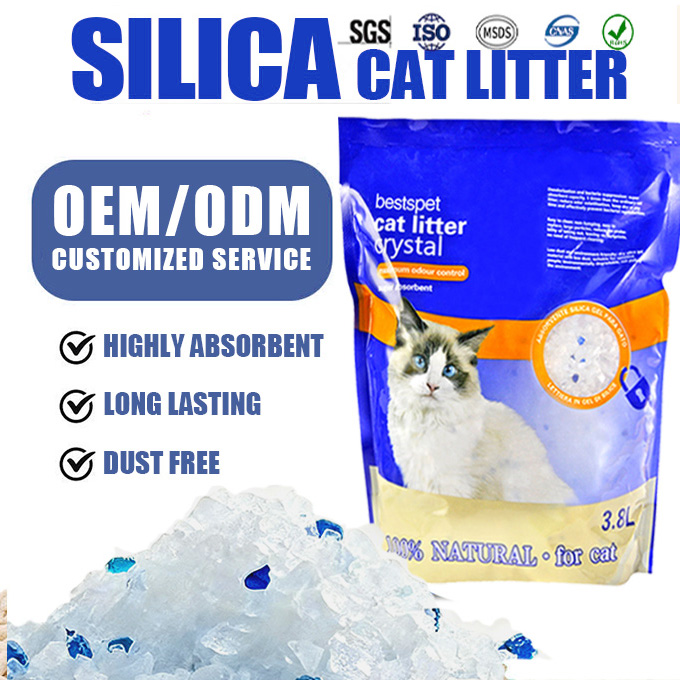
Irregular Baby Powder White & Blue Natural Silica Gel Litter
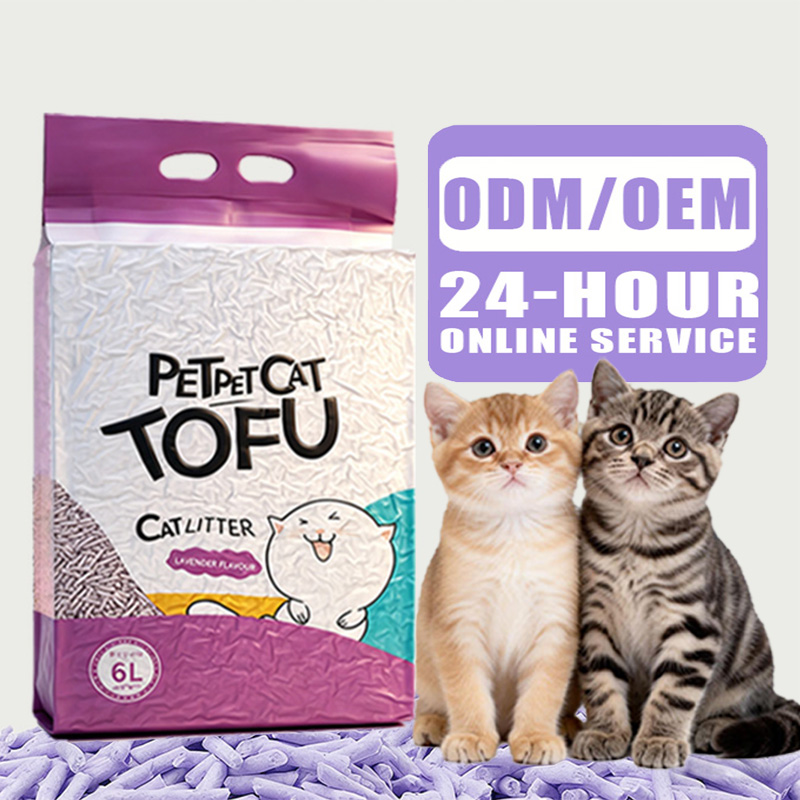
A Grade Vacuum Food Original Biodegradable Fast Clumping Litter
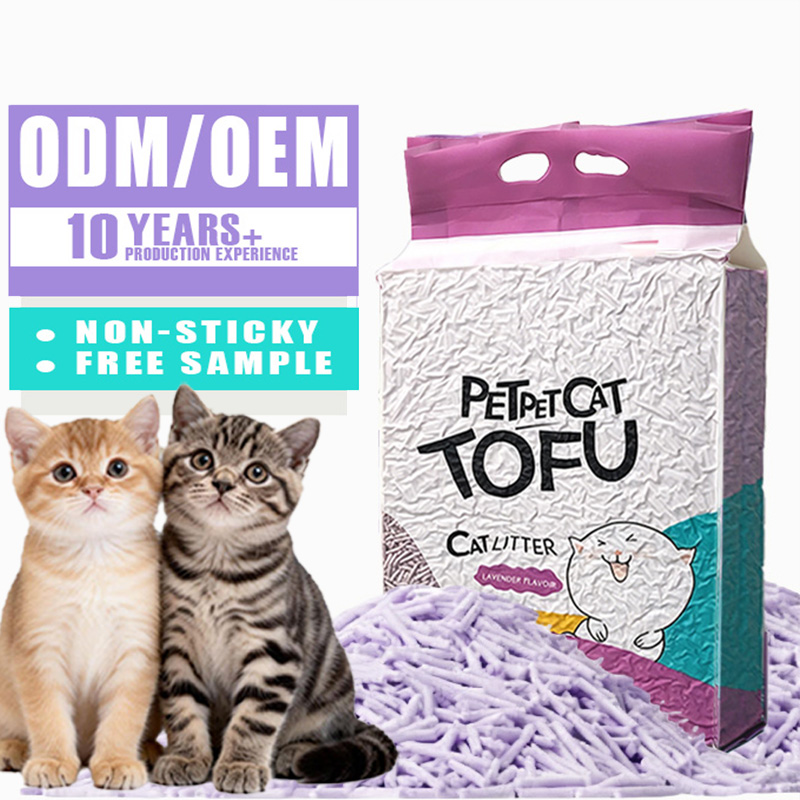
Eco-Friendly Flushable & Clumping Washed Deodorizer Tofu Litter
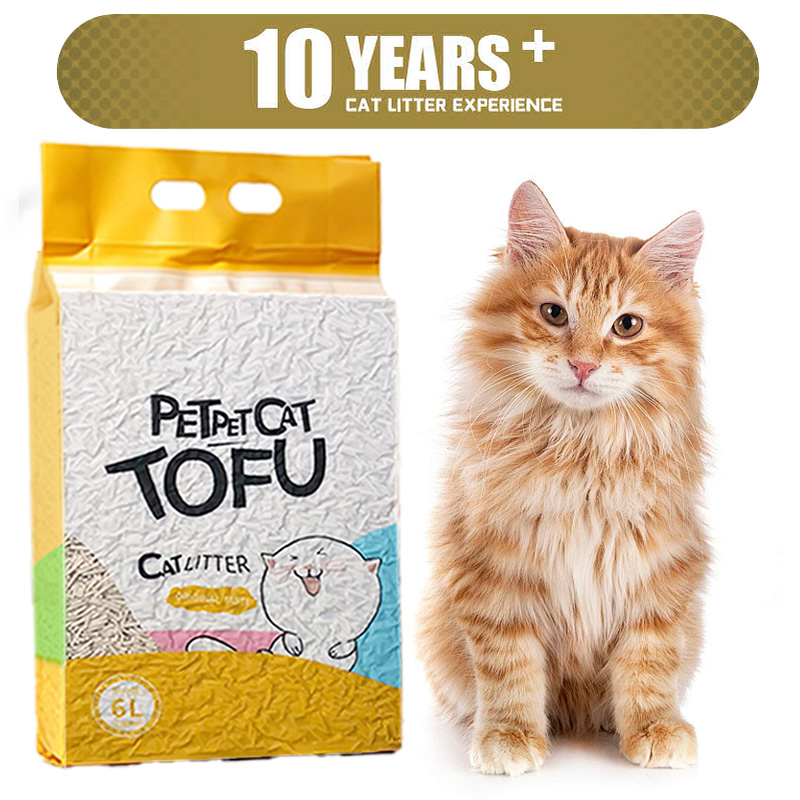
Sustainable High Clumping Crush Broken Tofu Ball Sand
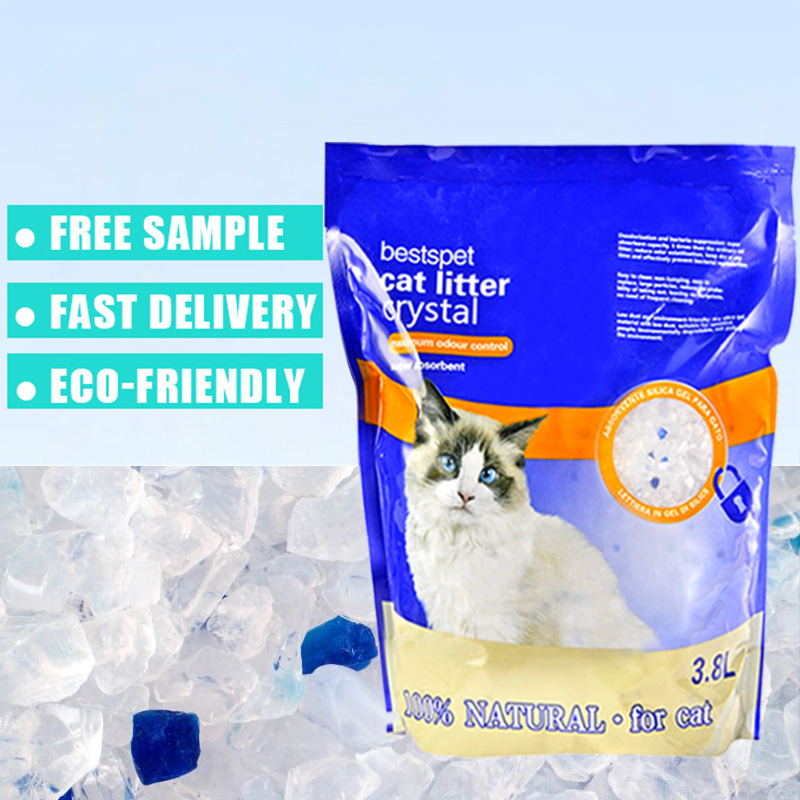
Crystal Natural Health Monitoring Low-Tracking Silica Gel Litter
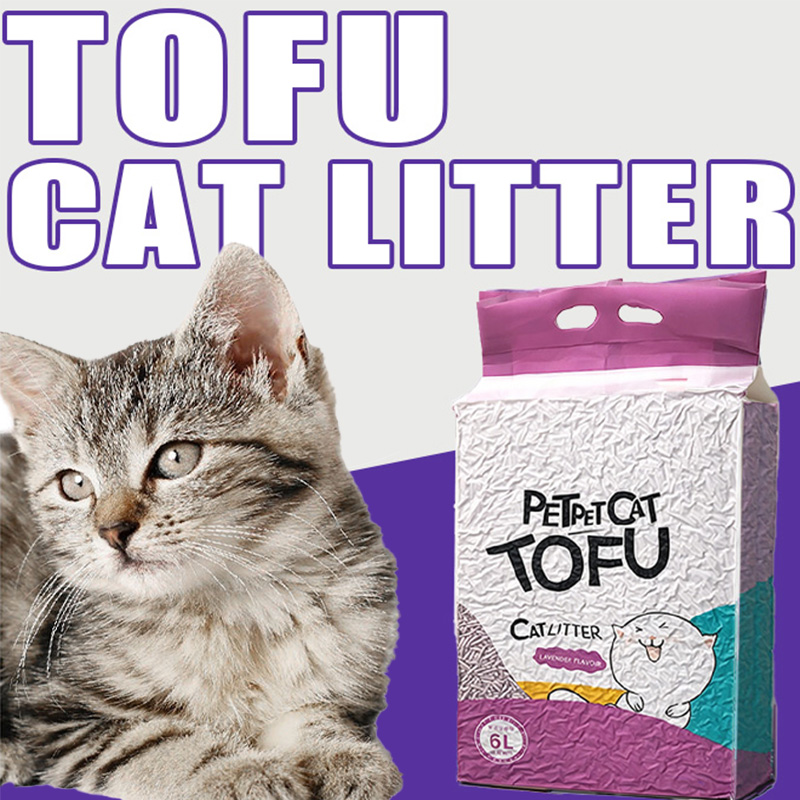
Stand-up Bag Biodegradable Coffee Scent Plant Eco Tofu Litter
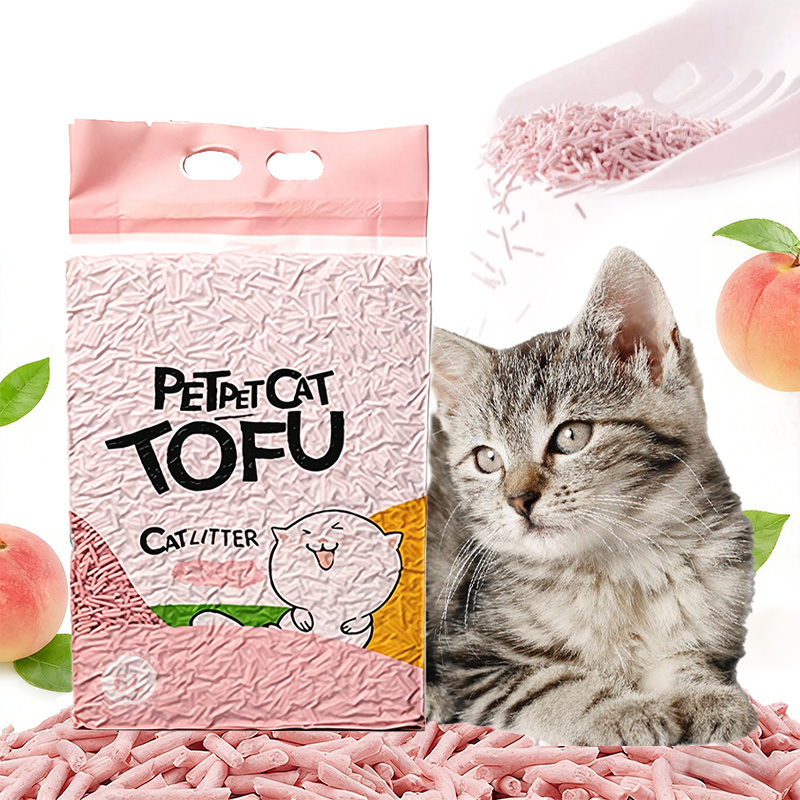
ODM/OEM Easy Scooping Dust-Free Vacuum Tofu Cat Litter
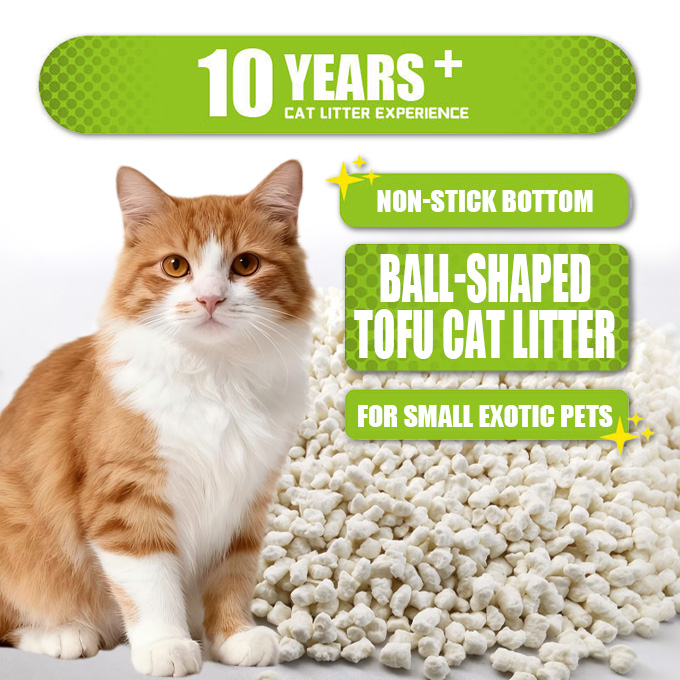
Strong Clumping High Water Absorption Ball-Shaped Tofu Sand
1. Strategic Procurement Landscape: Why Jakarta’s Pet Industry Is Pivoting to Pea Fiber Cat Litter
The pet care landscape across the Greater Jakarta Metropolitan Area (Jabodetabek) is undergoing an unprecedented structural transition. Historically, Indonesian pet retail has been dominated by imported sodium bentonite clay and lower-tier soybean dregs (okara) tofu litters. However, the unique demographic and environmental factors of Special Capital Region of Jakarta—including soaring urban pet humanization, stringent vertical living rules in high-rise condominiums across South and Central Jakarta, and prolonged exposure to tropical marine humidity—have exposed severe performance vulnerabilities in traditional substrates.
For pet brands, regional distributors, and modern retail chains (supermarkets and premium pet specialty clinics in Kelapa Gading, Pantai Indah Kapuk, Senopati, and Pondok Indah), consumer dissatisfaction centers on three persistent pain points: humidity-induced clump disintegration, secondary fermentation leading to sour mold odors within enclosed air-conditioned living spaces, and municipal plumbing risks. To solve these market liabilities, leading Indonesian importers are sourcing direct from specialized pea fiber cat litter factories in Shandong, China.
Unlike common soybean curd residue which contains fermentable soluble sugars and residual proteins that attract Aspergillus and bacterial propagation in Jakarta's 75%–90% ambient relative humidity, pure pea fiber (Pisum sativum) delivers a structural hemicellulose matrix that is naturally resistant to ambient moisture absorption. Combined with food-grade corn starches and natural plant gums, pea fiber formulas form ultra-compact, hydrophobic boundary clumps that lock feline urea ammoniacal vapors instantly, preventing bottom-pan sludge formation and minimizing indoor volatilization.
2. Engineering for the Equatorial Urban Ecosystem: Jakarta Localized Application Scenarios
Formulating an eco-friendly plant litter for export to Western Europe or Northern China differs fundamentally from engineering a product intended for Jakarta. A white-label product that succeeds in temperate climates often fails in Indonesia due to the relentless interplay of atmospheric heat, indoor AC condensation, and local apartment infrastructure.
Vertical High-Rise Plumbing Security
Jakarta’s apartment boom (e.g., Kuningan, Rasuna Said, Kemang) features multi-story PVC graywater and blackwater stacks. Pea fiber pellets exhibit controlled hydrodynamic collapse: solid clumps dissolve rapidly into a smooth colloidal slurry within 45 seconds of hydraulic immersion, eliminating high-rise drain blockage risks.
Air-Conditioned Indoor Microclimates
Most pet owners in elite Jakarta clusters keep their cats indoors with AC units cycling between 22°C (chilled) and 31°C (unconditioned ambient). This rapid temperature cycling triggers surface condensation inside open litter boxes. Pea fiber's high micro-porosity prevents superficial sweating and preserves pellet integrity.
Fungal & Aflatoxin Mitigation
In wet equatorial seasons (Musim Hujan), standard soy okara litters can develop mold spores within 14 days of opening. Jaskin’s pea fiber line undergoes high-temperature twin-screw gelatinization at 135°C followed by micro-wave terminal sterilization, ensuring 24-month unopened packaging biostability.
3. Technical Benchmark: Pea Fiber vs. Alternative Cat Litter Media in Southeast Asia
Professional pet product brand managers and retail merchandisers require quantitative material specifications to justify procurement pivots and retail margins. The following engineering matrix illustrates performance metrics observed under controlled conditions mimicking Jakarta (28°C average temperature, 82% relative humidity):
| Performance Vector | Refined Pea Fiber (Jaskin OEM) | Traditional Soybean Dregs (Okara) | Imported Sodium Bentonite | Synthetic Silica Gel |
|---|---|---|---|---|
| Hydration Expansion Ratio | 600% – 700% by weight | 400% – 500% by weight | 250% – 350% by weight | 120% – 160% (Saturation only) |
| Clump Cohesion under 80% RH | Ultra-Firm (No edge crumble) | Semi-elastic / Soft edges | Rigid Clay Mass | Non-Clumping (Liquid pooling) |
| Septic Dissolution Velocity | <45s complete dispersion | 60s – 90s (Fiber stringing) | Severe Clog Hazard (Insoluble) | Zero Dissolution (Plasticizing) |
| Microbial & Mold Resistance | Exceeds 30 days post-opening | High risk (7–12 days in monsoon) | Inert Mineral (No mold) | Inert Synthetic (Moisture release) |
| Bulk Density & Shipping Cost | 520 – 580 g/L (Optimal FCL loading) | 580 – 640 g/L | 950 – 1100 g/L (Freight punitive) | 420 – 480 g/L (Volumetric limit) |
| Airborne Respirable Dust (<10μm) | <0.05% (Quad-screened) | 0.20% – 0.45% | 1.2% – 3.5% (High tracking) | 0.10% – 0.30% |
4. Macro Trends Shaping Indonesia's Cat Litter Market & Halal Compliance Dynamics
Indonesia possesses the largest pet cat population in Southeast Asia, bolstered by cultural preferences, urban housing limitations, and religious respect for felines in Islamic traditions. Understanding these local consumer dynamics is essential for creating high-converting private-label SKUs:
Halal Hygiene Sensitivities
Indonesian Muslim pet parents place profound importance on ritual purity (Taharah). Animal bones, lard derivatives, or chemically questionable binders in pet hygiene products are completely rejected. Jaskin guarantees 100% plant-origin raw materials, free from cross-contamination, satisfying the highest standards of household purity.
Compact Packaging Economics
Due to the prevalence of GoSend, GrabExpress, and local courier logistics across Jabodetabek, the 6-liter / 2.5-kilogram vacuum-degassed rectangular brick packaging has emerged as the gold standard. It maximizes pallet utilization, prevents friction puncture during transit, and fits perfectly on motorcycle courier delivery racks.
Olfactory Formulation Trends
Indonesian cat owners strongly favor specific scent profiles that combat tropical humidity dampness without irritating feline olfactory nerves. Our proprietary OEM infusion lines offer Natural Roasted Coffee, Jasmine, Japanese Green Tea, Activated Carbon, and Baby Powder variants engineered with micro-encapsulated scent release.
Eco-Conscious Gen Z Pet Parents
The urban demographic shift in Jakarta toward sustainable living is driving the substitution of strip-mined bentonite. Biodegradable, compostable pea fiber fits corporate ESG mandates and attracts premium pricing across high-end veterinary boutiques and modern supermarkets like GrandLucky and Ranch Market.
5. Enterprise Manufacturing Infrastructure: Yantai Jaskin Pet Products Co., Ltd.
Established in 2020 and situated in Zhaoyuan, Shandong—the world’s most concentrated epicenter for high-grade pea starch and legume protein processing—Yantai Jaskin Pet Products Co., Ltd. functions as an integrated R&D factory and international supply chain operator. We bridge deep agricultural processing with advanced export trade standards, delivering unbeatable cost efficiencies, uncompromising chemical purity, and streamlined sea freight access via Qingdao Port.
Intertek Onsite Verified Facility
Our 2,600 m² modern manufacturing plant has undergone comprehensive onsite qualification by Intertek. Verification covers raw material traceability, automated computerized batching, in-house laboratory moisture titration, and full-spectrum heavy metal screening.
Raw Material Strategic Clustering
Being based in Shandong allows our plant direct silo access to virgin pea fiber byproducts from China’s largest vermicelli and legume starch refineries. We bypass intermediary traders, locking in premium raw fiber with high dietary cellulose content and minimum ash levels.
Comprehensive OEM/ODM Service
From custom 1.5mm / 2.0mm / 3.0mm pellet dies, multi-color bi-component blends, custom fragrance compounding, to automated vacuum sealing into customized gravure-printed nylon/PE barrier pouches, we provide turnkey brand incubation for the Indonesian trade.