Top China Flushable Tofu Cat Litter Supplier & Exporters in the Canada Market

OEM/ODM Technical White Paper: Meeting Canadian Municipal Water Guidelines, Zero-Sub-Zero Cold Weather Performance, and Premium Plant-Based Private Label Specifications.

2,600 m²
Verified Facility Footprint
>600%
Water Absorption Rate
<15 Sec
Hydraulic Dissolution Speed
Intertek
On-Site Audited Quality
Factory Direct Product Portfolio

High-Performance Tofu & Specialist Cat Litter Lines

Manufactured to strict Canadian import benchmarks: ultra-low dust, botanical binder safety, and certified flushability.

B2B Industry White Paper

Engineering Flushable Tofu Cat Litter for Canada’s Demographics & Climates

A comprehensive technical report on material dynamics, low-temperature resilience, and municipal municipal water system compatibility.

Canada’s feline hygiene category is undergoing an irreversible structural transition. Driven by strict urban waste policies, rapid densification in metropolitan zones like the Greater Toronto Area (GTA), Metro Vancouver, Calgary, and Montreal, and elevated consumer environmental literacy, conventional sodium bentonite strip-mined clays are facing declining market share. In their place, flushable plant-based tofu cat litter manufactured from food-grade pea hull fiber and industrial starches has emerged as the fastest-growing pet care category.

1. The Canadian Urban Reality: High-Rise Densification & Winter Odor Accumulation

According to Statistics Canada, over 54% of urban residents in Vancouver and Toronto reside in condominiums and multi-unit residential buildings (MURBs). These modern buildings present two distinct obstacles for pet parents: strict strata waste-chute regulations that prohibit heavy, leaking trash bags, and extended winter sub-zero quarantines where central heating circulates dry air and traps volatile organic compounds (VOCs) and ammonia gas indoors for up to six continuous months.

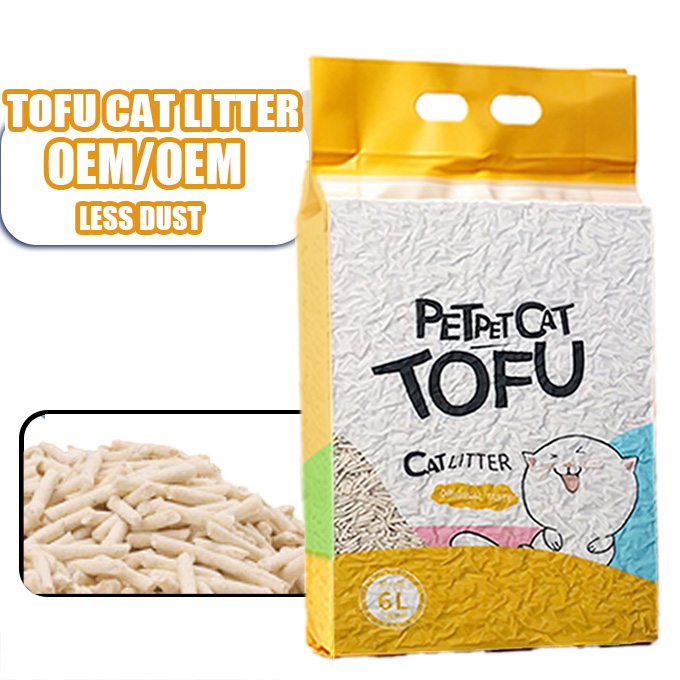
Traditional clay litters exacerbate indoor air pollution through crystalline silica dust tracking, provoking feline asthma and human respiratory allergies. Yantai Jaskin’s specialized OEM tofu cat litter formulations solve this through multi-stage industrial air-cyclone de-dusting. The resulting cylindrical (1.5mm to 2.0mm) and crushed tofu pellets boast a residual dust quotient under 0.2%, maintaining clean air filters and unsoiled floors during peak Canadian heating seasons.

2. Hydraulic Dispersion Dynamics: Municipal Sewage & Low-Flow Plumbing

Canadian municipal infrastructure utilizes low-flow dual-flush toilets delivering an average of 4.8 to 6.0 liters per flush, mandated under provincial plumbing codes to conserve water. A primary failure mode of substandard imported plant litters is gelatinization—where excess synthetic starch forms viscous plugs that block standard 3-inch or 4-inch domestic PVC and cast-iron waste soil stacks.

Jaskin’s proprietary extrusion balancing process balances organic pea starch with insoluble structural botanical fiber. When an individual clump is deposited into standing toilet water, it undergoes spontaneous hydraulic delamination within 12 to 15 seconds, dissolving into non-cohesive micro-colloidal particles before reaching the sewer trapway. This property prevents drainage line calcification and allows pet supply distributors to market their private-label SKUs with verified flushability confidence.

Performance Metric Jaskin Flushable Tofu Litter Standard Imported Tofu Traditional Sodium Bentonite Synthetic Silica Gel Crystals
Hydraulic Dissolution <15s Full Colloid 45s - 90s (Gel Risk) Insoluble (Blocks Pipes) Non-Dispersible
Low-Flow Flushable (4.8L) Certified Safe Conditional Warning Strictly Prohibited Prohibited
Absorption Capacity 600% - 700% 350% - 400% 200% - 250% 120% (Non-Clumping)
Sub-Zero Freeze-Thaw Stability Stable (No Pellet Fracture) Pores Crack at -20°C Unchanged (High Mass) Brittle Desorption
Bilingual Packaging Readiness Full Turnkey EN/FR Buyer Self-Managed Standard Print Standard Print
Compostability (Green Bin) 100% Biodegradable Biodegradable 0% Landfill Only 0% Inert Synthetic

3. Cold-Chain Resiliency: Trans-Pacific Maritime Shipping to Canadian Entry Ports

Importers bringing freight through the Port of Vancouver or Prince Rupert facing long intermodal rail transfers (CPKC or CN Rail) across the Canadian Rockies encounter extreme thermal fluctuations. Container temperatures often drop from humid coastal conditions to -30°C in inland intermodal hubs like Edmonton, Calgary, and Winnipeg. If tofu litter packaging harbors excess moisture, condensation rapidly induces secondary pellet disintegration, white mold growth, and package collapse inside vacuum-sealed units.

At Yantai Jaskin Pet Products Co., Ltd., our moisture control protocol caps residual relative moisture below 8.5% ± 0.5% using high-velocity circulating hot-air drying tunnels. Pallet loads are vacuum-sealed in multi-layer co-extruded nylon-PE barrier bags with integrated nitrogen flushing options, eliminating carton sag and shelf mold during extended winter supply-chain storage across Canadian distributor distribution centers.
Why Partner With Jaskin

Direct-from-Source Factory Engineering & Global Trade Agility

Combining primary manufacturing control in Shandong with an international supply chain team attuned to North American import protocols.

Intertek-Audited Quality

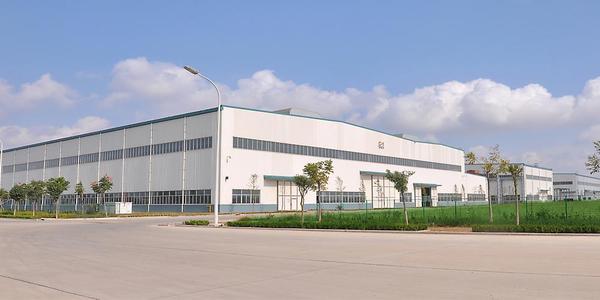
Our 2,600 m² modern production facility in Zhaoyuan, Shandong operates under rigorous supplier assessment standards, complete with on-site raw ingredient screening, chemical residue screening, and certified testing apparatus.

Bespoke OEM / ODM Formulation

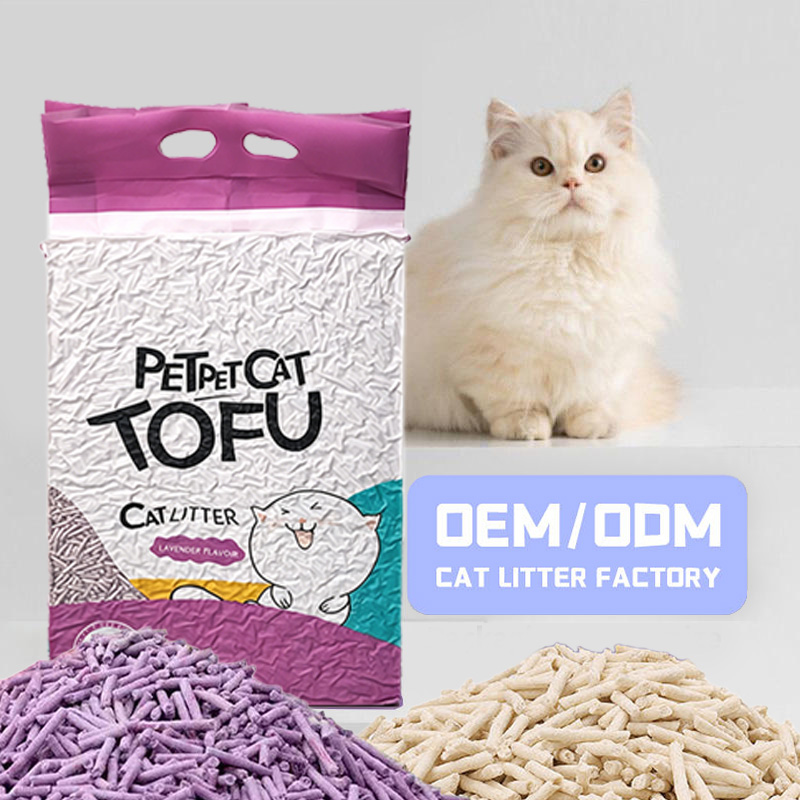
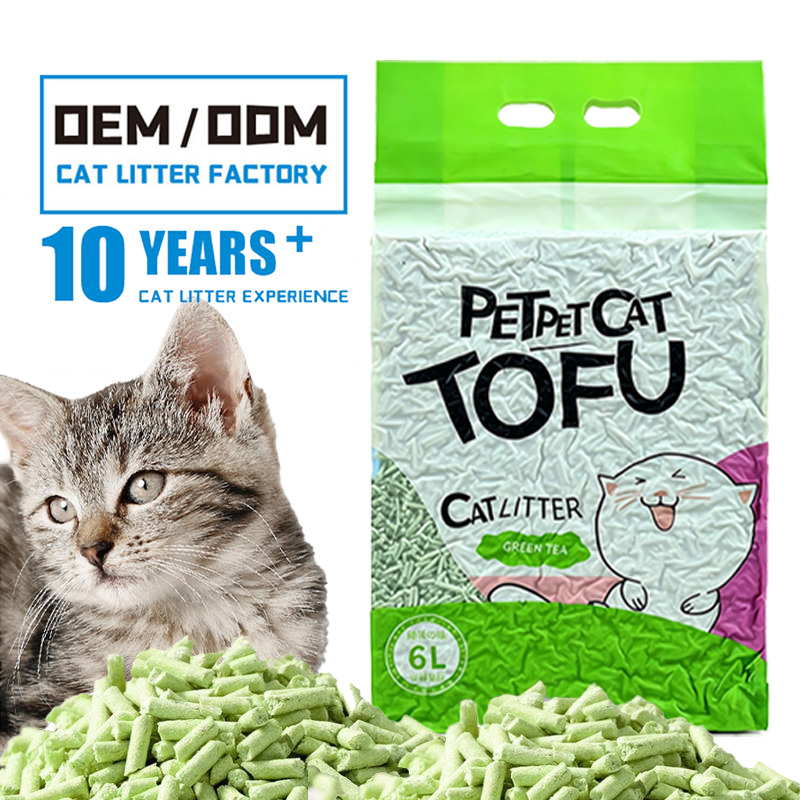
From pellet diameters (1.5mm, 2.0mm, 3.0mm, or crushed) to custom natural infusions (Activated Charcoal, Green Tea, Peach, Coffee, Corn, or Lavender), we calibrate water-retention metrics to fit your exact private brand specifications.

Canadian Regulatory Turnkey

Pre-designed bilingual artwork (English & French) fully conformant with Canada's Consumer Packaging and Labelling Act, weight declarations in metric grams, barcode formatting, and accurate net volumetric measurements.

Flexible Freight & Trade Terms

Serving major Canadian importers via FOB Qingdao, CIF Vancouver / Montreal, as well as door-to-door DDP arrangements for seamless clearance directly into local regional logistics centers.

Procurement Intelligence

Frequently Asked Questions by Canadian Importers & Retailers

Essential trade compliance, tariff classification, moisture stability, and consumer habit inquiries addressed by our senior export directors.

Are your plant-based tofu litters compliant with the Canadian Food Inspection Agency (CFIA)?

Yes. Because our tofu litters are derived from pure plant sources (dietary pea fiber, natural starch, and food-grade corn binder) and do not contain animal by-products or soil contaminants, they comply smoothly with Canada Border Services Agency (CBSA) and CFIA non-agricultural pest controls. We supply Phytosanitary Certificates, Safety Data Sheets (SDS), and comprehensive Non-Toxic Declarations upon shipping booking.

How does flushable tofu litter conform with municipal water bylaws across Canadian cities?

Municipal bylaws (e.g., in Toronto, Calgary, and Vancouver) regulate sanitary sewer inputs to prevent fat-oil-grease (FOG) and solid blockages. Unlike non-flushable bentonite, which is strictly prohibited under municipal water bylaws due to clumping calcification, our tofu pellets dissolve via hydraulic shear into loose water-soluble organic fibers within 15 seconds. For brand owners marketing in Canada, we recommend labeling clumps to be flushed individually and allowing 5-10 minutes of initial soaking for high-efficiency low-flow water closets.

What are the mandatory packaging labeling requirements for retail sales in Canada?

Under Canada’s Consumer Packaging and Labelling Act and the Charter of the French Language (Bill 96 in Quebec), all consumer retail goods must carry identical English and French product representations, net quantities declared in metric units (liters / kilograms), and full importer/dealer contact identification. Our design division provides pre-approved, fully translated bilingual layout templates for every OEM order.

What is your typical Minimum Order Quantity (MOQ) and lead time for Canadian maritime containers?

Standard starting production MOQs are 400 to 500 kg for trial formulas, while standard custom printed retail packaging programs start at one 20-foot GP container (approximately 11 to 13 metric tons of vacuum-packed product) or one 40-foot HQ container (approximately 24 to 26 metric tons). Production turnaround is typically 14 to 21 business days after artwork confirmation, with maritime shipping from Qingdao to Vancouver averaging 14 to 18 sailing days.

How do you ensure vacuum bags do not pop or lose vacuum seal during rough intermodal rail shipments?

We employ heavy-duty co-extruded composite barrier films (PA/PE) engineered specifically for puncture resistance against sharp pellet ends. In addition, each carton is master-packed using 5-ply corrugated high-burst kraft cartons and secured onto heavy-duty heat-treated wooden pallets (ISPM 15 compliant) with five-layer stretch shrink wrapping and corner edge protectors to absorb rail vibrations across the Canadian interior.

Ready to Launch Your Premium Canadian Tofu Litter Brand?

Connect with our technical formulation team today for free factory lab samples, customized OEM fragrance blending, and comprehensive CIF / DDP Canadian freight quotations.

Inquire Now