High-Performance Dust-Free Cat Litter Formulations
Engineered with proprietary multi-stage cyclonic de-dusting and high montmorillonite clay mineral bases for exceptional clumping and odor neutralization.
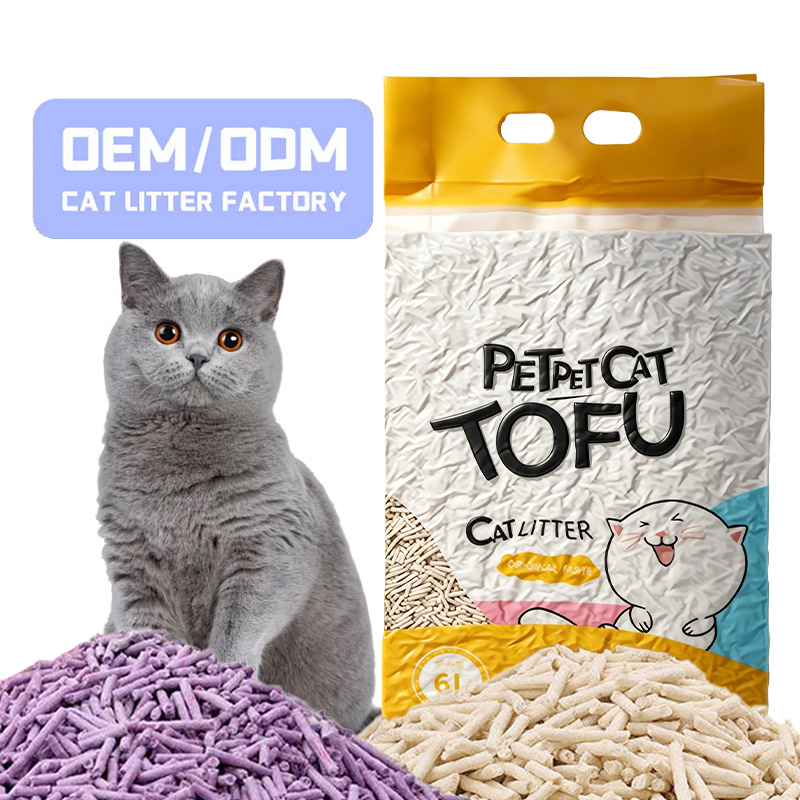
Active Carbon Ball Easy Scooping Clumping Cat Litter
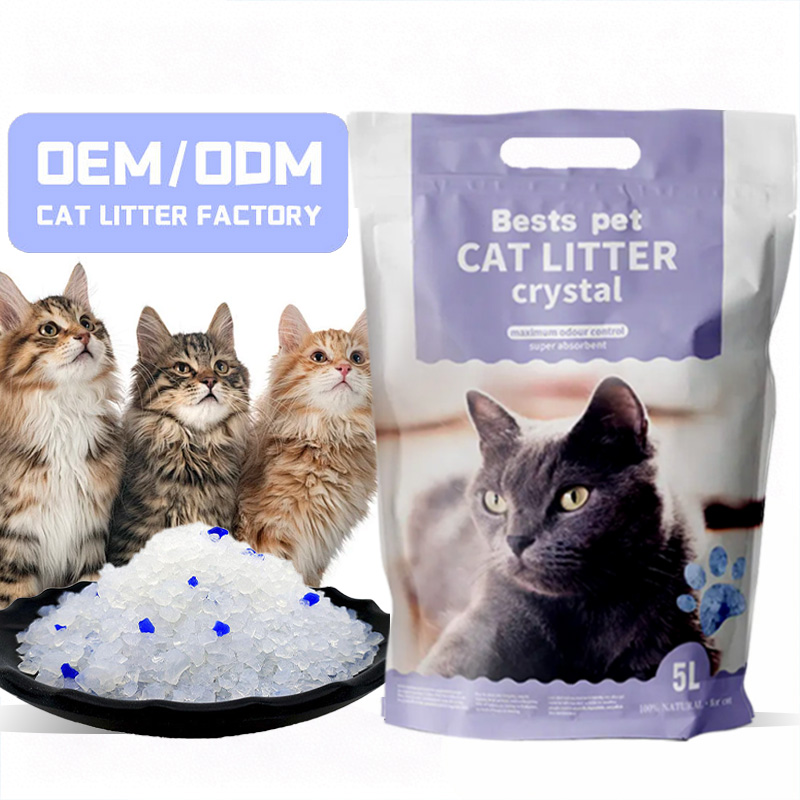
Green & Blue Environmentally Friendly Silica Crystal Gel
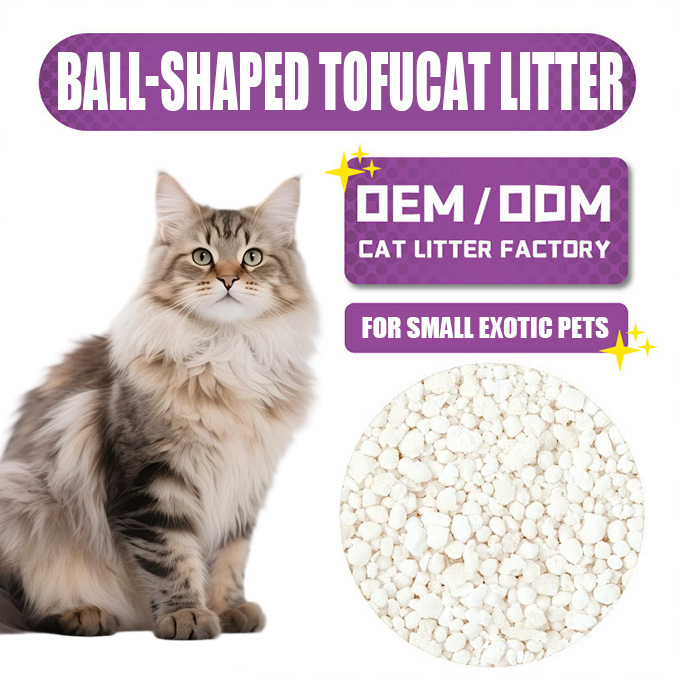
Plant Eco Clean Fast Clumping Ball Shaped Tofu Sand
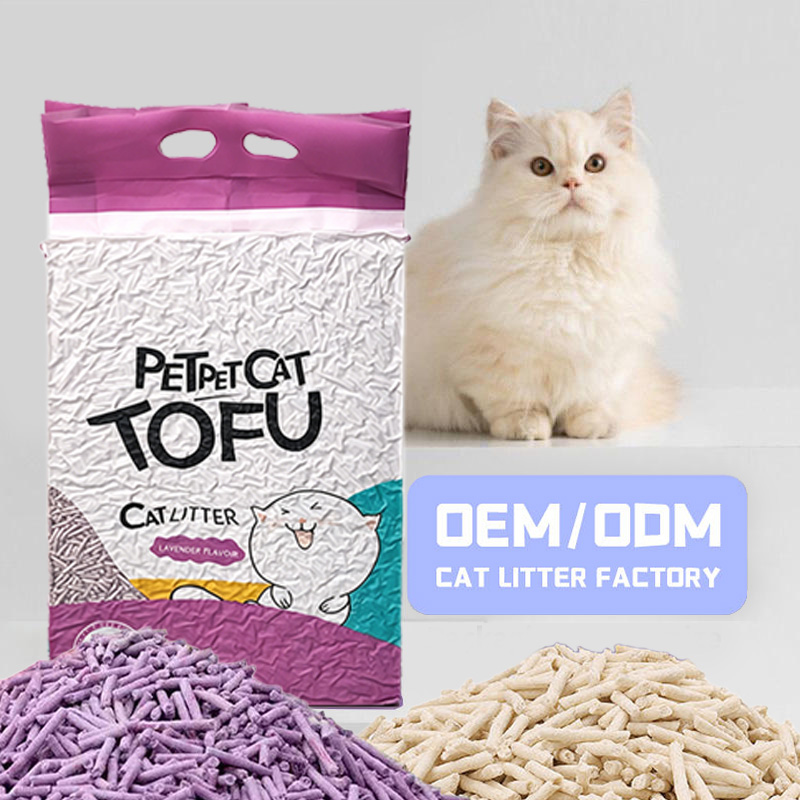
Coffee Aroma Deodorant Fast Clumping Premium Litter
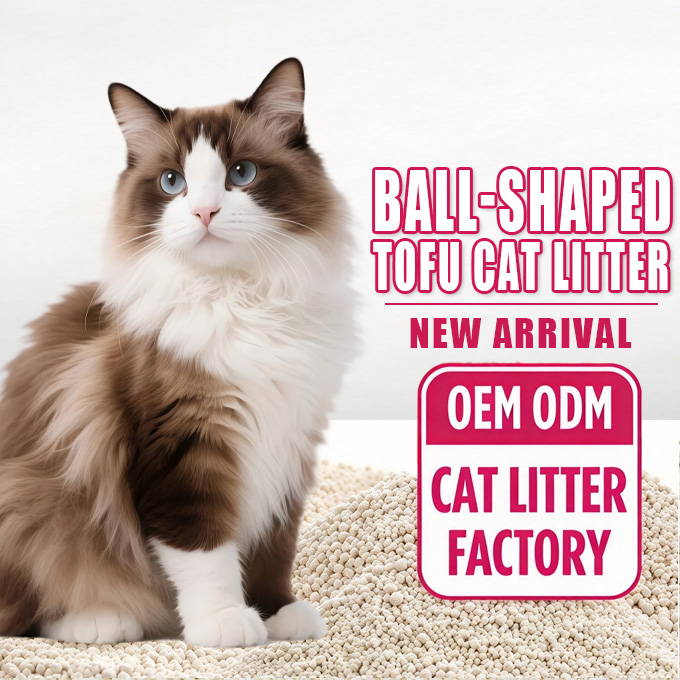
OEM/ODM Custom Packaging Ball Shaped Tofu Formulation
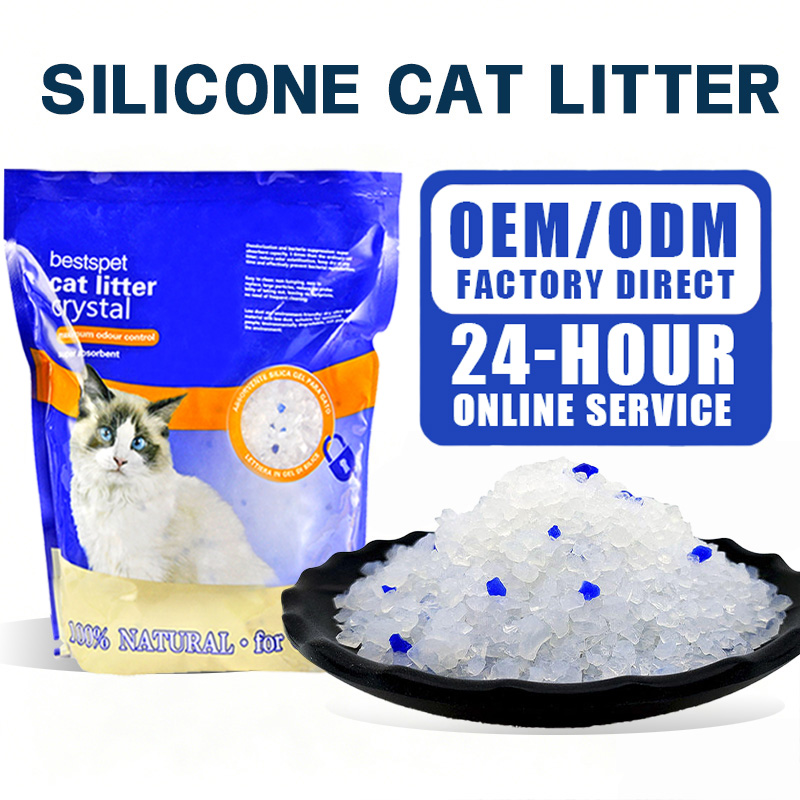
Health Care Monitoring Low-Tracking Silica Gel Sand
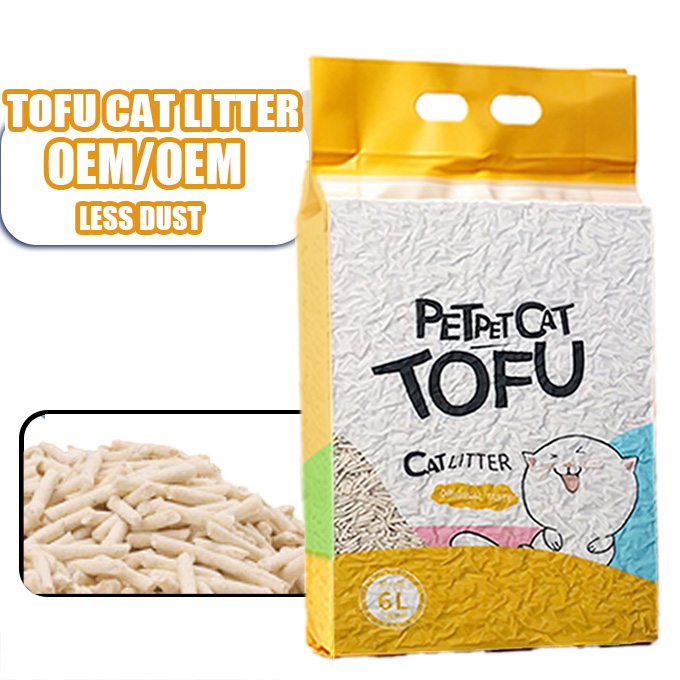
Crush White Pure Natural Plant Granular Clumping Sand
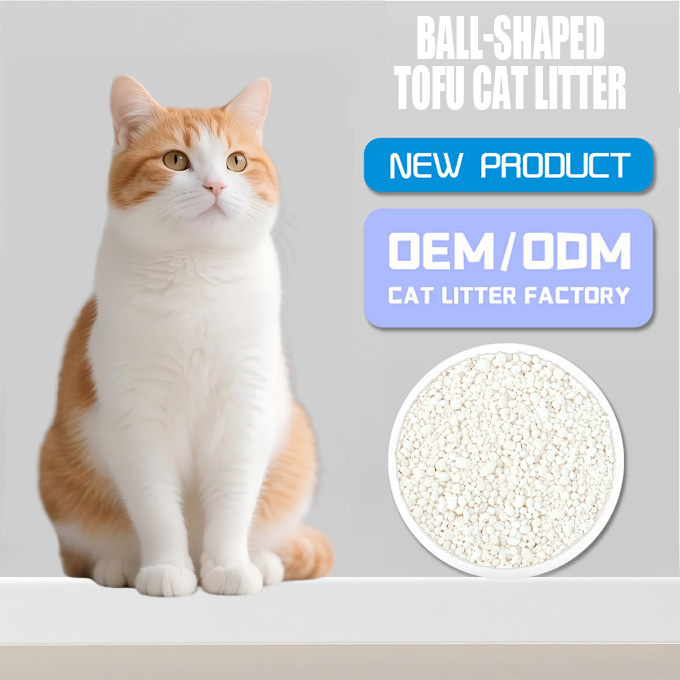
High-Clumping Bulk Flushable Broken Tofu & Blue Granule
Engineering Dust-Free Sodium Bentonite for High-Humidity Tropical Retail Environments
In modern industrial pet product manufacturing, bentonite cat litter is defined primarily by its mineralogical purity, montmorillonite content, and cyclonic de-dusting precision. For the Chinandega market—situated in the lowlands of Western Nicaragua, bordering the Pacific coast and near the deep-water maritime gates of Puerto Corinto—environmental factors impose rigorous engineering demands on pet hygiene substrates.
Chinandega endures a persistent tropical savanna climate (Köppen: Aw), where temperatures routinely eclipse 34°C (93°F) and seasonal relative humidity surpasses 80%. When conventional, low-grade calcium bentonite or poorly dedusted clay litters enter this environment, ambient atmospheric vapor begins early hydration within micro-fissures of unsealed packages. The result is rapid degradation: caking inside retail polybags, loss of feline paw comfort, and an exponential surge in volatile organic compounds (VOCs) and ammonia evaporation.
1. The Mineral Physics: High-Purity Montmorillonite & Sodium Activation
Yantai Jaskin Pet Products Co., Ltd., operating from its Intertek-verified production base in Zhaoyuan, Shandong, leverages China’s premier bentonite belts. Raw bentonite ore contains varying fractions of montmorillonite—a smectite clay featuring a 2:1 sheet structure consisting of an octahedral alumina sheet sandwiched between two tetrahedral silica sheets. In natural calcium-based bentonite, the interlayer spacing holds divalent Ca²⁺ ions, which exhibit a limited hydration radius and poor swelling volume (typically only 3 to 5 mL/g).
For litters shipped to distributors across the Chinandega department (including El Viejo, Chichigalpa, and Corinto), our factories implement thermodynamic sodium carbonate (Na₂CO₃) thermomechanical activation. This ion-exchange process displaces divalent calcium cations with monovalent sodium cations (Na⁺), fundamentally altering the crystalline lattice. Upon exposure to liquid urine, our activated sodium bentonite expands 16 to 22 times its dry volume. This ultra-fast volumetric expansion instantly traps liquid within the top 1.5 cm of the litter bed, creating tight, disc-shaped cohesive cakes that prevent moisture from pooling at the pan bottom—a crucial vector for bacterial multiplication in Chinandega's sweltering climate.
20x Osmotic Swelling
Monovalent sodium intercalation expands the crystalline sheets instantly, capturing feline urea within 2.5 seconds to form compact, shear-resistant clumps.
5-Stage Cyclone De-dusting
Negative-pressure airflow extraction pulls all microscopic airborne particulate under 30 microns, reaching an industry-leading 99.9% dust-free threshold.
Moisture Barrier Packaging
Multilayer co-extruded polyethylene with hermetic heat sealing locks out coastal atmospheric vapor during long-term storage in tropical Pacific depots.
2. Industrial De-Dusting: The Five-Stage Cyclonic Air Separation Process
The term "Dust Free" is often used loosely by trading intermediaries, but in our Zhaoyuan production workshops, it represents a mathematically verified engineering threshold. During mechanical granulation and sizing, bentonite granules experience micro-attrition, shedding fragile sub-micron silicate dust particles. If packaged without treatment, these particulates trigger feline asthma, human upper respiratory irritation, and cause unsightly clay tracks across polished tile homes common in urban Chinandegan residences.
Jaskin solves this through a closed-loop pneumatic grading system:
- Primary Rotary Vibration Screening: Raw granulated clay is passed across dual-deck high-frequency sieves, separating particles strictly within the 1.0 mm to 3.5 mm diameter window. Under-mesh fines are recycled back into extrusion hoppers.
- Multi-Chamber Negative-Pressure Cyclonic Towers: Gravitational drop-towers counter granular flow against upward laminar air vectors calibrated to 14.5 m/s. This velocity extracts all suspended particles below 45 microns without lifting whole granules.
- Electrostatic Micro-Particle Collectors: Passing across polarized plate fields, remaining micro-dust clinging to granule surfaces via electrostatic attraction is ionized, pulled free, and exhausted into pulse-jet baghouse collectors.
- Tumble Abrasion Drum Polishers: Round ball-shaped bentonite undergoes peripheral polishing to smooth sharp edges, drastically reducing friction-induced dust formation during overseas container transit.
- Laser Diffraction Particle Analysis: Random batch samples undergo ISO-standard laboratory testing. We guarantee a airborne respirable dust index below 0.1%, verifiable on Intertek batch documentation.
Comparative Performance: Bentonite vs. Alternative Substrates in Central America
| Performance Metric | Sodium Bentonite (Jaskin Grade A) | Active Carbon Hybrid | Standard Tofu Litter | Silica Gel Crystals |
|---|---|---|---|---|
| Hydration Expansion Ratio | 350% – 420% by mass | 380% – 450% by mass | 280% – 320% by mass | Non-swelling (Porous uptake) |
| Clump Cohesion Strength | > 950 g (Penetrometer) | > 1,050 g (Penetrometer) | > 780 g (Penetrometer) | None (Dehydrating) |
| Ammonia Adsorption (24h) | 89.4% Gas-phase reduction | 98.2% Dual-phase chemisorption | 76.5% Biological binding | 91.0% Micro-pore absorption |
| Dust Index (PM 10) | < 0.08% Total mass | < 0.05% Total mass | < 0.15% Total mass | < 0.02% Total mass |
| Tropical Stability (35°C, 85% RH) | Outstanding (Moisture barrier bag) | Maximum (Hermetic seal) | Moderate (Requires dry warehouse) | High (Adsorbs until saturated) |
| Ocean Freight Volume Factor | High density (24-26 MT / 20'GP) | High density (24-26 MT / 20'GP) | Medium density (18-19 MT / 40'HQ) | Low density (15-16 MT / 40'HQ) |
Localized Applications & Logistics Optimization for Chinandega & Western Nicaragua
For pet store chains, veterinary clinic networks, and wholesale FMCG distributors operating in Chinandega, León, and the greater Pacific Corridor of Nicaragua, sourcing pet litter involves distinct supply chain considerations that differentiate it from inland Central American capitals like Managua or Tegucigalpa.
The Direct Maritime Corridor: Qingdao/Yantai to Puerto Corinto
The definitive geographic advantage for Chinandegan importers is proximity to Puerto Corinto, Nicaragua’s primary deep-water seaport, situated less than 20 kilometers south of Chinandega City along Route NIC-12. While Managua-based distributors incur substantial drayage, customs clearance repositioning, and inland transport fuel surcharges to haul containerized freight up through the Pacific mountain pass, Chinandega-based facilities sit directly adjacent to this coastal entry point.
Container vessels departing Shandong seaports (Qingdao or Yantai) follow scheduled Pacific routes with typical maritime transits of 28 to 38 days. Because bentonite is a dense, high-mass commodity, freight cost per metric ton is the single largest variable determining distributor margin. By consolidating 20-foot general purpose (20’GP) containers packed to maximum payload limits (typically 24.5 to 26 metric tons net weight, subject to Central American highway gross vehicle weight limits), regional buyers can slash per-kilogram landed costs by 18% to 24% compared to LCL or routed inland transport from Costa Rican or Honduran entry points.
Overcoming Environmental Vulnerabilities in Chinandegan Retail
Retail operations in Chinandega face distinct microclimatic challenges that must be mitigated by industrial packaging design:
- Dry Season Airborne Volcanic & Agricultural Silt: Between December and April, Chinandega experiences intense, gusty trade winds carrying volcanic ash from the San Cristóbal volcano and agricultural topsoil dust from surrounding sugarcane and peanut fields. In open-air veterinary storefronts and semi-enclosed pulperías (corner groceries), litters with high baseline dust aggravate household dust accumulation. Offering our 99.9% dust-free ball bentonite allows local retailers to market a product that actively reduces indoor allergens.
- Rainy Season Atmospheric Saturation: During the heavy monsoon period (May to November), indoor relative humidity can sit at 85% for weeks. Traditional stitched paper bags or micro-perforated low-barrier polyethylene allow moisture vapor migration. Over a 90-day shelf period, this degrades clumping speed by up to 40%. Jaskin outfits its OEM export production with heavy-gauge (120+ micron) tri-layer co-extruded PE film bags, vacuum-sealed inner packaging, or BOPP laminated woven bags that maintain internal moisture below 8.0% regardless of external ambient humidity.
- Vector Pest Mitigation: In tropical heat, organic plant-based residues can occasionally attract pests if formulas contain unrefined starch. Our bentonite clay is 100% sterile mineral ore fired at high thermal drying profiles (>350°C during rotary kiln dehydration), rendering it biologically inert and completely impervious to weevils, ants, and bacterial colonization during long-term storage.
Emerging Pet Humanization Trends Across Western Nicaragua
Historically, domestic pet care in rural and semi-urban Nicaragua utilized garden soil, volcanic sand, or coarse construction aggregate. However, the past seven years have triggered a structural transformation in the urban centers of Chinandega, León, and Granada. Several socioeconomic forces are converging to drive rapid commercialization of specialized cat hygiene products:
1. Indoor Feline Urbanization & Architectural Changes
Rapid modernization and urban densification in Chinandega’s central districts (such as Reparto San Antonio and Santa Ana) have driven a marked transition toward indoor pet keeping. As millennial and Gen-Z pet owners keep cats inside air-conditioned homes or compact residential apartments, the tolerance for feline litter tracking, foul ammonia odor, and dusty floor residue has dropped to zero. What was once seen as an agricultural byproduct is now treated as an essential household wellness consumable.
2. The Proliferation of Modern Vet Clinics & Specialty Pet Boutiques
Where pet products were once exclusively retailed through informal municipal markets (Mercado Central and Mercado Mayoreo in Chinandega), modern veterinary clinics, pet boutiques, and established regional supermarket chains (such as Supermercados La Colonia and Maxi Palí) have expanded dedicated pet care aisles. These modern retail environments demand pristine, retail-ready packaging: vibrant high-definition gravure printing, easy-carry handles, leak-proof resealable sliders, and prominent multilingual certifications.
3. Demand for Functional Value-Add Formulations
While price sensitivity remains a baseline factor for mass market retail in Nicaragua, educated pet owners increasingly migrate toward functional formulas that offer tangible health and labor-saving benefits:
- Active Carbon Spherical Bentonite: Activated charcoal particles embedded within the clay matrix physically capture and bind indole, skatole, and dimethyl sulfide vapors, providing uninterrupted odor mitigation in poorly ventilated tropical rooms.
- Flushable Hybrid Tofu Formulations: Urban dwellers without private green space demand litters that can be flushed in residential septic systems without risk of piping calcification. Our broken crushed tofu options disperse instantaneously in high-water volumes.
- Urinary Health pH Crystals: Feline lower urinary tract diseases (FLUTD) are prevalent in hot climates where cats frequently experience chronic low hydration. pH-indicating litters that alter chromatic hue when urine alkalinity spikes provide critical, early-stage diagnostics, winning high loyalty from local veterinary prescribers.
Expand Your Brand with Intertek-Verified Quality
Request customized OEM sample kits, container load plans for Puerto Corinto, and specialized private label box & bag templates from our international export engineering department.
Send an InquiryYantai Jaskin Pet Products Co., Ltd.: Your Strategic B2B Production Base
Founded in 2020 in Zhaoyuan, Shandong—a prime industrial cluster for bentonite extraction, silica processing, and agricultural fiber processing in Northern China—Yantai Jaskin Pet Products Co., Ltd. has developed into a premier integrated manufacturer and export partner for international pet brands across North America, Latin America, Europe, and the Asia-Pacific.
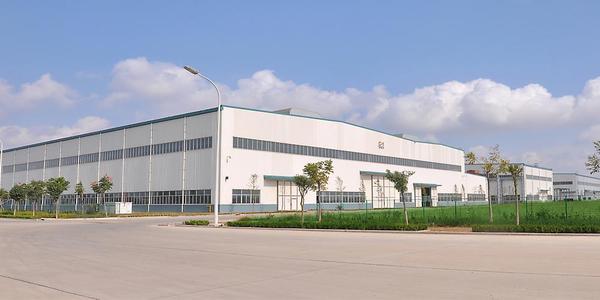
Unlike trading intermediaries that operate on brokerage margins with volatile batch quality, Jaskin operates a 2,600 m² verified production and packing facility audited onsite by Intertek. We exercise end-to-end oversight across every stage of value creation: from raw mine selection and thermal drying, to mechanical granulation, electrostatic dust extraction, fragrance microencapsulation, and automatic packaging.
Why Global Importers Partner with Jaskin
Intertek-Verified Compliance
Our raw material testing protocols, heavy-metal safety thresholds, dust counts, and manufacturing capacities are fully vetted by third-party international inspection agencies.
End-to-End OEM / ODM Engineering
From full pouch artwork design to customized granule diameter (1.5mm - 3.5mm), scent profiling (baby powder, green tea, lavender, coffee), and moisture ratings.
Flexible Commercial Terms
We accommodate diverse trade frameworks including FOB (Qingdao/Yantai), CFR, CIF (Puerto Corinto), DDP, and DDU, with payments supported via T/T, L/C, and PayPal.
Our multilingual export documentation team handles the complete bureaucratic dossier needed for seamless Nicaraguan customs entry through DGA (Dirección General de Servicios Aduaneros) and IPSA (Instituto de Protección y Sanidad Agropecuaria), including certified Certificates of Origin (CO), Phytosanitary Certificates (for plant-based litters), MSDS (Material Safety Data Sheets), and Fumigation Certificates.