Precision Engineered Cat Litter Product Portfolio
From rapid-clumping micro-pellet tofu litter with anti-mycotoxin conditioning to high-adsorption indicator silica formulations, explore our Intertek-verified production lines ready for dispatch to Vientiane.
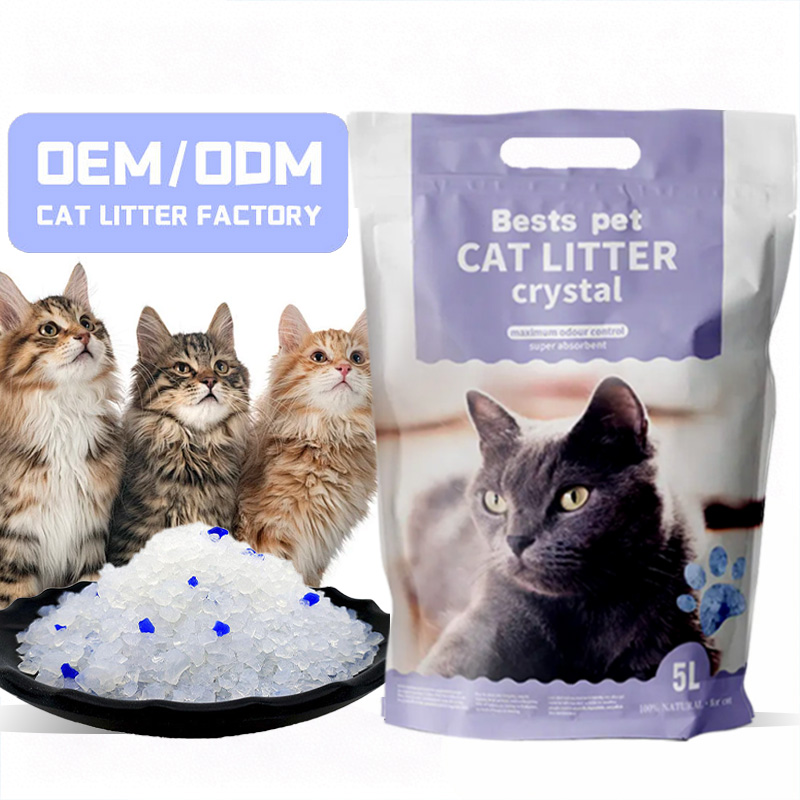
Green and Blue Natural Environmentally Friendly Highly Absorbent Color Crystal Silica Gel Cat Litter
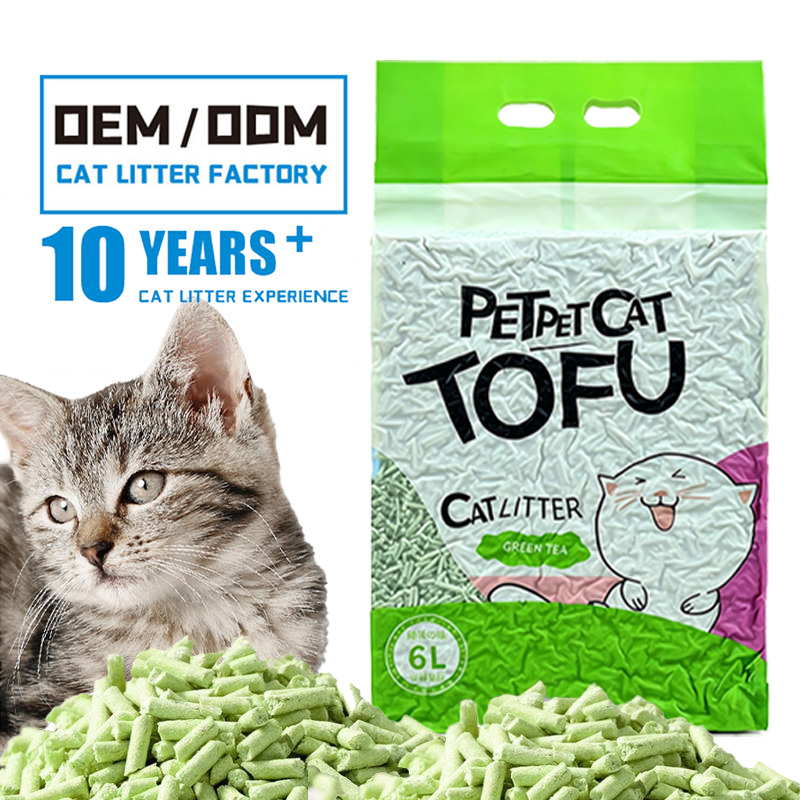
Bamboo Easy Scooping Free Sample Clumping Cat Litter Wholesale Dust Free Vacuum Package Tofu Cat Litter
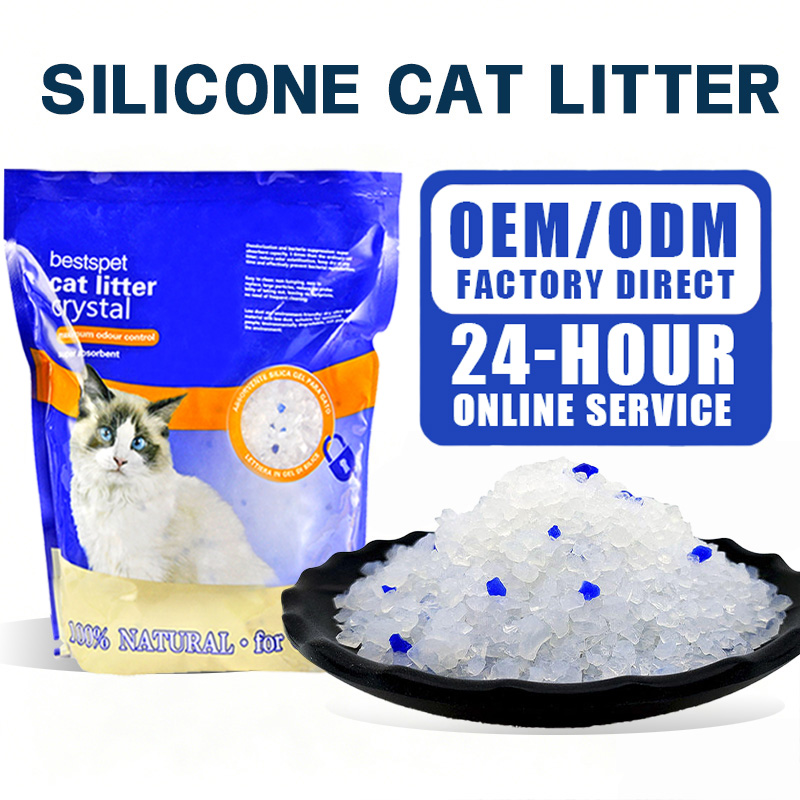
Low Price Sale Well Low Dust OEM Highly Absorbent Health Care Monitoring Low-tracking Odor Control Silica Gel Cat Litter
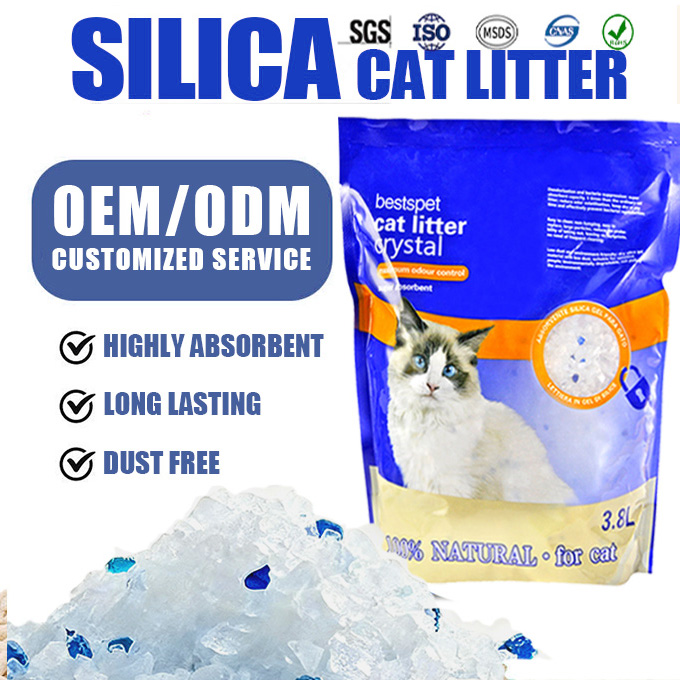
Irregular Baby Powder White and Blue Natural Environmentally Friendly Highly Absorbent Color Crystal Silica Gel Cat Litter
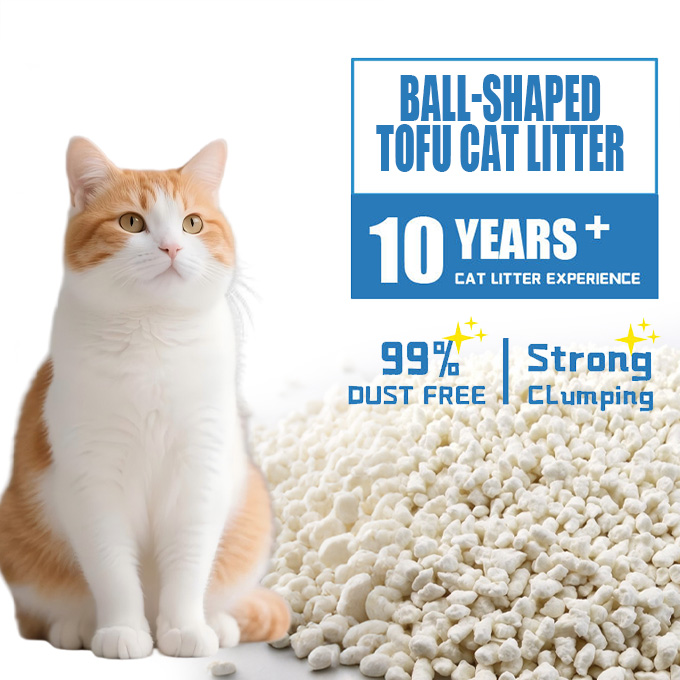
Green Tea Lavender Scent White Particles Ball Shaped Tofu Cat Litter
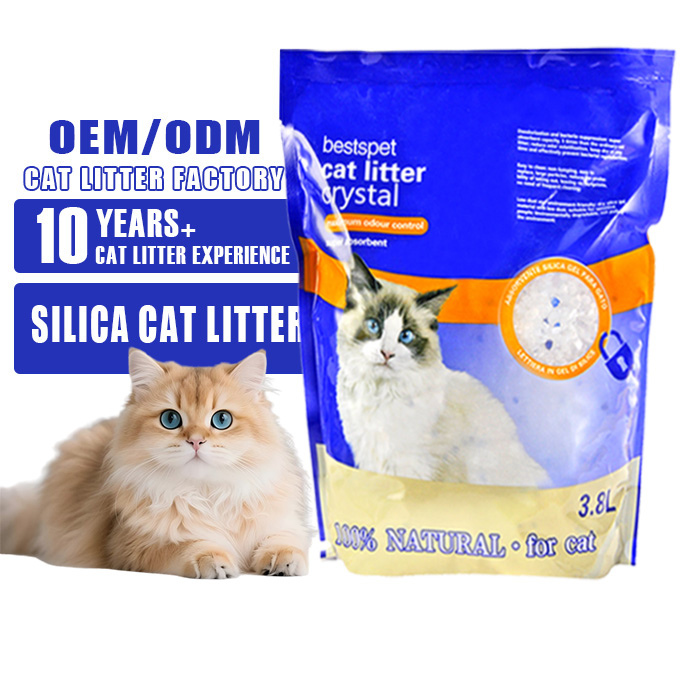
Crystal Soft Deodorant Design Packing Hot Sale Wholesale Factory Dust Free Cat Sand Crystal Bulk Silica Gel Cat Litter
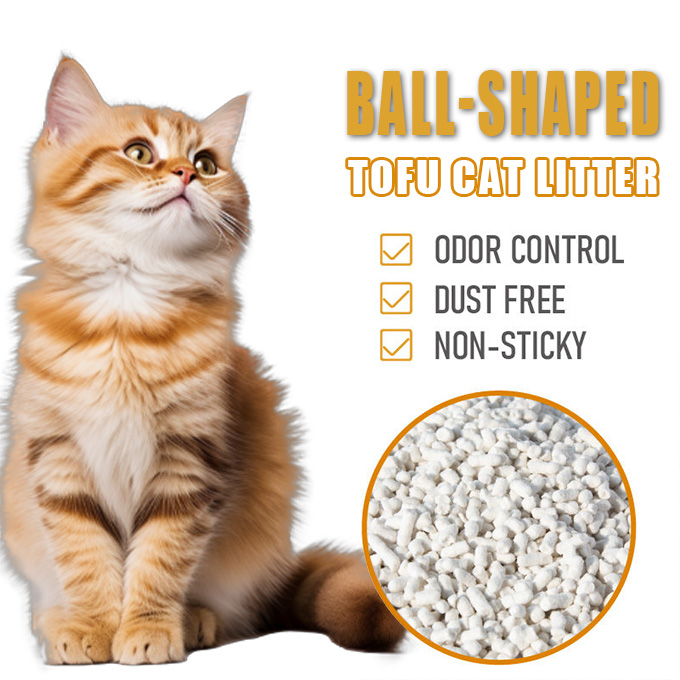
Colorful Ball Easy Scooping Clumping Cat Litter Wholesale Tofu Cat Litter Free Sample 100% Pure Ball Shaped Tofu Cat Litter
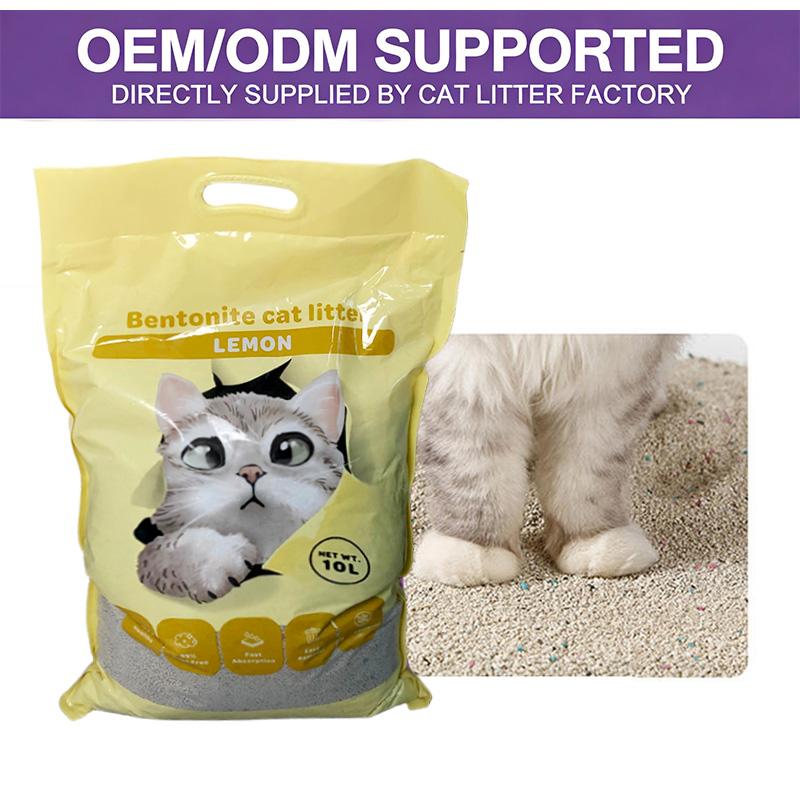
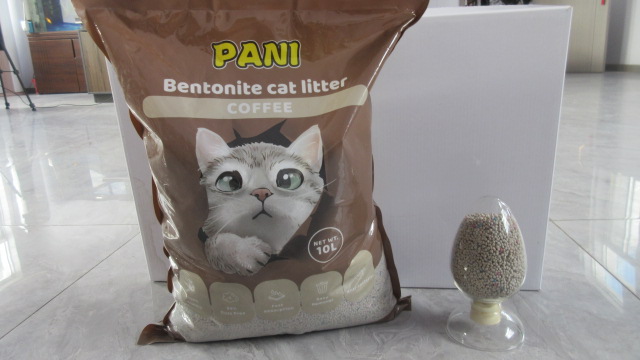
Dark Grey Best Sale Strong Clumping Natural Sodium Clay Easy Clean Odour Lock Premium Brand Cat Sand Bentonite Cat Litter
The Vientiane Pet Economy: Demand Shifts & Climate Realities
A granular assessment of urbanization along the Mekong River, structural housing transitions, and the biological necessity for mold-resistant cat litter formulations.
1. Socio-Demographic Urbanization and Pet Humanization in Vientiane Prefecture
The pet hygiene consumable market across the Lao People's Democratic Republic is experiencing unprecedented structural maturation, with Vientiane Capital acting as the nucleus of modern consumer expenditure. Historically characterized by free-roaming domestic felines, urbanization across Chanthabouly, Sikhottabong, and Sisattanak districts has generated a pronounced transition toward indoor multi-cat confinement. High-density residential complexes, serviced apartments, and renovated urban townhouses flanking the Mekong River lack outdoor agricultural runoff zones, forcing pet parents to mandate zero-odor, non-tracking, and indoor-flushable excrement containment media.
Concurrently, household disposable income among affluent urban professionals and the growing expatriate community in Vientiane has elevated pet humanization. Traditional raw sodium bentonite clay—long imported informally via border trade—is rapidly losing market share among discerning retail pet boutiques and veterinary clinics. The acute drivers behind this pivot include respiratory health awareness (mitigating micro-fine crystalline silica dust in unventilated air-conditioned rooms), municipal waste disposal constraints, and an overwhelming preference for plant-derived, biodegradable alternatives.
2. Tropical Atmospheric Physics: Solving the Monsoon Humidity Challenge
Importing organic plant-fiber cat litter into Vientiane presents severe technical and bio-chemical hurdles during the southwest monsoon season (May to October). Ambient relative humidity (RH) frequently sustains levels between 78% and 92% with daytime temperatures hovering between 31°C and 38°C. Under these tropical humid conditions, standard commercial tofu litters fabricated with cheap cornstarch or unsterilized industrial soybean meal quickly exhibit catastrophic failure modes:
A. Premature Atmospheric Saturation: High hygroscopic affinity causes inferior pellets to absorb ambient atmospheric vapor prior to contact with feline urine. This passive saturation drops feline waste clumping efficiency by up to 60%, resulting in soft, sludge-like deposits that adhere tenaciously to litter tray floors.
B. Rapid Mycotoxin Proliferation and Microbial Fermentation: Warm, vapor-dense storage conditions in Vientiane wholesale warehouses create an ideal incubation vector for Aspergillus and mold colonies within 7 to 10 days if water activity ($a_w$) inside the pellets exceeds 0.60. Unstabilized starch hydrolyzes rapidly, generating foul organic acids and sour ammonia odors.
C. Pelleting Breakdown and Crystalline Cracking: Repeated thermal expansion and contraction during transport across varying elevations destabilize pellet structural integrity. Pellets manufactured with low mechanical compression disintegrate into powder, rendering the litter unusable and generating complaints from pet owners.
To overcome these challenges, high-tier export manufacturing incorporates closed-loop high-temperature microwave sterilization, moisture-locking vacuum packaging, and food-grade botanical binding systems that restrict residual water content strictly below 8.5%, neutralizing premature mold activation in tropical climates.
3. Municipal Drainage Dynamics: Hydraulic Flushability in Lao Urban Infrastructure
Unlike modern deep-tunnel sewer networks with mechanical grinders, private residences and commercial buildings in Vientiane rely extensively on localized on-site septic tanks (septic cesspools) and gravity-fed domestic wastewater lines. Discharging dense mineral bentonite into these networks is disastrous; insoluble calcium and sodium montmorillonite rapidly aggregate inside traps, precipitating cementitious blockages that require costly physical excavation.
High-purity pellet tofu cat litter offers the optimal solution for urban Vientiane pet owners. Formulated with hydrophilic pea fibers and cold-water-soluble botanical starches, superior 1.5mm and 2.0mm extruded pellets disperse instantly upon contact with surplus turbulent water. The cellulosic fibers disintegrate into individual microscopic fibrils within 120 seconds of toilet submersion, causing zero hydraulic impedance or solids sedimentation inside residential septic tanks. Furthermore, being completely organic and free from synthetic polymers, the residue undergoes natural anaerobic digestion, matching the ecological sustainability demands of modern urban living.
Technical Performance Matrix: Material Benchmarking
Empirical laboratory performance metrics comparing cat litter substrates for Southeast Asian tropical distribution.
| Substrate Classification | Clumping Kinetic Speed | Water Absorption % | Dust Index (<30μm) | Septic Compatibility | Tropical Shelf Stability | Primary Channel Fit (Vientiane) |
|---|---|---|---|---|---|---|
| Micro-Pellet Tofu (1.5mm - 2.0mm) | 1.8 - 2.5 seconds | 600% - 700% | < 0.1% (Multi-Dusted) | Instant Dissolution | High (When Vacuum Sealed) | Boutique Pet Shops, E-Commerce, Condos |
| Standard Tofu Pellet (3.0mm) | 3.5 - 5.0 seconds | 450% - 520% | < 0.5% | Full Dissolution | Moderate (Risk of Breakage) | General Grocery, Supermarkets |
| Sodium Bentonite Clay | 2.0 - 4.0 seconds | 250% - 320% | 1.5% - 4.2% | Zero (Severe Clogging) | Immune to Moisture Decay | Mass Market, Price-Sensitive Retail |
| Crystal Silica Gel | Non-Clumping (Adsorption) | 380% - 440% | < 0.2% | Zero (Non-Biodegradable) | High (Saturates over time) | Veterinary Clinics, Specialty Catteries |
| Natural Mineral Ore | 3.0 - 6.0 seconds | 280% - 350% | 2.0% - 5.0% | Zero (Pipe Sedimentation) | High Chemical Stability | Bulk Wholesale, Rural Distribution |
Top 10 Benchmark Evaluation: Sourcing Criteria for Vientiane
How leading OEM/ODM manufacturing facilities are evaluated for large-scale export to Indochina markets.
1. Raw Material Purity & Food-Grade Audits
Top-tier factories refuse reclaimed soy processing waste, which harbors high mold counts. Elite exporters utilize 100% human-grade yellow pea fiber sourced from traceable agricultural cooperatives, ensuring zero formaldehyde, zero aflatoxins, and superior natural odor entrapment.
2. High-Compression Pellet Extrusion (>55N)
Pellet hardness is vital for long-distance transport. Premium manufacturing plants deploy dual-screw high-pressure extrusion presses that achieve mechanical hardness ratings exceeding 55 Newtons. This prevents pellet breakdown into dust during rail transit and warehouse handling.
3. 5-Stage Negative Pressure Dust Extraction
Dust causes feline respiratory irritation and eye infections. Competitive manufacturers apply a 5-stage closed-circuit cyclonic dust evacuation system along the drying, screening, and packaging conveyors, reducing airborne particulates below 0.1% before final sealing.
4. Continuous Microwave Microwave Sterilization
Thermal air drying is insufficient for long tropical storage. Benchmark facilities utilize continuous multi-magnetron industrial microwave tunnels that penetrate pellet cores, eliminating 99.99% of fungal spores and microbial pathogens without denaturing the starch matrices.
5. Third-Party Auditing (Intertek / SGS / ISO)
Dependable exporters possess on-site international factory certifications. Intertek supplier assessments evaluate incoming raw materials, finished product batch records, automated tracking, and worker health standards, safeguarding B2B brand reputations.
6. Moisture-Barrier Vacuum Packaging Systems
Moisture is the primary enemy of tofu litter in Vientiane. World-class factories invest in multi-layer composite vacuum packaging (PA/PE or PET/AL/PE) with gas-tight degassing, ensuring the product survives maritime shipping and monsoonal warehouse storage.
7. Full-Spectrum OEM / ODM Formulation Agility
Regional consumers prefer tailored scents and functional additives. Top factories formulate proprietary blends containing activated bamboo carbon, deodorizing sodium bicarbonate, lavender oil, green tea extracts, or botanical pH-indicator health monitoring beads.
8. China-Laos Railway Multimodal Logistics Mastery
Elite exporters have replaced slow ocean freight with the direct China-Laos Railway corridor. Direct containerized rail dispatch from manufacturing hubs to Vientiane South Station (Thananaleng Dry Port) cuts transit time from 25 days down to under a week.
9. Batch-Level Moisture & Microbial Traceability
Professional factories run calibrated lab testing for every manufacturing batch. Moisture analysis balances, crush resistance gauges, and agar incubation plates guarantee that no product exceeding 8.5% water content leaves the warehouse floor.
10. Flexible B2B MOQ & Multi-Currency Settlement Support
Recognizing the liquidity needs of expanding pet companies in Vientiane, leading suppliers provide low initial private-label MOQs (starting at 400–500 kg for tofu lines) and accommodate flexible international payment terms including USD, CNY, T/T, and Letters of Credit (L/C).
Logistics Revolution: The China-Laos Rail Freight Corridor
How modern overland logistics eliminates port demurrage, slashes inventory holding costs, and preserves product freshness.
From Maritime Bottlenecks to 5-Day Direct Land-Port Delivery
Historically, importing pet products into landlocked Laos required shipping containers by sea to Bangkok's Laem Chabang port, clearing Thai customs, transloading cargo onto trucks, and crossing the Thai-Lao Friendship Bridge over the Mekong into Vientiane. This convoluted routing routinely incurred transit windows of 20 to 28 days, excessive maritime demurrage, unpredictable cross-border transshipment surcharges, and high humidity exposure inside marine containers.
The inauguration and commercial optimization of the China-Laos Railway (Kunming–Mohan–Boten–Vientiane) has revolutionized pet product supply chains. Freight departing industrial export hubs in China moves directly via electrified standard-gauge freight trains, clearing customs at the Mohan-Boten border terminal and arriving at the Vientiane South Station (Thananaleng Dry Port) in just 3 to 5 days. For Lao pet brand owners and distributors, this modal transition delivers three transformative competitive advantages:
1. Dramatic Working Capital Optimization: Short transit windows mean Lao retailers can operate lean just-in-time (JIT) replenishment models, avoiding massive capital lockups in bulk safety stock.
2. Near-Zero Environmental Degradation: Faster transit times drastically reduce thermal and moisture stress on vacuum-sealed tofu pellets, guaranteeing that pet litter retains factory-fresh clumping performance and pleasant aromas upon arrival.
3. Lower Landed Freight Costs: Eliminating port storage fees in Thailand and third-party trucking markups significantly lowers overall shipping costs per metric ton, improving retail margins for local businesses.
Why Global Brands Partner with Jaskin Pet Products
Factory-direct engineering, Intertek-verified quality assurance, and end-to-end OEM customization from Shandong's premier mineral and pet hygiene industrial cluster.
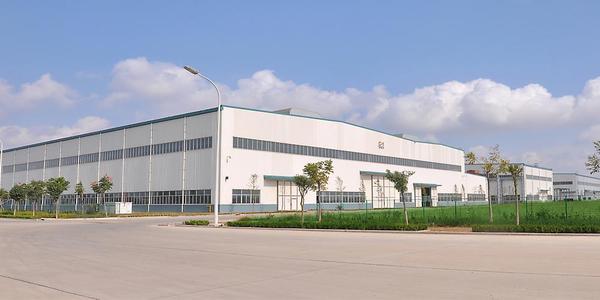
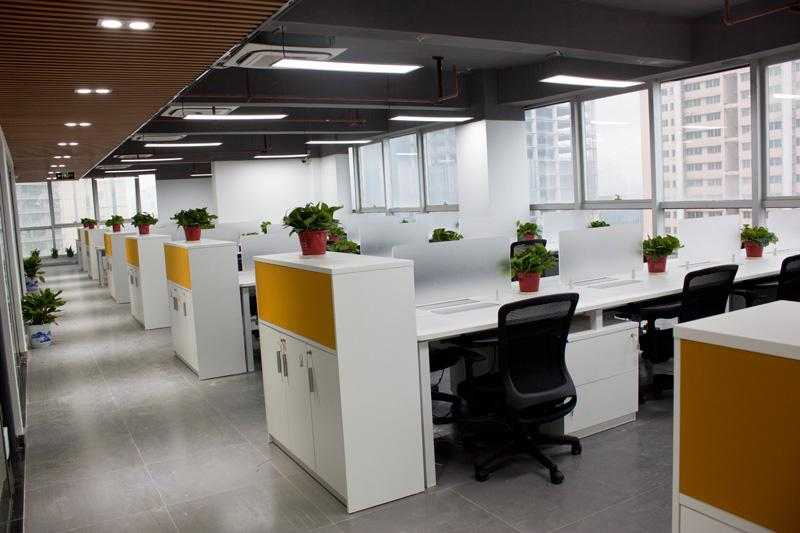
Yantai Jaskin Pet Products Co., Ltd. Verified Reliability
Founded in 2020 in Zhaoyuan, Shandong—the heart of China's premium plant-fiber and mineral extraction zones—Jaskin Pet Products combines in-house industrial formulation, automated processing, and comprehensive export trading operations. Our facility has successfully passed rigorous onsite supplier assessments conducted by Intertek, confirming international manufacturing excellence.
- Facility Scale
- 2,600 m² Audited Plant
- Independent Audit
- Intertek Onsite Verified
- Global Presence
- 16+ Export Nations
- Supply Modes
- OEM, ODM & Private Label
Localized Application Scenarios Across Vientiane
Tailored cat litter solutions engineered for the residential architectures, lifestyle habits, and commercial operations of Vientiane.
Mekong Riverside High-Rise Condominiums
Condo developments in Chanthabouly and Sikhottabong feature modern closed layouts where balcony venting is limited during humid monsoon days. The 1.5mm micro-pellet tofu litter with active bamboo charcoal absorbs pungent ammonia instantly, allowing easy toilet flushing without lingering odors.
Commercial Cat Cafés & Boutique Pet Lounges
Pet cafés near Sisattanak host dozens of human visitors daily. Multi-cat litter boxes demand non-tracking, fast-clumping substrates with virtually zero dust to preserve spotless cafe floors and protect feline eye health. Lavender-infused ball-shaped tofu litters create a clean, welcoming environment.
Veterinary Clinics & Breeding Facilities
Professional breeders and animal clinics in Vientiane require precise feline health monitoring. Our pH health-indicator silica and tofu litters change color upon urine contact, alerting clinicians and pet owners early to potential urinary tract infections or metabolic abnormalities.
Frequently Asked Questions by Importers in Laos
Actionable answers to help procurement managers in Vientiane streamline ordering, shipping, and quality assurance.
How does the China-Laos Railway improve cat litter importing into Vientiane?
How do you prevent vacuum-packed tofu cat litter from spoiling during the monsoon season?
What are the Minimum Order Quantities (MOQ) for custom private-label branding?
Is 1.5mm or 2.0mm micro-pellet tofu litter truly safe for domestic septic systems in Vientiane?
Which commercial trade and payment terms do you support for Lao pet enterprises?
Ready to Build Your Market-Leading Cat Litter Brand in Vientiane?
Consult directly with our factory formulation engineers. Request complimentary product samples, custom packaging prototypes, and door-to-door China-Laos Railway freight estimates today.
Contact Us