Silica Gel
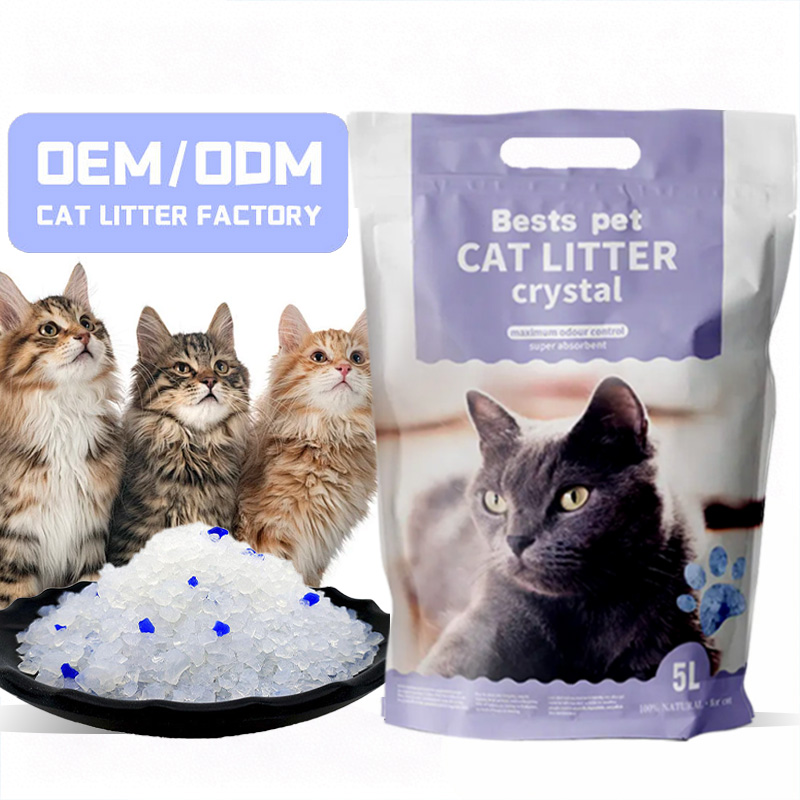
Green and Blue Natural Environmentally Friendly Highly Absorbent Color Crystal Silica Gel Cat Litter
Pore Vol: 0.85ml/g
Anti-Bacterial
Direct factory-tested formulas engineered to resist thermal degradation and humidity-induced mold growth, maintaining tight clumping geometry within tropical microclimates.
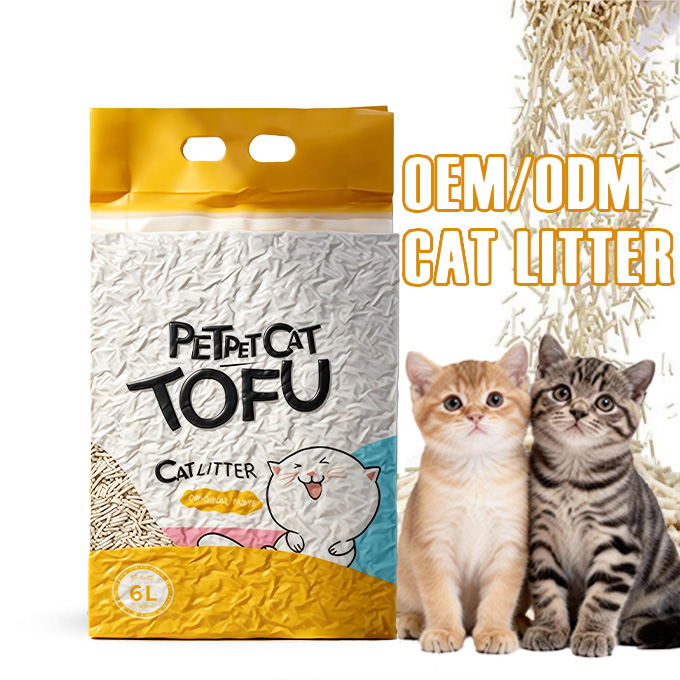
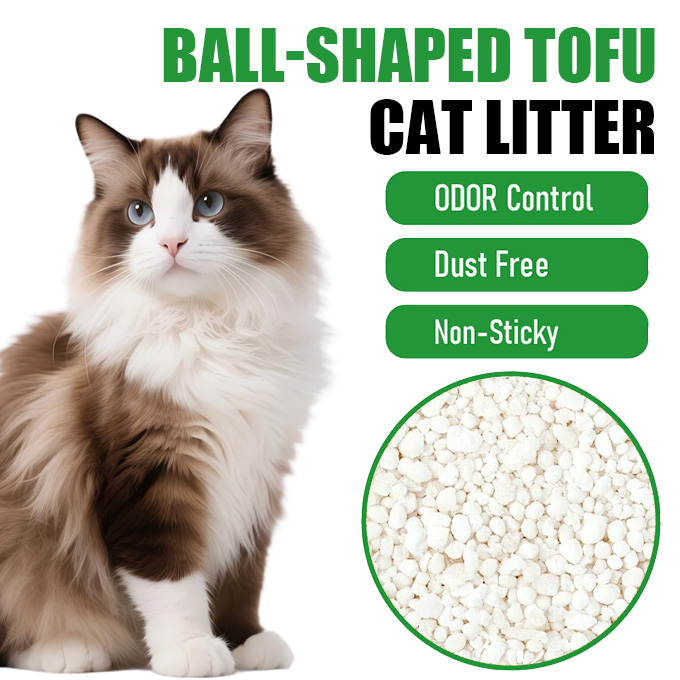
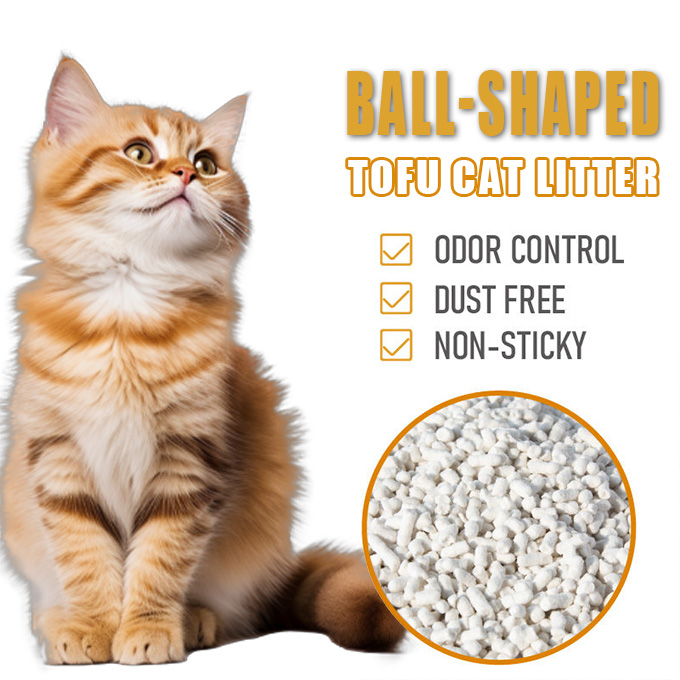
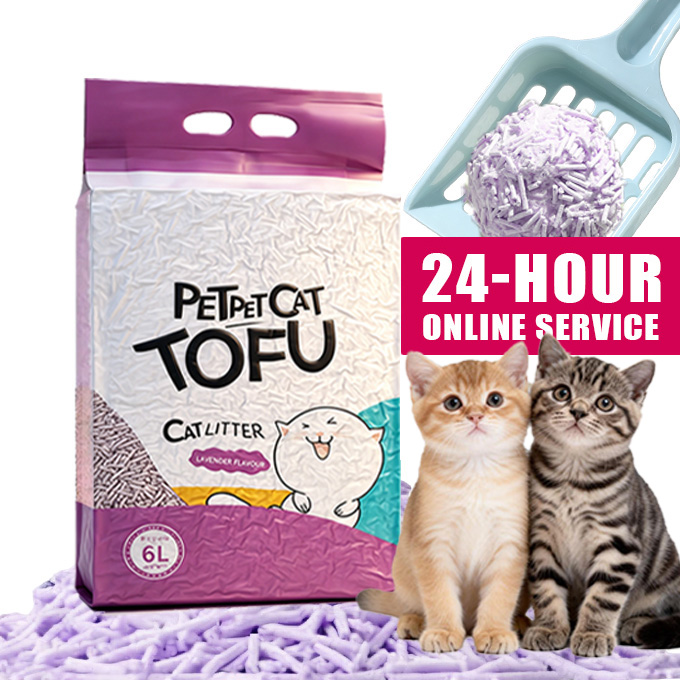
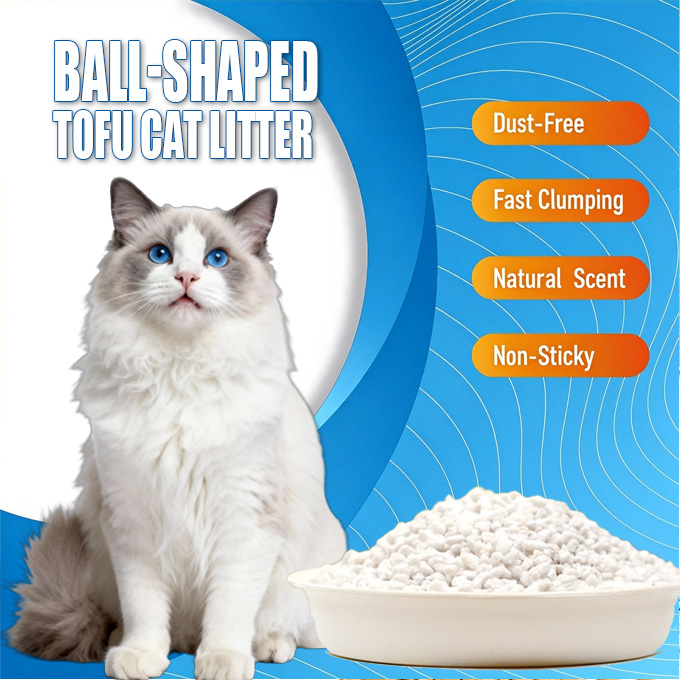
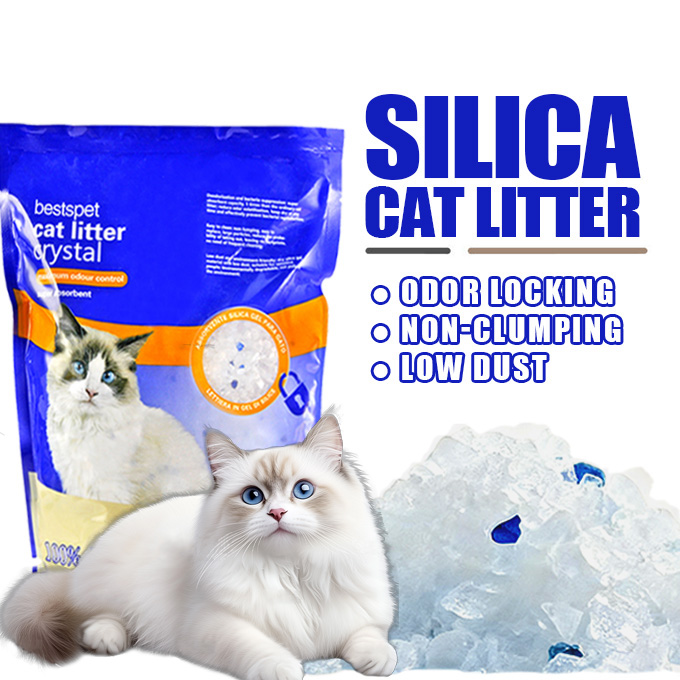
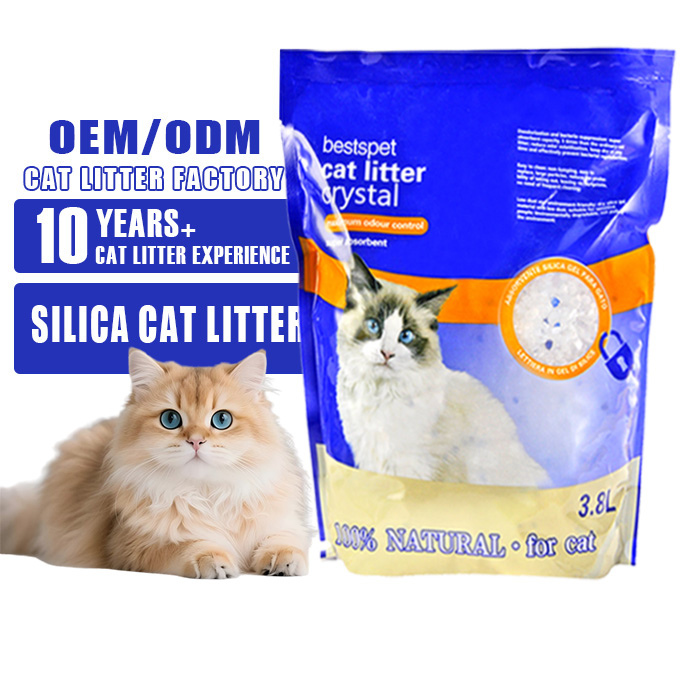
Naypyidaw, the administrative capital of Myanmar, exhibits a tropical savanna climate characterized by distinct wet and dry seasons. During the monsoon months stretching from May through October, relative humidity levels frequently fluctuate between 75% and 92%, coupled with ambient daytime temperatures consistently exceeding 32°C. For pet hygiene supply chain distributors and retail brands in the Union Territory, conventional mass-market cat litter formulations fail precisely at the physical hydration threshold.
Standard bentonite and organic plant starches draw ambient atmospheric moisture directly out of the unconditioned domestic air. When high-moisture air interacts with a poorly formulated litter substrate, the bentonite platelets pre-swell prematurely before liquid insult occurs. The net result is "sludge formation," crumbling clumps during scooping, severe litter pan sticking, and the proliferation of pungent ammonia odors due to rapid bacterial proliferation.
Our fast-clumping formulations leverage specialized mineral screening and modified pea-fiber binders. By adjusting particle pore distributions (ranging from 1.5mm to 3.0mm micro-pellets and optimized irregular granules), the capillary pull prioritizes direct, concentrated feline urine ingress over dispersed atmospheric vapor. Clumps consolidate in less than 3 seconds into a cohesive, high-density mass that remains dry to the touch even under 85% ambient relative humidity conditions.
Our R&D processing combines food-grade hydrophobic barrier starch with montmorillonite clay matrices. This dual-action chemical balance inhibits ambient dew-point absorption, ensuring shelf-life stability up to 24 months in uncooled Naypyidaw regional warehousing.
Comparative analysis of clumping kinetic speed, odor neutralization capacity, and maritime freight logistics profiles.
| Substrate Category | Clumping Speed (Seconds) | Absorption Ratio (% w/w) | Naypyidaw Urban Fit | Logistics & Weight Efficiency | Disposal Method |
|---|---|---|---|---|---|
| Modified Pea Tofu Litter (1.5mm / 2.0mm) | ≤ 2.5 Sec | > 620% | Apartment blocks, Ottarathiri civil residential zones | Lightweight (approx. 2.4kg/6L vacuum pack) | Flushable in small clumps |
| Sodium Bentonite Clay (Ball & Crushed) | ≤ 3.0 Sec | > 380% | Mass retail, traditional landed dwellings in Pyinmana borders | High density; optimum cost-to-volume ratio | Municipal solid waste binning |
| Crystal Silica Gel (Non-Clumping) | Immediate liquid trap | > 450% | High-end veterinary clinics, hotel suites, diplomatic zones | Minimal freight payload; non-perishable | Periodic full-pan replacement |
| Dual-Action Mineral Clay Composite | ≤ 2.0 Sec | > 510% | Multi-cat domestic enclosures, high-odor settings | Medium bulk density; enhanced structural hardness | Standard domestic refuse disposal |
Analyzing urban residential density, governmental employee compound living, and modern retail channel expansion.
Unlike the sprawling horizontal compounds of rural provinces, Naypyidaw's administrative workforce resides in planned residential quarters across Zabuthiri and Dekkhinathiri townships. Compact apartment configurations necessitate low-tracking, virtually zero-dust clumping litters to avoid contamination of air-conditioned rooms during the high-heat pre-monsoon summer.
Urban plumbing infrastructure and municipal refuse handling make flushable plant-based litters an accelerating product segment. Premium consumers in modern retail developments are shifting from raw clay to biodegradable 100% natural bean dregs with gentle coffee and green tea essences that safely mitigate ammonia emissions indoors.
Given logistical transit corridors connecting maritime ports (Yangon) and inland road transit to Naypyidaw, packaging integrity is critical. Moisture-barrier vacuum-sealed packaging prevents atmospheric degradation, pallet shifting, and burst bags across multimodal trucking routes along the Yangon-Mandalay Expressway.
Established in 2020 within Zhaoyuan, Shandong—China's world-renowned epicenter for high-grade industrial minerals and agro-fiber processing—Jaskin operates as an integrated manufacturing and foreign-trade powerhouse. We maintain complete traceability over raw material sourcing, automated granulation, continuous drying kilns, dedusting cyclonic separators, and robotic bagging lines.
We supply private label pet hygiene products to premier pet supermarket chains, veterinary importers, and regional distribution partners across North America, Southeast Asia, South Asia, and the European Union.
Comprehensive evaluations completed on production line automation, laboratory moisture titration equipment, clump drop-test testers, and QA staging zones.
Critical data points on batch minimums, customized private label bag manufacturing, transit lead times, and customs documentation.
Our minimum order volumes are structured to support both emerging distributors and established multi-store operators. For plant-based tofu cat litter, the baseline trial MOQ begins at 400 to 500 kg for standardized stock bags, or 1x20-foot full container load (FCL, approximately 10–12 metric tons) for customized private-label multi-color gravure printed packaging. For natural bentonite and mineral clay litter, standard commercial production runs start at 1,250 bags (approximately 1 pallet to small container volume), while silica gel crystal trial batches can be initiated from flexible pilot scales.
Maritime routes passing through equatorial shipping lanes experience significant temperature cycling that can cause condensation ("container sweat"). To protect exports destined for Naypyidaw, our tofu cat litters are packed in heavy-gauge, multi-layer laminated nylon/polyethylene bags under negative-pressure vacuum sealing. For bulk clay and silica, we utilize thick woven polypropylene outer ton-bags with interior high-density polyethylene (HDPE) vapor-barrier liners, combined with container-grade desiccant poles placed in every sea-freight box.
Yes. As an authentic primary manufacturer, our formulation parameters are fully modular. We offer tofu litter extrusion dies ranging from fine 1.5mm pellets (which maximize clumping speed and surface area coverage) to 2.0mm and 3.0mm cylinders, as well as round ball-shaped agglomerated tofu. Fragrance infusions including natural roast coffee, green tea, baby powder, peach, and unscented activated charcoal can be calibrated according to your brand's regional consumer preferences.
We work with international banking standards including telegraphic transfer (T/T with a 30% advance deposit and 70% balance settled against bill of lading issuance) as well as irrevocable letters of credit (L/C at sight). Supported shipping trade terms encompass FOB (Qingdao / Yantai Port), CFR, CIF (Yangon Port terminal), and specialized inland multimodal arrangements (DDU/DDP) coordinated with vetted regional forwarding partners.
Low-grade clay litter containing free crystalline silica can trigger feline asthma and human upper-respiratory irritation. Our tofu litters are produced from human-edible grade soybean and pea fibers dried at ultra-high temperatures. The granules pass through a multi-stage negative-pressure dust aspiration system, yielding a verified 99.9% dust-free product. When scooped, there is no airborne clouding, making it optimal for domestic indoor usage in apartment living.
Yes, all pure plant-based tofu formulations dissolve completely when immersed in water. The organic starches break apart under liquid sheer forces within 20 to 30 seconds. This allows residential end-users in urban Naypyidaw apartments to safely flush individual soiled clumps down standard toilet plumbing without causing line blockages or burdening municipal solid waste landfills.
Connect with our technical product engineering and export sales department to receive technical data sheets (TDS), safety data sheets (MSDS), freight estimates, and complimentary OEM sample kits.