Pelletized Tech
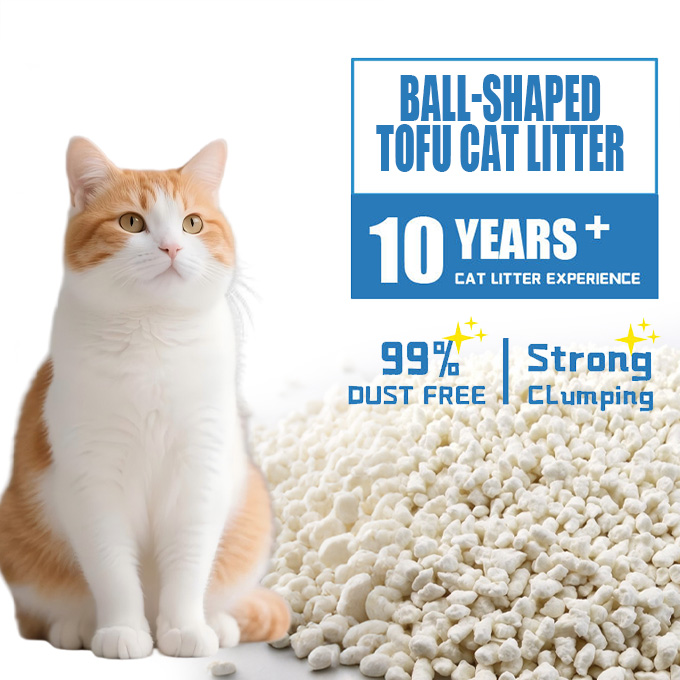
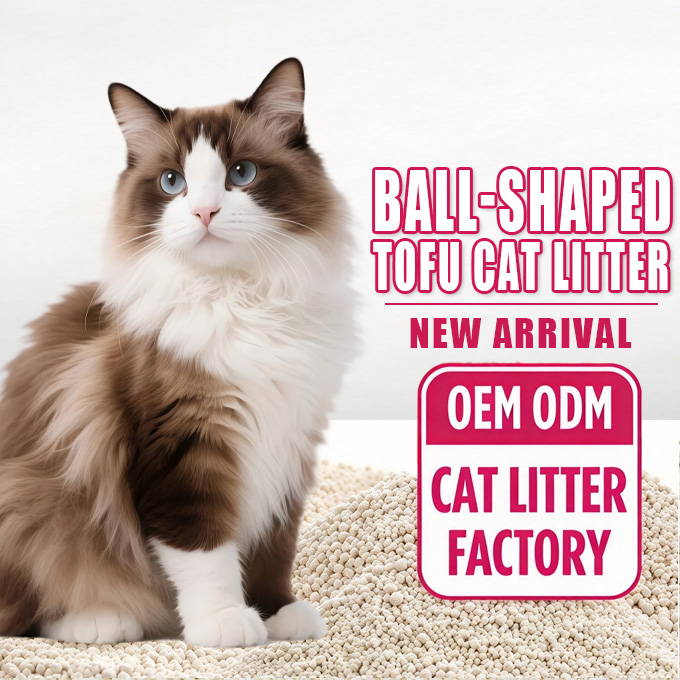
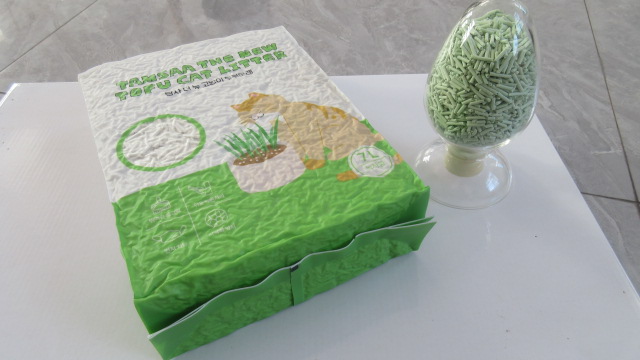
Green Tea Lavender Scent Ball Shaped Tofu Litter
Ball-Shaped
Botanical Essence
Ultra Low Tracking
Produced under rigorous ISO and supplier-audited quality benchmarks. High structural integrity, customized bulk granulometry, and proprietary scent-matrix infusions.
Information Gain analysis: Resolving the trade-off between bio-degradability and structural agglomeration strength.
The global pet hygiene sector has encountered a persistent friction point in mineral-based versus botanical-based litters. Traditional sodium bentonite exhibits exceptional agglomeration properties via smectite clay swelling; however, its heavy bulk density (averaging 0.85–0.95 g/cm³) severely escalates marine logistics costs and generates airborne silica particulates during handling. Conversely, pure plant-derived tofu litters (formulated primarily from soybean curd residue and pea fiber) achieve rapid hydration and complete toilet flushability, yet suffer from low mechanical crush strength and susceptibility to degradation in humid conditions.
Our industrial production lines in Zhaoyuan, Shandong employ secondary high-temperature microwave dehydration combined with nine-stage negative-pressure air dedusting. This technological pipeline minimizes residual free-starch content, preventing mold growth during transoceanic shipping across equatorial routes while maintaining dust levels consistently below 0.5% by weight.
For high-volume pet brands and national distributors, product yield and freight cube efficiency are critical commercial metrics. Spherical and compact columnar pellets achieve optimal packing density inside retail packaging. This reduces internal air space within bags, drastically lowering puncture incidents during ocean freight container stuffing and palletization.
Additionally, the mechanical bonding mechanism between bentonite clay micro-granules and botanical starch eliminates bottom-sticking inside litter trays—a primary consumer pain point. Clump formation occurs within the top 2.5 centimeters of the litter substrate, preserving the freshness of the lower layer and extending overall pan operational longevity by up to 35% compared to generic clay cat sand.
Through our dedicated laboratory facilities, every production lot undergoes fluid retention capacity (FRC) testing, shatter-resistance dropping analysis (minimum 92% retention after 1.5m fall), and headspace gas chromatography to verify targeted odor neutralizer efficacy against volatile organic compounds (VOCs).
Customizing formulation physics, water dispersion profiles, and aromatic encapsulation to match distinct climate and municipal waste infrastructures.
In metropolitan areas with multi-story apartment complexes (e.g., Tokyo, Singapore, Seoul, Paris), municipal waste sorting protocols and restricted balcony spaces necessitate rapid, flushable disposal and zero-dust tracking. Our 1.5mm diameter extruded tofu formulation dissolves rapidly in municipal sewage systems while eliminating tracking across hardwood and carpet flooring.
For import regions across Southeast Asia, Brazil, and coastal sectors, ambient air moisture often causes unsealed cat litters to prematurely clump and develop sour odors. We engineer our export batches with hydrophobic food-grade stabilizers and utilize vacuum degassing packaging that maintains equilibrium moisture below 8%, ensuring extended shelf life.
The global surge in automated self-cleaning litter boxes demands non-adherent, low-tracking, and dimensionally stable substrates. Irregular or ball-shaped tofu-bentonite blends prevent rake-grid blockage, while high mechanical cohesion eliminates sensor-clouding dust plumes inside closed smart appliances.
Strategically based in Zhaoyuan, Shandong—the global epicenter of mineral wealth and pea protein processing—delivering direct cost advantages and supply chain resilience.
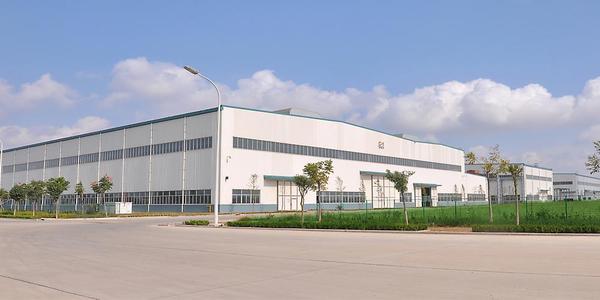
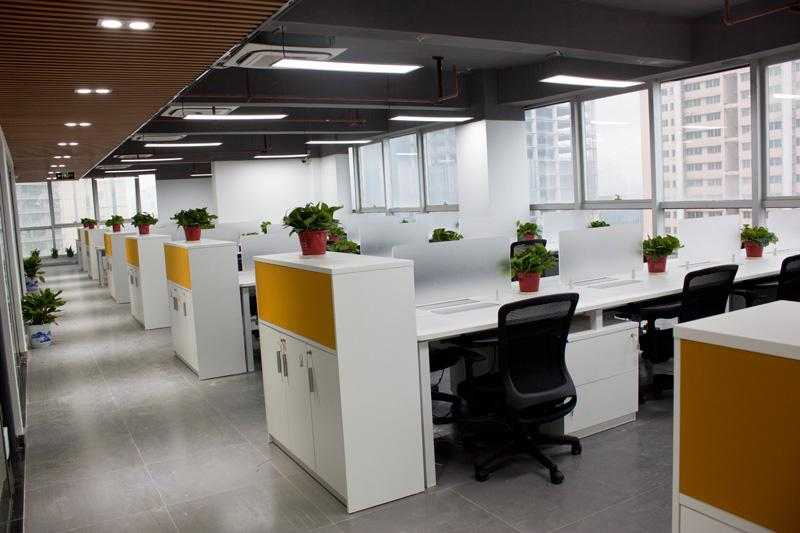
Operating from an on-site verified 2,600 m² modern manufacturing plant, Yantai Jaskin Pet Products Co., Ltd. has established itself as an integrated manufacturing and foreign trade enterprise since 2020. By combining indigenous Shandong raw material reserves with automated double-rotor extrusion granulators, we ensure consistent pellet density and chemical purity across mass production volumes.
Our supplier credibility has been independently audited and certified on-site by Intertek. We subject incoming pea fiber starches and sodium bentonite clays to incoming goods inspection (IQC), continuous in-process quality control (IPQC), and final batch analytical clearance (FQC) covering bulk density, moisture balance, pH stability, and dust index verification.
Direct answers regarding export logistics, private-label parameters, factory audits, and composite formulation behavior.
Whether you require full container load (FCL) quotations, proprietary formulation development, or custom-branded retail packaging samples delivered via express courier, our international sales division provides responsive technical assistance within 24 business hours.
Send an Inquiry