Engineered Pet Hygiene Formulations for Import & Wholesale
Precision-manufactured in our 2,600 m² facility with multi-stage cyclonic dust removal, customizable granulation, and private label packaging ready for U.S. freight distribution.
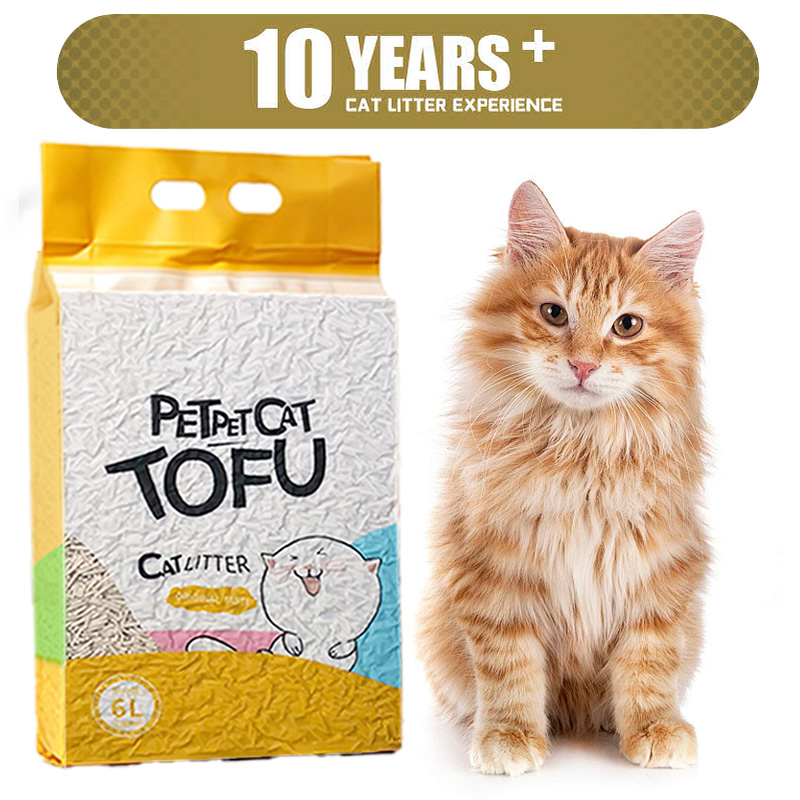
Sustainable High Clumping Crush Broken Tofu Cat Litter (Blue Ball Shaped)
Engineered botanical pea fiber substrate with high crush-resistance, non-stick tray behavior, and instant hydration capture.
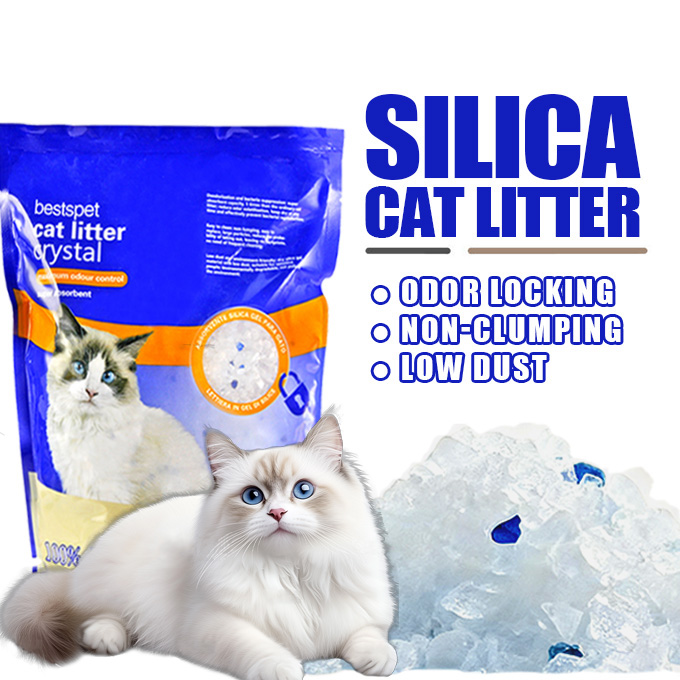
1-8mm Customizable Irregular Crystal Silica Cat Litter
Microporous synthetic amorphous silica crystals designed for extreme odor locking and rapid desiccation without clumping mud.
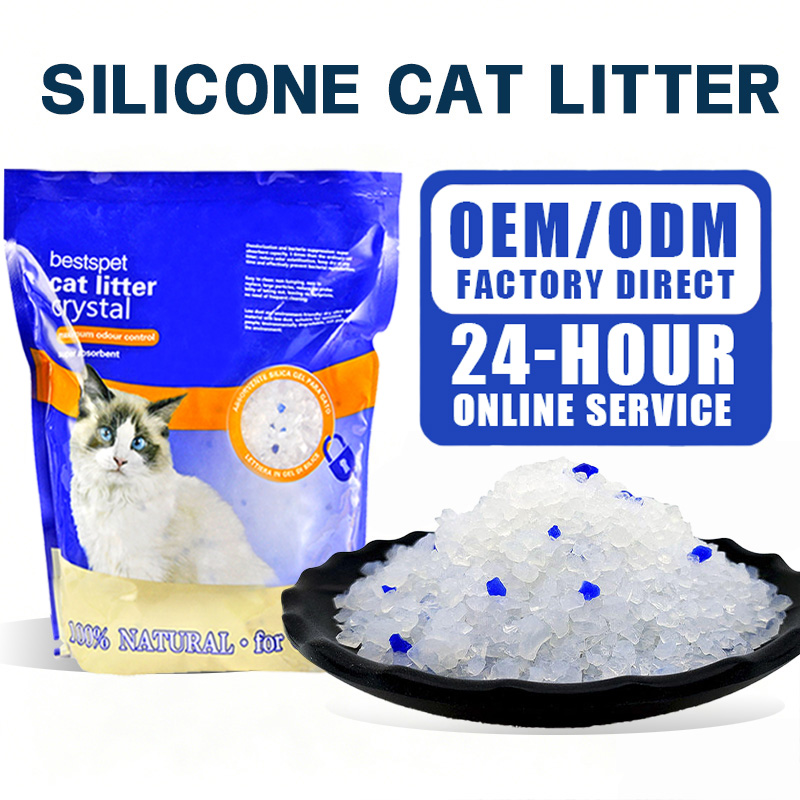
Health Care Monitoring Urine pH Indicator Silica Litter
Integrated colorimetric reagent beads change hues upon urine contact to alert pet owners to feline urinary tract anomalies and pH shifts.
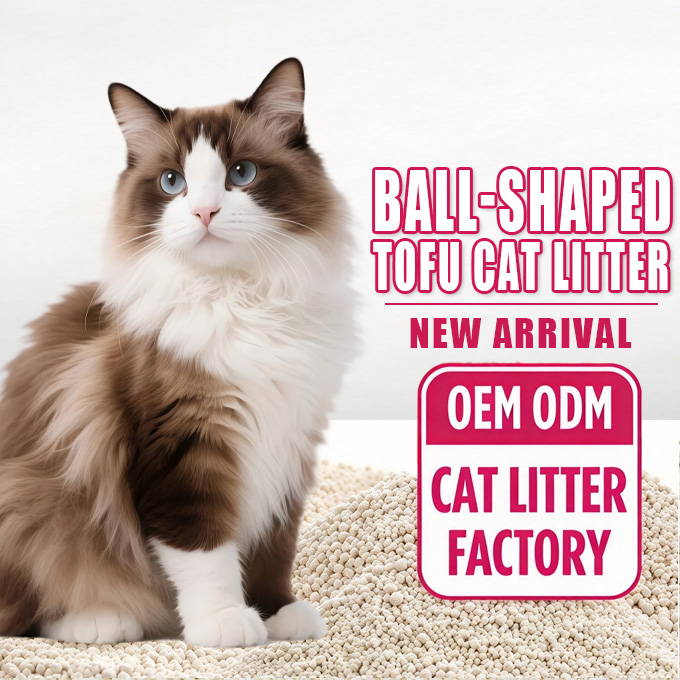
Customized OEM/ODM Ball-Shaped Tofu Cat Litter
Spherical extruded pea and corn starch matrix designed to eliminate mechanical edge breakage, ensuring minimal floor scatter.
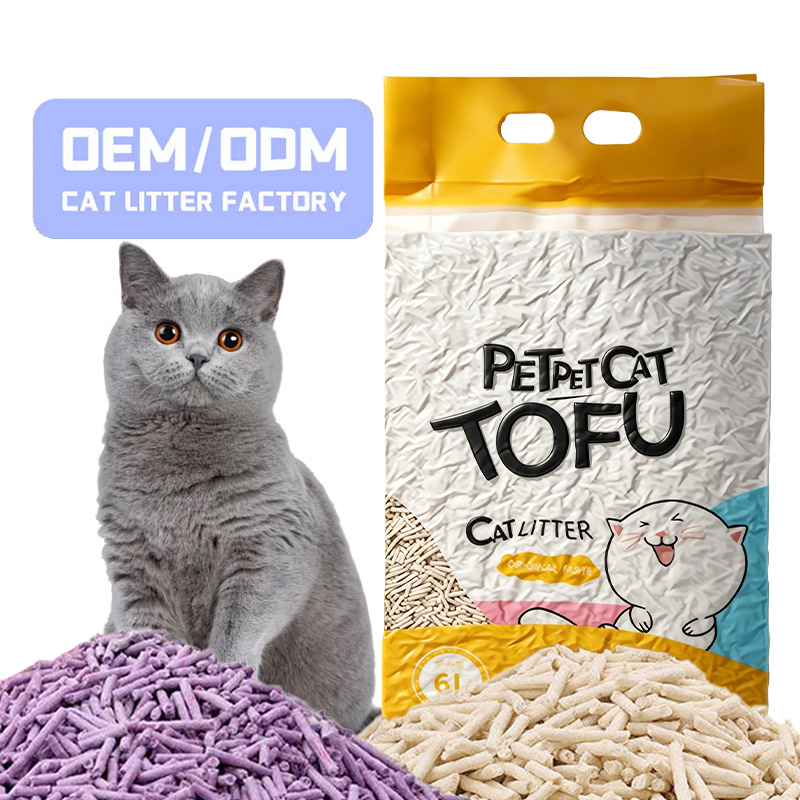
Activated Carbon Ball Clumping Tofu Cat Litter
High-iodine activated carbon micro-granules bonded inside botanical fibers neutralize ammonia vapor and thiol compounds on contact.
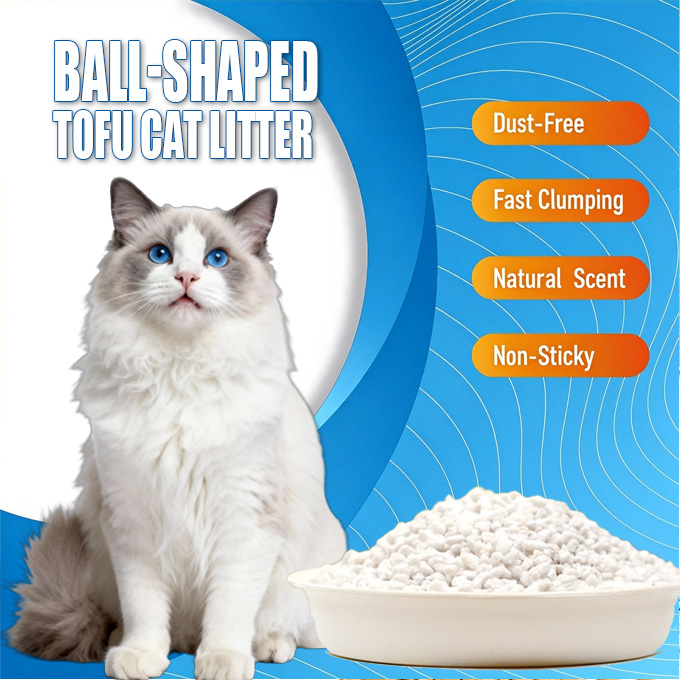
Factory-Direct Bulk Ball-Shaped Clumping Tofu Litter
Industrial super-sack and bulk FIBC packaging solutions ready for Midwest repackaging facilities and commercial pet facilities.
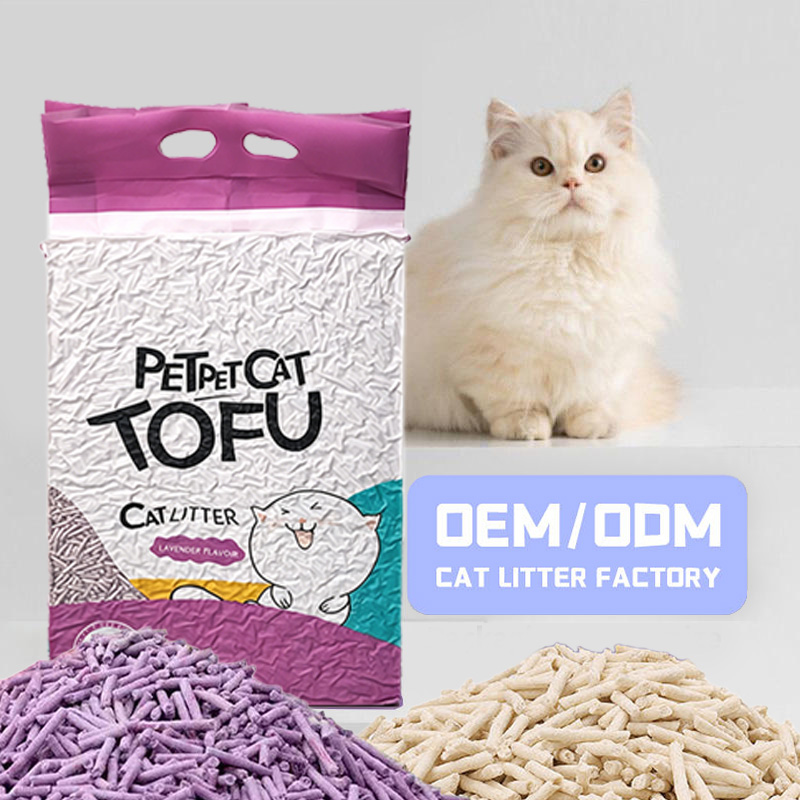
Aromatherapy Coffee Scent Fast-Clumping Tofu Litter
Repurposed coffee ground extract combined with biodegradable plant binders to release a warm natural aroma upon hydration.
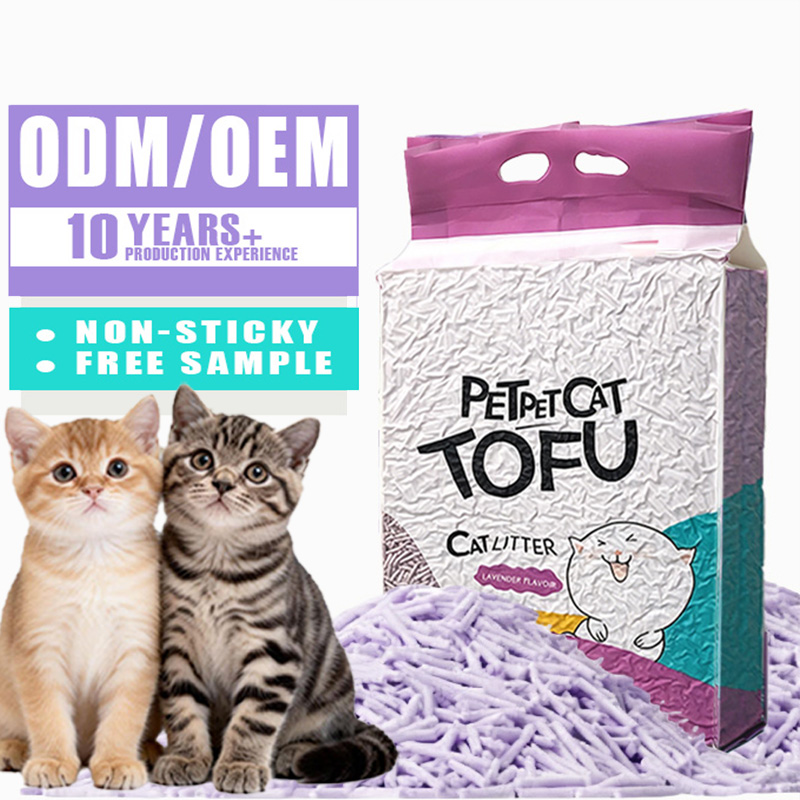
Deodorizing Washed Botanical Eco-Friendly Tofu Litter
Multi-washed starch extraction removes residual proteins to completely stop bacterial fermentation in damp indoor high-rise settings.
Localized Application Scenarios: Chicagoland Urban Density & Climate Adaptation
Sourcing cat litter for the Greater Chicago Metropolitan Area (spanning Cook, DuPage, Lake, and Will counties) requires a technical comprehension of the region's distinctive physical living spaces and climatic swings. Unlike sprawling sunbelt suburbs, Chicagoland pet ownership is heavily concentrated within high-density residential properties: vintage multi-story masonry greystones in neighborhoods like Lakeview, Lincoln Park, and Logan Square, alongside high-rise condominiums spanning the River North, Loop, and Streeterville corridors.
These environments impose rigorous architectural challenges on pet waste management. In multi-family residential towers, sealed HVAC building envelopes and forced-air circulation become conduits for airborne particulate migration. When conventional sodium bentonite clays generate secondary dust clouds during box maintenance, silica dust and micro-fines recirculate through air returns, aggravating both human allergies and feline respiratory systems (Feline Bronchial Disease). As an OEM manufacturer, our multi-stage negative-pressure cyclonic dedusting process strips airborne particulates down to under 0.1%, establishing a clean indoor air index essential for compact Chicago residences.
Furthermore, Midwestern continental winters introduce prolonged sub-zero temperatures (polar vortices) coupled with heavy radiator heating that drops indoor relative humidity below 25%. Under these hyper-dry indoor atmospheric conditions, traditional clay litter desiccates erratically, causing clumps to crack and fracture into brittle, odor-leaking fragments. Conversely, Chicago's lakefront summer season introduces intense humidity (>80% RH), creating a breeding ground for ammonia-producing bacteria. Our washed anti-fermentation botanical formulas and high-purity silica gel substrates maintain structural clumping integrity in desiccated winter air while actively locking vapor moisture and neutralizing microbial volatile organic compounds (mVOCs) during humid lakeside summers.
Loop High-Rise Sealed Living
Sealed architectural spaces demand near-zero airborne fines. Micro-screened crystals and dust-free botanical broken pellets safeguard forced-air HVAC returns from dust saturation.
Vintage Greystone Plumbing
Chicago's historic combined sewer infrastructure requires rapid-dissolving biodegradable binders. Our tofu formulations disperse in water under 15 seconds without pipe residue.
Extreme Continental Swings
Engineered moisture-holding capacities perform across 20% RH dry winter radiator environments and 85% RH humid Lake Michigan summer heat waves without clump degradation.
Midwest Retail Trends & Private Label Transformation
The pet specialty sector throughout Illinois and surrounding Midwestern distribution corridors is witnessing an unprecedented transition from unrefined mined minerals toward sustainable, functional, and health-diagnostic substrates. Large pet retail chains, regional supermarket brands (e.g., Jewel-Osco, Mariano's distribution suppliers), and digital-first D2C pet wellness brands based out of Chicago are actively shifting inventory allocations away from traditional 40-pound sodium bentonite clay bags. The drivers behind this transformation are rooted in both consumer behavior and logistical economics:
1. Ergonomic Weight Reductions in Multi-Story Walk-Ups: Carrying 30–40 lb clay bags up three flights of stairs in walk-up apartments creates friction for urban cat parents. Lightweight plant-fiber tofu litter (yielding bulk densities between 420–480 g/L) and silica crystals (400–450 g/L) offer equivalent volumetric absorbency at one-third the gross mass, allowing pet stores to charge premium retail prices per kilogram while reducing package weight.
2. Automated Self-Cleaning Litter Box Compatibility: Chicago millennials and busy urban professionals are adopting motorized self-cleaning litter boxes at the highest rate in the Midwest. Conventional rough bentonite clays often stick to rubber liners or create fine cement-like residues that jam mechanical rake mechanisms. Our engineered ball-shaped tofu pellets and uniform 1–3mm crushed plant granules flow through sifting drums smoothly without leaving residue on cleaning blades.
3. In-Home Preventive Health Telemetry: Chicago pet owners are increasingly investing in preventive veterinary wellness. Our proprietary Color Changing Silica and Tofu Litters integrate clinical-grade pH indicators. The substrate shifts from light yellow to blue or magenta when feline urine pH levels deviate from the safe 6.0–6.5 window (indicating potential FLUTD, struvite crystal formation, or metabolic acidosis). Importers leveraging this line capture high retail margins in independent pet boutiques, veterinary clinic retail displays, and specialized e-commerce subscriptions.
| Substrate Chemistry | Bulk Density | Ammonia Capture Mechanism | Dust Index | Target Chicago Distribution Channel |
|---|---|---|---|---|
| Broken Pea Fiber Tofu | 450 – 480 g/L | Ionic hydrogen cross-linking & starch encapsulation | < 0.1% (Cyclonic screened) | Independent pet boutiques, urban walk-up grocery, eco-retail |
| Silica Gel Crystals (1-8mm) | 410 – 440 g/L | Internal sub-nanometer capillary adsorption | < 0.05% (Zero clay dust) | High-rise condo pet supply, subscription delivery, modern D2C |
| Activated Carbon Tofu Ball | 460 – 490 g/L | Dual-action botanical absorption + porous carbon chemisorption | < 0.08% (Tumble polished) | Multi-cat apartments, closed-ventilation winter homes |
| pH Colorimetric Health Silica | 420 – 450 g/L | Rapid moisture absorption + urinary pH reagent reaction | < 0.05% (Dedusted) | Veterinary retail networks, premium clinical lines, e-commerce |
OEM/ODM Manufacturing Infrastructure & Transpacific Freight Engineering
Headquartered in Zhaoyuan, Shandong Province—the core manufacturing and raw material hub for mineral and agricultural derivatives in Northern China—Yantai Jaskin Pet Products Co., Ltd. operates an integrated industrial manufacturing model verified on-site by Intertek. By pairing deep manufacturing capabilities with dedicated export supply chain logistics, we eliminate multi-tier broker markups, giving Chicago importers direct factory pricing, bespoke formula engineering, and dependable containerized logistics.
Our plant features automated raw material silos, precision screw extruders, secondary low-temperature microwave moisture desiccation channels (keeping finished botanical moisture below 8.5% to stop mold development during humid ocean voyages), and automated form-fill-seal packaging equipment. Whether your brand requires 2.5 kg vacuum-sealed stand-up pouches with custom matte soft-touch laminates, 10-liter multi-wall craft paper valve bags with custom-printed side gussets, or 1-ton FIBC bulk super-sacks for local repackaging plants in Illinois, our automated lines guarantee consistent seal integrity, barcoding compliance, and UPC/EAN retail readiness.
Complete factory verification covers raw material assay validation, finished batch tensile testing, and chemical safety documentation for global compliance.
Containers discharge via Pacific Northwest (Seattle/Tacoma) or LA/Long Beach ports, seamlessly routing via BNSF/Union Pacific direct to Chicago intermodal ramps.
Tailor pellet diameter (1.5mm, 2.0mm, 3.0mm), clumping response velocity, customized natural colorings, and proprietary botanical fragrances.
Triple-laminated vacuum barriers and heavy container desiccant arrays guard product integrity across trans-oceanic humidity fluctuations.
Frequently Asked Questions for Chicago & Midwest Sourcing Teams
Full Container Loads (FCL: 20GP, 40GP, 40HQ) depart from Qingdao Port (the principal maritime hub serving our Shandong manufacturing plant). To reach Chicago, the most reliable routing is an intermodal bridge: ocean transit to West Coast terminals (Prince Rupert, Tacoma, or Los Angeles), followed by expedited rail transit via BNSF or Union Pacific directly to Chicago-area rail hubs (such as Logistics Park Chicago in Elwood, IL, or UP Global IV in Joliet). Total door-to-ramp transit duration typically ranges between 18 to 24 days. We support trade terms including FOB (Qingdao), CIF (Chicago inland port ramp), and DDP (direct delivery to your designated distribution warehouse across Cook, Will, or surrounding counties).
Ocean containers crossing dynamic North Pacific trade lanes undergo temperature variations that can generate internal container condensation ("container rain"). To safeguard organic pea-fiber substrates, we subject all tofu litter batches to secondary dehumidification, maintaining internal moisture content strictly between 7.5% and 8.5%. The product is immediately sealed in vacuum-rated multi-layer co-extruded plastic bags, which protect against ambient vapor intrusion. Inside the container, we install commercial desiccants along ceiling corners and line cargo floors with heavy kraft vapor barriers to insulate pallets against moisture ingress, ensuring your inventory arrives crisp and completely clump-ready during Midwest winter freezes.
Our factory provides flexible MOQ thresholds designed to help both emerging independent brands and established retailers scale efficiently. For customized printed packaging (such as custom rotogravure or digital plate printing with your logo, typography, and UPC barcodes), the minimum entry run typically starts around 1,000 to 2,000 kg for tofu formulations, or one 20-foot container (approx. 11–13 metric tons, depending on bag volumetric density). For standard stock packaging or pilot brand testing, trial sample orders of 500 kg can be accommodated. We also offer multi-SKU container consolidations, allowing you to blend silica crystal, botanical tofu, and activated carbon formulas within a single 40HQ container.
Yes. Our botanical cat litter lines are synthesized strictly from food-grade pea fiber, non-GMO corn starch, edible guar gum binders, and food-grade mineral colorants. They contain no synthetic chemical additives, formaldehyde, or respirable crystalline silica (which triggers OSHA and California Proposition 65 labeling requirements). The formulations comply with FTC environmental labeling guidelines for biodegradability and qualify under compostable material parameters. Our factory maintains active third-party safety inspection dossiers, Intertek on-site audit documentation, and comprehensive batch test certifications for non-toxicity, heavy metals absence, and microbial stability.
Yes. Our in-house research laboratory specializes in bespoke OEM/ODM formulation matching. Importers frequently supply benchmark commercial samples from competitive Midwest market leaders. Our analytical team deconstructs the particle bulk density, pore sizing, hydration retention rates, and fragrance retention profiles. We can recreate or enhance the baseline formula—adjusting pellet diameter (e.g., micro 1.5mm pellets for soft feline paw feel vs. 3.0mm for high-retention automated trays) and optimizing binder ratios to achieve clump solidification within 3 seconds of contact.