Engineered Cat Litter Formulations Recommended for Puebla Importers
From raw volcanic mineral ore extraction to micro-pelletized plant substrates, explore our factory-certified product portfolio configured for high altitude desiccating performance and retail private-label packaging.
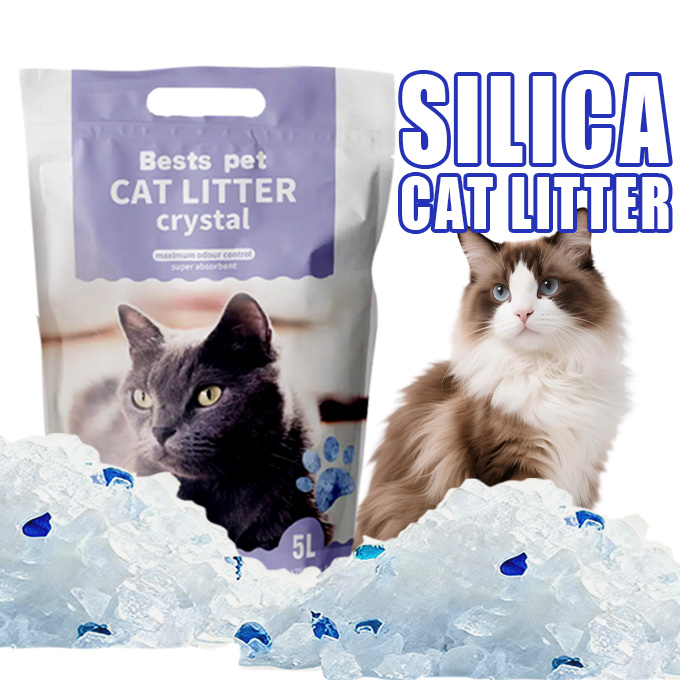
Lavender Colorful Low Dust OEM Highly Absorbent Health Care Monitoring Silica Gel Cat Litter
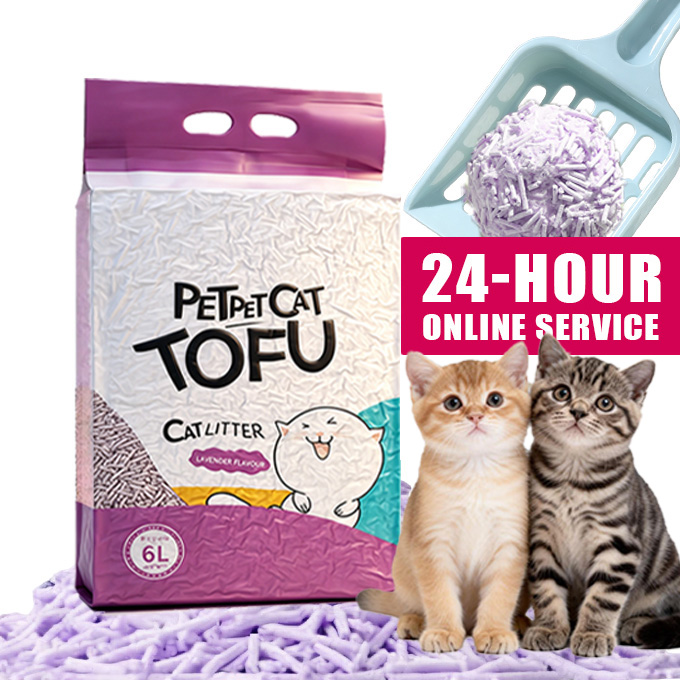
6L Free Sample Easy Scooping Ultra Clumping Cat Litter Wholesale 1.5mm-3mm Pure Tofu Cat Litter
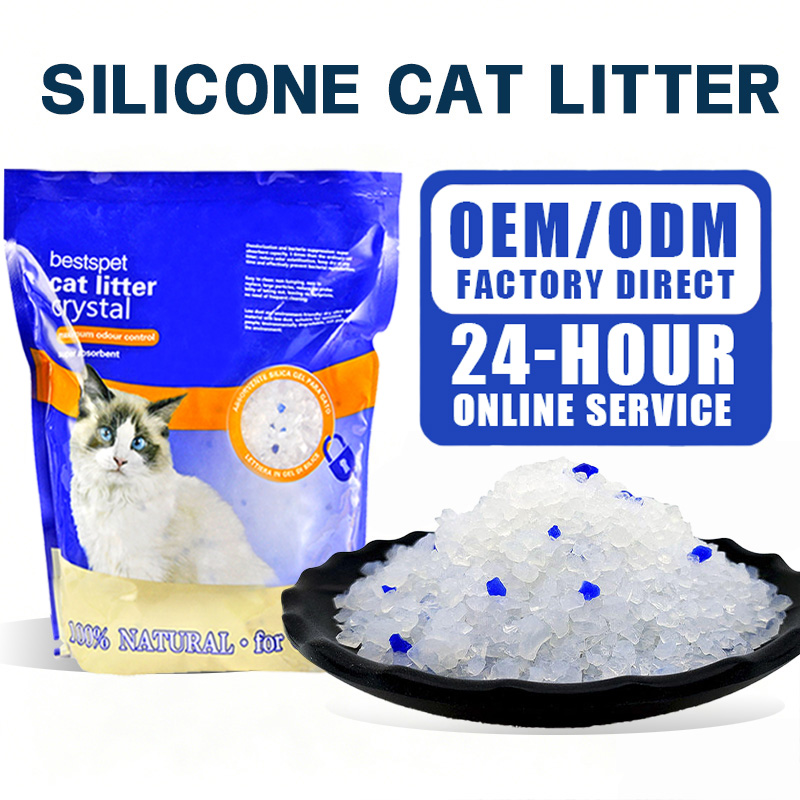
Low Price Sale Well Low Dust OEM Highly Absorbent Health Care Monitoring Silica Gel Cat Litter
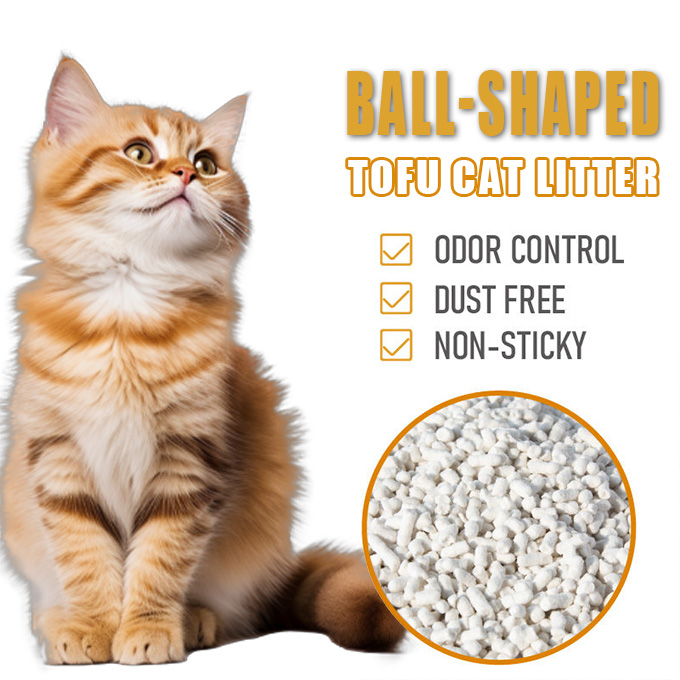
Colorful Ball Easy Scooping Clumping Cat Litter Wholesale 100% Pure Ball Shaped Tofu Cat Litter
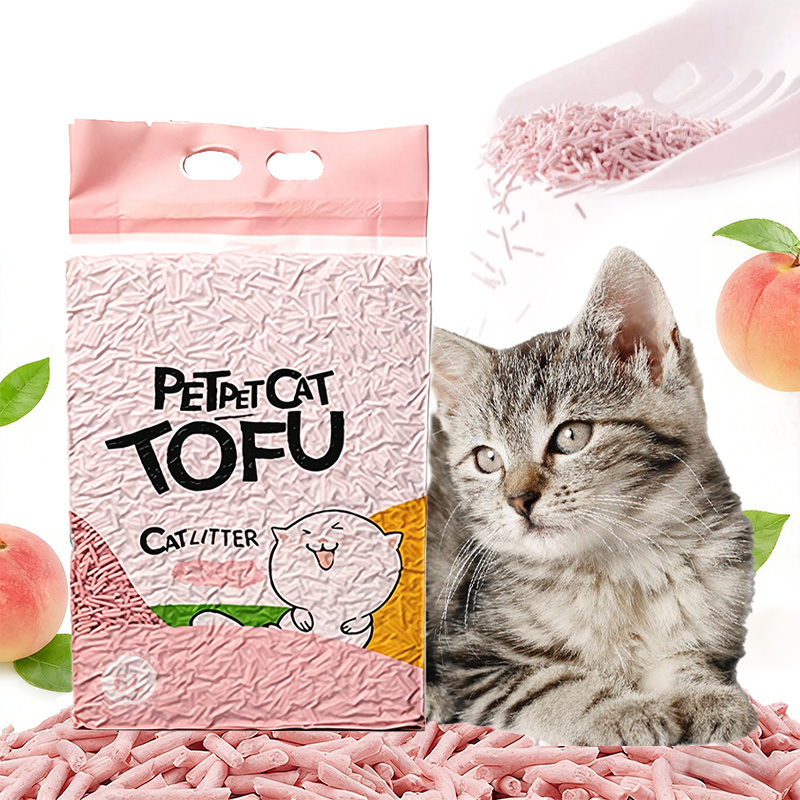
Accept ODM and OEM Easy Scooping Clumping Cat Litter Wholesale Dust Free Vacuum Package Tofu Litter
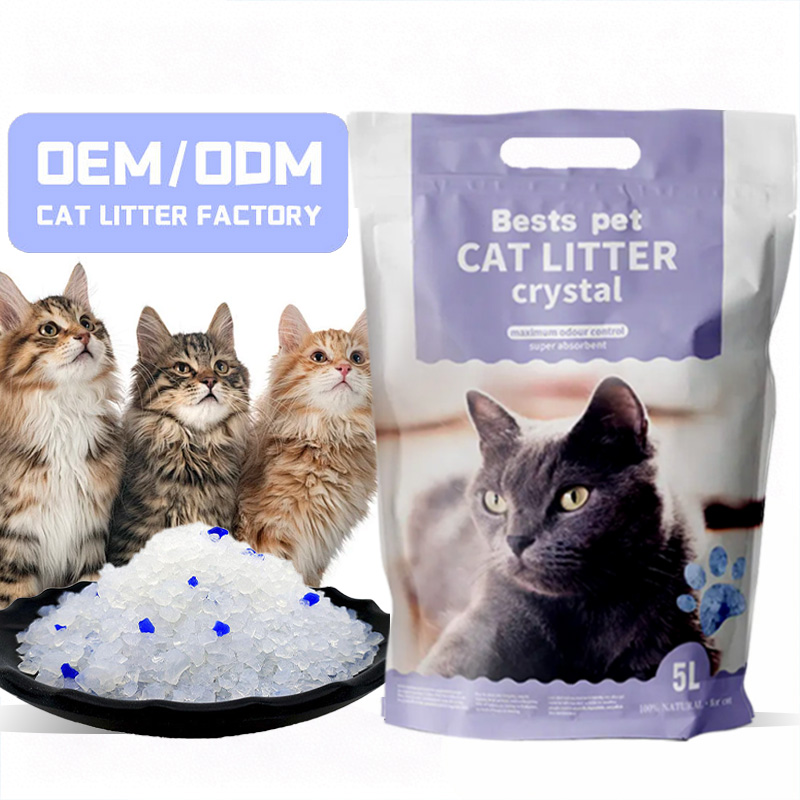
Green and Blue Natural Environmentally Friendly Highly Absorbent Color Crystal Silica Gel Cat Litter
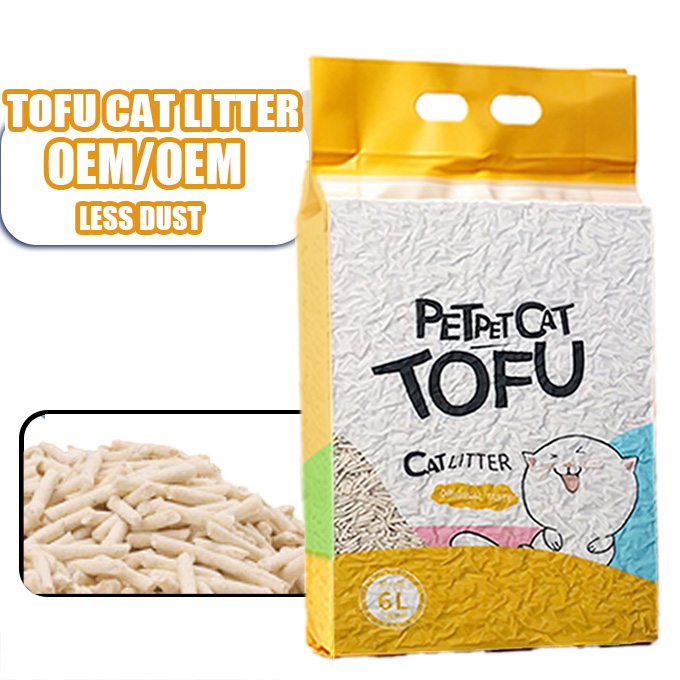
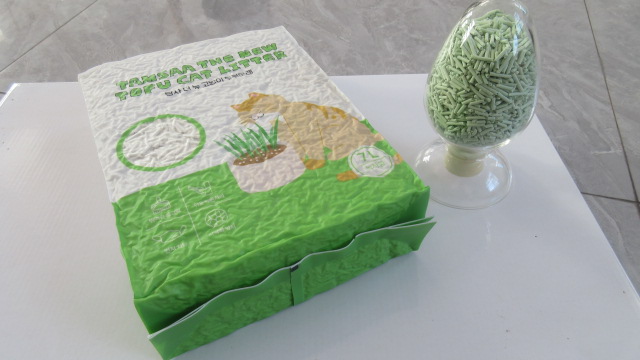
Crush White Tofu Cat Litter Natural Plant Material Fast Clumping Flushable OEM Bulk 1kg/5kg
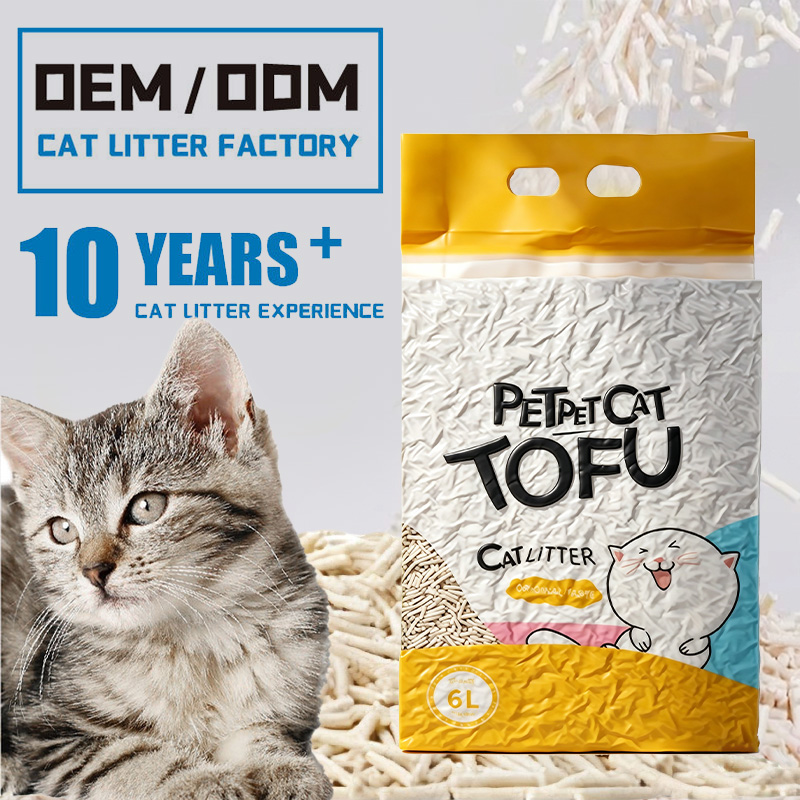
Custom LOGO Disinfect Odor Control Biodegradable Fast Clumping Dust Free Premium Tofu Cat Litter
Natural Clay Pet Hygiene in the Valley of Puebla: Environmental, Climatic & Urban Dynamics
An engineering breakdown for pet product distributors, wholesale importers, and private-label brand owners operating throughout Puebla, San Andrés Cholula, and the greater Central Mexican plateau.
1. The Geographical and Climatic Reality of the Puebla Metropolitan Zone
The Metropolitan Area of Puebla-Tlaxcala represents the fourth largest urban agglomeration in Mexico, characterized by an average elevation of 2,135 meters (7,005 feet) above sea level in the Cuetlaxcoapan basin. This unique highland subtropical climate (Köppen classification: Cwb) presents distinct meteorological parameters that directly impact animal substrate behavior and feline respiratory hygiene.
With relative air humidity oscillating drastically between the hyper-arid winter/spring dry period (March to May) and intense summer convective rains (June to October), commercial cat litters distributed in Puebla face severe physical stresses. During the dry season, low relative atmospheric humidity causes inferior calcium bentonites and poorly screened clays to desiccate prematurely, fragmenting into micro-particulates below 10 microns in aerodynamic diameter (PM10 and PM2.5). Furthermore, ambient volcanic particulate matter stemming from the active Popocatépetl stratovolcano intermittently elevates airborne ash concentrations across Angelópolis, San Pedro Cholula, and Cuautlancingo. In these environmental conditions, high-dust cat litter triggers acute feline asthma, upper airway mucosal inflammation, and owner dissatisfaction.
Engineering Imperative for Central Mexico: Natural clay cat litter destined for the Puebla market must undergo multi-stage electrostatic and cyclone negative-pressure de-dusting to achieve dust rates below 0.2%. High sodium bentonites with naturally bound laminar water layers resist micro-cracking and fragmentation even under extreme high-altitude humidity swings.
2. Urban Living and High-Density Housing in Puebla's Modern Developments
The rapid real estate expansion of vertical residential developments throughout the Angelópolis commercial corridor, Sonata Town Center, San Andrés Cholula, and Zavaleta has precipitated a fundamental shift in Mexican companion animal care. Urban cat owners reside predominantly in multi-story apartments where litter boxes are placed in confined spaces—typically secondary bathrooms, closed laundry alcoves (cuartos de lavado), or balcony enclosures.
Under these restricted ventilation parameters, volatile organic compounds (VOCs) and gaseous ammonia (NH3) liberated by the enzymatic hydrolysis of feline urea concentrate rapidly. Natural calcium clays without chemical modifications fail to bind ammonia molecules effectively. In contrast, Yantai Jaskin's natural montmorillonite clay litter leverages a crystal lattice rich in exchangeable interlayer cations (Na+, Ca2+, Mg2+), delivering an organic Cation Exchange Capacity (CEC) of over 75 meq/100g. This molecular sieve traps ammonium ions instantly upon hydration, preventing gaseous off-gassing without relying on synthetic heavy perfumes that can repel discerning domestic felines.
3. Overland Transit Logistics: Port of Veracruz to Puebla Industrial Corridors
For Mexican trade importers, Puebla occupies an unrivaled strategic position along the premier eastern logistics corridor of Mexico. Situated along Federal Highway 150D (Autopista México–Veracruz), Puebla acts as the immediate inland receiving terminal for maritime container shipping disembarked at the Port of Veracruz (Heroica Veracruz).
Containerized cargo loaded at our Yantai or Qingdao export terminals transit via major trans-Pacific and canal routing into Veracruz with standard maritime schedules of 18 to 25 days. Upon customs clearance through the Veracruz maritime aduana, container drayage to the primary industrial parks of Puebla—including Parque Industrial 2000, Parque Industrial Chachapa, and Parque Industrial Puebla 2000—requires a brief 280-kilometer road transit (approximately 3.5 to 4.5 hours of transit time). This proximity dramatically lowers inland intermodal freight expenses compared to delivery into Mexico City (CDMX) or Guadalajara, positioning Puebla-based distributors as high-margin regional supply hubs for Tlaxcala, Veracruz, Oaxaca, and southern CDMX.
| Performance Parameter | Jaskin Natural Clay (Sodium Bentonite) | Standard Local Mexican Clays | Imported Silica Crystal | Biodegradable Tofu Pellet |
|---|---|---|---|---|
| Clumping Speed & Hardness | ≤ 2.5 Sec / Solid Compact | > 8 Sec / Friable & Crumbly | Non-Clumping (Liquid Absorbent) | ≤ 3.0 Sec / Elastic Clump |
| Cation Exchange Capacity (CEC) | 75 - 90 meq/100g | 35 - 50 meq/100g | N/A (Physical Porosity) | N/A (Micro-Capillary Action) |
| Airborne Dust Rate (<10μm) | < 0.15% (Electrostatic Wash) | 1.8% - 3.5% (High Slag) | < 0.05% (Virtually Zero) | < 0.3% (Clean Granule) |
| Odor Trap Mechanism | Molecular Sieve + Layer Trapping | Surface Masking (Fragrance) | Silica Pores (Internal Cavity) | Botanical Starch Neutralization |
| Container Payload (20ft FCL) | Up to 26 - 27 Metric Tons | Domestic Road Freight Only | 12 - 14 Metric Tons | 18 - 20 Metric Tons |
| Puebla Retail Channel Fit | Mass Retail, Supermarkets, Club Stores | Low-End Traditional Tienditas | Veterinary Clinics & Boutiques | Eco Pet Shops & Pet E-Commerce |
Commercial Development Trends in the Central Mexican Pet Hygiene Sector
Understanding buyer demographics, retail distribution channels, and packaging shifts driving sales volume across the state of Puebla.
The "Pet Humanization" Boom in Central Mexico
The demographic transformation of Puebla's middle-to-high income households—concentrated in districts like La Paz, Las Ánimas, and Lomas de Angelópolis—has accelerated the 'perrhijo' and 'gatihijo' trend. Millennial and Gen-Z pet parents spend up to 28% more per animal on hygiene products that offer guaranteed hypoallergenic, low-tracking, and antibacterial protection.
Supermarket Chains vs. Specialized Veterinaria
Regional distribution across Puebla bifurcates cleanly: Hypermarket chains (La Comer, Chedraui Selecto, Walmart de México, and Bodega Aurrera) dominate standard 4.5kg and 10kg natural clay bentonite lines, while specialized veterinary networks and groomers seek differentiated mineral blends enriched with activated charcoal and health indicators.
Packaging Formats: BOPP Lamination & Handles
Due to the humid summer rainy season in Puebla, non-laminated paper packaging risks ambient moisture absorption in warehouses. The predominant market requirement is durable biaxially oriented polypropylene (BOPP) gloss or matte laminated bags with reinforced tri-fold plastic carrying handles, leak-tight side gussets, and Spanish-language NOM compliant artwork.
Frequently Asked Questions for Mexican Importers Sourcing Factory-Direct
Answers to essential questions on Mexican trade compliance, NOM regulations, maritime container capacity, custom packaging, and factory audit verification.
What is the standard HS code and tariff classification for importing natural clay cat litter into Mexico?
Natural clay cat litter formulated from sodium bentonite is generally imported under HS Code 2508.10.00 (Bentonite) or under chemical classification 2507.00 (Kaolin and other kaolinic clays). In Mexico, importation under this classification is typically subject to standard IGI (Impuesto General de Importación) ranging from 0% to 5% plus 16% IVA (Impuesto al Valor Agregado), alongside custom broker fees. Importers must hold an active Padrón de Importadores with the SAT.
Are custom branded packages compliant with Mexican labeling standard NOM-050-SCFI-2004?
Yes. Yantai Jaskin Pet Products Co., Ltd. provides full in-house packaging prepress adaptation. We configure your artwork to satisfy all mandatory Mexican commercial guidelines (NOM-050-SCFI-2004), including Spanish declarations of contents, raw ingredient specifications, country of origin (Hecho en China), importer identification (RFC, address), instructions for use, and sanitary disposal warnings.
What is the maximum container payload efficiency for 20-foot and 40-foot ocean containers?
Because mineral clay is a high-density, heavy-weight cargo, the optimal freight mode is 20ft GP (General Purpose) containers. In accordance with maritime line allowances and Mexican highway weight limits (NOM-012-SCT-2-2017), we routinely load between 25.0 to 26.5 Metric Tons per 20ft container using slip-sheets or shrink-wrapped wooden pallets. For lightweight tofu or silica litters, 40ft HQ containers are recommended.
How does the factory prevent moisture ingress during trans-Pacific sea transit to Veracruz?
Ocean transit from East Asian ports across the Pacific and through the Panama Canal exposes shipping containers to dramatic temperature variations and ocean sweat (container rain). We mitigate this via multilayer moisture-barrier BOPP/PE composite packaging film, industrial container desiccant dry-strips suspended within the container corrugated flutes, and plastic pallet top-wrapping.
What are the minimum order quantities (MOQ) and production lead times for private label production?
For custom-printed private label bags, our standard starting point is 1x 20ft Full Container Load (approx. 25 tons), which can be split across up to two scent formulations (e.g., Natural Unscented and French Lavender). Repeat reorders from existing gravure printing cylinders feature a rapid production lead time of 10 to 14 days from factory floor to container departure.
What international payment and incoterms are accepted for Mexican corporate buyers?
We support standard international commerce terms including FOB (Qingdao/Yantai Port), CIF / CFR (Port of Veracruz or Manzanillo), and DDP (Delivered Duty Paid) through certified Mexican customs clearance agents. Payments are handled via Wire Transfer (T/T with 30% advance, balance against Bill of Lading copy) or through Irrevocable Letters of Credit (L/C at sight) in USD currency.
Yantai Jaskin Pet Products Co., Ltd.
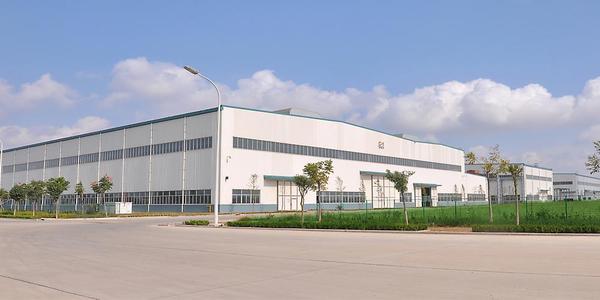
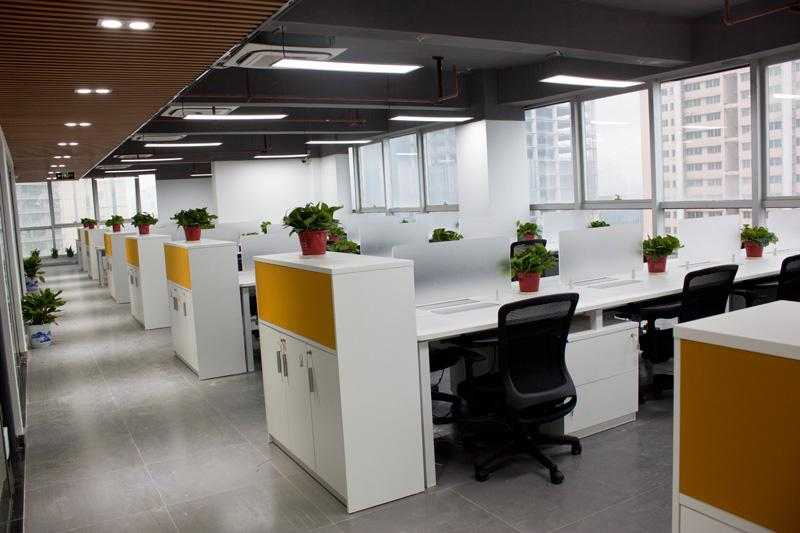
Founded in 2020 in Zhaoyuan, Shandong Province—one of China’s preeminent mineral processing centers—Yantai Jaskin operates an Intertek-verified production facility. We integrate raw ore processing, granulation, de-dusting, and automated vacuum packaging under strict laboratory protocol to supply top pet hygiene brands globally.
Accelerate Your Cat Litter Distribution in Puebla & Central Mexico
Connect directly with our engineering and international export team. We provide tailored cost models, container utilization calculations, and custom OEM packaging prototypes for high-volume pet brands and retail distributors.