Engineered Tofu & Natural Cat Litters for Zurich Importers
Direct manufacturing formulations engineered with 100% human food-grade bean dregs, pea fiber, and modified starches. Tailored for Swiss multi-family residential zoning and hyper-sensitive domestic feline breathing passages.
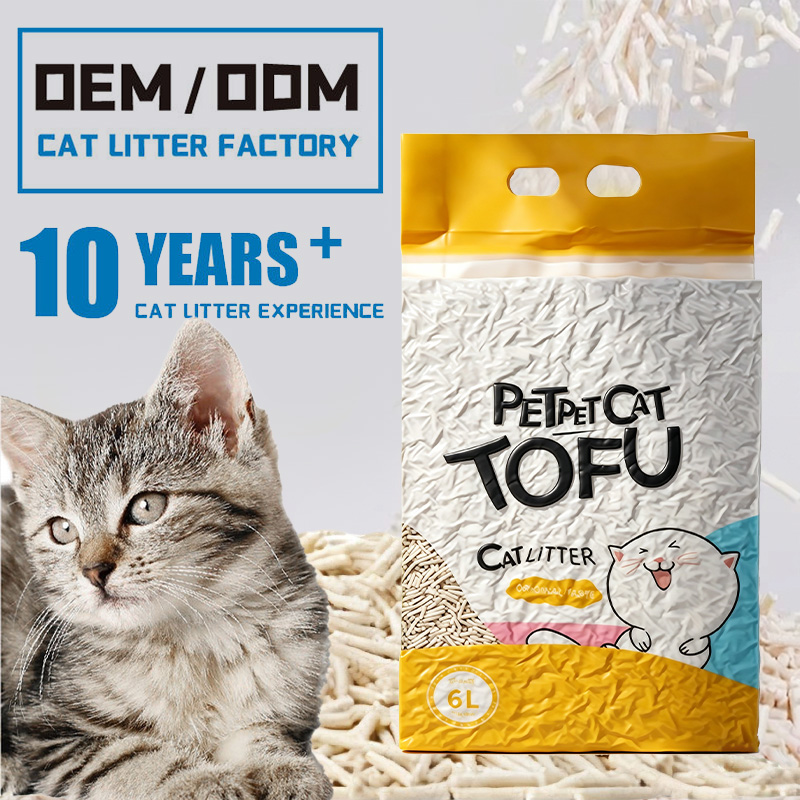
Custom LOGO Disinfect Odor Control Original Biodegradable Fast Clumping Dust Free Premium Tofu Cat Litter
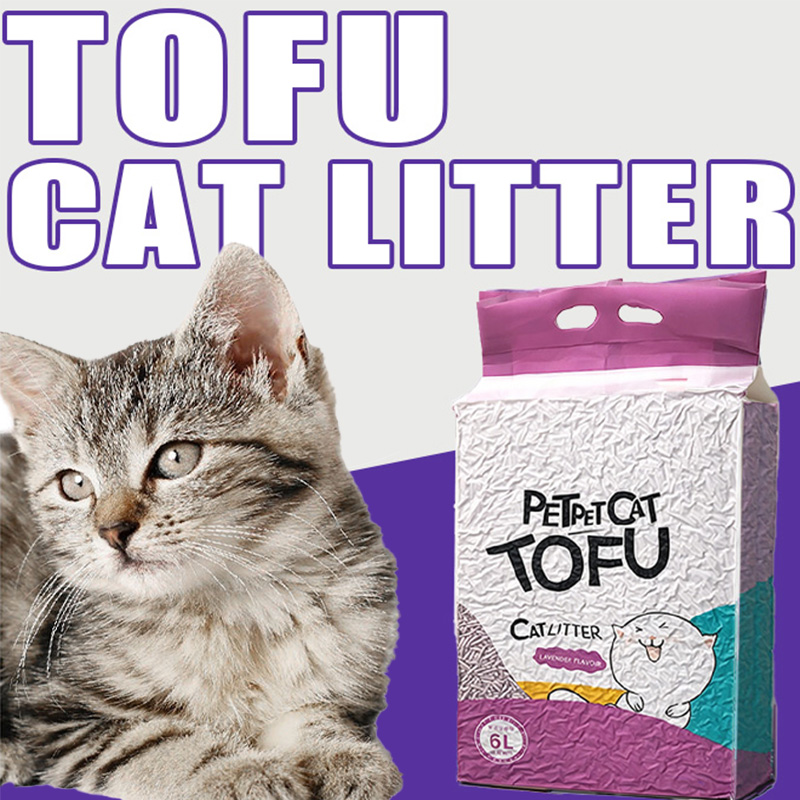
Stand up Bag Package Food Original Biodegradable Coffee Scent Dust Free Premium Plant Eco Clean Tofu Cat Litter
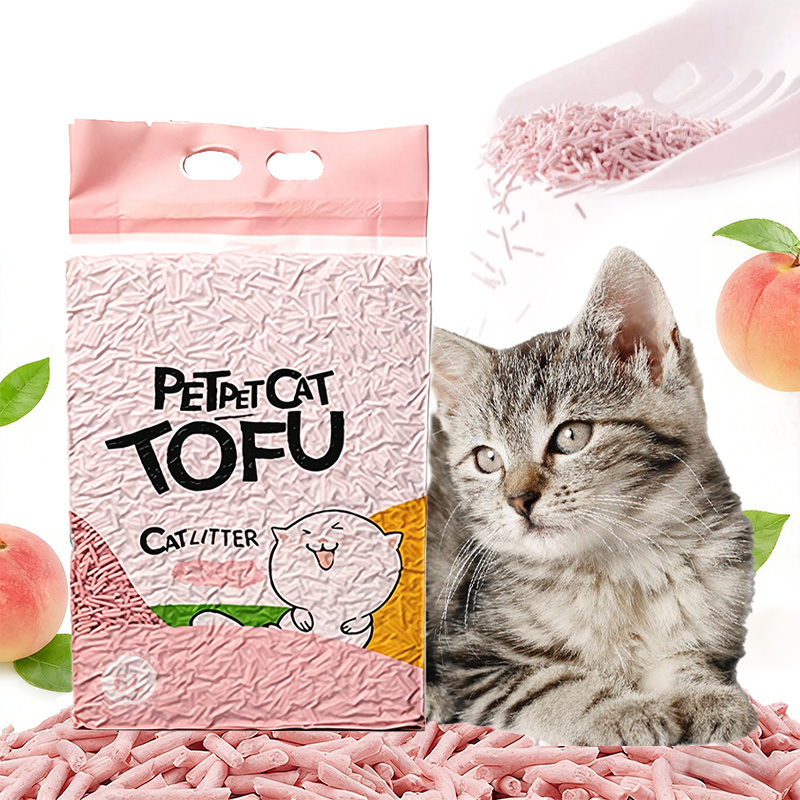
Accept ODM and OEM Easy Scooping Free Sample Dust Free Vacuum Package Tofu Cat Litter
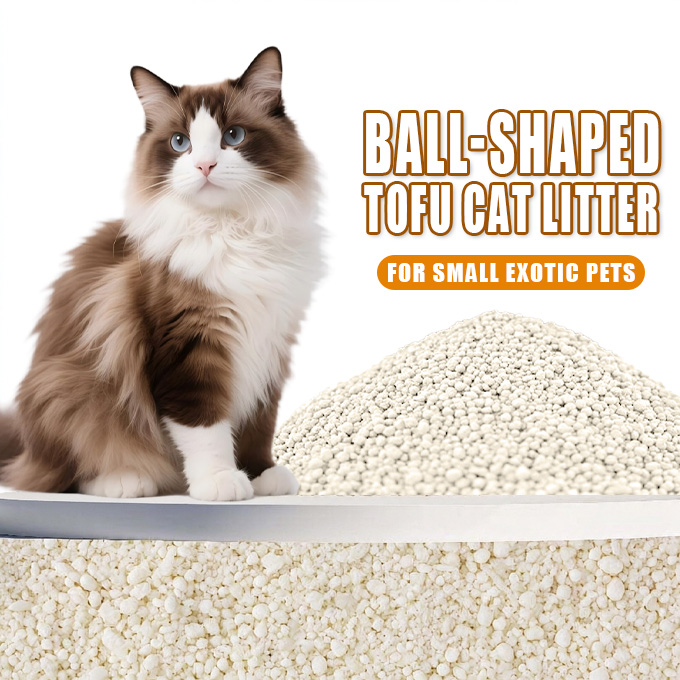
Formula Natural Colourful Original Biodegradable Ball Shaped Fast Clumping Dust Free Tofu Cat Litter
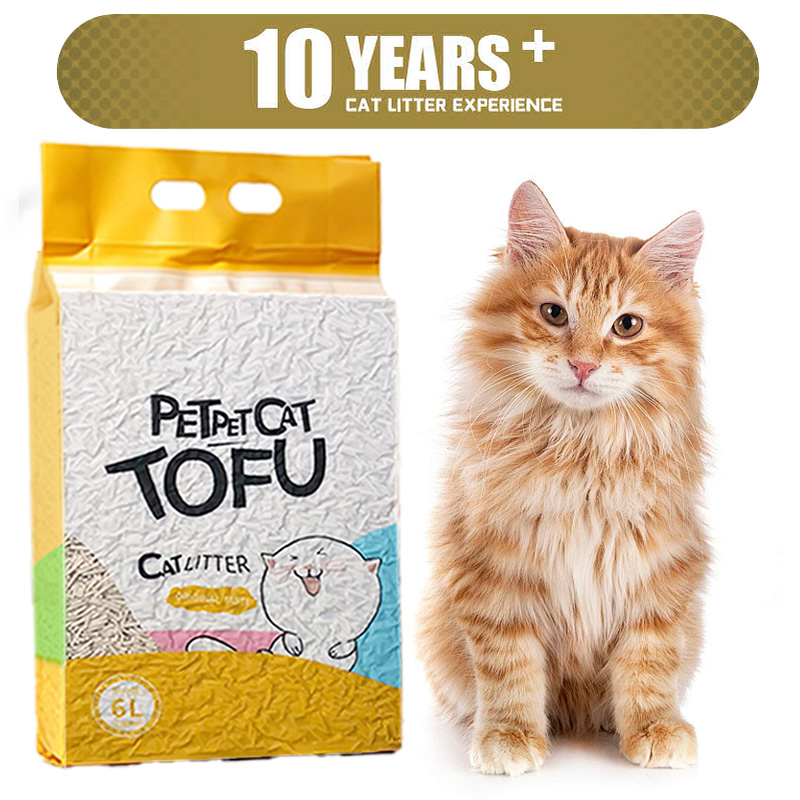
Sustainable High Clumping Crush Factory OEM Bulk Flushable Broken Tofu Cat Sand Blue Color
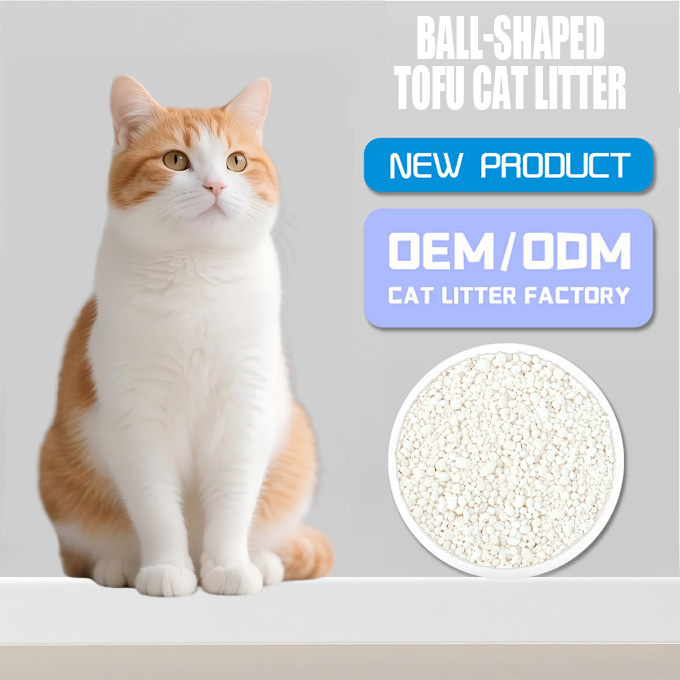
High Clumping Crush Factory OEM Bulk Flushable Clumping Broken Tofu Cat Sand Industrial Supply
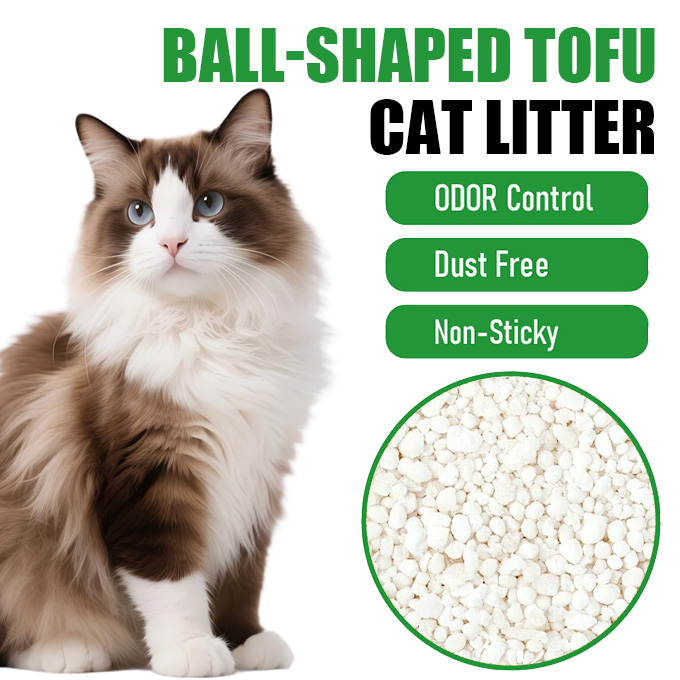
Fast Clumping Dust Free Supplier Wholesale Ball Shaped Plant Tofu Cat Litter
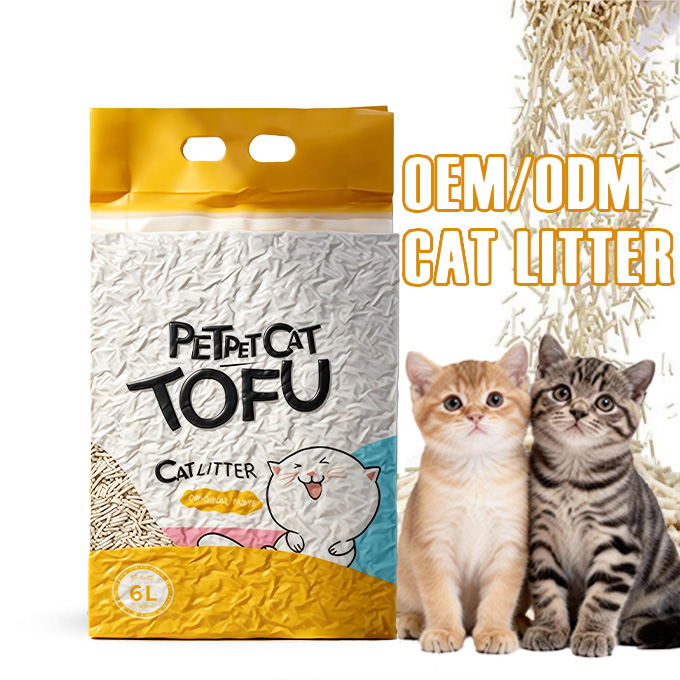
Disinfect Odor Control Original Biodegradable Fast Clumping Coffee Scent Dust Free Premium Tofu Litter
Urban Application Scenarios Across the Canton of Zurich
Exporting to Switzerland requires structural compatibility with urban waste directives, rigorous indoor air circulation mandates, and high consumer expectations in high-density Swiss housing.
High-Rise Apartments (Kreis 4, 5, Zurich-West)
In modern Swiss flats with centralized mechanical ventilation (Minergie standards), traditional clay cat litter releases micro-dust particles that choke air exchangers and trigger pet-owner allergies. Our plant-derived tofu litter is subjected to 9-stage cyclonic dust aspiration, maintaining an atmospheric particulate index near absolute zero.
Zurich Municipal Waste & Züri-Sack Alignment
Switzerland enforces strict volume-taxed waste management via the official Züri-Sack system. Bulky, heavyweight bentonite litter excessively drives up consumer disposal tax. Our ultra-compressed pea fiber formulas weigh 60% less per liter and can be biologically incinerated in municipal waste-to-energy plants with neutral carbon footprinting.
Airtight Winter Odor Sequestration
During cold Swiss alpine winters, residential window opening is minimized to conserve thermal energy. Our tofu pellets feature an active cellular sponge microstructure bonded with modified starches that trap free ammonia (NH3) within 1.5 seconds, preventing indoor gaseous build-up without artificial synthetic perfumery.
Swiss Pet Supply Market Trends & Material Dynamics (2025–2030)
1. The Transition from Sodium Bentonite to Renewable Plant Matrices
For decades, European distribution channels relied heavily on sodium bentonite strip-mined in North America or Turkey. However, retail chains across the DACH region (Germany, Austria, Switzerland), including pet leaders operating throughout Zurich, Winterthur, and Uster, face rising consumer pushback against non-biodegradable strip-mined minerals. Plant-based substrates (primarily soybean curd residues and food-grade pea fibers) have transitioned from a niche premium category into a dominant volume driver.
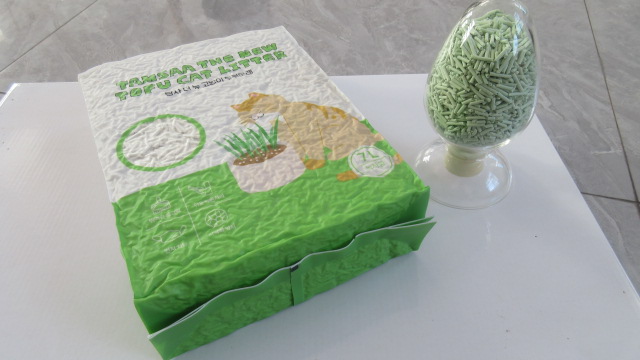
By engineering uniform cylindrical (1.5mm to 2.0mm) and crushed micro-granule profiles, our plant-based substrate delivers water absorption capacities exceeding 600% by dry weight. This exceeds standard bentonite (typically 200–300%) while avoiding deep quarry environmental liabilities, positioning Swiss importers squarely ahead of emerging carbon taxation regimes.
Capillary moisture absorption measured via DIN standard immersion testing.
Rapid liquid lock prevents urine from saturating the base of the litter box.
Quadruple screening ensures optimal respiratory protection for felines.
2. Packaging Compliance: Circularity, Vacuum Stability, and Storage Integrity
Swiss retailers demand immaculate shelf presentation and compact logistic footprints. When shipping high-density plant litters across 35-to-45-day maritime and intermodal routes (via Rotterdam/Antwerp or Mediterranean ports directly connecting to Zurich distribution yards), ambient moisture and maritime relative humidity pose significant fungal risks if production drying is poorly executed.
At Yantai Jaskin, we maintain an in-line microwave sterilization and drying process that controls core product moisture strictly between 7% and 8.5%. Packaged in vacuum-sealed multi-layer EVOH barrier bags or recyclable stand-up pouches, the product arrives in Switzerland structurally intact, free of dust breakage caused by freight friction, and chemically inert for up to 24 months in unheated warehousing.
Verified Manufacturing Infrastructure & Rigorous Quality Control
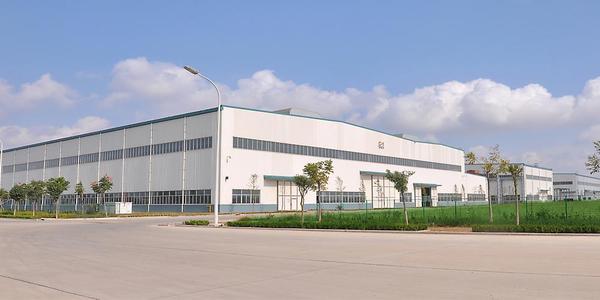
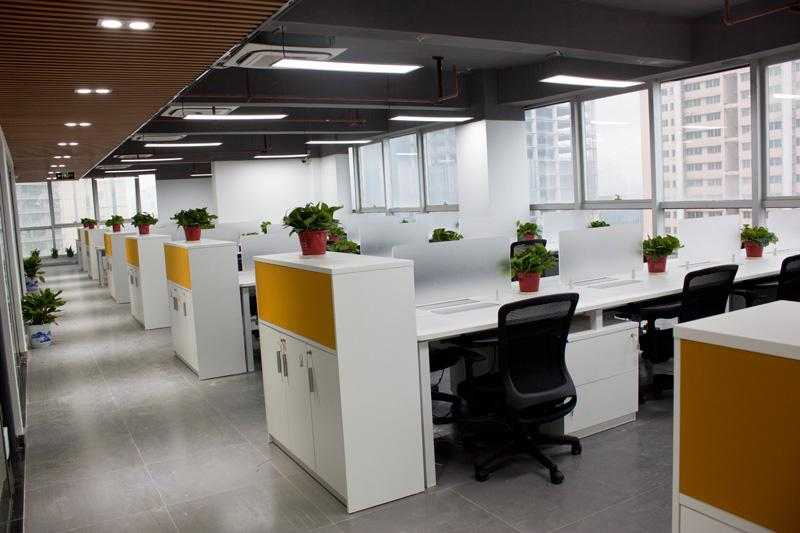
Yantai Jaskin Pet Products Co., Ltd. combines an Intertek-audited Shandong manufacturing base with high-standard export processes tailored for international retail and private label brands.
Intertek Onsite Assessed Facility
Our 2,600 m² clean workshop in Zhaoyuan, Shandong operates in full compliance with audited supplier assessment procedures, complete with dedicated raw material testing instrumentation and comprehensive batch traceability protocols.
Turnkey OEM / ODM Customization
Full design-based customization for brand owners in Switzerland: pellet diameter (1.5mm, 2.0mm, 3.0mm, crushed), custom natural fragrance formulations (unscented, green tea, coffee, lavender), and customized buyer brand retail packaging.
Multi-Modal Delivery to Zurich
Decades of logistics know-how supporting FOB, CFR, CIF, DDU, and DDP freight terms. Our specialized container loading techniques maximize space utilization up to 26–27 tons per 40HQ container, driving down unit shipping costs to Europe.
Frequently Asked Questions by Swiss Buyers & Importers
Direct answers regarding custom packaging, import tariffs, batch certifications, and logistics coordination into Switzerland.