Export-Ready Formulations & Premium Cat Litter Assortment
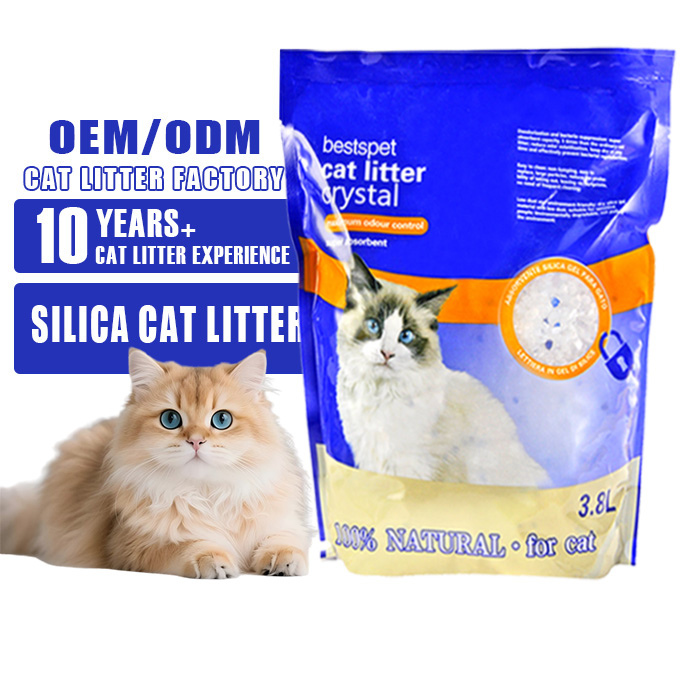
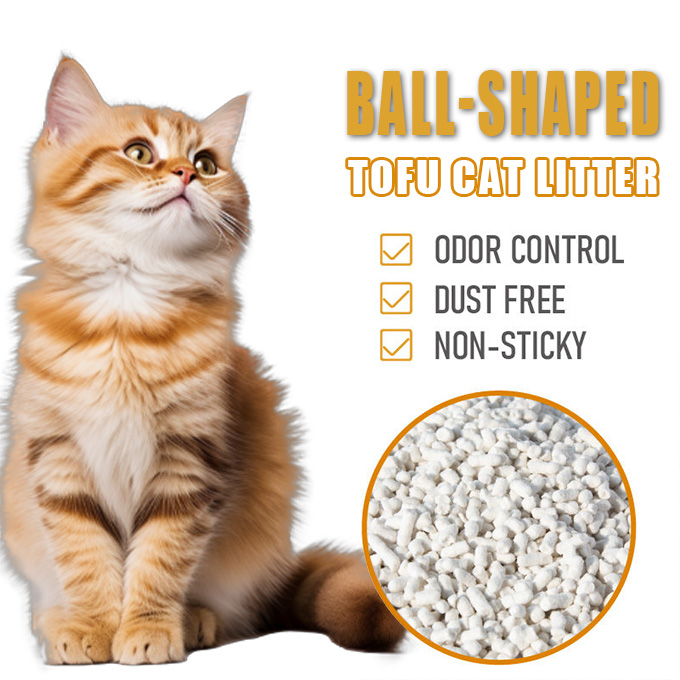
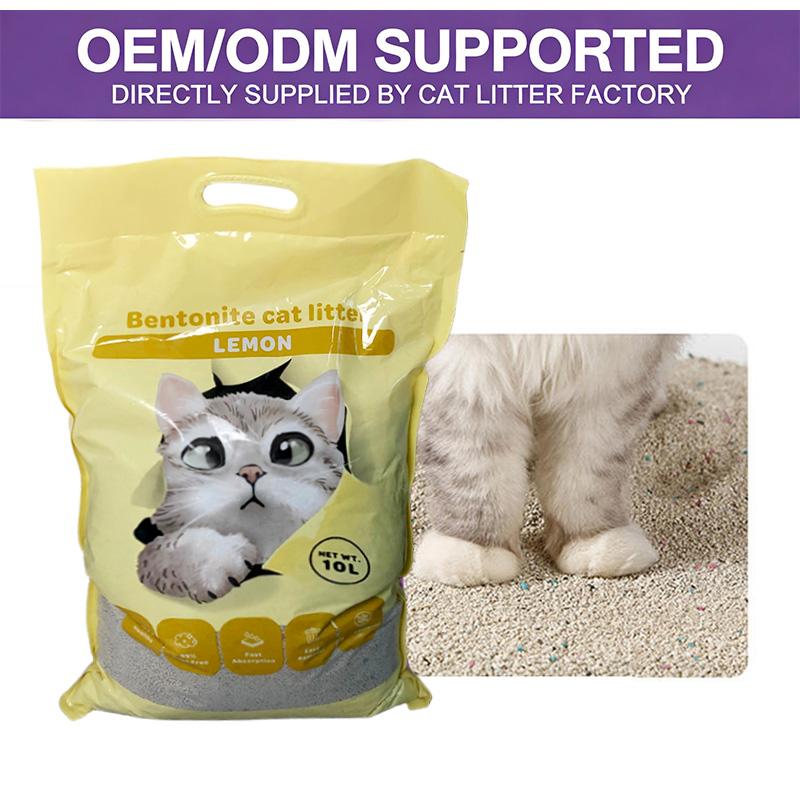
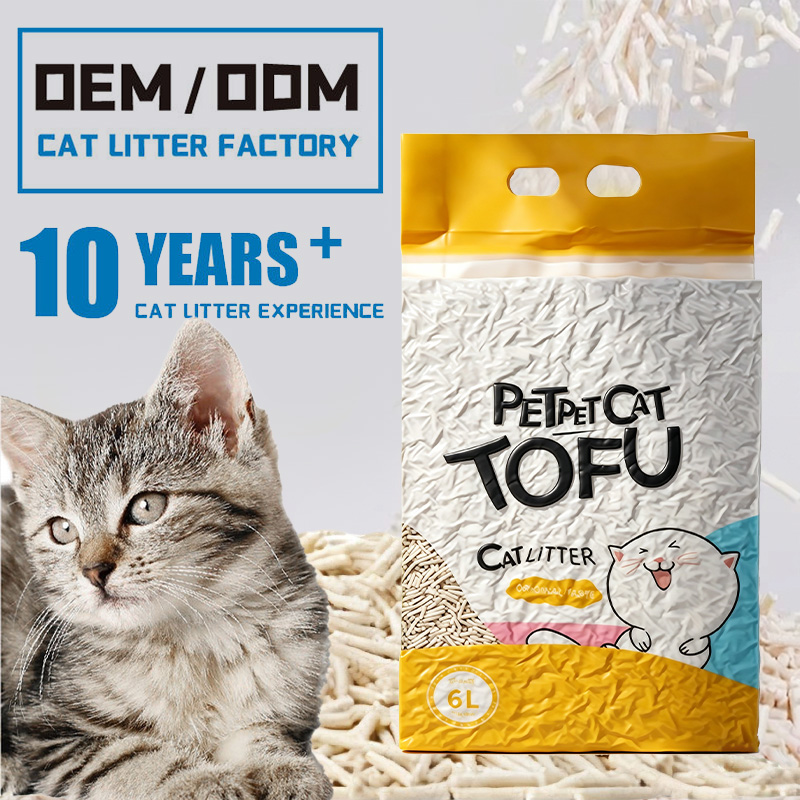
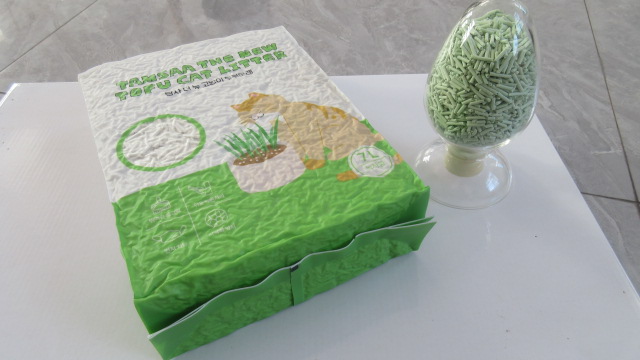
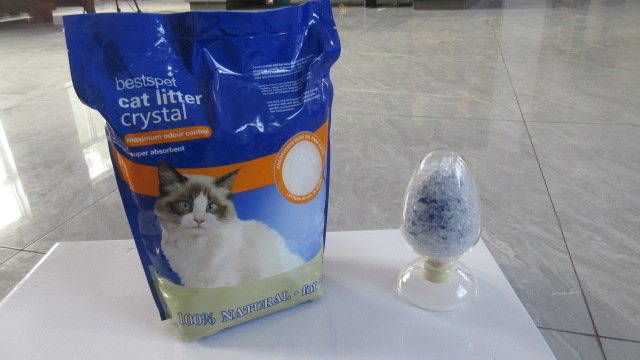
From high-absorption green tea flushable tofu pellets to dust-purified silica crystals and sodium bentonite, explore our OEM/ODM portfolio manufactured under Intertek-audited standards for rapid delivery to the Port of Yokohama.
Yokohama & Kanagawa: Navigating the Urban Feline Ecology
The pet market in Yokohama—encompassing densely residential hubs such as Kohoku Ward, Naka Ward, Minato Mirai high-rises, and Kanagawa Ward—presents unique regulatory and logistical conditions that diverge significantly from standard Western pet retailing. Japanese urban households operate predominantly within compact, hermetically sealed 1LDK to 3LDK condominium layouts. In these residential settings, odor dispersion cannot be remediated through cross-ventilation alone.
Traditional sodium bentonite clays, while economical, are encountering consumer friction across the Kanagawa prefecture due to heavy weight and municipal waste disposal rules. Under the Yokohama City Resources and Waste Recycling Bureau, pet waste and absorbent substrates must be categorized accurately under Combustible Garbage (燃やすごみ) or managed via municipal sewage disposal protocols. Bentonite does not burn cleanly in municipal incinerators and creates abrasive residue, whereas plant-derived tofu cat litter burns completely with minimal ash output.
Furthermore, coastal humidity along Tokyo Bay elevates ambient moisture during the annual June–July rainy season (Tsuyu) and late-summer typhoons. Ordinary organic substrates degrade prematurely, succumb to microbial growth, or lose clumping cohesiveness under high relative humidity. Our food-grade green tea tofu litter resolves this issue by integrating polyphenolic catechins with micro-pelletized pea fiber, sustaining structural stability below 10% base moisture.
B2B Specification Alignment for Japanese Retailers
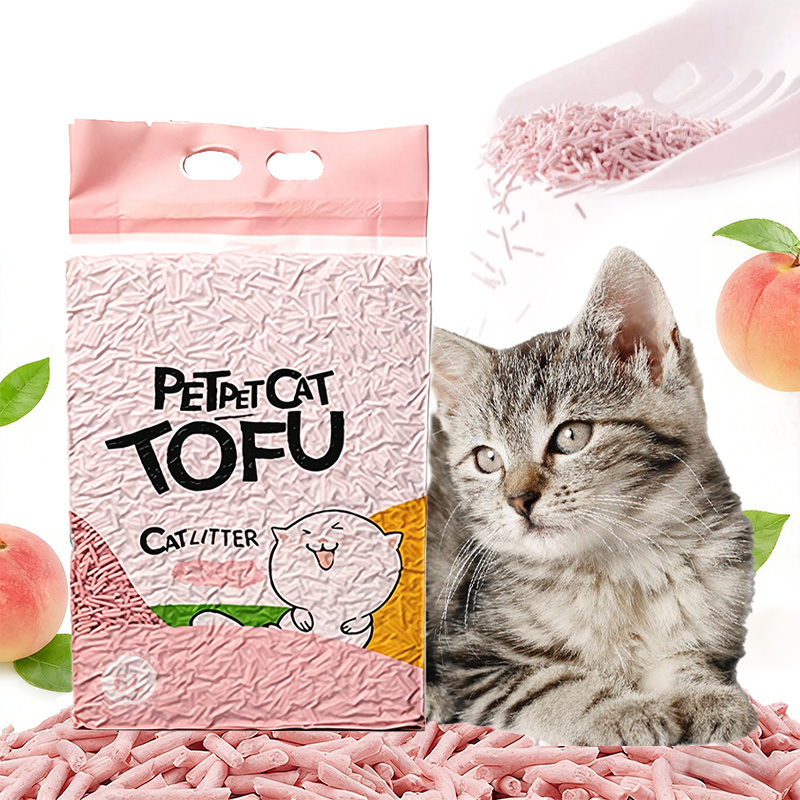
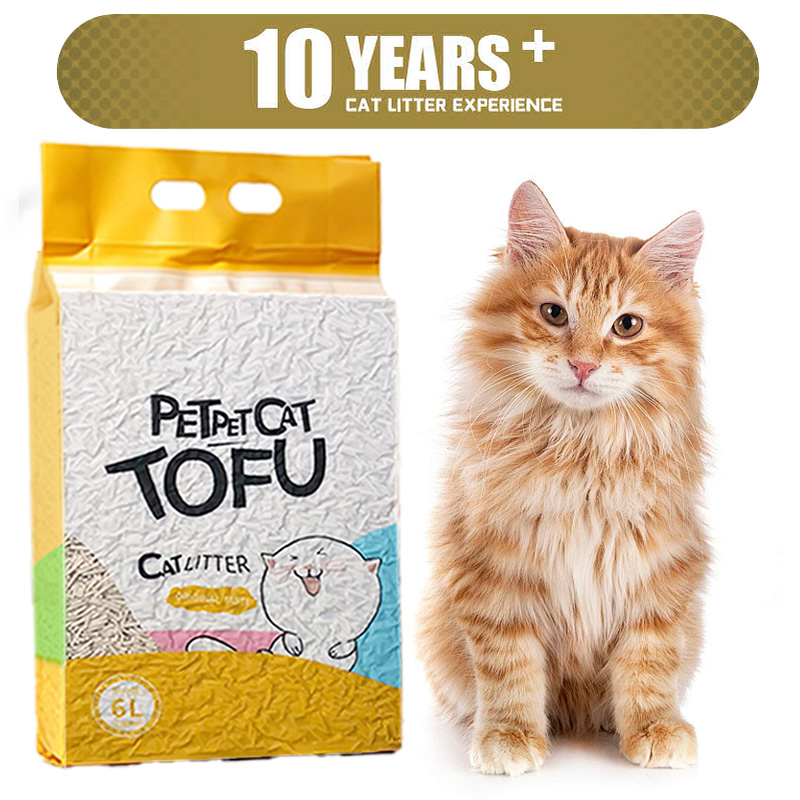
Our formulation is engineered to align strictly with the rigorous requirements of Japanese pet chain retailers (Aeon Pet, Kohnan, Cainz, and local Kanagawa veterinary collectives). We provide customized vacuum-seal packaging in 6L and 7L standard sizes to fit Japanese shelf heights and consumer transport preferences.
Technical Decomposition: Why Green Tea Tofu?
Our research and development team at Yantai Jaskin has isolated the biochemical performance factors that matter most to Tokyo Bay and Yokohama cat guardians:
- Natural Catechin Complexation: Real green tea extract contains epigallocatechin gallate (EGCG), which chemically complexes with basic volatile nitrogen compounds (ammonia, trimethylamine) rather than merely masking them with overpowering artificial perfumes.
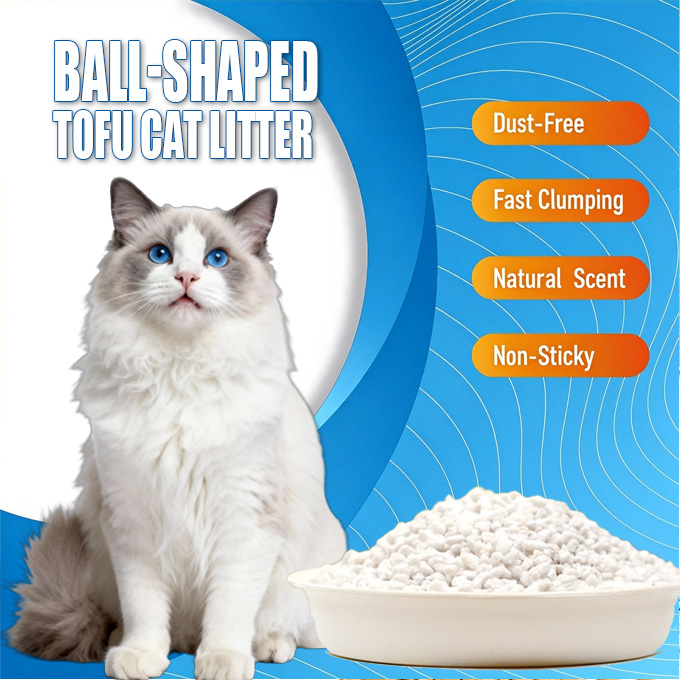
- Micro-Pellet Caliber Options: Available in 1.5mm and 2.0mm diameters. The tighter void fraction creates a shallow, wide surface clump that does not sink to the bottom of the litter tray or stick to plastic bases.
- Complete Hydro-Dispersion: Dissolves into a milky, non-viscous slurry within 8 to 15 seconds in water, ensuring complete safety for standard domestic flush toilets (JIS A 5207 sanitary fixture compliance).
- Guaranteed Dust Elimination: 5-stage mechanical sieving and negative-pressure air-flushing safeguard both feline and human respiratory health.
Material Comparison Matrix: Yokohama Retail & Domestic Use
A rigorous comparative analysis evaluating cat litter media under the physical conditions of Yokohama urban dwellings, waste separation bylaws, and maritime logistics.
| Performance Metric | Green Tea Tofu (Jaskin OEM) | Standard Bentonite Clay | Silica Gel Crystal | Pine Wood Pellet |
|---|---|---|---|---|
| Yokohama Municipal Disposal | 100% Burnable (燃やすごみ) & Flushable | Non-combustible in many wards / heavy | Landfill / Non-burnable residue | Burnable (Slow dissolution) |
| Ammonia Binding (24h) | 96.8% (Catechin Polyphenol Neutralization) | 82.4% (Surface adsorption only) | 89.1% (Capillary entrapment) | 71.5% (Wood terpene masking) |
| High Humidity Clumping Integrity | Stable at >75% RH (Cornstarch matrix) | Swelling & sticky tray adhesion | Saturates rapidly in ambient air | Breaks down prematurely into dust |
| Bulk Density (Shipping Efficiency) | 0.48 – 0.52 g/cm³ (Optimized FCL weight) | 0.85 – 0.95 g/cm³ (High deadweight) | 0.40 – 0.45 g/cm³ (Volumetric limitation) | 0.60 – 0.65 g/cm³ (Moderate) |
| Pneumatic Dust Rating | < 0.2% (Multi-stage dedusting) | 1.2% – 3.5% (Persistent fine dust) | < 0.5% (Crystalline silicates) | 0.8% – 1.8% (Wood meal tracking) |
| Toilet Flushability | Instant slurry within 15 seconds | Forbidden (Severe plumbing blockage) | Forbidden (Non-biodegradable) | Risk of pipe sediment buildup |
Apartment & Tower-Mansion Living
Yokohama has seen exponential growth in multi-story residential developments throughout Nishi Ward and Kanagawa-ku. Owners cannot tolerate the pervasive dust from standard clay litter settling across luxury timber flooring or HVAC ventilation filters.
- Non-tracking pellet architecture (1.5mm/2.0mm)
- No white paw-prints on dark tatami or hardwood
- Acoustic dampening: quiet impact when scratched
Eco-Conscious Retail & "Mottainai" Ethics
Japanese consumers strongly favor sustainable, circular-economy products made from upcycled agricultural co-products. Our tofu litter uses food-grade pea dregs discarded during starch production, fulfilling the ecological expectations of modern Japanese pet parents.
- 100% natural, food-grade raw materials
- Zero chemical bleaching agents or artificial binders
- Compostable in residential botanical soil
Port of Yokohama Cold-Chain & Maritime Freight
Direct maritime trunk lines connect Shandong's coastal export ports (Yantai & Qingdao) with the Port of Yokohama (Honmoku and Daikoku terminals) within 36–48 hours, enabling rapid inventory turnover and lower warehouse holding overhead.
- Weekly scheduled departures to Kanagawa piers
- Vacuum packaging prevents sea-freight humidity intake
- Flexible delivery terms: FOB, CIF, DDU, and DDP
Why Japanese Importers Partner with Yantai Jaskin
Combining factory-direct manufacturing precision in Shandong's premier mineral and pet-hygiene basin with rigorous export compliance, multi-lingual trade coordination, and full OEM customization.
Intertek Verified Plant
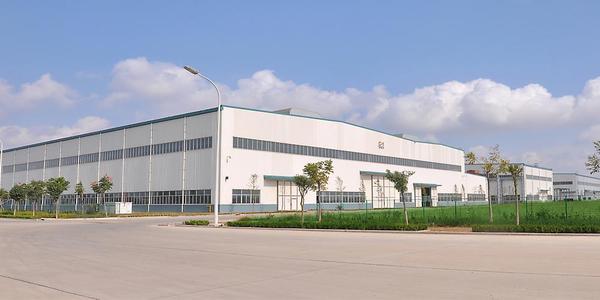
Our 2,600 m² production facility in Zhaoyuan, Shandong has undergone independent on-site operational audits verifying materials, testing benches, and quality control.
In-House Lab Instruments
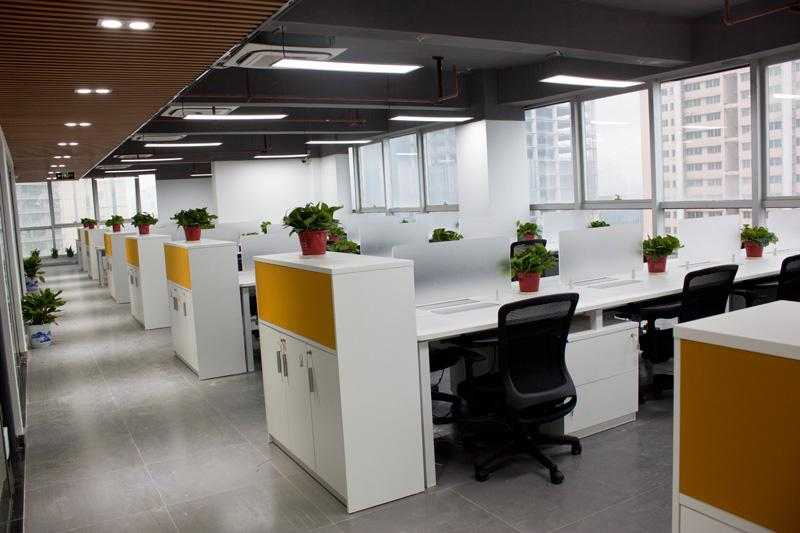
Every single batch undergoes rigorous analytical validation for moisture quotient (<10%), clumping firmness, tensile absorption kinetics, and particle integrity.
Custom OEM / Private Label
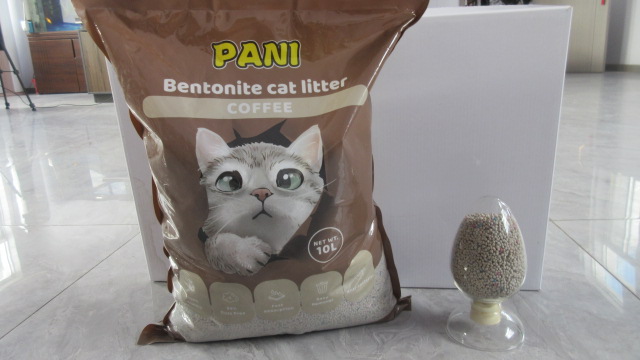
Full graphic localization for Japanese retail shelves: high-barrier matte PE/PET pouches, custom JAN barcodes, vacuum blocks, and proprietary scent ratios.
Flexible Trade Terms
Seamless execution under FOB Qingdao/Yantai, CFR, CIF Yokohama, or full door-to-door DDP to warehouses across Kanagawa, Tokyo, and Chiba prefectures.
Frequently Asked Questions: Yokohama Importers & Distributors
Direct answers addressing supply chain mechanics, municipal compatibility, customs compliance, and contract parameters for Japanese enterprise buyers.
Can this green tea tofu litter be flushed safely into Yokohama municipal sewer systems?
Yes. Our formulation is engineered to dissolve into a fine, non-fibrous dispersion within 8–15 seconds upon contact with cold water in standard sanitary plumbing (complying with Japanese sewer load standards). Individual clump flushing will not deposit residual solids in domestic U-bends or drain stacks typical of Japanese apartment complexes. Additionally, for consumers utilizing curbside pickup, the formulation is 100% burnable (燃やすごみ) with zero toxic emissions during municipal incineration.
What is the standard minimum order quantity (MOQ) for custom private label packaging in Japan?
For standard raw material specifications with custom pre-printed full-color rotogravure or digital bags, our standard starting MOQ is approximately 400–500 kg for trial runs, or one 20GP container (approx. 10–11 tonnes / 2,400 to 2,800 retail 6L vacuum bags) for completely customized OEM branding. For high-volume clients targeting regional supermarket programs, we also support mixed container loadings containing green tea tofu, activated carbon tofu, and silica crystal formulas.
How does your vacuum packing withstand maritime transit across the East China Sea to Port of Yokohama?
We use heavy-gauge composite barrier films (PET/PE or PA/PE) with high tensile resistance. Combined with secondary robotic vacuum extraction, each brick-pack eliminates air gaps, preventing internal pellet friction during maritime rolling. Furthermore, we pack containers with specialized industrial desiccant poles to buffer temperature and humidity shifts across the Yellow Sea and Tokyo Bay, ensuring zero moisture penetration or brick deflation upon port arrival.
What documentation is provided to clear Japanese Animal Quarantine and Customs?
Because our tofu cat litter is derived exclusively from botanical pea fiber and starch subjected to high-temperature thermal extrusion (temperatures exceeding 120°C), it is biologically stable and non-hazardous. We provide complete commercial documentation, including Certificate of Analysis (COA), Safety Data Sheets (SDS), Non-Animal Product Declarations, and accurate HS Code classification (typically HS 1404.90 or 2309.90 depending on local customs advice) to expedite clearance through Yokohama Customs.
Do you offer customized pellet calibers (e.g., 1.5mm vs. 2.0mm) and fragrance ratios?
Yes. We operate specialized extruders capable of calibrating pellet diameters between 1.5mm, 2.0mm, and 3.0mm, as well as irregular crushed ("broken tofu") textures that mimic natural soil. For the Japanese market, where consumers prefer subtle, authentic aromas, we utilize real green tea powder extract and adjust scent potency to match local consumer preferences, avoiding the overwhelming synthetic perfumes commonly found in non-specialized alternatives.
What are your payment and shipping incoterms for Japanese importers?
We accept standard international payment terms in USD via T/T and L/C. We support standard shipping incoterms including FOB Qingdao/Yantai, CFR, and CIF Yokohama. For buyers without dedicated in-house customs clearance infrastructure in Kanagawa, our logistics partners can provide DDU or DDP terms directly to your distribution center.
Ready to Scale Your Cat Litter Line in the Greater Tokyo & Yokohama Region?
Partner directly with Yantai Jaskin Pet Products Co., Ltd. for factory pricing, verified Intertek quality control, and tailor-made OEM formulations engineered for high-density modern living.
Inquire Now