Featured Commercial Cat Litter Series
Precision-extruded botanical and composite mineral cat litters formulated for export to distributors, commercial brands, and institutional partners worldwide.
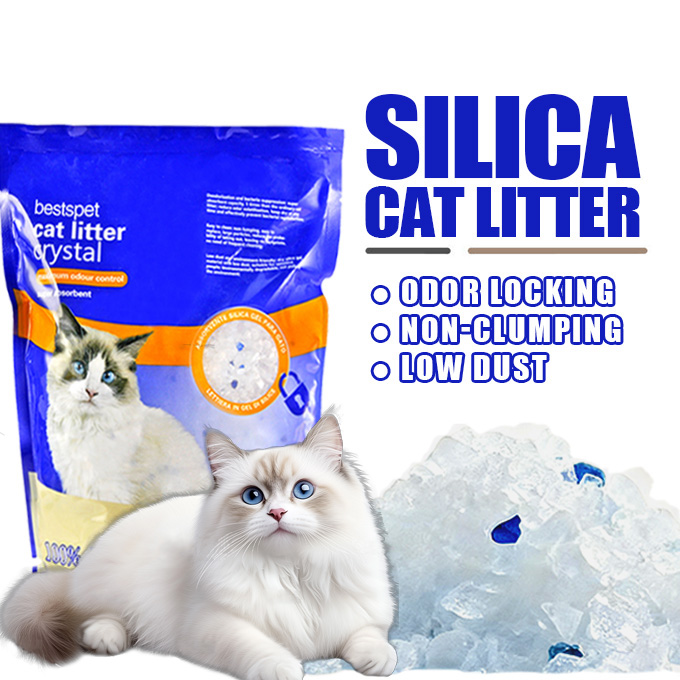
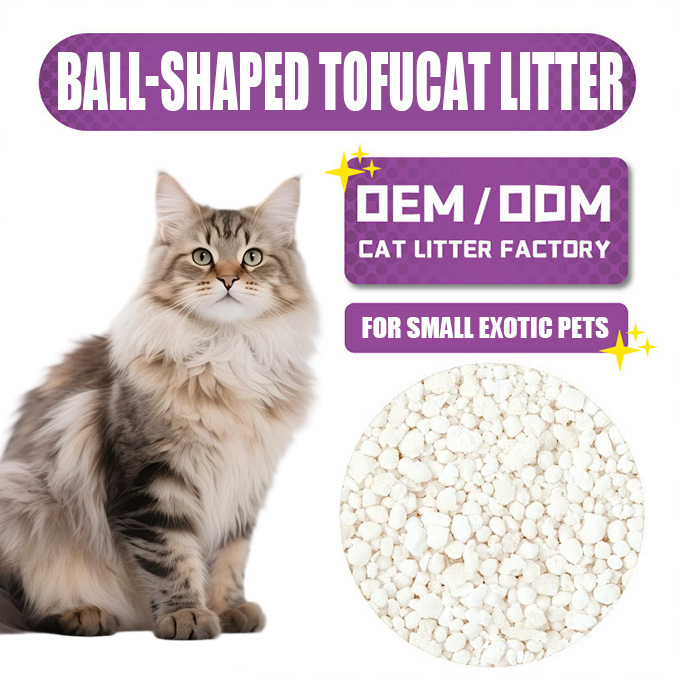
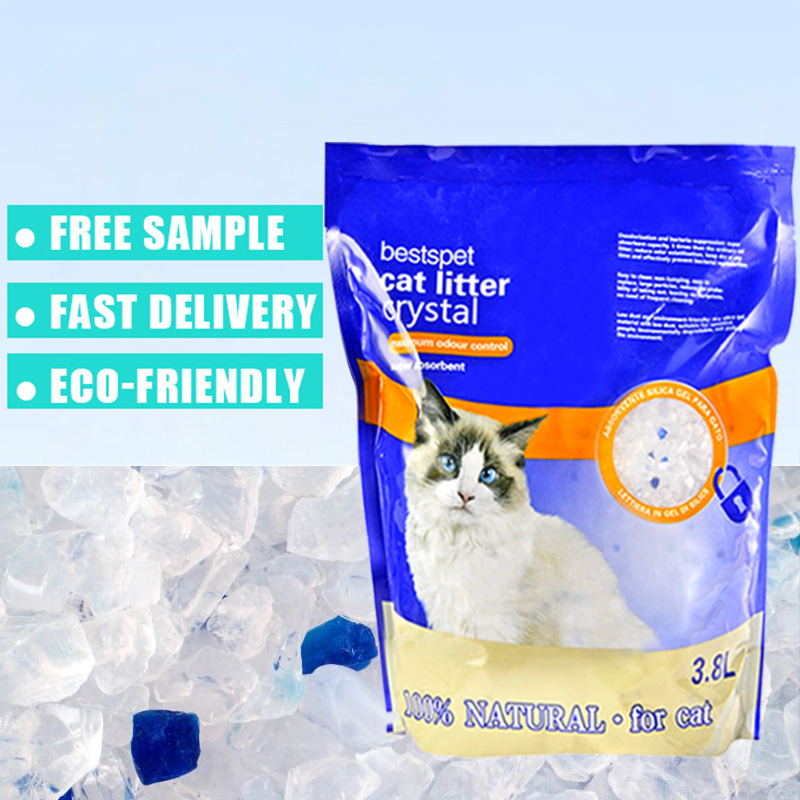
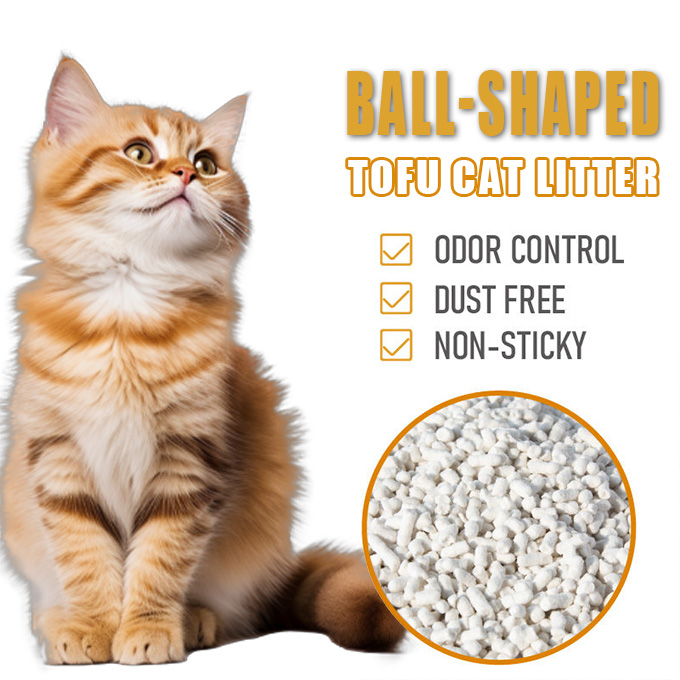
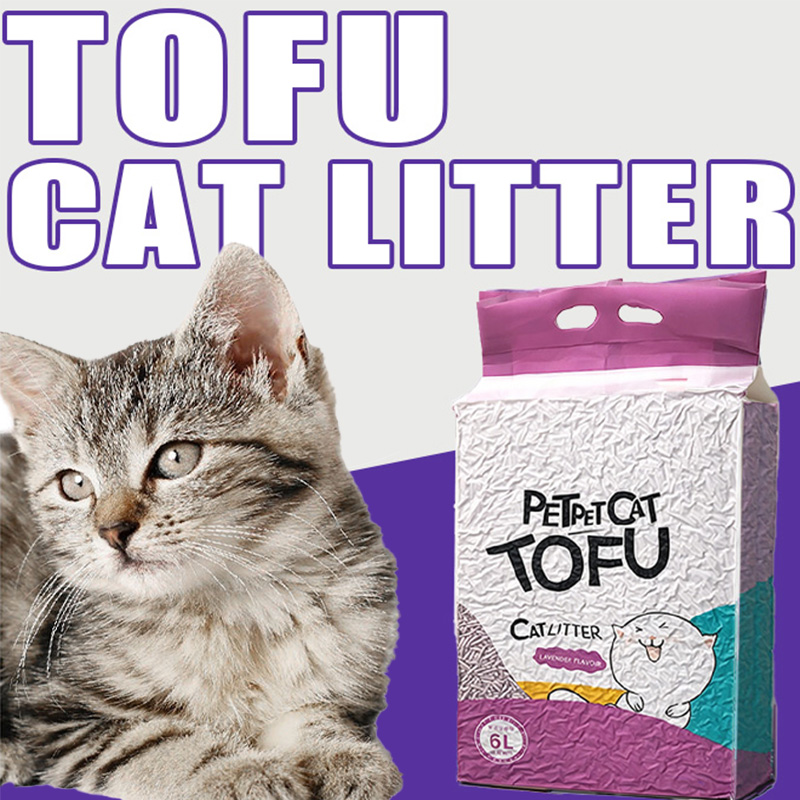
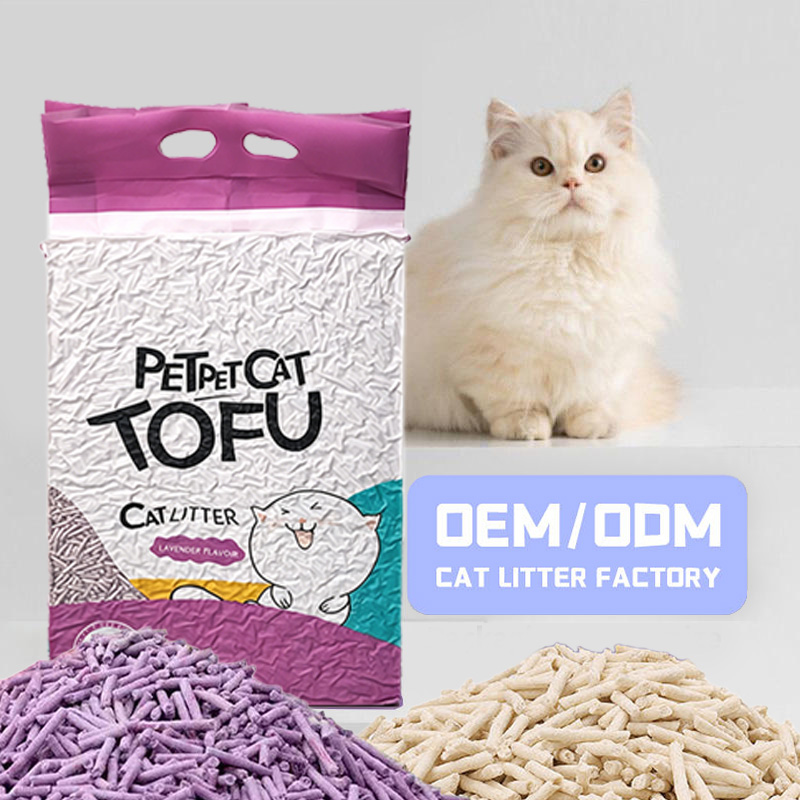
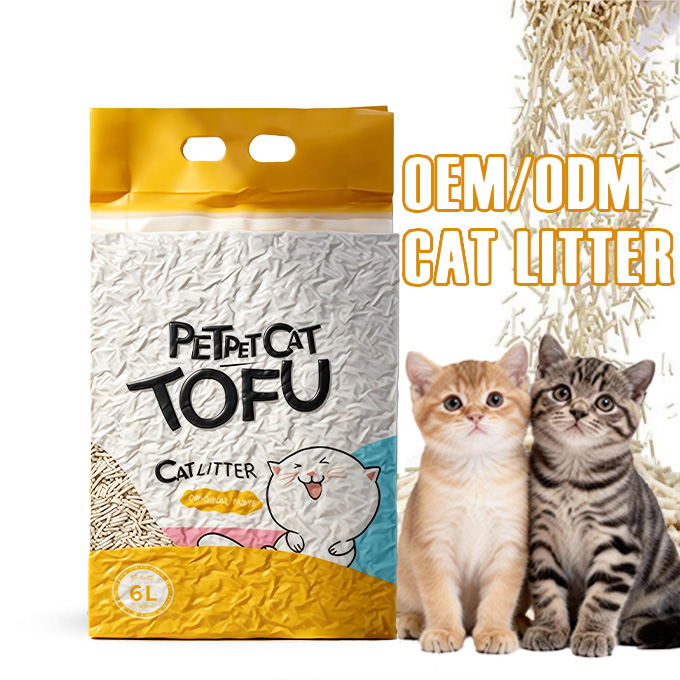
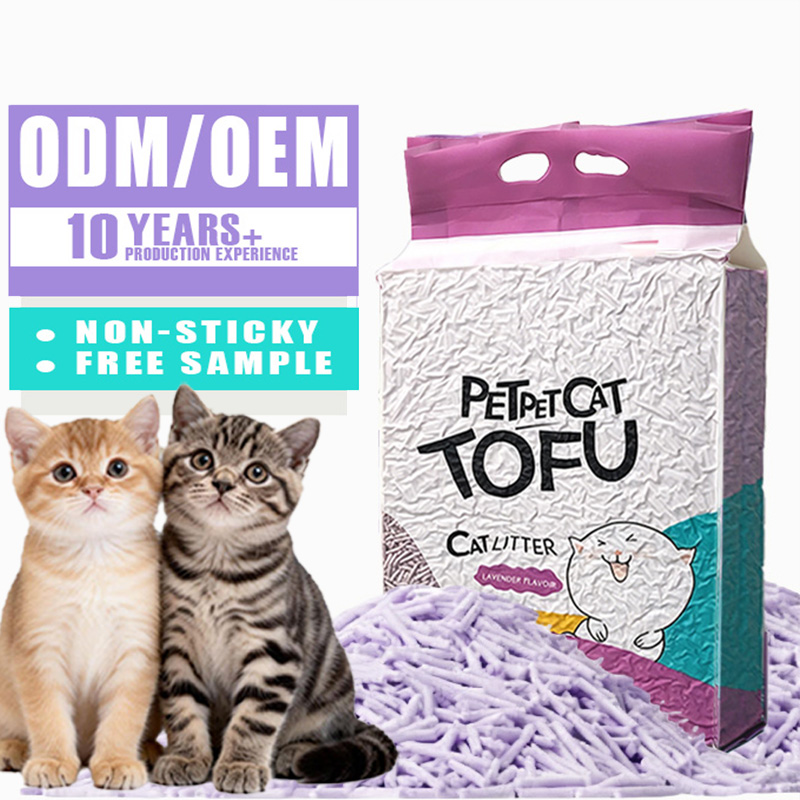
Whitepaper: Engineering Botanical Cat Litter for Tropical High-Humidity Microclimates
The global pet hygiene sector is witnessing a decisive structural shift from traditional strip-mined clay substrates to engineered, plant-derived alternatives. In regions such as the Yucatan Peninsula, centered in Mérida, Mexico, environmental variables pose unique technical challenges to commercial feline substrates. The local atmospheric profile—characterized by prolonged annual ambient relative humidity exceeding 75% and sustained temperatures frequently crossing 35°C—serves as an accelerated stress-test for raw organic substrates. Conventional plant fibers without antimicrobial stabilization often encounter rapid microbial colonization, moisture saturation, and secondary ammonia release within 48 to 72 hours of first use.
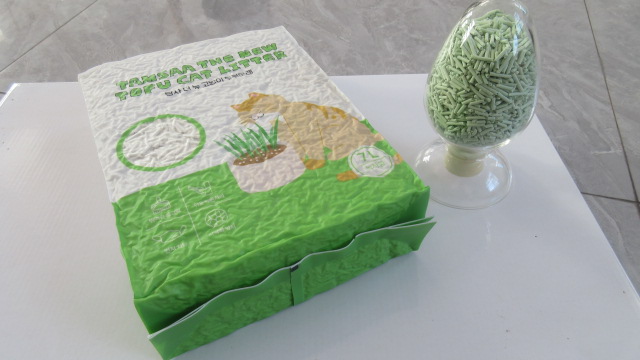
As an Intertek-verified cat litter manufacturing and exporting operation, our manufacturing facility engineers specialized Green Tea Tofu Cat Litter designed to mitigate the thermodynamic and biological vulnerabilities of high-heat, high-humidity zones. By integrating micro-pulverized food-grade pea fibers, food-grade corn starch binders, and natural polyphenol-rich green tea extracts (Camellia sinensis), we deliver an advanced feline hygiene substrate that maintains its mechanical integrity, clumping speed, and olfactory suppression capabilities under intense tropical operating conditions.
Material Formulation: Pea Fiber Matrix vs. Tropical Humidity Resistance
The structural efficacy of green tea tofu cat litter hinges directly upon moisture adsorption kinetics. In high-humidity coastal and inland environments like Mérida, ambient air can pre-saturate lower-grade porous fibers before feline urine contact occurs. Standard soybean residue substrates (okara) contain broad-chain insoluble carbohydrates and residual lipids that create an optimal breeding ground for mold spores such as Aspergillus and Penicillium under warm conditions.
Our export formulation replaces standard soy dregs with high-purity, dietary-grade pea fiber extracted through low-temperature mechanical fractionation. Pea fiber delivers a tightly packed crystalline cellulose architecture featuring a lower hygroscopic equilibrium with surrounding ambient air, yet possessing hyper-reactive localized water affinity. When subjected to liquid feline discharge, the localized capillary suction exceeds 600% by weight, forming a rigid, shallow pancake clump within 1.5 to 2.5 seconds. This micro-porous speed prevents urine from percolating to the bottom of the litter basin, eliminating sticky residues that compromise tray sanitation.
Polyphenol Epigallocatechin Gallate (EGCG)
Infused with active green tea catechins that actively rupture microbial cell walls, arresting the bacterial urease enzymes responsible for turning urea into volatile ammonia gas.
Instant Hydro-Dynamic Clumping
Rapid capillary lock mechanism consumes liquid within 2.5 seconds, reducing bottom-pan sticking and facilitating precise containment without premature agglomeration.
Full Biodegradability & Flushability
Dissolves cleanly in domestic wastewater networks upon total immersion, breaking down within 15 seconds without clogging pipes or generating septic toxicity.
Localized Use Scenarios in Mérida and the Greater Peninsular Market
Commercialization of pet consumables in southeastern Mexico necessitates an understanding of residential living conditions and consumer habits. Mérida’s urban residential fabric comprises a wide variety of domestic housing formats, each interacting differently with pet maintenance protocols:
1. Colonial & Modern Urban Residential Spaces
From restored colonial residences in Mérida Centro featuring high-ceilinged yet enclosed indoor living areas to contemporary multi-story condominiums in northern districts like Altabrisa, Temozón Norte, and Montebello, indoor environmental management is tied to closed-circuit air conditioning. When air conditioning systems recirculate interior air, bentonite clay dust can foul evaporator coils and circulate airborne silica particles into feline and human respiratory systems. Green tea tofu cat litter is subjected to a five-stage cyclonic dedusting protocol during factory packaging, reducing airborne particulate matter (PM2.5 / PM10) to less than 0.1%. This preserves indoor air purity and extends residential HVAC filter service intervals.
2. High-Temperature Architectural Enclosures
Many suburban properties across Mérida incorporate semi-covered service patios or utility laundry spaces where litter boxes are placed. Because daytime ambient temperatures in these spaces routinely surpass 38°C during spring and summer months, chemical-scented clay or poorly processed pinewood litters can emit synthetic odor notes or ferment. The botanical tea catechin matrix in our formula functions as an active neutralizing agent rather than an overpowering synthetic perfume mask, stabilizing the ambient microenvironment through continuous biocidal containment.
3. Eco-Conscious Coastal & Regional Tourism Corridors
The Yucatan corridor, extending toward Progreso, Campeche, and the Riviera Maya, prioritizes ecological infrastructure to protect delicate karst limestone aquifers and subterranean cenote systems. Heavy reliance on municipal landfill disposal of non-biodegradable clay litter presents persistent municipal refuse volume issues. Importers and pet hospitality businesses serving eco-resorts utilize our 100% biodegradable, agricultural-grade litter to support regional solid-waste reduction initiatives.
Emerging Supply Trends: The Feline Hygiene Landscape in Mexico
The Latin American pet care retail market is experiencing compounding annual growth, with Mexico representing one of the two largest hubs by gross valuation. Historically dominated by commodity mineral sands, the domestic retail landscape is diversifying rapidly due to three structural market developments:
First, the Humanization and Indoor Confinement of Felines: Domestic consumers are increasingly housing cats entirely indoors, transforming litter selection criteria. Traits such as zero tracking, low dust, rapid clumping, and clean flushability now guide buying decisions over base-level mineral cost considerations.
Second, Private Label Penetration: Regional veterinary clinic chains, boutique pet lifestyle retailers, and local e-commerce entrepreneurs are transitioning away from multi-national monopoly brands to develop proprietary private labels. Our factory provides an end-to-end OEM/ODM framework—ranging from vacuum brick pack volume optimization to custom exterior pouch printing—allowing brand developers in Mérida to achieve viable gross margins while maintaining high product quality.
Third, Logistics Consolidation and Transshipment: Supply routes to southeastern Mexico benefit from maritime routing into Puerto Progreso, which sits directly on Mérida’s coastline, alongside rail and container transport through maritime hubs like Veracruz and Altamira. Importers sourcing full container loads (FCL) can scale their landed unit economics by leveraging direct ocean shipping agreements.
Factory Technical Strengths & Industrial Production Parameters
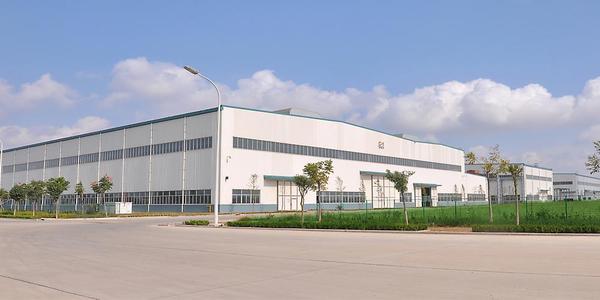
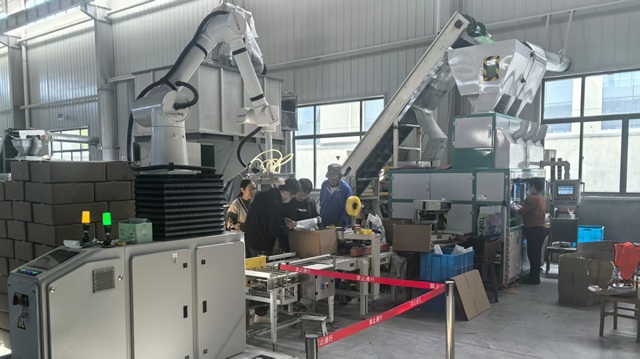
Operating from our certified production base in Shandong, China—the world’s foremost epicentre for agricultural processing and silica mineral chemistry—Yantai Jaskin Pet Products Co., Ltd. combines raw-material cost advantages with rigorous processing governance:
Intertek-Audited Facility Standards
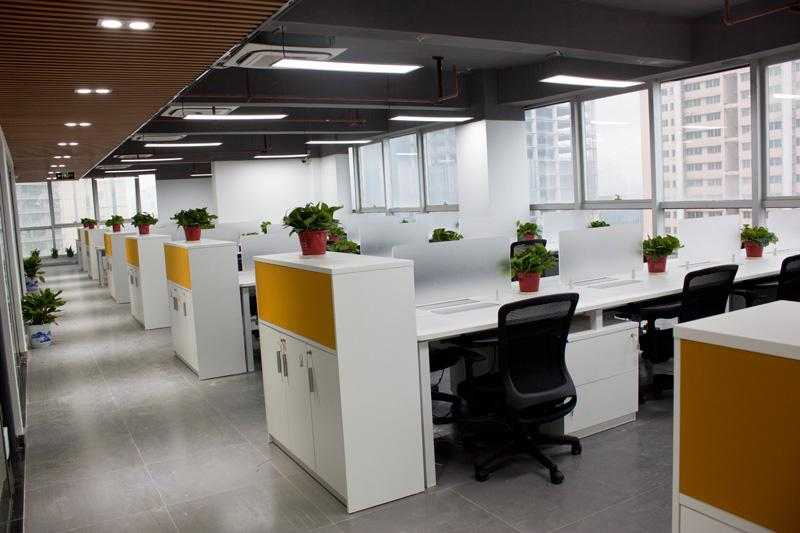
Our 2,600 m² facility maintains on-site quality inspection labs, automated sieving apparatus, and batch traceability protocols verified via independent third-party audits.
Tailored Particle Customization
Available in 1.5 mm ultra-fine rods, 2.0 mm balanced standard pellets, 3.0 mm economic cylinders, and spherical cracked granules with custom scent infusion capabilities.
Flexible Global Logistics Terms
Full support for EXW, FOB, CFR, CIF, DDU, and DDP terms, coordinating with international shipping lines serving Mexican Gulf and Pacific ports.
B2B Importer & Distributor FAQ: Sourcing for Mérida
How does high atmospheric humidity affect Green Tea Tofu Litter during ocean shipping to Mexico?
Our standard export protocol uses hermetically sealed vacuum brick pouches (typically 6L / 2.5kg or 7L / 2.8kg) with heavy-gauge inner foil lining. This completely isolates the plant pellets from ambient sea humidity, condensation, and temperature cycling throughout container transit, ensuring dry, free-flowing granules upon port de-vanning.
Can small municipal plumbing lines in older Mérida houses handle flushable tofu litter?
Yes. Tofu pellets are formulated using high-solubility plant starch and short-chain pea fibers. Upon immersion in clean water, the clump loses its structural tension and dissolves into a milky suspension within 15 seconds. For residential units with older pipe infrastructure, we recommend letting clumps stand in the bowl for 60 seconds before initiating the flush cycle.
What are the Minimum Order Quantities (MOQ) for custom private label packaging?
For custom gravure-printed brand pouches, the typical plate run requires an MOQ of 5,000 to 10,000 bags. For initial trial programs, we also supply neutral white bags with custom branding stickers, or clear vacuum packs from 500 kg to 1 ton, minimizing upfront capital outlays for emerging retail ventures.
What payment structures and shipping terms do you provide for Mexican corporate accounts?
We work under standard international banking arrangements, including T/T deposits with balance paid against Bill of Lading (B/L) copy, as well as Irrevocable Letters of Credit (L/C at sight). We routinely quote FOB Qingdao/Tianjin, or CIF directly to Puerto Progreso, Altamira, Veracruz, or Manzanillo.
How does the green tea scent hold up over time without turning rancid in hot climates?
Unlike artificially sweetened perfumes that volatilize quickly under heat, our scent profile blends food-grade botanical essences with high-stability dehydrated green tea leaf powder. This keeps the scent stable inside the pouch over its 24-month shelf life without degrading into rancid or sour notes.
Can we combine various cat litter types within a single ocean container?
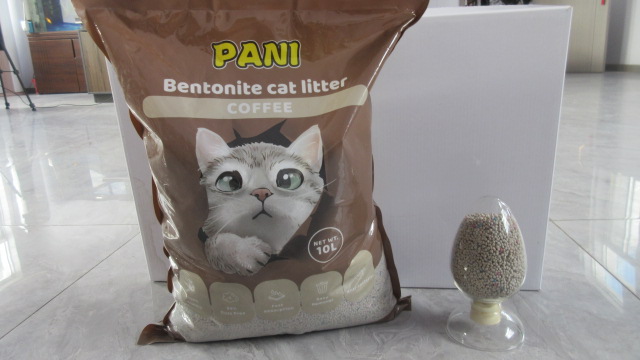
Yes. As an integrated manufacturer producing silica crystal, plant-based tofu, natural bentonite, and diagnostic pH health litters, we regularly accommodate Mixed-SKU container loading. This enables importers to test multiple market segments across a single 20ft or 40ft HQ booking.
Launch Your Feline Hygiene Brand with Factory-Direct Supply
Partner directly with an Intertek-verified production facility. Request laboratory technical specifications, custom scent formulations, packaging die-lines, and door-to-port landed cost calculations tailored for your distribution pipeline.
Inquire Now