High-Performance Mineral Substrates Tailored for Baden-Württemberg Living Standards
The urban topography and domestic architecture of Stuttgart—from historic multi-family Altbau residences in Stuttgart-West and Degerloch to contemporary energy-efficient Passivhaus apartments across Bad Cannstatt—impose uniquely stringent demands on feline sanitary products. This technical brief examines how our OEM bentonite formulations address local socio-ecological and regulatory frameworks.
Hermetic Insulation & Odor Control
German energy conservation regulations (GEG) enforce triple-glazed windows and airtight interior insulation throughout modern Stuttgart developments. Under these conditions, the evaporation of volatile ammonia ($NH_3$) from litter trays is trapped, quickly deteriorating indoor air quality. Our fast-clumping sodium bentonite incorporates activated micro-pore minerals that chemically trap and neutralise volatile thiol compounds within 180 seconds, ensuring odorless co-living environments even during winter heating cycles.
Particulate Abatement in Basin Basins
Stuttgart's distinctive bowl-shaped valley (*Kessellage*) has historically driven high regional sensitivity toward particulate matter (*Feinstaub*). Cat owners in southwestern Germany routinely reject traditional chalky clays that disperse inhalable airborne respirable silica. Utilizing our factory's 5-stage electrostatic vacuum de-dusting system, our bentonite granules register particulate emissions below 0.1%, protecting feline respiratory tracts and maintaining pristine indoor dust levels.
Baden-Württemberg Municipal Waste Alignment
Under Stuttgart municipal waste bylaws (*Abfallwirtschaft Stuttgart - AWS*), mineral-based cat litters are strictly prohibited from organic waste collection (*Biotonne*) and must be processed via the residual refuse stream (*Graue Tonne* / *Restmüll*). Our fast-clumping formula creates hyper-dense, cohesive mass clumps that do not crumble during scooping, minimizing residual contamination and reducing overall household mass volume subject to local disposal quotas.
Mineralogical Purity & Performance Comparison Matrix
Manufactured from premium-grade montmorillonite deposits in Shandong, China, our specialized bentonite litter delivers mechanical cohesion and absorption metrics that surpass conventional industrial calcium clays distributed across European retail markets.
| Performance Characteristic | Jaskin Fast-Clumping Sodium Bentonite | Standard European Calcium Clay | Commodity Retail Clay | Compliance Test Standard |
|---|---|---|---|---|
| Montmorillonite Content | ≥ 78% High Purity | 45% – 60% Low Smectite | < 40% Raw Ore Mixed | X-Ray Diffraction (XRD) |
| Clumping Velocity | ≤ 2.8 Seconds | 10 – 25 Seconds | > 40 Seconds (Loose) | Standard Cylinder Droplet Assay |
| Clump Integrity (Drop Test 1m) | ≥ 98.4% Intact (Hard Solid Mass) | 75% – 82% Significant Breakage | < 60% Complete Disintegration | 100cm Freefall Impact Method |
| Free Water Swelling Index | ≥ 32 mL / 2g | 12 – 16 mL / 2g | ≤ 8 mL / 2g | ASTM D5890 Standard |
| Dust Suppression Index | ≤ 0.1% Sub-micron Fines | 1.2% – 2.5% Visible Dust Cloud | > 4.0% Untreated | Gravimetric Airflow Elutriation |
| Bulk Density Parameter | 0.85 – 0.92 g/cm³ (Optimized) | 0.98 – 1.15 g/cm³ (Heavy) | 1.20 g/cm³ (Excess Weight) | ISO 697 Volumetric Determination |
Granulometry & Paw Comfort
Engineered between 1.0mm and 2.5mm spherical or irregular rounded grains, our litter offers gentle tactile feedback for delicate feline paw pads while effectively preventing grain tracking outside the litter box onto hardwood or parquet floors—a critical consideration for premium European pet owners.
Automated Self-Cleaning Optimization
The swift cohesion of our clay particles isolates feline liquid before it migrates to the bottom or sides of the tray. This rapid-crust architecture prevents sticky sediment buildup on internal barrels, making our bentonite fully compatible with automatic rotary electric litter boxes commonly used across Stuttgart’s tech demographic.
Yantai Jaskin Pet Products Co., Ltd.: Your Dependable Supply Chain Partner
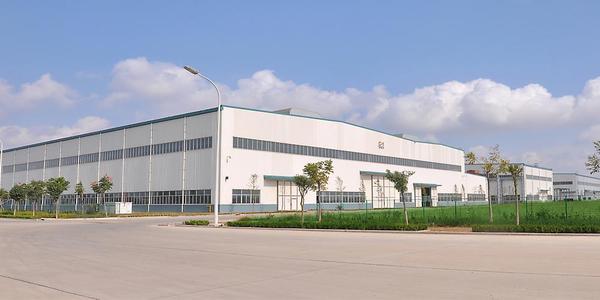
Operating an independent production complex in Zhaoyuan, Shandong, we bridge state-of-the-art mineral manufacturing with tailored international export logistics for distributors, private labels, and pet retail chains across Germany.
Intertek On-Site Verified OEM / ODM Capabilities
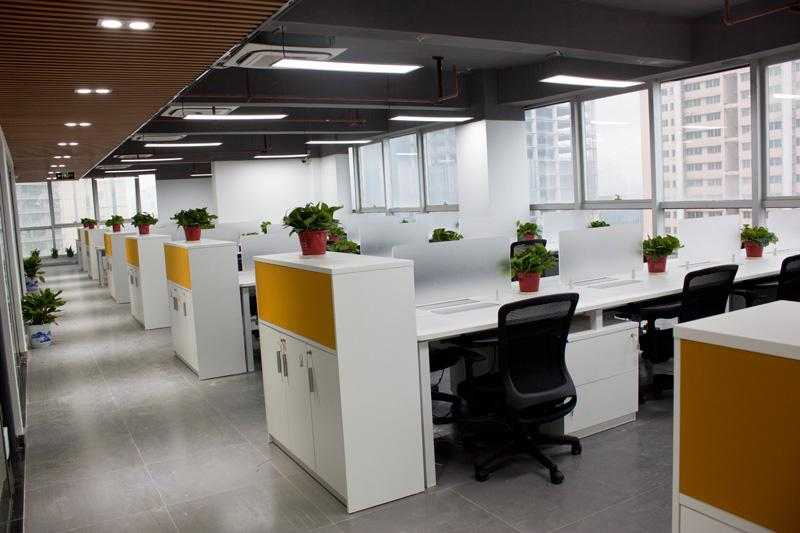
Yantai Jaskin Pet Products Co., Ltd. has successfully completed exhaustive on-site assessments conducted by Intertek, validating our raw material traceability protocols, in-house laboratory instrumentation, precision granulation lines, and environmental occupational standards.
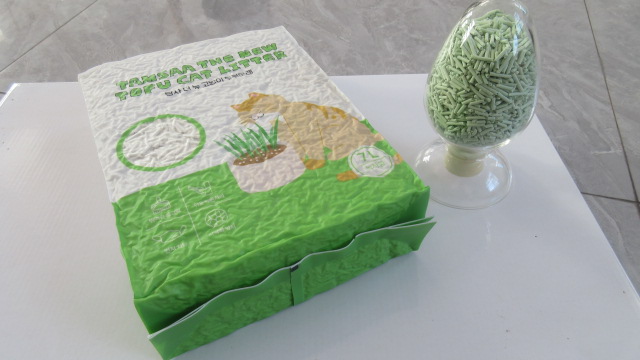
From initial design-based customization of private label packaging to specialized olfactory adjustments (including natural unscented, lavender, active carbon, and baby powder notes), our facility operates with flexible minimum order quantities starting from 1,250 bags for mineral lines and 400–500 kg for composite plant formats.
We ensure consistent container dispatch directly via Qingdao Port with complete maritime documentation, supporting FOB, CIF, DDP, and DDU delivery terms straight to your logistics hub in Stuttgart, Kornwestheim, or Mannheim.
Strategic Trends Shaping Pet Hygiene Sourcing in Southern Germany
Procurement directors and category managers serving German retailers must navigate structural shifts in consumer behavior, environmental mandates, and logistics optimization.
Sustainable Packaging & VerpackG Accord
German commercial clients must adhere strictly to the Packaging Act (*Verpackungsgesetz* via the LUCID registry). Retailers increasingly reject plastic multi-laminate bags in favor of 100% recyclable mono-material PE pouches or multi-wall unbleached Kraft paper sacks with water-based eco-inks. Our manufacturing lines support these compliant formats seamlessly.
Active Carbon & Mineral Synergies
Simple bentonite is increasingly augmented in the German market. Forward-thinking private brands in Baden-Württemberg are launching bentonite composites blended with 3% to 5% activated coconut shell carbon or clinical zeolite granules. These hybrid blends target indoor spaces with multiple felines, offering extended tray lifespans between total litter changes.
Intermodal Port-to-Rail Freight Efficiency
With corporate carbon accounting becoming a standard procurement metric, transshipment routes from oceanic ports (Rotterdam or Hamburg) to Stuttgart's inland intermodal terminals via inland waterway barges or electric freight rail (DB Cargo) are favored over long-haul road haulage. Our high-density pallet loading maximizes container cube efficiency.
Frequently Asked Questions by German Importers & Wholesalers
Essential trade, compliance, and formulation details for commercial buyers across Stuttgart and the broader European market.
► What customs code and EU import tariffs apply to bentonite litter?
Natural sodium and calcium bentonites are classified under HS Code 2508.10.00 (Bentonite). When importing from China into Germany, the standard EU Common Customs Tariff (TARIC) typically applies zero or negligible mineral tariffs, subject to standard German import turnover tax (Einfuhrumsatzsteuer - EUSt) of 19%.
► How do you guarantee EPAL / EUR-Pallet standards for German warehouses?
For European consignments, we utilize ISPM-15 heat-treated pallets conforming to the standard 1,200 × 800 mm dimensions. Goods are precision-stacked, edge-protected, and wrapped in heavy-gauge stretch film with top dust/moisture caps, ensuring compatibility with automated high-bay racking systems in German logistics warehouses.
► What is the typical production and freight transit time to Stuttgart?
Factory production for standard or private-label orders averages 15 to 20 business days upon artwork sign-off. Ocean freight transit from Qingdao Port to Hamburg or Rotterdam takes roughly 28 to 35 days, followed by 3 to 5 days of customs clearance and intermodal rail or feeder transit to the Stuttgart metropolitan region.
► Are your bentonite and composite litters compliant with REACH?
Yes. Our natural mineral products are naturally occurring inorganic substances exempt from standard REACH registration provisions under Annex V, provided they are not chemically modified. We provide comprehensive Safety Data Sheets (SDS) formulated in German and English, as well as laboratory heavy-metal assays upon request.
Accelerate Your Pet Hygiene Brand in the European Market
Connect directly with our engineering and export team for custom granulation samples, technical data sheets, and comprehensive factory-direct quotation schedules tailored to your distribution volumes.
Send an Inquiry