Factory-Direct Core Product Lines & Export Specifications
Precision-manufactured across automated extrusion facilities, screened through dual-cyclone de-dusting chambers, and optimized for bulk containerization or retail packaging.
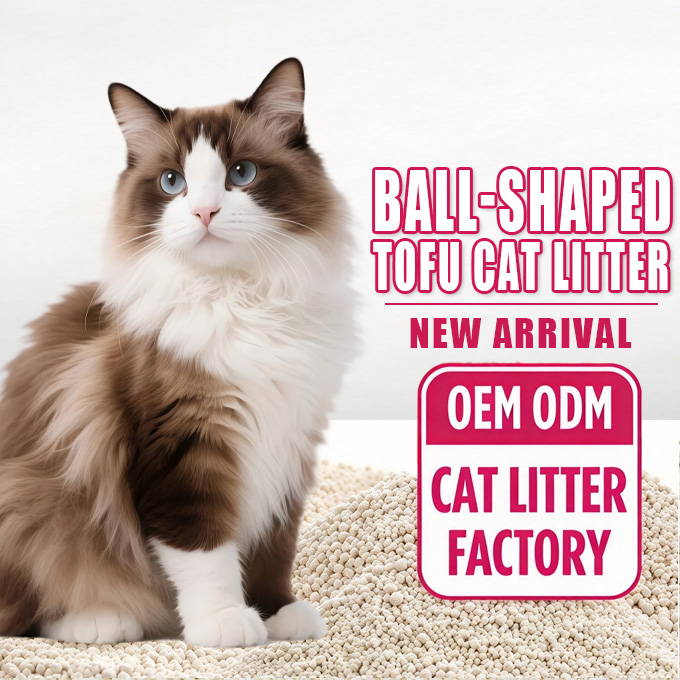
OEM ODM Customized Package Support Good Quality Ball Shaped Tofu Cat Litter
- Ball Pellets
- Zero Dust
- Custom Gravure
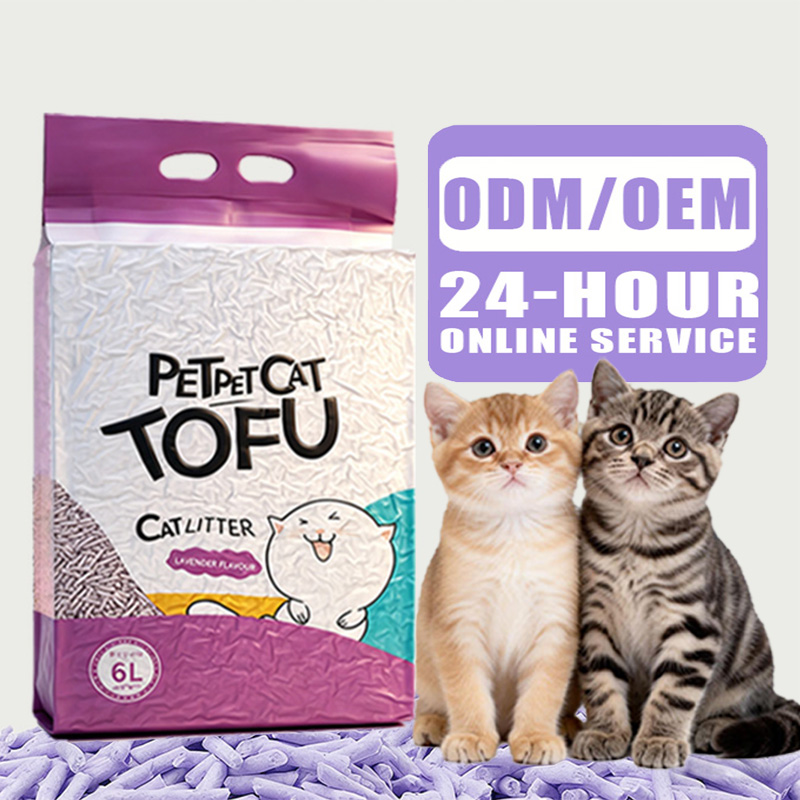
A Grade Vacuum Package Food Original Biodegradable Fast Clumping Coffee Scent Dust Free Premium Plant Eco Clean Tofu Cat Litter
- Vacuum Brick
- 600% Hydration
- Coffee Extract
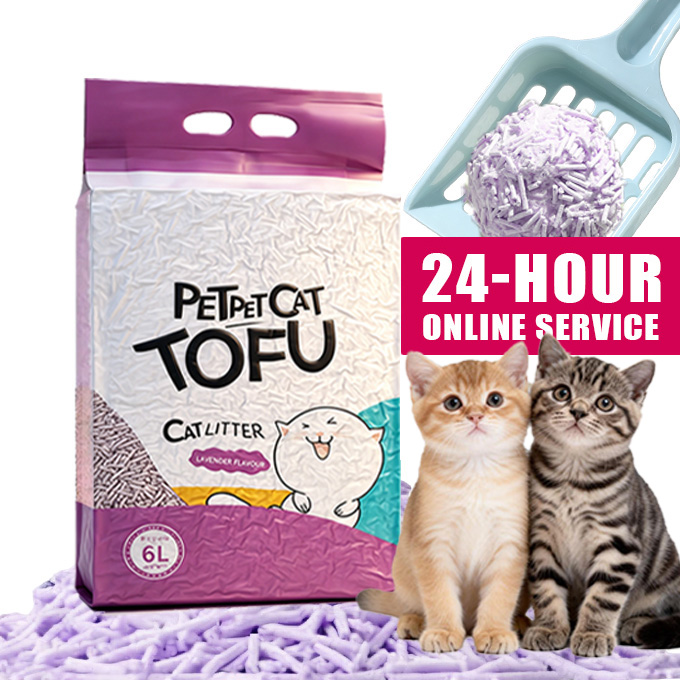
6L Free Sample Easy Scooping Ultra Clumping Cat Litter Wholesale 1.5mm-3mm Tofu Cat Litter Pure Tofu Cat Litter
- 1.5mm - 2.0mm
- Free Sample
- Fast Dissolving
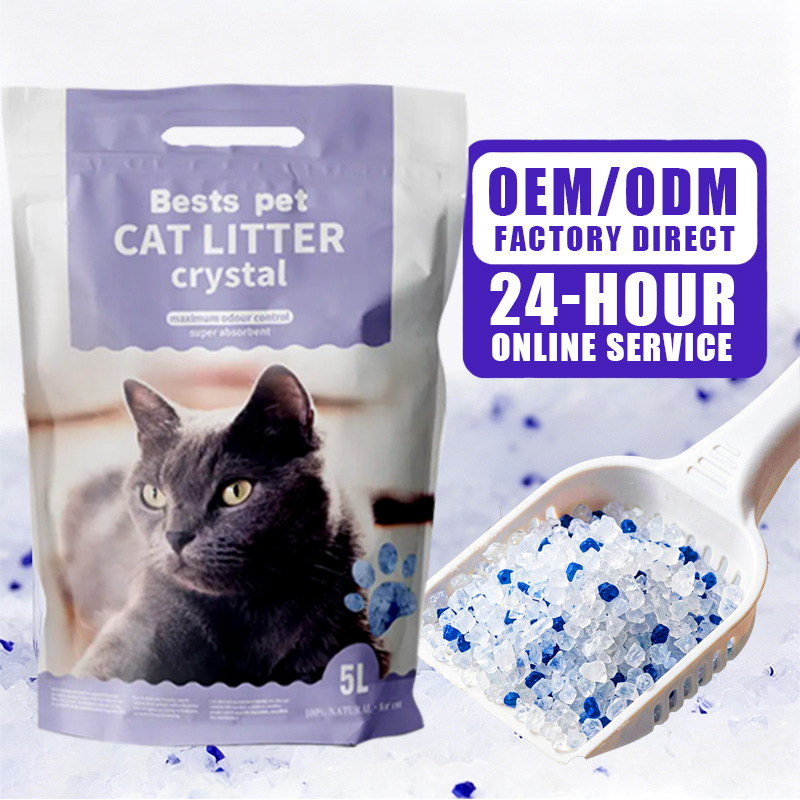
Accept ODM Packing Deodorant Hot Wholesale Factory Crystal Cat Litter Dust Free Cat Sand Crystal Bulk Silica Gel Cat Litter
- Micro-Porous
- Bulk Bag
- High Porosity
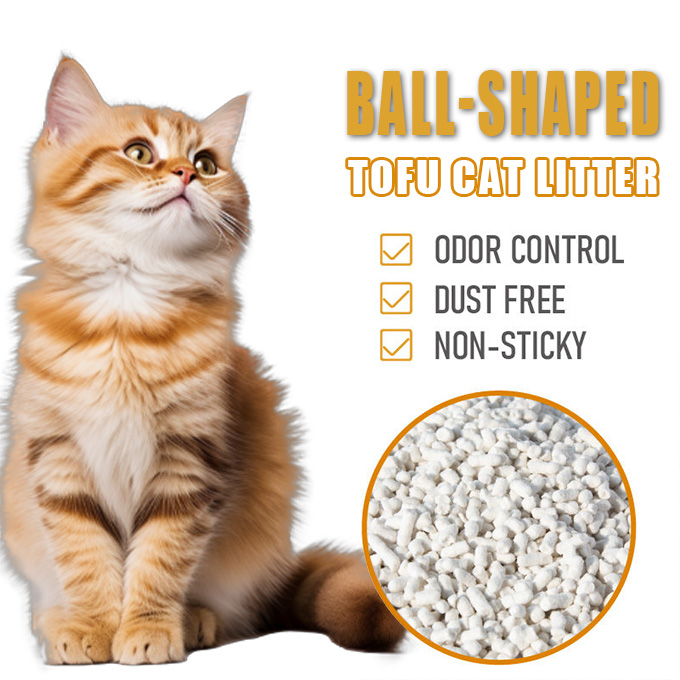
Colorful Ball Easy Scooping Clumping Cat Litter Wholesale Tofu Cat Litter Free Sample 100% Pure Ball Shaped Tofu Cat Litter
- Paw-Friendly
- Anti-Tracking
- 100% Organic
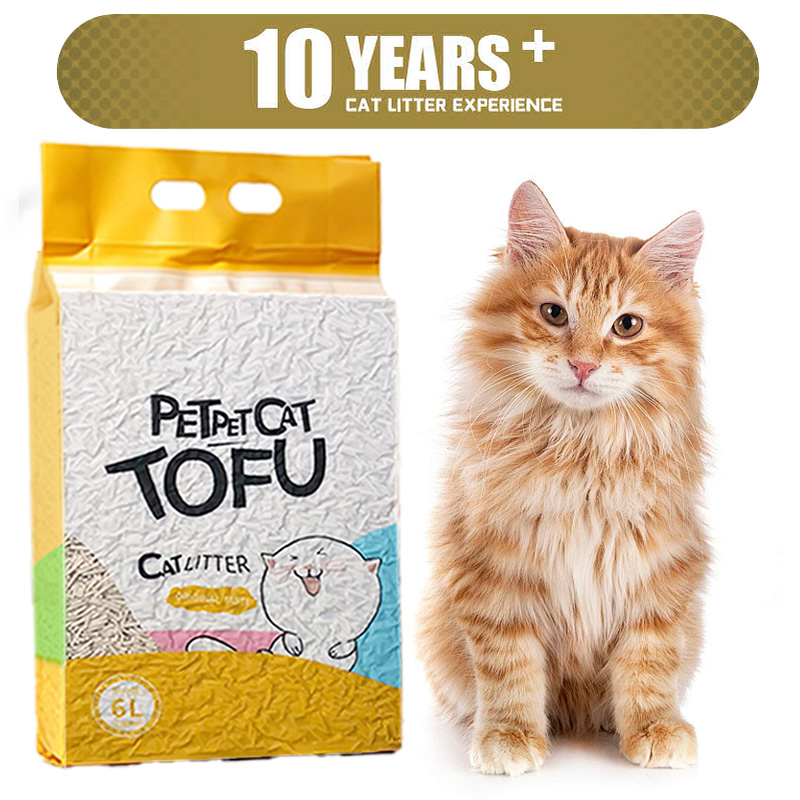
Sustainable High Clumping Crush Factory Oem Bulk Flushable Clumping Broken Tofu Cat Sand Blue Ball Shaped Tofu Cat Litter
- Crushed Ore Type
- Rapid Dissolve
- Blue Botanical
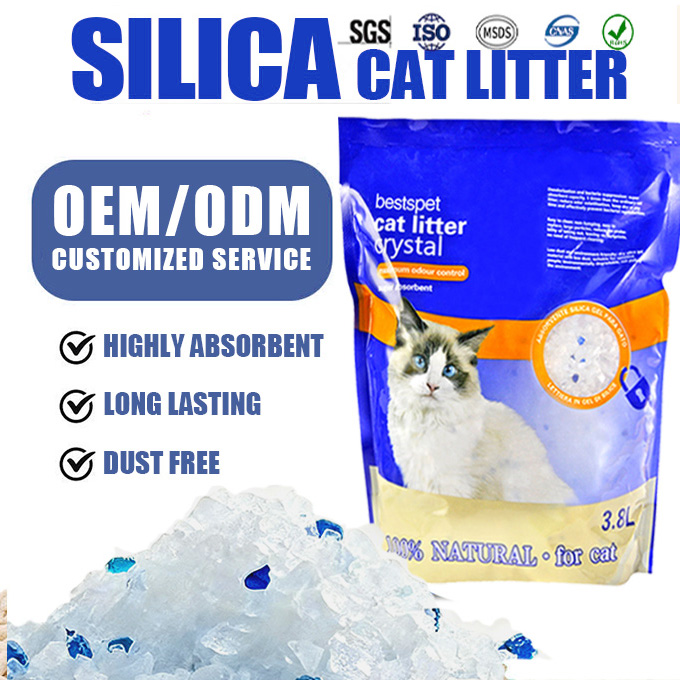
Irregular Baby Powder White and Blue Natural Environmentally Friendly Highly Absorbent Color Crystal Silica Gel Cat Litter
- Baby Powder
- Hydrophobic Bead
- Targeted Release
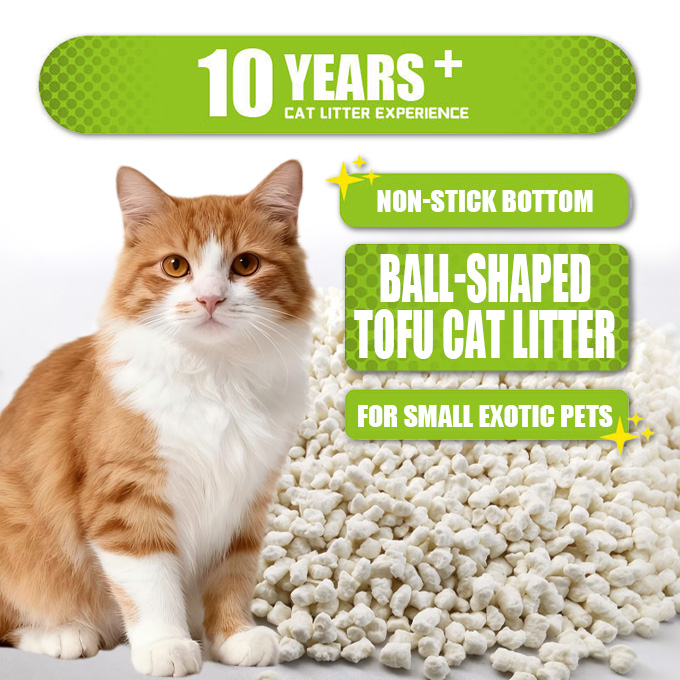
Strong Clumping Best Water Absorption Ball Shaped Tofu Cat Litter
- Solid Clump
- No Tray Residue
- Export Grade
1. Agronomic Architecture: The Starch Gelatinization Dynamics of Corn Cat Litter
Modern pet hygiene procurement has evolved beyond coarse mineral mining. As Victorian retailers and international distribution groups address heightened consumer scrutiny regarding respiratory safety, environmental lifecycle management, and residential sewer impact, natural corn starch substrate engineering has emerged as the definitive benchmark for sustainable feline hygiene.
At our specialized manufacturing facility, corn cat litter is synthesized via precision thermal extrusion that transforms whole food-grade yellow maize flour and cold-pressed botanical starch fractions into an engineered micro-porous matrix. Unlike sodium bentonite, which relies on smectite clay lattice expansion through hydraulic swelling, corn cat litter leverages the physical-chemical properties of amylose and amylopectin polymers.
Capillary Absorption Velocity
Upon fluid contact, hydrophobic outer grain surfaces collapse into interstitial micro-voids, drawing feline urine downward via capillary action in under 1.5 seconds. This eliminates tray pooling and prevents saturated paste formation at litter pan bases.
Amylopectin Gel Lattice
Hydrated starch chains unravel and cross-link instantaneously with plant guar gum additives, constructing a dense, rigid cohesive clump. The agglomeration exhibits high shear resistance under manual scooping without shattering or releasing airborne dust.
Bio-Enzymatic Odor Trapping
Rather than using artificial masking fragrances, natural corn fibers feature an intrinsic negative ionic surface charge that traps volatile ammonia (NH₃) cations and sulfur mercaptans, binding microbial odor molecules at molecular receptor sites.
Through secondary high-pressure conditioning and low-temperature drying phases, our pellet moisture profile is maintained strictly below 9.5%. This critical moisture threshold completely inhibits mold formation, aflatoxin generation, and fungal spore proliferation during oceanic container transit across tropical shipping lanes to the Southern Hemisphere.
2. Victorian Localization: Applied Application Scenarios Across Greater Melbourne
The state of Victoria represents Australia’s fastest-growing urban density hub, with Melbourne’s high-rise residential landscape expanding across Southbank, Docklands, and Box Hill. Simultaneously, regional Victoria—from Geelong and Ballarat to the Mornington Peninsula—exemplifies an affluent demographic characterized by dedicated pet ownership paired with ecological preservation values.
High-Density Melbourne Apartments
Compact apartment living eliminates access to open garden disposal. Feline guardians require instant toilet flushability and 100% dust-free safety to protect indoor HVAC recirculating air quality in confined spaces, preventing feline asthma and tracking across hardwood flooring.
Victorian FOGO Circular Integration
With Victoria’s progressive municipal roll-out of Food Organics and Garden Organics (FOGO) green kerbside bins, corn cat litter directly aligns with local council mandates. Certified completely biodegradable, spent clumps degrade in domestic composting units within 30 to 45 days.
Coastal Humidity Stability
From Port Phillip Bay to coastal Bass Strait settlements, Victorian coastal air experiences sharp seasonal humidity swings. Bentonite mud and cheap paper litters turn damp, soggy, and sour. Our modified corn starch retains hard granular integrity up to 88% ambient relative humidity.
For independent pet retail networks, vet clinics, and boutique online subscription models across Victoria, carrying plant-derived corn cat litter provides a verifiable green credential. It captures the modern consumer willingness to invest in certified sustainable, low-mess pet hygiene essentials.
3. Victorian Market Trends: The Transition from Strip-Mined Bentonite to Corn Granules
The Australian pet care sector has entered an era of profound transformation. Victorian consumer preferences have shifted away from strip-mined bentonite clay cat sand and crystalline silica toward plant-based, circular-economy products. This transition is propelled by three primary catalysts:
1. EPA Victoria Landfill Levy Pressures: Landfill levies imposed on municipal and commercial waste management within Victoria have climbed steadily. Commercial boarding catteries, shelter organizations, and multi-cat households face escalating waste disposal expenses when discarding heavy, inert bentonite waste. Corn litter dramatically decreases discarded mass due to its ultra-concentrated scooping volume and biological breakdown capacity.
2. Respiratory Health and Silica Dust Scrutiny: With growing veterinary and medical awareness of respirable crystalline silica (RCS) hazards, pet parents are actively rejecting powdery clay litters that release clouds of fine particulate matter during pouring and sifting. Our multi-stage dust extraction technology ensures our corn pellets exhibit less than 0.3% fine sediment, securing a safe indoor environment for cats and allergy-prone household occupants.
3. Carbon Footprint and Marine-Friendly Supply Chains: Sodium bentonite imports involve energy-intensive open-pit mining, crushing, and high-heat rotary kiln baking. Corn cat litter utilizes agricultural grain fractions, capturing atmospheric carbon during its agronomic cultivation cycle and minimizing the end-to-end carbon balance per container shipped directly into the Port of Melbourne.
4. Engineering & Operational Comparison Matrix
The following performance breakdown outlines the physical, chemical, and logistics attributes of major cat litter substrates evaluated by commercial procurement officers:
| Performance Dimension | Food-Grade Corn Starch | Sodium Bentonite Clay | Silica Gel Crystal | Recycled Pine / Wood |
|---|---|---|---|---|
| Clumping Velocity | Fast (< 1.5 Seconds) | Fast (2.0 - 4.0 Seconds) | Non-Clumping (Absorbent) | Slow Clump / Disintegrating |
| Dust Measurement (<100μm) | < 0.3% Dust Free | 2.5% - 6.0% (High Dust) | 0.8% - 1.5% (Silica Dust) | 1.2% - 3.0% (Wood Fines) |
| Hydraulic Fluid Retention | > 550% - 620% w/w | 280% - 350% w/w | 180% - 220% w/w | 200% - 260% w/w |
| Disposal & Flushability | 100% Flushable & FOGO Safe | Strictly Non-Flushable (Pipe Clogs) | Landfill Only | Compostable / Non-Flushable |
| Bulk Density (Shipping Cost) | 0.52 - 0.58 g/cm³ (Lightweight) | 0.85 - 1.05 g/cm³ (Heavy) | 0.42 - 0.48 g/cm³ | 0.45 - 0.52 g/cm³ |
| Respiratory Ingestion Safety | 100% Digestible Plant Fiber | Intestinal Impaction Hazard | Toxic Mineral Indigestion | Softwood Phenol Ingestion |
5. Enterprise Manufacturing Authority & Shandong-to-Victoria Direct Export System
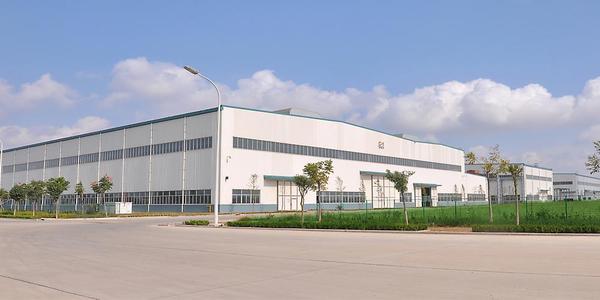
Operating as an established manufacturer and global exporter, Yantai Jaskin Pet Products Co., Ltd. (founded in 2020 in Zhaoyuan, Shandong) bridges industrial-scale production precision with rigorous oceanic export compliance. Our integrated facility spans over 2,600 m² of verified industrial floorspace, audited and independently verified onsite by Intertek.
Intertek Onsite Assessed Facility
Our raw material sourcing, automated processing conveyors, moisture sensors, and tensile bag packaging lines have undergone full onsite assessment by Intertek. Comprehensive inspection certificates and batch analysis dossiers accompany every Victorian Bill of Lading.
Full OEM & ODM Private Label
We empower Victorian brand owners with complete bespoke customization: custom pellet diameters (1.5mm, 2.0mm, or crushed granule types), color-changing pH health indicators, customized botanical essences, vacuum brick pouches, stand-up zip pouches, and outer carton packaging.
Australian DAFF Biosecurity Protocol
Importing plant-based agricultural products into Melbourne requires strict compliance with Australia’s Department of Agriculture, Fisheries and Forestry (DAFF). Our high-temperature sterilization processes, hermetic moisture barriers, and clean handling procedures guarantee zero organic pest infestation.
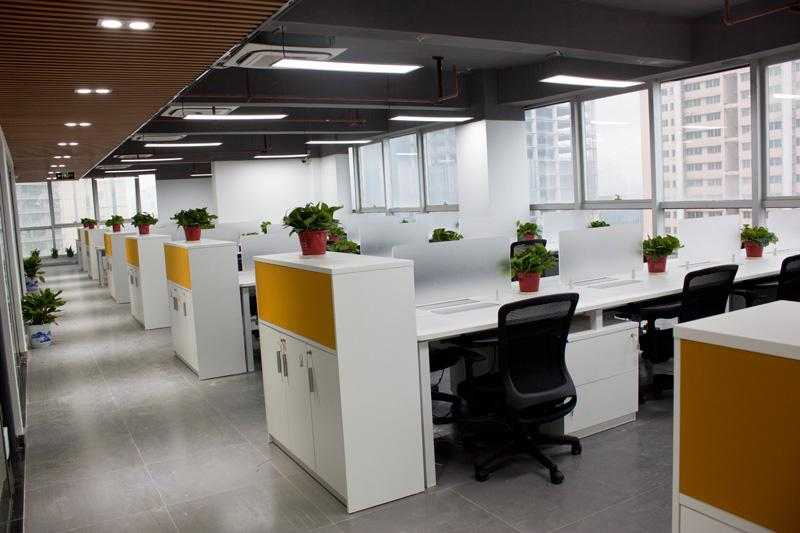
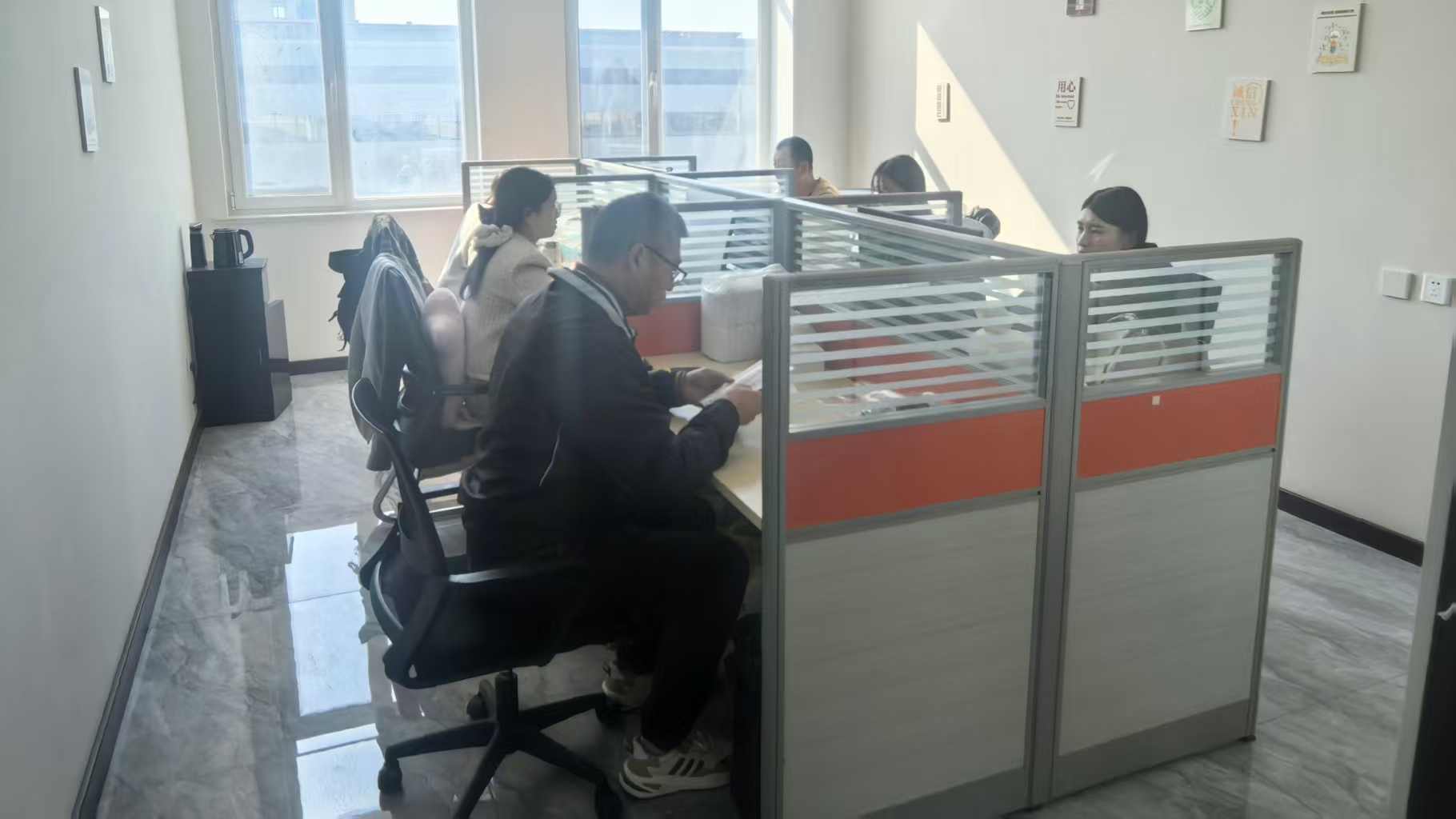
Visual Inspection: Inside Our Processing and Quality Testing Lines
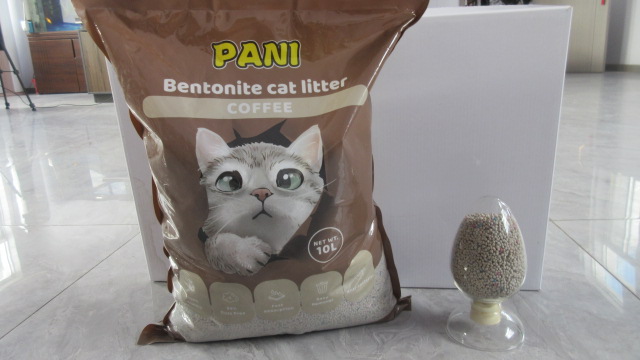
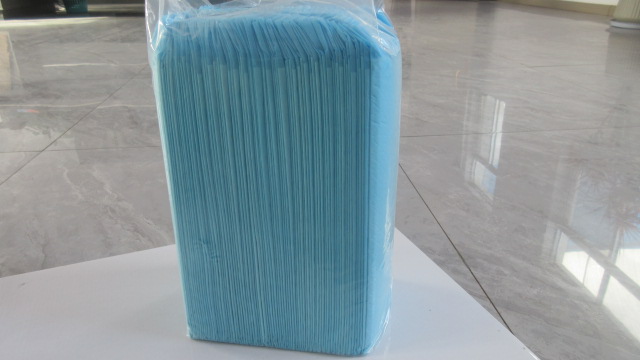
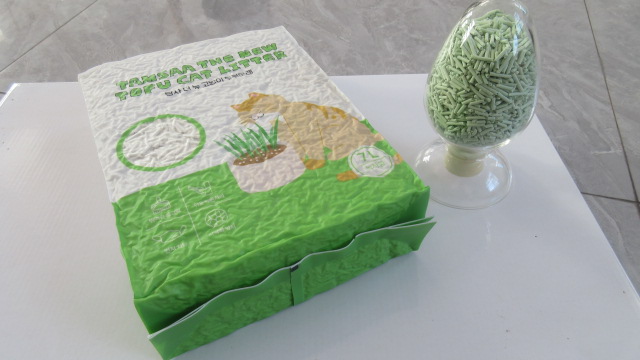
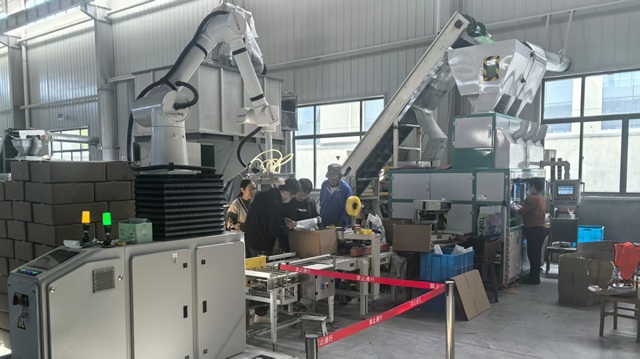
Direct photographic verification of our workshop environments, testing instrumentation, automated packing arrays, and oceanic export loading bays:
6. Victorian Logistics Blueprint: Shipping, Pallet Standardization & Port Entry
A dependable factory partnership requires more than quality production; it demands seamless, predictable supply chain execution. Shipping corn cat litter from our factory docks into Victoria operates through an optimized maritime freight workflow designed for maximum efficiency:
Port of Melbourne Direct Inbound Routing
Dispatched directly from Qingdao Port, our maritime containers sail via express direct routes into DP World or Patrick Terminals at the Port of Melbourne. Average open-sea transit times span 14 to 18 days, minimizing inventory holding costs for Australian distributors.
Standardized Australian Pallet Sizing
To ensure immediate compatibility with major Victorian retail warehouses and 3PL distribution centers, we pack using genuine Australian Standard Pallets (AS 4068: 1165mm × 1165mm). Shrink-wrapping with desiccants safeguards against moisture ingress throughout sea legs.
Customs, Tariffs & ChAFTA Concessions
Under the China-Australia Free Trade Agreement (ChAFTA), imports of eligible plant-based pet hygiene cat litter receive preferential tariff exemptions (Certificate of Origin Form CHAFTA provided). We supply complete clean trade documentation for swift clearance.
7. Frequently Asked Questions by Victorian Importers & Procurement Teams
Clear, definitive guidance addressing regulatory compliance, commercial MOQ thresholds, shelf-life longevity, and bespoke private-label packaging execution:
What biosecurity permits are required by the Australian DAFF to import corn cat litter into Victoria?
Because corn cat litter is derived from agricultural grain starch, it is classified under plant product tariffs by the Australian Department of Agriculture, Fisheries and Forestry (DAFF). Import clearance requires proof that the product has undergone high-temperature, high-pressure extrusion (thermal gelatinization) exceeding 90°C during core manufacturing, rendering all seed matter and biological spores completely non-viable. We supply comprehensive Manufacturer’s Declarations, technical production flowcharts, and batch-specific lab certificates confirming commercial sterility, facilitating seamless customs and quarantine clearance at the Port of Melbourne without mandatory onshore fumigation delays.
What is the Minimum Order Quantity (MOQ) for custom private label packaging destined for Melbourne retailers?
For custom gravure-printed retail bags (such as 6L, 10L, or 18L stand-up vacuum pouches or side-gusset handles), our standard production MOQ for custom packaging film printing is 5,000 to 10,000 bags per artwork SKU. However, for initial market testing and trial runs across Victorian retail networks, we can accommodate smaller batch runs starting at approximately 400–500 kg using pre-formed neutral vacuum bags with high-resolution custom adhesive branding labels. For bulk freight containerization (Full Container Load), an optimal 20ft GP container comfortably holds approximately 11 to 13 metric tons, while a 40ft HQ holds approximately 22 to 24 metric tons, maximizing ocean freight volume efficiencies.
How does corn cat litter perform in Melbourne's cooler, damp winter months compared to clay litter?
During Melbourne's colder, rain-prone winter season, traditional bentonite litter often struggles to evaporate absorbed moisture from ambient indoor air, becoming clayey and difficult to sift. In contrast, our engineered corn cat litter possesses a porous grain structure with an internal moisture content regulated strictly below 9.5%. It hydrates only upon direct exposure to concentrated fluid (feline urine), instantly forming a concentrated solid clump while leaving surrounding dry pellets unaffected. The clump maintains structural integrity without turning muddy, keeping litter boxes fresh even in enclosed indoor environments throughout winter.
Is corn cat litter truly safe to flush down residential Victorian plumbing and municipal sewers?
Yes. When immersed in high-volume water with hydraulic agitation (such as during a domestic dual-flush toilet cycle), the organic amylopectin and starch cross-links rapidly dissociate within 30 to 45 seconds, dissolving into an inert, biodegradable slurry that passes smoothly through standard 90mm and 100mm residential drain pipes. It will not settle, accumulate, or calcify inside sanitary bends like bentonite mud. For homes connected to local septic systems across outer Melbourne or rural Victoria, corn litter breaks down entirely without unbalancing biological anaerobic digestion flora.
Can we formulate customized natural fragrances tailored to the Australian pet market?
Absolutely. While raw corn litter features an appealing, natural cereal aroma that cats instinctively accept, we frequently formulate specialized, pet-safe aromatic profiles for commercial brand owners. Leading selections for the Victorian marketplace include natural Green Tea leaf extract, Roasted Coffee bean extract, Pure Botanical Lavender, Fresh Peach essence, Activated Bamboo Charcoal, and unscented hypoallergenic blends. All aromatic compounds utilize cosmetic-grade botanical extracts devoid of synthetic terpenes or essential oil distillates that could provoke feline respiratory sensitivities.
What are the commercial trade payment terms and international shipping incoterms provided?
We provide standard international B2B commerce terms to accommodate the operating requirements of Australian importers. We support FOB (Free on Board - Qingdao Port), CFR (Cost and Freight - Port of Melbourne), CIF (Cost, Insurance and Freight), as well as seamless DDP (Delivered Duty Paid) and DDU directly to your nominated Victorian logistics depot or warehouse address. Standard commercial settlement is transacted in USD via Wire Transfer (T/T), with progressive production deposits and balance remittance upon presentation of original ocean shipping documents, as well as Irrevocable Letters of Credit (L/C at sight) for established procurement organizations.
What is the guaranteed warehouse shelf life of vacuum-packed corn cat litter in regional storage?
When sealed in our commercial multi-layer nylon/polyethylene hermetic vacuum bricks or heavy-duty foil-laminated retail packaging, our corn cat litter carries a stable guaranteed shelf life of 24 months. Our factory controls moisture levels down to the initial bagging point, preventing grain degradation, starch retrogradation, or insect development. Pallets can be stored safely in commercial industrial distribution centers throughout Dandenong, Laverton North, and Truganina without requiring specialized temperature-controlled environments.
Accelerate Your Pet Hygiene Supply Chain
Partner directly with an Intertek-audited manufacturing factory. Request comprehensive wholesale price schedules, technical specification data sheets, and custom-branded sample testing kits dispatched promptly to Victoria.
Contact Us