High-Efficiency Clumping Cat Sand Engineered for B2B Importers
Custom-tailored granulation sizes, enhanced capillary moisture-trapping properties, and vacuum-sealed tropical barrier packaging designed specifically to combat humidity spikes throughout El Salvador.
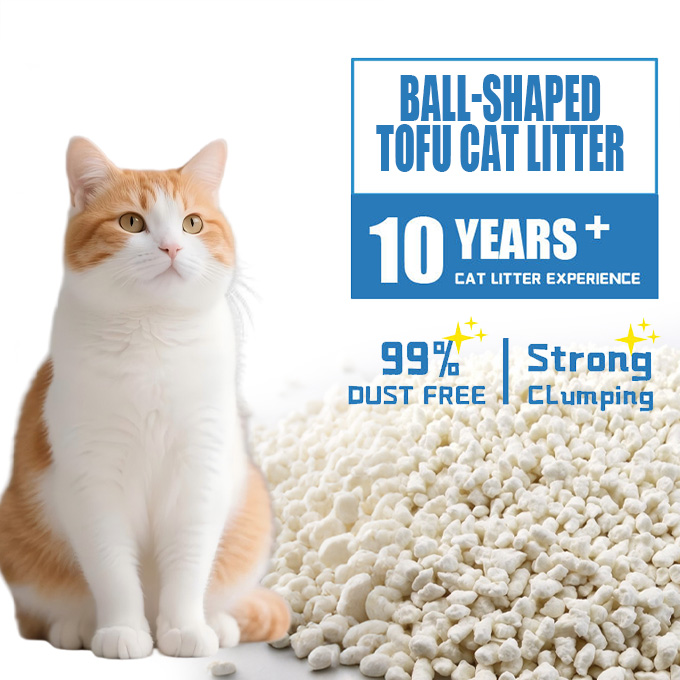
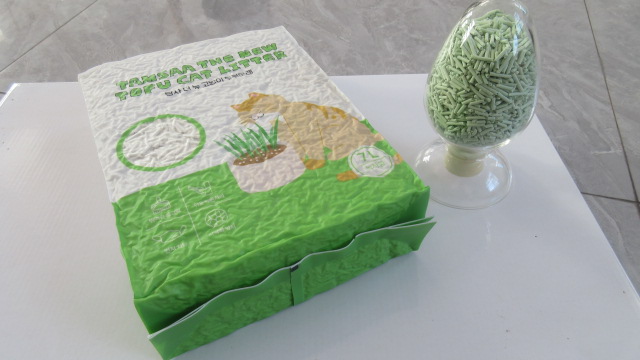
Green Tea Lavender Scent White Particles Ball Shaped Tofu Cat Litter
Spherical plant-derived granules that roll into tight, cohesive clumps in under 2.5 seconds. Micro-encapsulated lavender essence releases aroma upon contact with liquid, neutralizing ammonia odors.
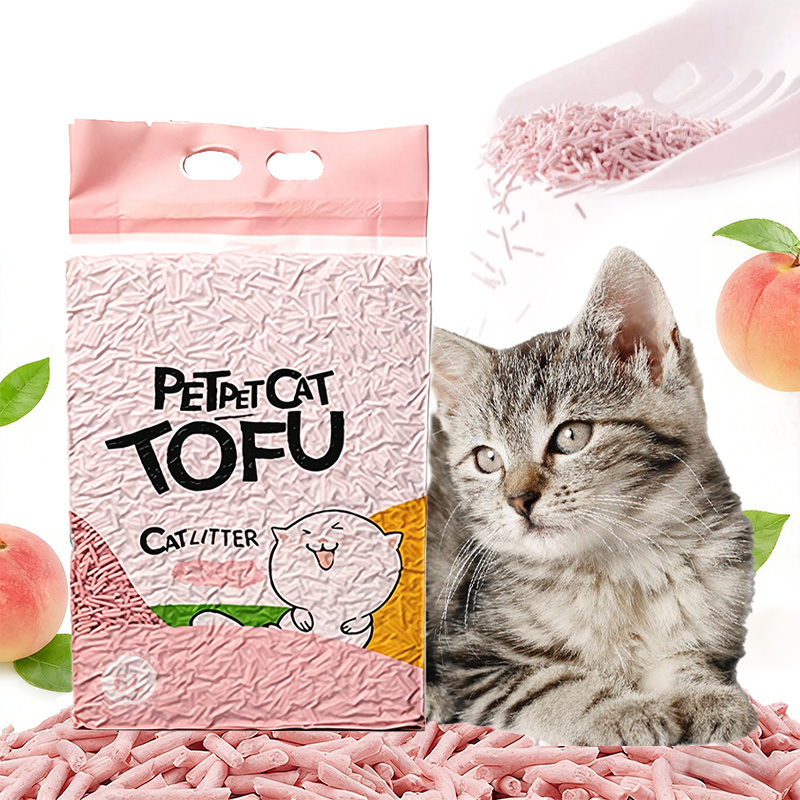
Accept ODM and OEM Easy Scooping Free Sample Clumping Cat Litter Wholesale Dust Free Vacuum Package Tofu Cat Litter
Multi-channel triple-dedusted formulation designed for private label brands. High-density vacuum brick packaging prevents pellet breakage during transpacific freight to Acajutla.
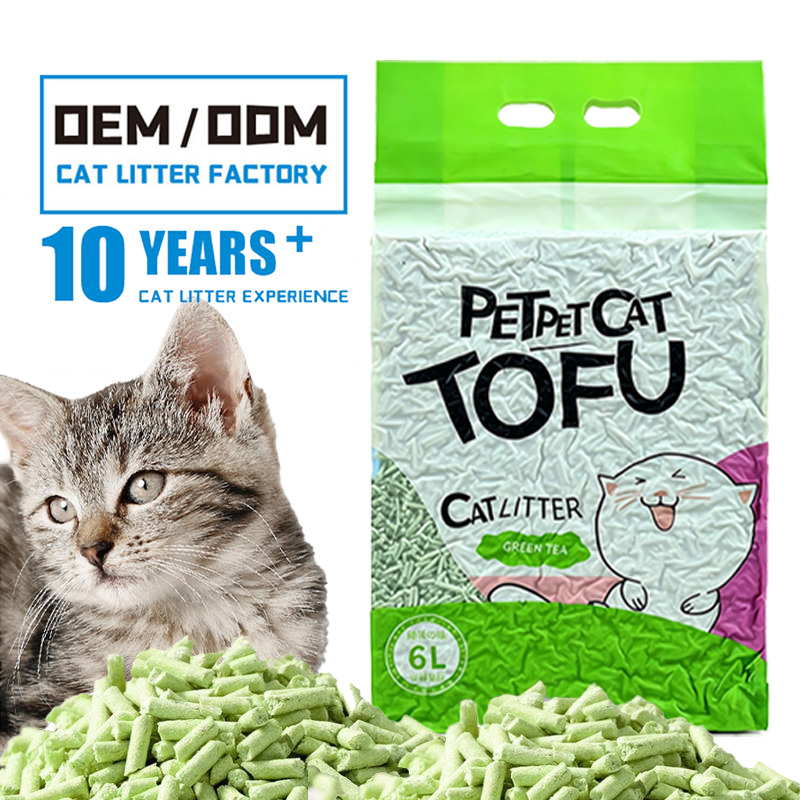
Bamboo Easy Scooping Free Sample Clumping Cat Litter Wholesale Dust Free Vacuum Package Tofu Cat Litter
Reinforced with natural bamboo fibers containing antimicrobial ‘bamboo kun’ compounds. Inhibits bacterial growth and moisture rebound in humid coastal atmospheres.
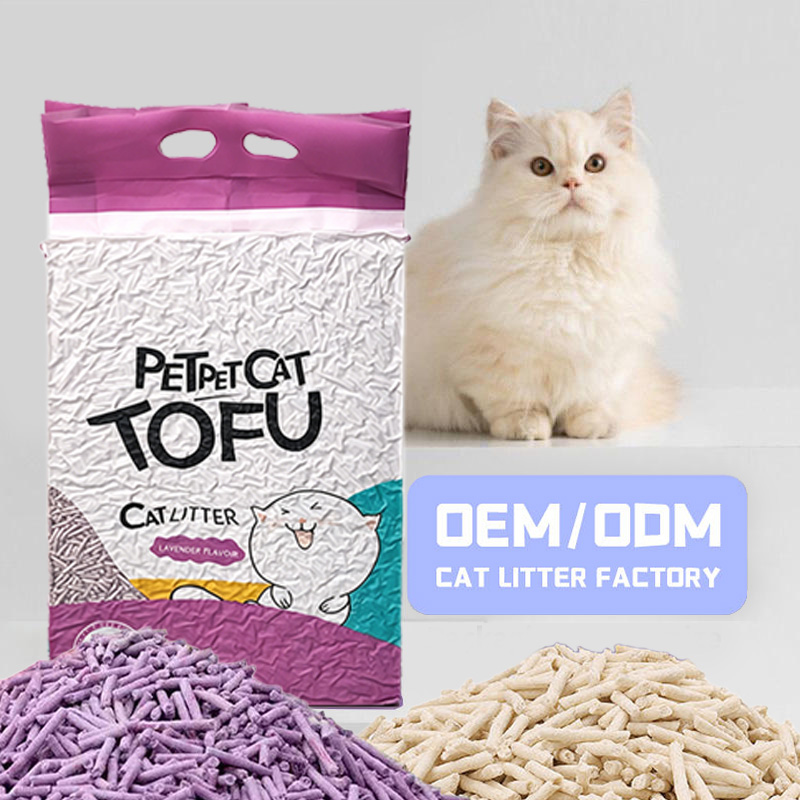
Add Deodourant Original Biodegradable Fast Clumping Coffee Scent Dust Free Supplier Wholesale Premium Tofu Cat Litter
Infused with recycled coffee grounds and organic deodorizing agents. Designed for apartment dwellings across San Salvador where indoor odor dissipation is limited.
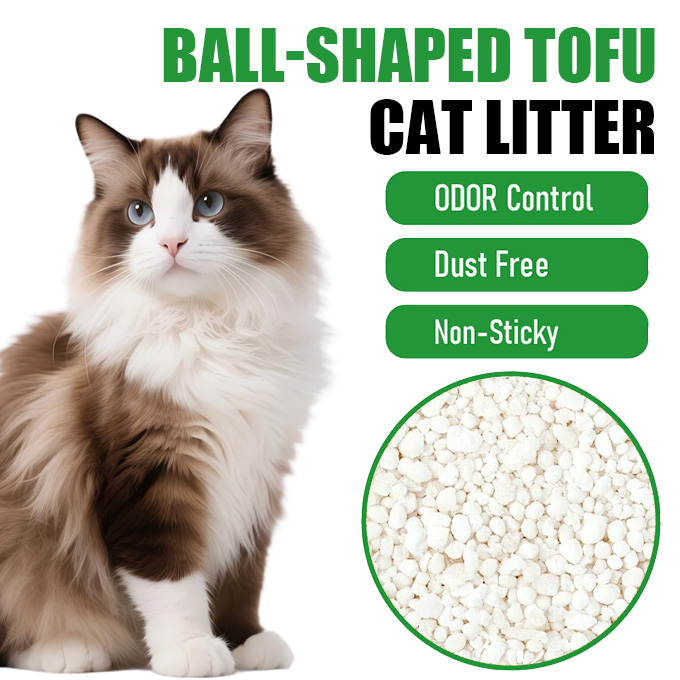
Fast Clumping Dust Free Supplier Wholesale Ball Shaped Tofu Cat Litter
Hard micro-ball architecture with zero powdery residue. Prevents respiratory irritation in cats and eliminates dusty tracking across tiled floors and residential hardwood.
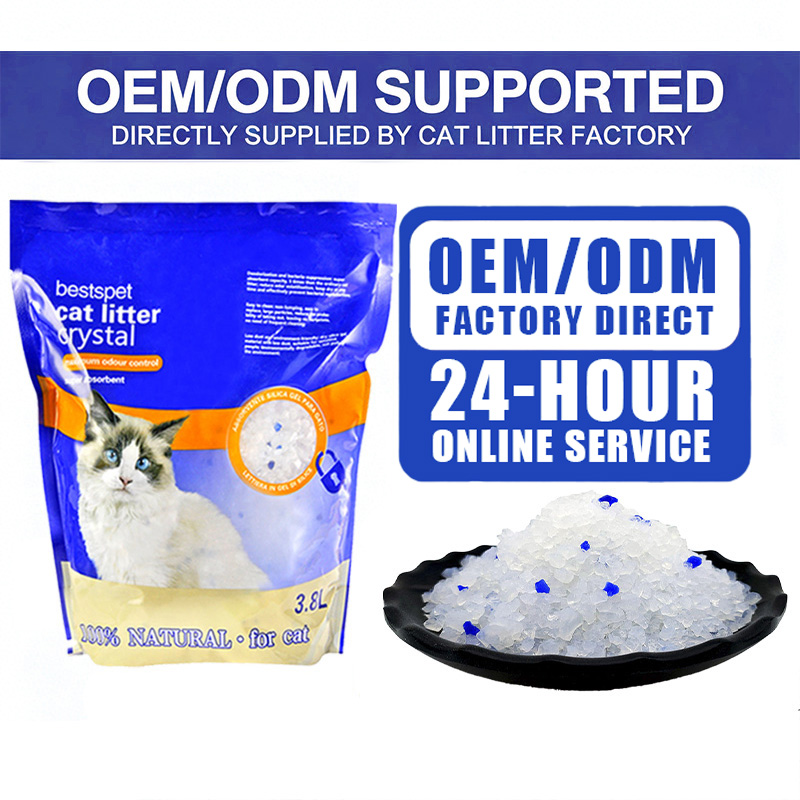
Sustainable Pet Supplies Wholesale Eco-friendly Health Care Monitoring Indicator Cat Litter Ph Indicator Silica Gel Cat Litter
Color-changing diagnostic granules calibrated to respond to feline urinary pH variance. Visual early warning indicator for FLUTD, cystitis, and alkaline calculi formation.
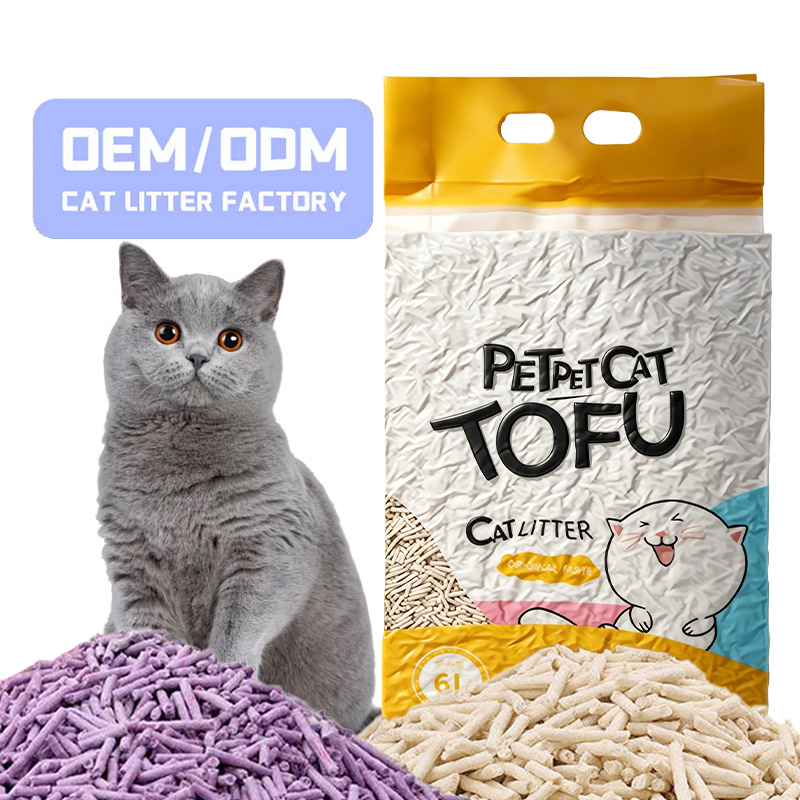
Active Carbon Ball Easy Scooping Clumping Cat Litter Wholesale Tofu Cat Litter Free Sample 100% Pure Ball Shaped Tofu Cat Litter
Integrated with high-iodine coconut activated carbon granules. The internal porous cellular network captures foul smelling hydrogen sulfide and mercaptan gas molecules.
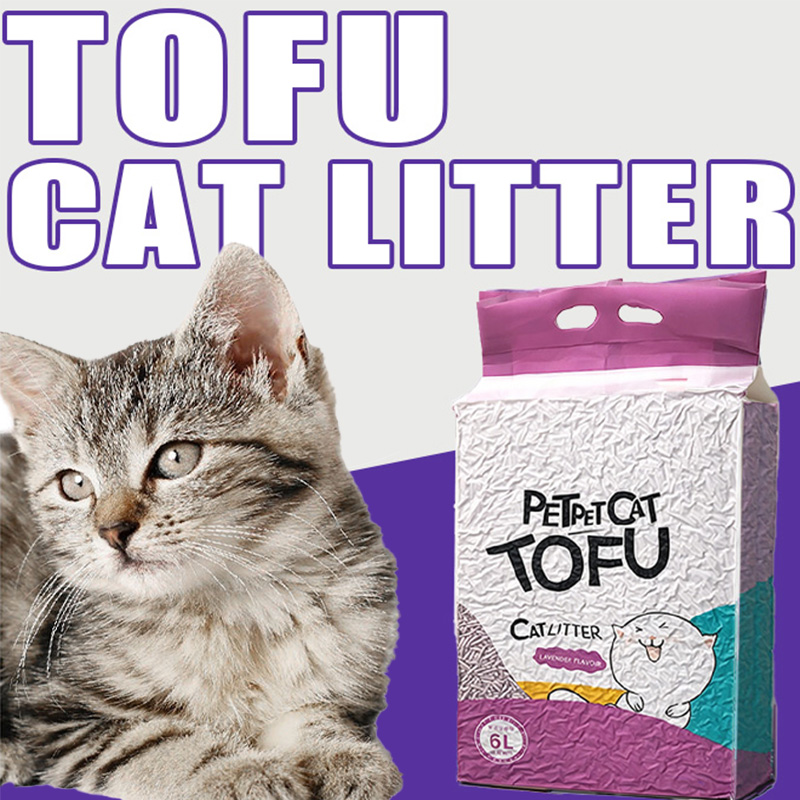
Stand up Bag Package Food Original Biodegradable Fast Clumping Coffee Scent Dust Free Premium Plant Eco Clean Tofu Cat Litter
Commercial consumer packaging with reinforced ergonomic carry handles. High-tensile metallized film protects the internal clumping additives from ambient humidity shelf decay.
Localized Engineering for San Salvador's Urban Environment
Procuring cat sand for El Salvador requires technical consideration of tropical atmospheric humidity, domestic architectural drainage frameworks, and evolving apartment living across the San Salvador metropolitan area.
Mitigating Tropical Wet-Season Moisture Rebound
San Salvador experiences a distinct tropical savanna climate (Köppen Aw) with a torrential wet season extending from May through October, driving ambient relative humidity levels above 82% to 90%. Traditional sodium bentonite clays imported with low binder integrity absorb ambient air vapor before feline urine contact, resulting in loose, sticky, mud-bottom clumps that adhere tenaciously to litter trays. Our specialized formulas incorporate surface-modified montmorillonite clay combined with hydrophobic physical screenings, securing a rapid clumping speed of under 3 seconds without premature atmospheric hydration.
Apartment Densification in Escalón & Santa Elena
The urban footprint of the San Salvador metropolitan area (AMSS)—particularly modern residential condominiums in Colonia Escalón, San Benito, Santa Elena, and Antiguo Cuscatlán—has created high-density multi-story cat parenting environments without private gardens. Standard litter formulas produce fine silica crystalline dust particles that settle over living spaces and circulate through closed-circuit air conditioning units. Jaskin's multi-stage negative pressure cyclone dedusting system eliminates 99.8% of micro-particulates, delivering a hypoallergenic product that safeguards indoor air quality in compact apartments.
Wastewater Infrastructure & Flushable Demands
Municipal solid waste management in urban San Salvador faces strict municipal disposal protocols. Plant-based tofu and pea fiber litters are rapidly gaining commercial velocity because they allow domestic consumers to flush used clumps directly down sanitary sewer pipelines. Our water-soluble plant starch binders dissolve completely in turbulent cold water within 15 seconds, preventing clogs in domestic PVC plumbing or residential septic tank installations across historic neighborhoods such as Mejicanos or Santa Tecla.
Commercial Trends in El Salvador's Pet Hygiene Sector
A comprehensive assessment of regulatory protocols, purchasing power shifts, retail consolidation, and supply chain realities for importers operating within the USD-denominated Salvadoran economy.
Dollarization Advantage & B2B FX Stability
Because El Salvador has operated under full monetary integration with the United States Dollar (USD) since 2001, Salvadoran pet supply importers do not face local currency foreign exchange (FX) volatility or depreciation risks when financing overseas procurement. Quotes issued by our Yantai factory in USD offer direct financial predictability, allowing commercial wholesalers to maintain steady gross margins when servicing large supermarket contracts (such as Súper Selectos and Walmart Centroamérica) or distribution networks to local veterinarias.
The Acceleration of "Pet Humanization"
Household demographics in Greater San Salvador are tracking regional Latin American trends toward smaller nuclear families and higher disposable spending allocated to companion animals. Cats are increasingly viewed as foundational family members (hijos de cuatro patas). This cultural transformation has accelerated consumer willingness to upgrade from basic untreated agricultural sand or low-grade coarse gravel to engineered, scented, plant-based, and diagnostic mineral litters with verifiable health advantages.
Rise of Private Label Brand Equity
Supermarket chains, pet boutique networks, and large veterinary distribution conglomerates across Central America are shifting away from expensive multinational brand-name products in favor of high-margin private label lines. Importers who partner directly with an Intertek-verified source can customize retail-ready stand-up pouch packaging with bilingual Spanish-English branding, custom net weights (e.g., 6L, 10L, 4.5kg, 10kg), and competitive wholesale cost baselines that offer higher distributor margins.
Comparative Performance Matrix: Cat Sand Substrates
Selecting the optimal product mix for retail distribution in San Salvador requires balancing raw material chemistry, shipping bulk density, moisture control, and customer disposal habits.
| Substrate Parameter | Sodium Bentonite Sand | Composite Tofu / Pea Fiber | Active Carbon Mineral | pH Indicator Silica Gel |
|---|---|---|---|---|
| Clumping Mechanism | Electrostatic clay swelling | Natural starch adhesive mesh | Hydraulic agglomeration | Non-clumping (internal absorption) |
| Hydration Capacity | 350% – 450% weight ratio | 500% – 650% weight ratio | 300% – 400% weight ratio | 120% – 150% pore saturation |
| Clumping Speed | < 3.0 Seconds | < 2.0 Seconds | < 3.5 Seconds | N/A (Crystalline liquid lock) |
| Bulk Density (g/L) | 850 – 950 g/L (Heavy) | 450 – 520 g/L (Lightweight) | 800 – 900 g/L (Medium-Heavy) | 400 – 450 g/L (Ultralight) |
| Dust Suppression Index | 98.5% (Dedusted) | 99.8% (Near Zero Dust) | 98.8% (Screened Ore) | 99.2% (Micro-Crystalline) |
| San Salvador Disposal | Household waste bag only | Flushable in domestic toilets | Household waste bag only | Compostable / Regular refuse |
| Ideal Channel Placement | High-volume mass retail | Premium pet stores, modern condos | Veterinary odor control programs | Clinical health monitoring lines |
| B2B Market Status | Core High Volume | Fastest Growth | Specialty Niche | High Value Add |
Ocean Freight & Port Clearance from Shandong to El Salvador
A reliable supply chain for dense, moisture-sensitive cat sand demands meticulous container optimization, Pacific ocean routing, and compliance with national customs agencies.
Maritime Routing: Qingdao/Yantai to Acajutla
Cargo originates at our facility in Zhaoyuan, Shandong, with direct staging at Qingdao or Yantai Port. Container vessels sail along Trans-Pacific maritime lanes operated by carriers like Maersk, MSC, Cosco, and CMA CGM. The standard ocean transit time to the Puerto de Acajutla—El Salvador’s primary Pacific container gateway in Sonsonate—typically spans 28 to 36 days. From Acajutla, standard container transport moves directly along the CA-8 highway corridor into inland distribution hubs across San Salvador in less than 3 hours.
Container Payload Optimization (20GP vs 40HQ)
Cat litter logistics are shaped by maximum weight-versus-cube parameters. For dense mineral and bentonite products (850–950 kg/m³), cargo hits standard ocean weight limits inside 20-foot GP containers (payload capped at 21–25 metric tons depending on road haulage limits enforced by the Viceministerio de Transporte). For lightweight tofu and plant pellet litters (450–520 kg/m³), we utilize 40-foot HQ containers to maximize volumetric capacity, fitting up to 55 to 60 cubic meters of vacuum-compressed retail cartons without exceeding road weight restrictions.
Customs Tariff (DAI) & MAG Sanitary Compliance
Imports into El Salvador fall under the Central American Tariff System (SAC). Cat litter is typically imported under tariff heading SAC 2508.10 (Bentonite) or SAC 3824.99 (Prepared hygiene absorbents), subject to the standard Import Tariff (DAI) along with the local 13% Value Added Tax (IVA). For organic plant litters containing agricultural derivatives like pea fiber or soy, our documentation team prepares Phytosanitary Certificates and certificates of origin to facilitate smooth permit clearances through the Ministerio de Agricultura y Ganadería (MAG) and Dirección General de Aduanas (DGA).
San Salvador B2B Buyer FAQ & Commercial Guide
Answers to common questions from commercial buyers, supermarket distributors, and pet retail chains across El Salvador regarding order minimums, container planning, custom packaging, and quality guarantees.
What are the minimum order quantities (MOQ) for full container shipments to El Salvador? +
How does your factory protect cat sand from moisture degradation during transit to Acajutla? +
Can you produce private-label packaging with full Spanish labeling for the Salvadoran market? +
What international payment terms are accepted for Central American business accounts? +
How do you maintain consistent clumping strength and odor-binding performance across batches? +
What documentation do you provide to expedite import customs clearance at the Port of Acajutla? +
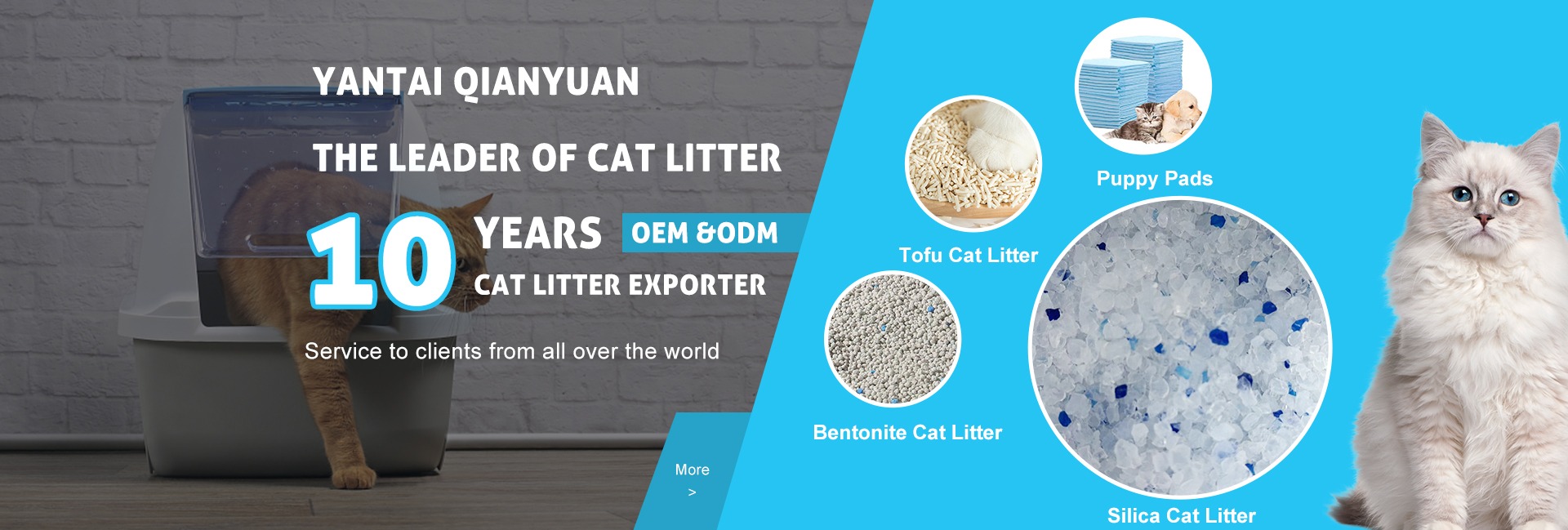
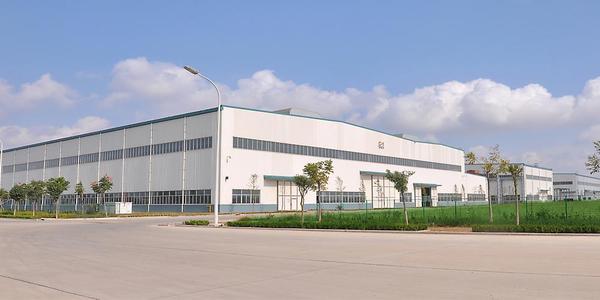
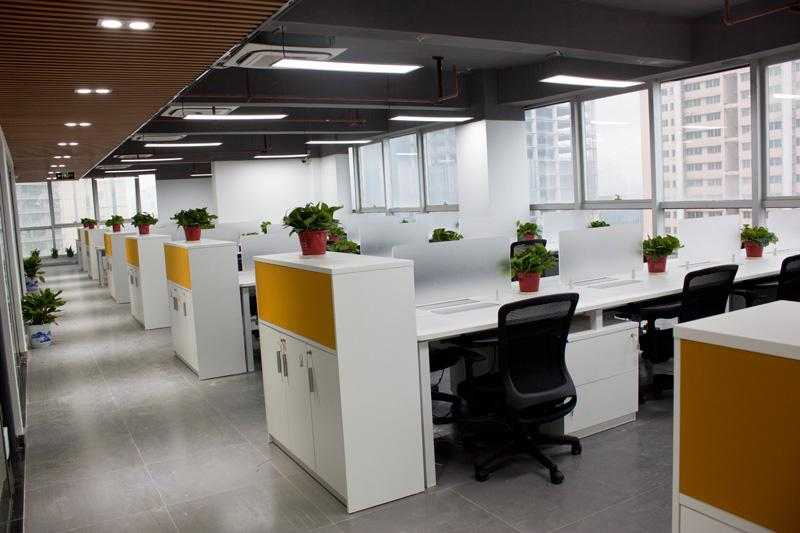
Yantai Jaskin Pet Products Co., Ltd.
Located in Zhaoyuan, Shandong—one of China's core mineral hubs and pet hygiene manufacturing clusters—our integrated production and export facility spans an Intertek-audited 2,600 square meters. We combine mineral extraction partnerships, advanced compounding extrusion lines, and dedicated ocean logistics coordination to deliver certified pet hygiene supplies to brand owners, supermarket chains, and wholesale distributors worldwide.
Request Samples & Factory-Direct Quotations for San Salvador
Whether launching a new private-label brand or optimizing margins on high-volume sodium bentonite and tofu cat sand containers, our export engineering team provides FOB, CFR, and CIF pricing directly to the Port of Acajutla.