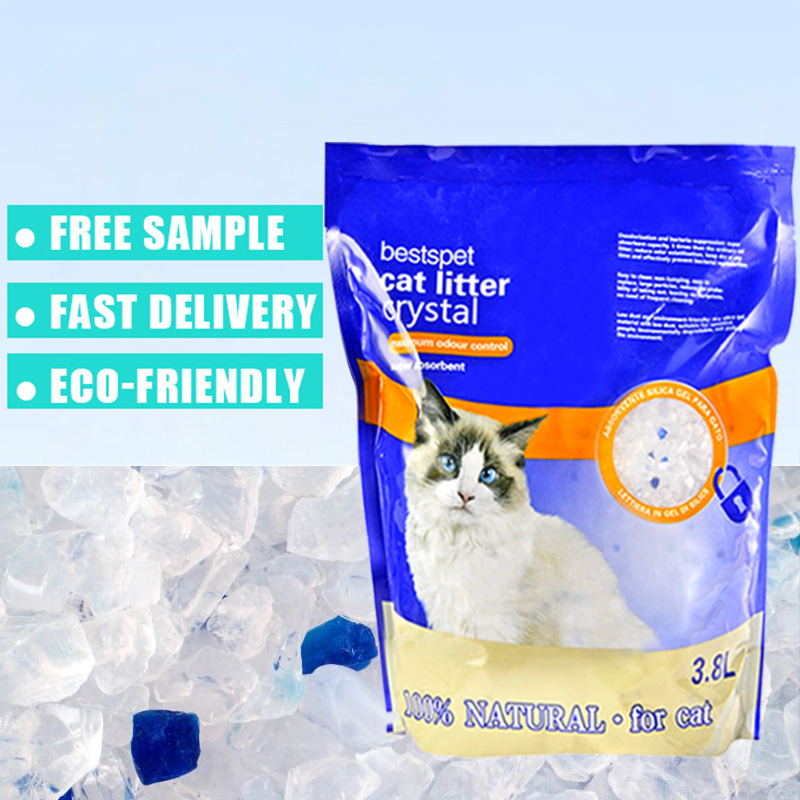
Crystal Natural Low Dust OEM Highly Absorbent Health Care Monitoring Low-tracking Odor Control Silica Gel Cat Litter
- Low Dust Formula
- pH Monitoring
- Pore Aeration
From biodegradable food-grade soy dregs to smart indicator mineral granules, our lines comply fully with strict European pet safety parameters and urban ecological disposal mandates.
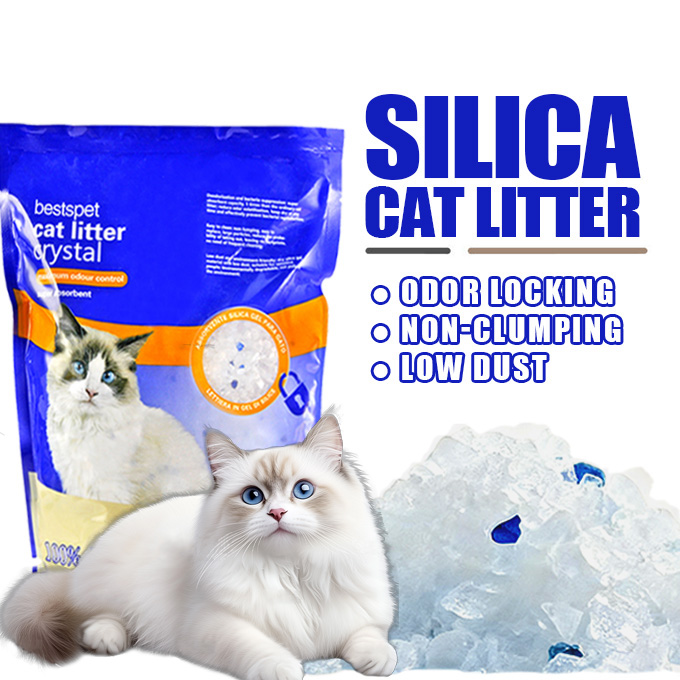
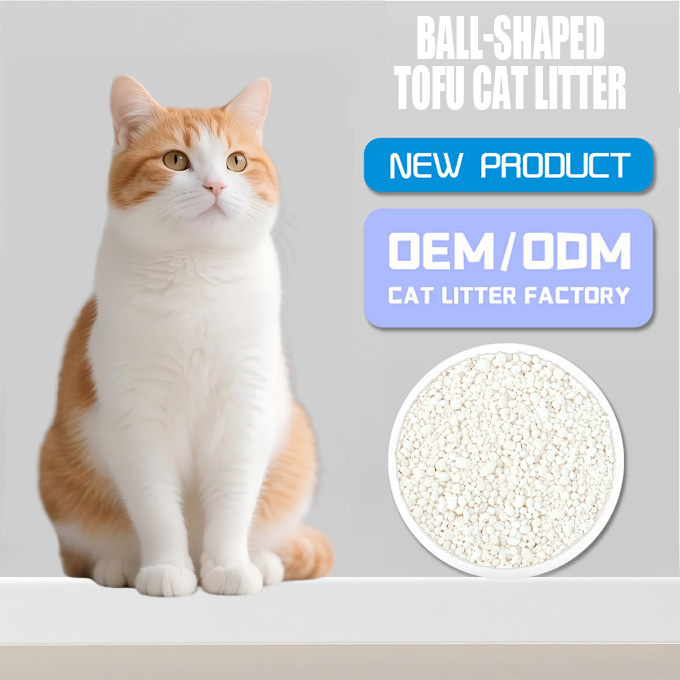
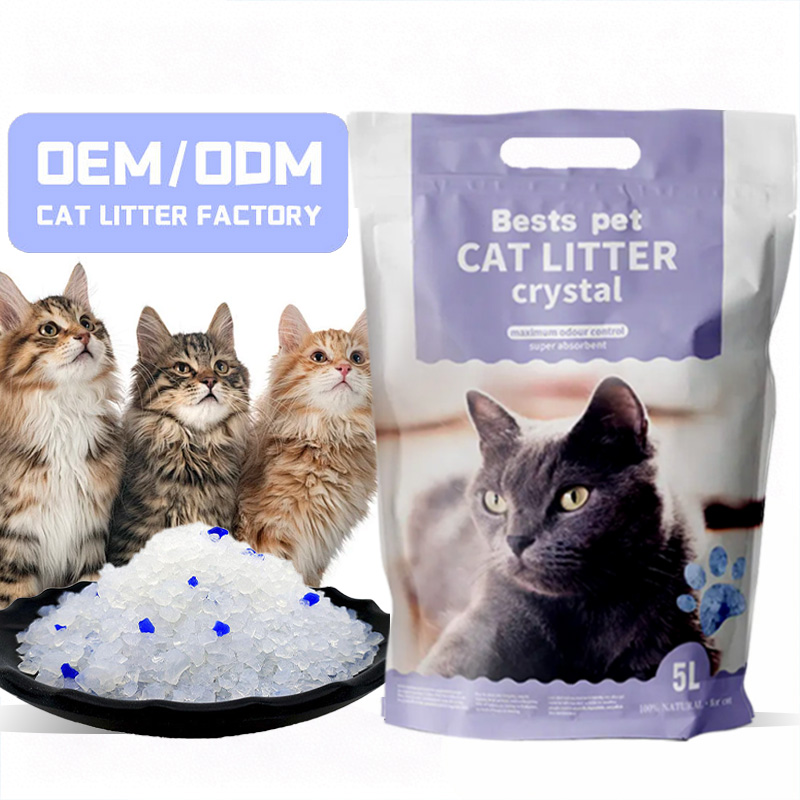
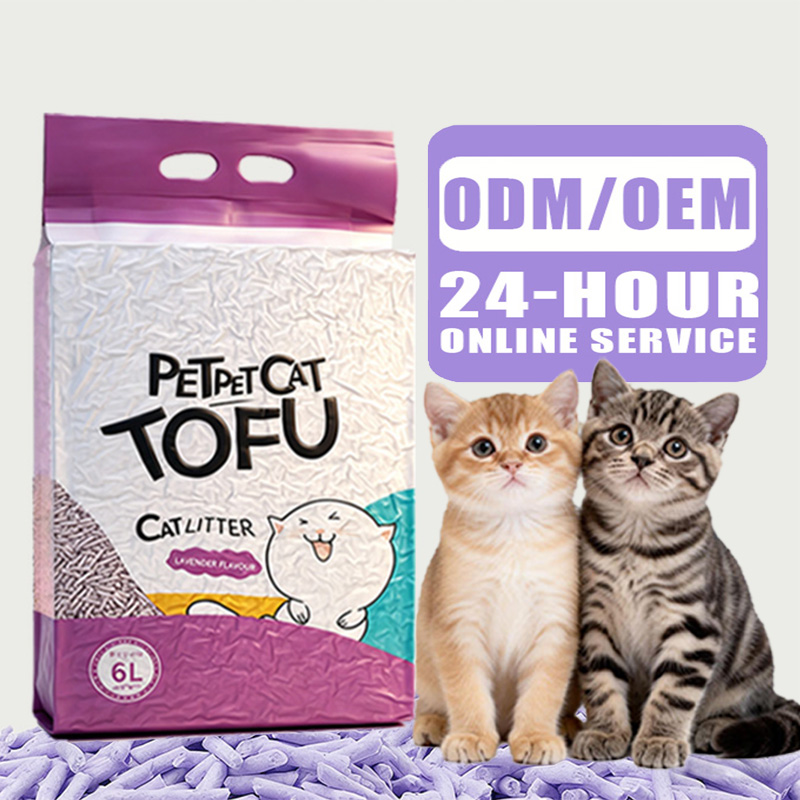
From post-industrial townhouses along the Sambre River to compact urban apartments in Ville-Basse and Mont-sur-Marchienne, modern Wallonian living spaces demand precise litter formulations.
Charleroi, the central economic engine of Wallonia, features a unique domestic demographic shaped by both its classic brick row homes (maisons ouvrières) and modern multi-family urban redevelopment zones. Historically, pet caretakers relied heavily on sodium bentonite clays. However, the architectural limitations of older residential properties—specifically narrow internal plumbing frameworks, vertical stairwells lacking freight elevators, and strictly monitored communal trash schedules—have exposed significant weaknesses in heavy, non-flushable mineral litters.
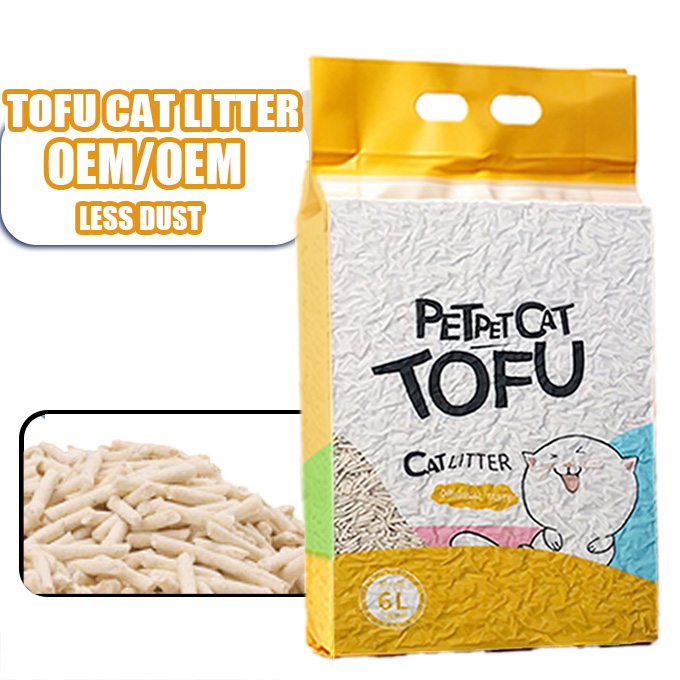
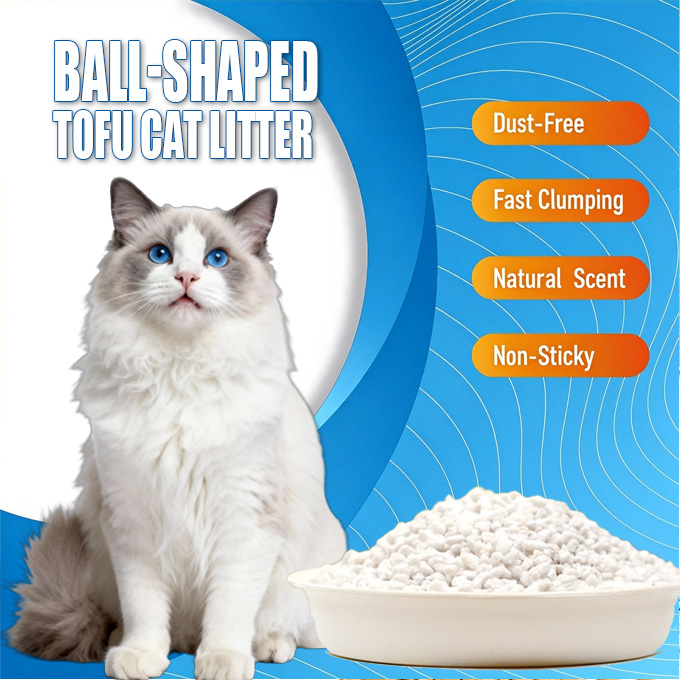
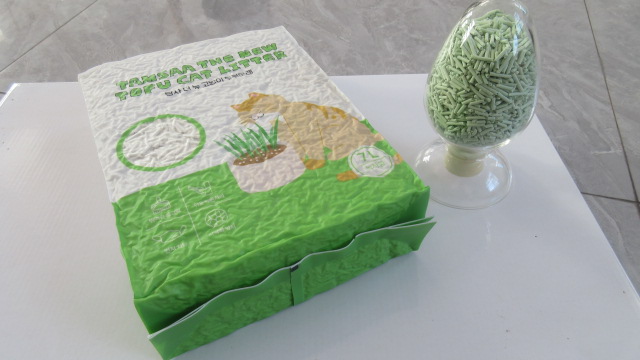
Our plant-based Soy/Tofu Cat Litter lines provide an engineered technical response to these challenges. Formulated from premium recovered soybean curd fibers combined with food-grade corn starches, these organic litters possess a natural hydrophilic matrix that reacts to feline urea within 1.5 seconds. For pet owners living across Charleroi's elevated urban zones, carrying 15kg bags of clay is replaced by compact, vacuum-sealed 2.5kg soy litter packages that offer identical operational lifespans through higher absorption volumetric efficiency.
The humid oceanic climate (Cfb) prevalent throughout the Hainaut province introduces seasonal atmospheric moisture that challenges traditional cat litter hygiene. During cool, wet months, standard bentonite often suffers from premature ambient hydration, resulting in sticky clay deposits at the pan base that harbor fungal spores and release unpleasant odors. Our soybean litter utilizes a controlled microwave-kiln dehydration process during extrusion, capping raw pellet moisture under 8%. When exposed to high indoor humidity, the pellet surface remains unreactive until targeted feline urination triggers localized cohesion, ensuring litters stay dry, odor-sealed, and dust-free across Belgian homes.
Compact living spaces demand immediate odor isolation. Our ultra-compressed plant micro-pores encapsulate ammonia vapor molecules within seconds, keeping living areas scent-free without synthetic chemical masking.
Tested under standard Belgian wastewater flow rates, our soy pellets dissolve within 12 seconds in turbulence, allowing hygienic, direct toilet disposal of waste scoops without septic clogging risks.
A 5-stage dedusting vibration process removes over 99.5% of breathable fines, safeguarding both brachycephalic cat breeds and family members vulnerable to asthma or particulate allergies.
Regulatory pressure on non-recyclable domestic landfill waste, coupled with evolving pet-humanization trends across Belgium, creates a prime window for modern bio-degradable pet hygiene brands.
Retail trade partners and distribution groups across Belgium face evolving regulatory benchmarks governed by regional environmental policies, notably Tibi (the intercommunal management entity for household waste in the Charleroi basin). With disposal levies progressively linked to residual municipal solid waste volume, households are shifting away from heavy mineral and clay litters that can only be discarded in standard waste bins and incinerated at substantial economic and carbon expense.
Consequently, plant-based and organically compostable pet hygiene solutions are capturing market share from traditional bentonite across Hainaut pet shops, garden centers (jardineries), and supermarket aisles. Modern Belgian consumers actively seek out clear ecolabels, requiring materials to break down completely in household garden composting or regional industrial organic collection systems where approved.
To help regional wholesale procurement teams assess inventory margins and align with green retail standards, our technical application engineers benchmarked the core lifecycle metrics of mineral substrates versus engineered soy products:
| Evaluation Parameter | Industrial Soy/Tofu Litter | Traditional Sodium Bentonite | Silica Gel Crystal Sand |
|---|---|---|---|
| Raw Material Footprint | 100% Upcycled Agricultural Soy Byproducts | Open-Pit Strip Mined Natural Bentonite | Synthesized Silicon Dioxide Monomer |
| Hydration Capacity | > 600% by dry weight (3-second seal) | 250% - 350% (variable speed) | 150% - 200% (non-clumping saturation) |
| Dust Particulate Emission | < 0.5% (High-velocity vacuum stripped) | 3.0% - 8.5% (Mineral friability breakdown) | < 1.0% (Friable under heavy clawing) |
| Regional End-of-Life | Biodegradable / Flushable / Compostable | Landfill disposal only (High incineration burden) | Inert landfill / Non-combustible mineral slag |
| Transit Weight Efficiency | High (Approx. 0.52 g/cm³ low bulk density) | Low (Heavy tare weight, approx. 0.95 g/cm³) | Medium (Approx. 0.45 g/cm³ light crystalline) |
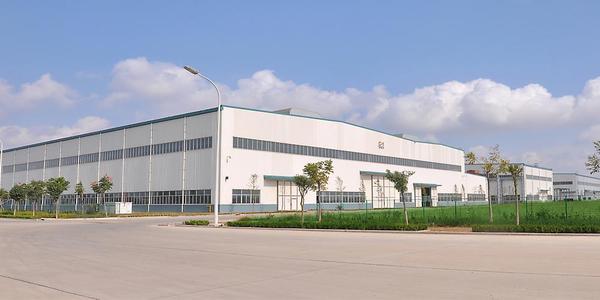
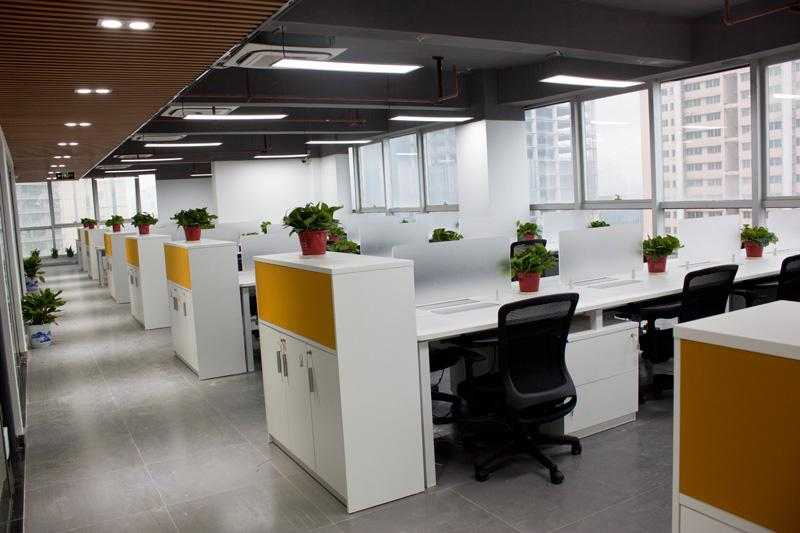
Headquartered in Zhaoyuan, Shandong, our facility integrates certified food-grade raw materials with high-output industrial extrusion lines to deliver dependable B2B private label solutions.
Everything regional buyers need to know about lead times, custom formulations, packaging compliance, and direct container shipping into Wallonia.