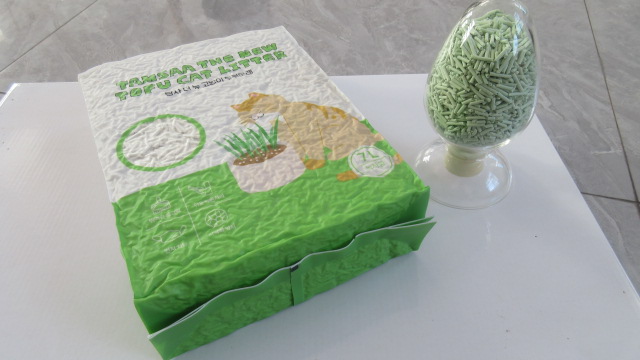
Plant-Based Bio
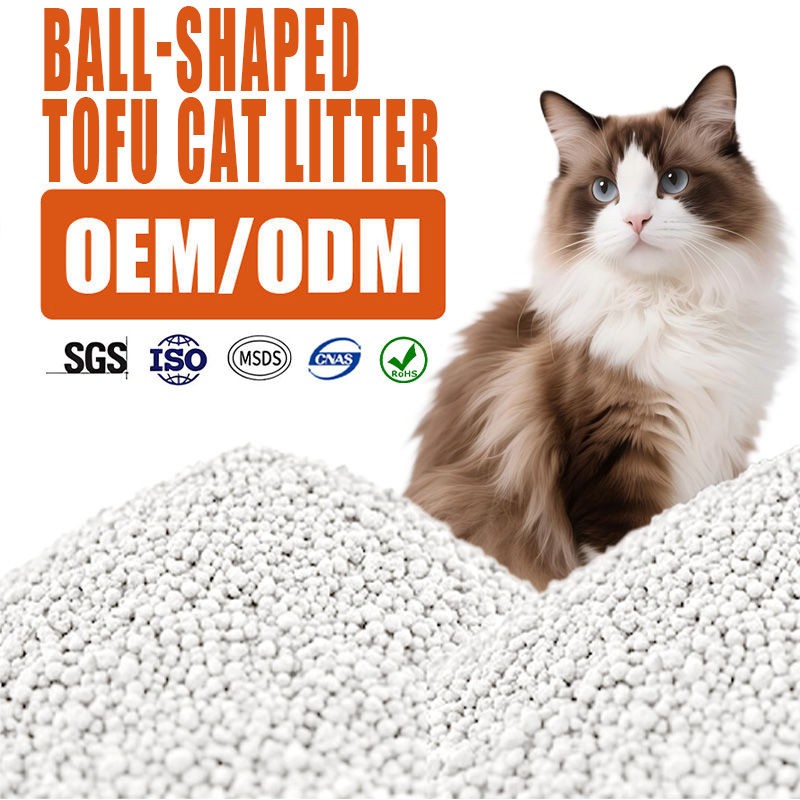
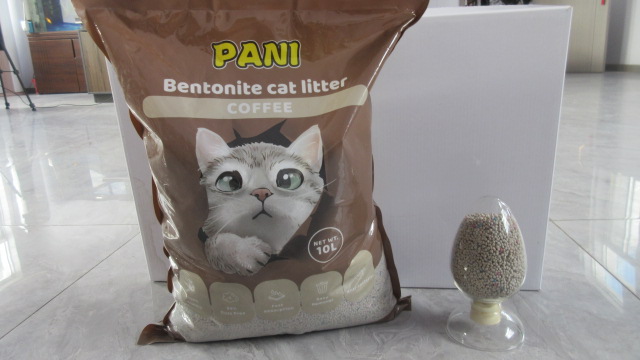
Spherical Biodegradable Fast Clumping Ball Shaped Tofu Cat Litter
Spherical Pellet
Anti-Tracking
Flushable
Batch-tested, low-dust, and high-efficiency cat litter solutions calibrated to regional high-density urban residential dynamics and stringent Japanese consumer quality thresholds.
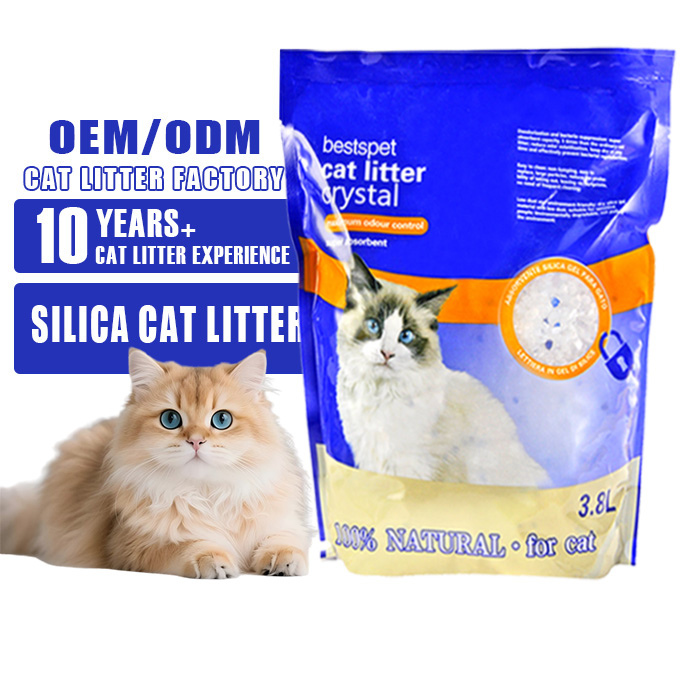
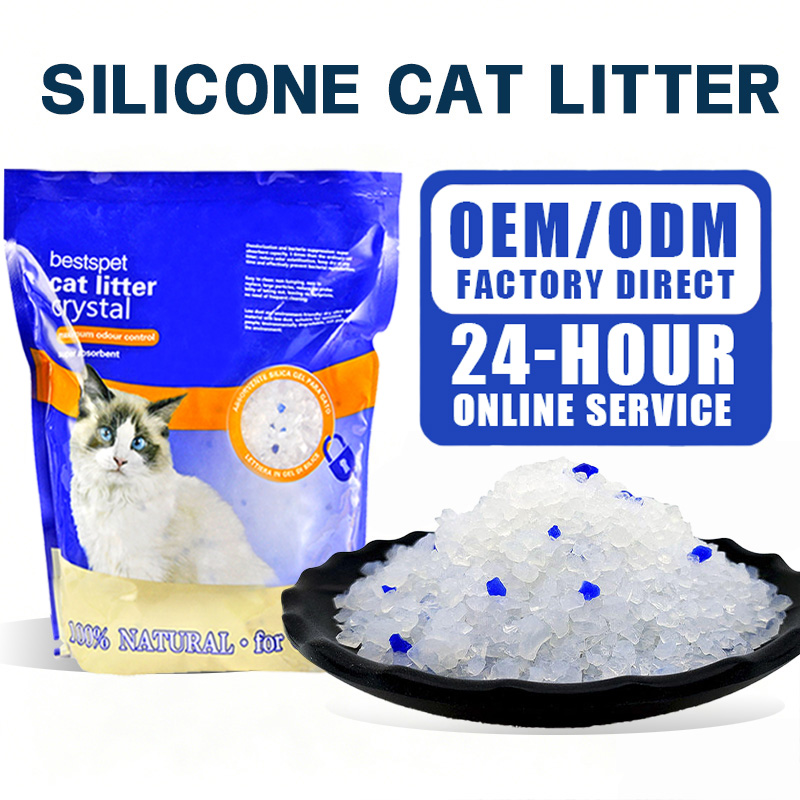
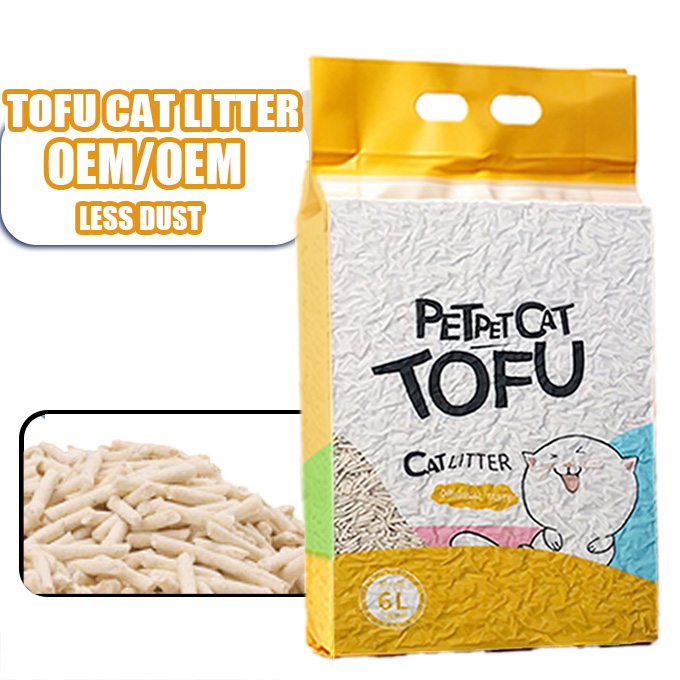
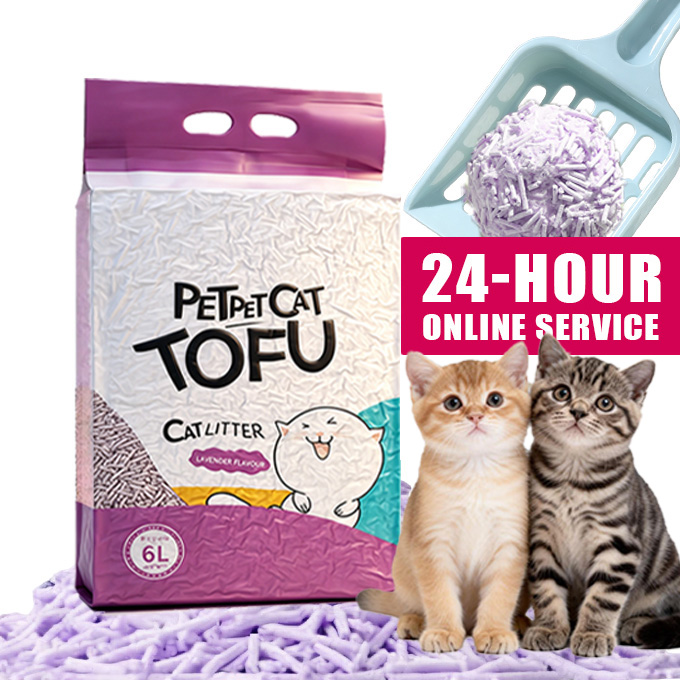
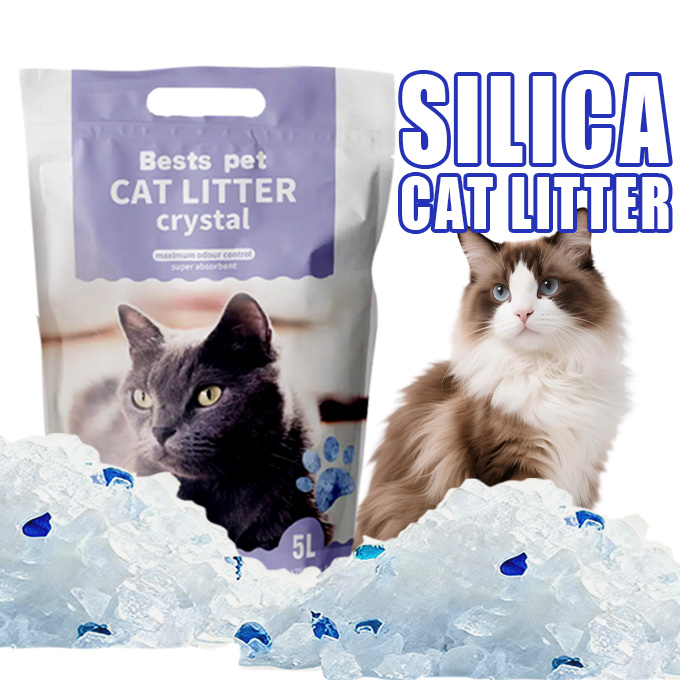
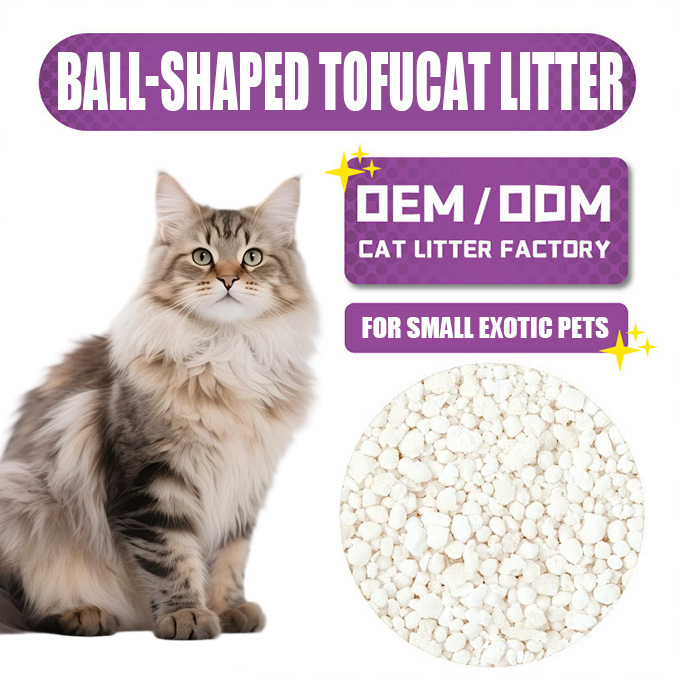
The pet hygiene market across Kobe, Ashiya, Nishinomiya, and the broader Keihanshin metropolitan belt presents distinct physical and chemical performance demands that diverge significantly from North American or European consumption models. As one of Japan's principal maritime logistics corridors, the Port of Kobe serves as a strategic entry point for premium consumer goods destined for multi-level urban housing complexes (mansion residences) across the Kansai region. In these confined living environments, feline litter cannot merely mask volatile organic compounds; it must eliminate gaseous ammonia (NH₃) at the molecular level while ensuring total compliance with residential piping standards and strict municipal refuse classification ordinances.
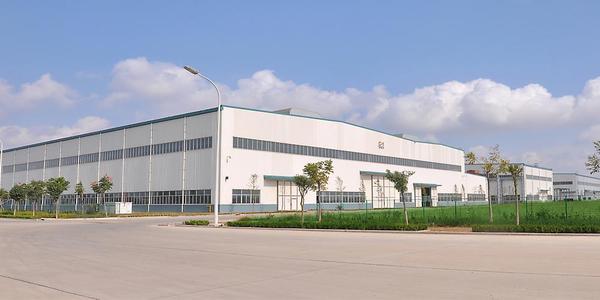
Yantai Jaskin Pet Products Co., Ltd. delivers engineered granular solutions specifically calibrated to Hyogo Prefecture's strict commercial criteria. Operating out of an Intertek-verified production facility in Shandong, China—spanning 2,600 m² of specialized production floorspace—we synthesize high-purity natural pea fiber, food-grade cornstarch, and macro-porous amorphous silicon dioxide (SiO₂) to create litter substrates that guarantee near-zero dust particulate output, exceptional moisture absorption, and instantaneous kinetic clumping upon liquid contact.
Within Japanese residential architecture, indoor atmospheric volume is deliberately condensed to optimize thermal efficiency. Standard feline litters containing high proportions of crushed clay frequently emit crystalline respirable silica dust (<10 µm aerodynamic diameter), triggering asthmatic reactions in felines and respiratory complaints among human owners. Furthermore, standard clumping minerals can adhere to paw interdigital webbing, leading to significant residential tracking across polished Japanese cedar flooring and delicate tatami woven rushes.
Jaskin overcomes these structural challenges through a dedicated multi-stage negative-pressure cyclonic dedusting process integrated into our Shandong processing lines. Prior to bag packaging, extruded pellets (available in 1.5 mm, 2.0 mm, and 3.0 mm configurations) pass through six distinct de-dusting chambers and vibratory separation grids. This engineering ensures that the product arriving at Kobe's container terminals boasts an aggregate mechanical hardness exceeding 98%, resisting shear fracturing during maritime container transport and shelf warehousing.
From coastal residential towers overlooking Osaka Bay to boutique pet clinics in Sannomiya, our specialized granules match distinct operational parameters.
Urban Kobe residents in residential towers require litters that can be safely discarded via plumbing networks without clogging communal sewage stacks. Our plant-derived tofu cat litter formula disperses into fine organic fibers within 12 seconds of contact with excess turbulent water, preventing plumbing blockages while maintaining high tensile clumping strength in the litter box.
Kobe's commercial pet spaces, including specialty cat cafes and veterinary practices around Motomachi, prioritize silent prophylactic monitoring. Our pH-indicating silica and tofu granules change color dynamically within 3 seconds of contact with feline urine, alerting caretakers to alkaline shifts associated with FLUTD (feline lower urinary tract disease) or proteinuria.
Maritime imports traversing the Bohai Sea to the Seto Inland Sea endure significant ambient temperature swings and elevated marine humidity. Jaskin utilizes heavy-gauge multi-layer vacuum bagging with nitrogen purging options, ensuring moisture levels remain strictly below 8% upon discharge at the Port of Kobe, preventing early microbial growth or mold formation.
Strategic data insights guiding procurement directors and product managers serving the Japanese domestic supply chain.
The Japanese pet care industry is experiencing a profound demographic transformation. With feline populations consistently outpacing canine ownership due to work patterns and multi-family dwelling restrictions, pet parents in Kobe and adjacent Kansai centers view companion animals as integral family members (banryo dōbutsu). This mindset drives continuous demand for ultra-premium pet supplies, reflected in three dominant procurement vectors:
Historically, imported sodium bentonite dominated supermarket shelves across Japan. However, environmental concerns regarding open-pit clay extraction, coupled with incinerator ash-disposal limits imposed by municipal governments, have catalyzed a transition toward plant-based, circular-economy products. Tofu cat litter formulated from pea fibers and starch represents the fastest-growing sector within Kansai specialty pet retailers. Importers demand non-GMO verification, traceable agricultural raw materials, and compostable packaging films to align with Japanese corporate ESG commitments.
Traditional 3.0 mm extruded cylinder tofu pellets occasionally face resistance from felines transitioning from outdoor substrates or natural mineral sand. The market has rapidly pivoted toward 1.5 mm diameter micro-pellets and spherical ball-shaped plant granules. Jaskin's spherical food-grade formulations replicate the natural digging sensation of fine mineral sand while eliminating tracking around urban floor plans, delivering superior clumping efficiency that reduces total litter consumption per tray by up to 28% monthly.
Feline urinary syndrome and kidney complications represent the leading cause of morbidity in domestic cats. Because cats naturally mask physical distress, Japanese pet owners actively invest in preventative diagnostics. Jaskin's color-changing silica gel and bio-tofu granules embed chemical indicator reagents directly into the matrix, enabling daily non-invasive urine pH screening. This functionality creates a commanding retail margin advantage for OEM private-label brands across competitive Japanese e-commerce platforms such as Rakuten, Amazon Japan, and Yahoo Shopping.
| Substrate Matrix | Average Bulk Density | Odor Control Lifespan | Kobe Municipal Classification | Hydraulic Flush Rate | Export Suitability |
|---|---|---|---|---|---|
| Pure Food-Grade Tofu (1.5mm) | 0.52–0.58 g/cm³ | 21–28 Days | Combustible Biomass (可燃ごみ) | Direct Flush (<15s) | Exceptional / Low Freight Weight |
| Macro-Porous Silica Crystal | 0.40–0.45 g/cm³ | 30+ Days | Incombustible / Non-Burnable (不燃ごみ) | Non-Flushable | High Bulk Value / Lightweight |
| pH-Diagnostic Functional Silica | 0.42–0.46 g/cm³ | 30 Days | Incombustible / Non-Burnable (不燃ごみ) | Non-Flushable | Ultra-Premium Margin / E-Commerce |
| Premium Crushed Plant Fiber | 0.48–0.54 g/cm³ | 18–24 Days | Combustible Biomass (可燃ごみ) | Direct Flush (<10s) | High Demand for Fine Texture |
Clear answers addressing customs, Japanese quality thresholds, packaging specs, and supply chain timelines.
Direct factory production backed by independent Intertek onsite verification and extensive international export expertise.
Our Zhaoyuan production facilities, incoming material testing routines, and process controls are independently evaluated and verified by Intertek testing authorities.
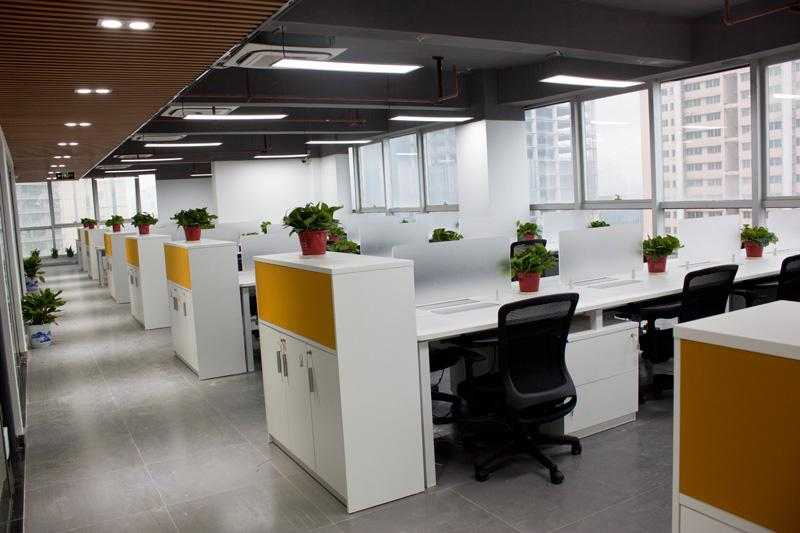
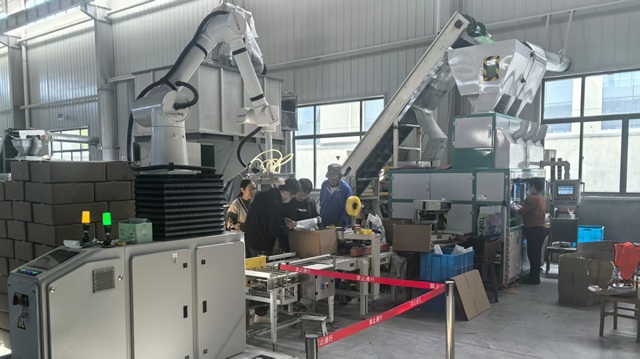
Specialized automated production lines for silica crystallization, plant-fiber granulation, and dust extraction maintain steady volume deliveries without seasonal bottlenecking.
Experienced export documentation specialists managing sea freight, phytosanitary requirements, non-wood pallet declarations, and custom packaging workflows for international ports.
From custom fragrance micro-encapsulation (green tea, lavender, coffee) to tailored granule diameters (1.5mm to 3.0mm) and diagnostic health additives, we build your brand formula.