Plant Eco-Clean
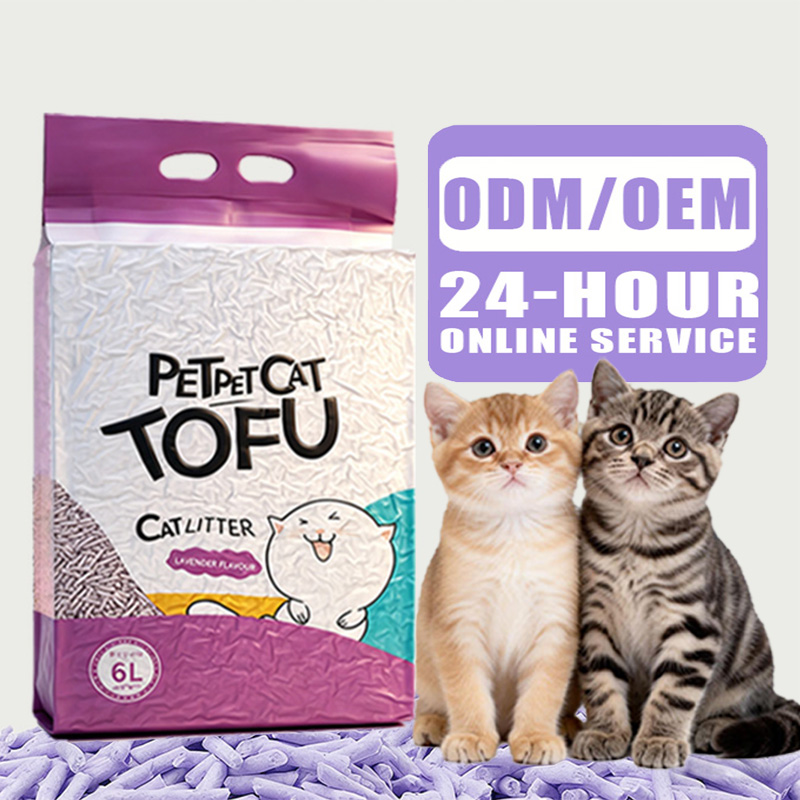
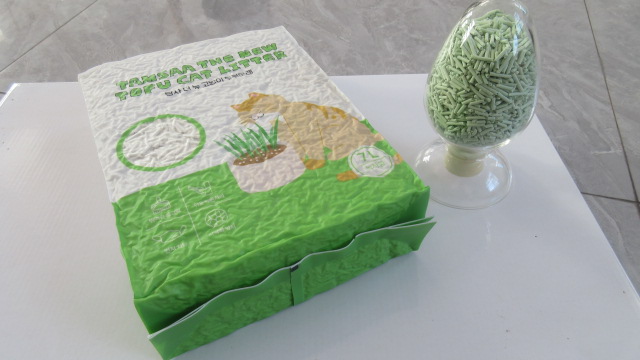
A Grade Vacuum Biodegradable Fast Clumping Coffee Scent Dust Free Tofu Litter
- 1.5mm / 2.0mm
- Vacuum Pack
- Plant-Based
Manufactured under strict ISO-grade quality controls in Zhaoyuan, Shandong, fully customizable with OEM private labeling, calibrated mesh sizes, and bespoke activated deodorizing agents.
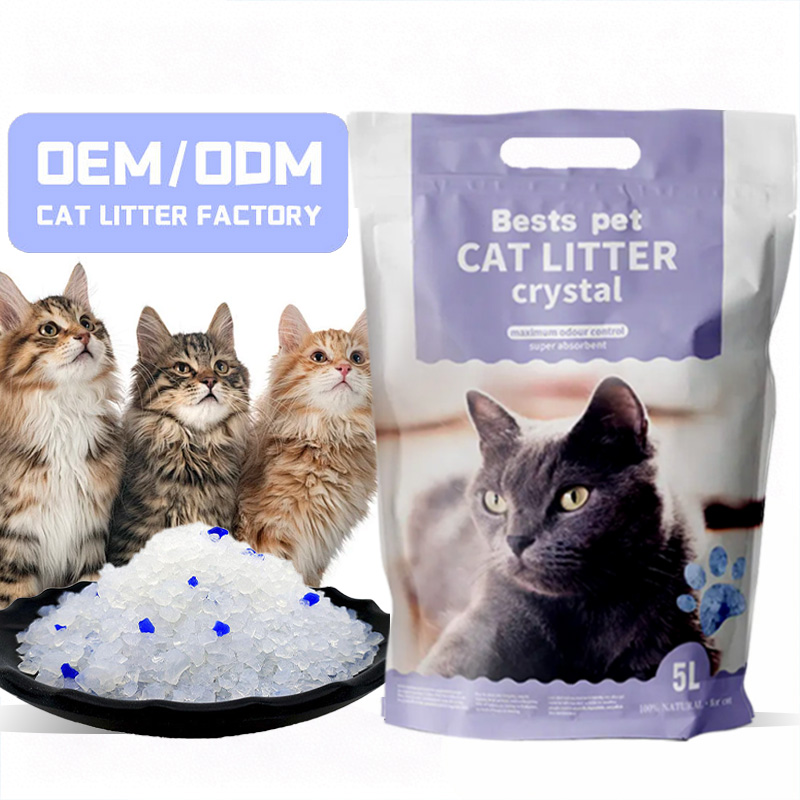
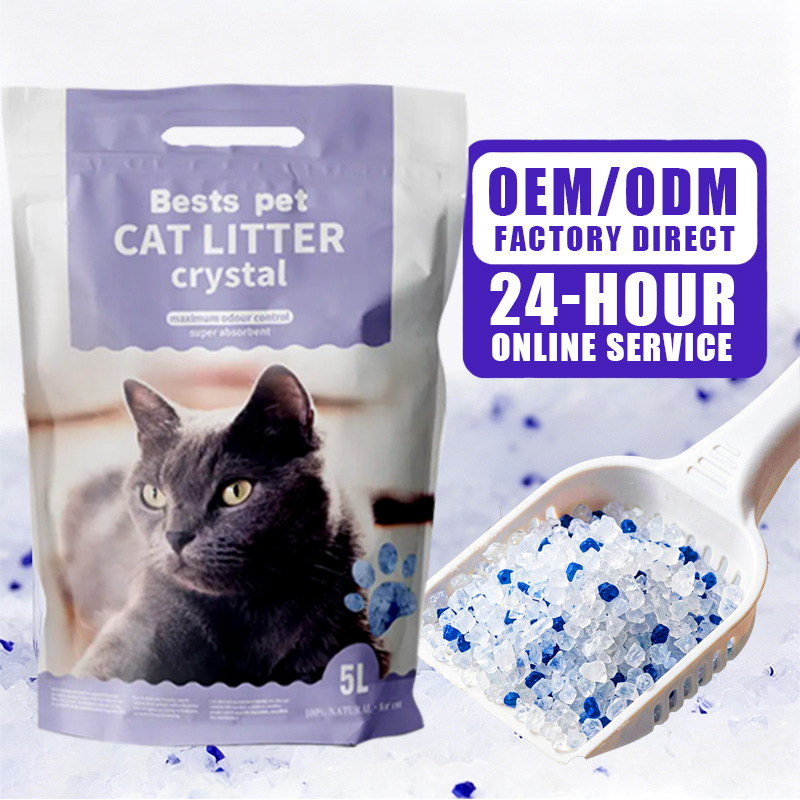
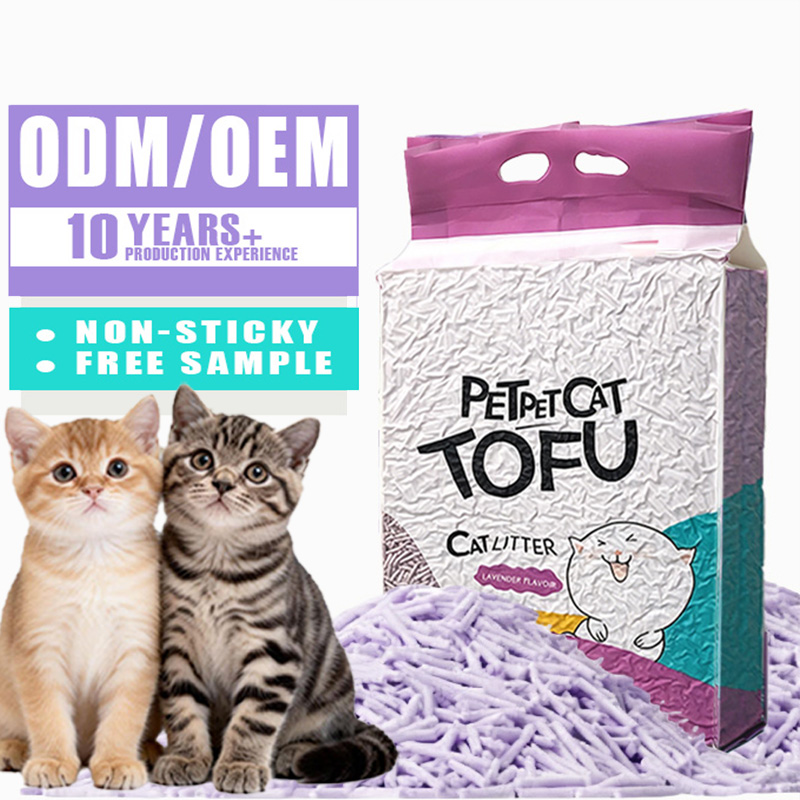
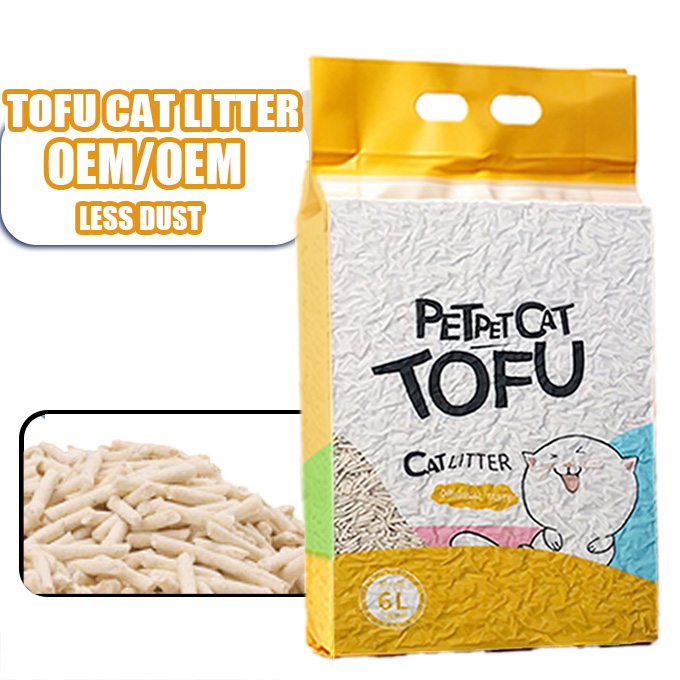
Why the intersection of Ontario building design codes, winter ventilation constraints, and strict condominium bylaws mandates a transition toward activated carbon pet hygiene substrates.
The Greater Toronto Area (GTA)—spanning Downtown Toronto, North York, Mississauga, and Markham—features Canada's highest concentration of high-rise condominium residences. Typical condominium floor plates (450–750 sq.ft.) operate under sealed envelope construction compliant with the Ontario Building Code (SB-10 division). During the extended winter months spanning November through April, residential units rely on Energy Recovery Ventilators (ERV) or central recirculating fan coils.
Under these conditions, standard bentonite clays or perfumed litters fail. Masking fragrances create VOC accumulation, triggering human and feline respiratory distress. Yantai Jaskin’s activated carbon litter leverages coconut-shell steam activation, yielding an internal micropore volume exceeding 0.65 cm³/g. Instead of releasing synthetic floral compounds, it traps gaseous ammonia (NH₃), trimethylamine, and hydrogen sulfide through physical adsorption via Van der Waals forces.
Toronto condo corporations (governed by the Condominium Act of Ontario) enforce strict rules regarding common area nuisance and waste logistics. Unsealed organic waste in high-rise garbage chutes causes immediate biological foul odor complaints from adjacent units. Furthermore, municipal water treatment authorities in the City of Toronto discourage the flushing of heavy swelling sodium bentonite clays, which solidify within branch plumbing stacks and drainage mains.
Jaskin Pet Products addresses this municipal challenge by offering Dual-Action Activated Carbon Tofu Granules and Carbon-Impregnated Mineral Matrices. Our engineered plant-fiber substrates disintegrate into soluble slurry in excess water within 45 seconds, providing safe, municipal-compliant waste handling that will not clog 3-inch high-rise ABS drain pipes.
Maritime shipments through the Port of Montreal, followed by CN or CP Rail transport to Brampton intermodal terminals, endure severe ambient freeze-thaw cycles between -25°C and +5°C. Traditional poor-grade vegetable cat litters suffer from condensation blooming, starch weeping, and mold proliferation inside sea containers subject to rapid temperature shifts.
Jaskin applies an advanced infrared drying and secondary vacuum-nitrogen sealing protocol. Our moisture content is strictly capped at 8.0% ± 0.5%. Combined with multi-layer metalized BOPP/PE packaging, our activated carbon composites withstand intermodal temperature fluctuations across the St. Lawrence Seaway without loss of granulation integrity or microbial contamination.
| Evaluation Parameter | Jaskin Carbon Tofu Matrix | Jaskin Carbon Mineral/Clay | Standard Sodium Bentonite | Standard Wood/Corn Pellets |
|---|---|---|---|---|
| Internal Surface Area (BET Method) | 950 – 1,100 m²/g | 650 – 850 m²/g | 25 – 40 m²/g | 1.5 – 5 m²/g |
| Ammonia (NH₃) Reduction Rate (24 hr) | 96.8% | 94.2% | 52.0% | 38.5% |
| Airborne Particulate Generation (PM 2.5/10) | < 0.05% (Near-Zero) | < 0.25% (Dedusted 5x) | 2.5% – 5.8% (High Dust) | 1.2% – 3.0% (Fibrous Dust) |
| Bulk Density (Shipping Efficiency) | 480 – 520 g/L | 850 – 920 g/L | 980 – 1,050 g/L | 420 – 480 g/L |
| Condominium Plumbing Dissolvability | Instant Dispersion (<45s) | Non-Flushable (Solid Ore) | Hazardous (Pipe Blockage) | Slow Slurry Formation |
Strategic data for distributors, e-commerce brands, and corporate retail buyers navigating changing consumer demographics in Toronto and the Golden Horseshoe.
With high-density condo living across Toronto’s Waterfront, Liberty Village, and Yonge-Eglinton, multi-story pet owners refuse to haul 40-pound traditional clay boxes from subterranean parking garages or parcel rooms. Demand has shifted decisively toward concentrated, ultra-lightweight, high-yield litters. Activated carbon tofu composite formulations offer twice the absorption yield per kilogram compared to clay, allowing brands to capture higher retail margins on 6L/2.5kg vacuum-sealed stock keeping units.
Urban Canadian cat parents exhibit high vet spending per capita. Pet specialty stores throughout Ontario report explosive growth in multifunctional hygienic substrates. By fusing activated carbon with pH-reactive color-changing reagent particles, Jaskin empowers private labels to offer preventative wellness litters. Litters indicate urinary tract infections (UTI), alkaline bladder stones, or metabolic anomalies before clinical symptoms manifest.
Direct-to-consumer (D2C) auto-replenishment subscriptions now account for over 32% of downtown Toronto cat litter shipments. D2C brands require uniform rectangular vacuum brick packaging that maximizes courier cube factors for Canada Post, Purolator, and private last-mile fleets. Jaskin’s automated vacuum packaging lines guarantee tight geometric tolerances and leak-proof nitrogen flushes designed to eliminate packaging ruptures during rough cross-dock transfers.
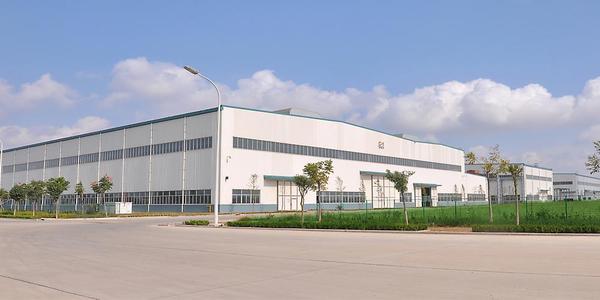
Combining world-class mineral processing infrastructure in Zhaoyuan, Shandong with end-to-end B2B trade execution, export compliance, and direct factory pricing.
Custom packaging graphics, multi-language labeling (English/French Canadian bilingual packaging), custom granule diameters (1.5mm–3.5mm), and proprietary deodorizing additive blends.
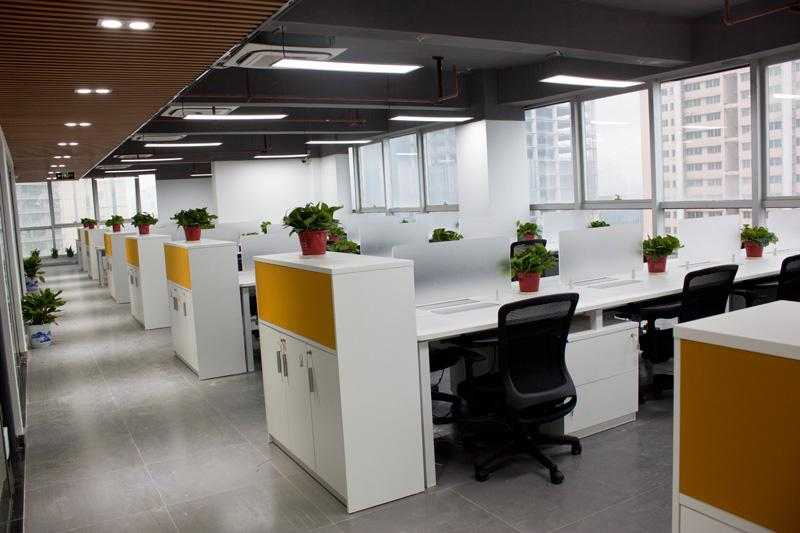
Advanced continuous extrusion equipment, multiple automated dedusting towers, industrial rotary drying drums, and rapid-cycle automated bagging units ensuring stable throughput.
Food-grade pea and corn plant binders, ultra-low formaldehyde resins, non-toxic organic dyes, and 100% natural steam-activated carbon chips safe for sensitive feline ingestion.
Expertise in ocean freight routing to Port of Montreal or Port of Vancouver with direct intermodal rail consignment to Toronto (CP Vaughan / CN Brampton yards) including customs broker coordination.
Key operational details regarding tariffs, shipping logistics, Canadian packaging regulations, and private label customization.
Partner directly with Yantai Jaskin Pet Products Co., Ltd. Eliminate trading company markups, secure batch-to-batch quality consistency backed by Intertek factory auditing, and deploy premium activated carbon pet hygiene lines engineered for modern Canadian retail markets.