Top Trusted Corn Cat Litter Manufacturer & Factory
Whitepaper Guide on Plant-Based Bio-Degradable Pet Hygiene: Manufacturing Technology, Market Analytics, and Strategic B2B Supply Chain Optimization
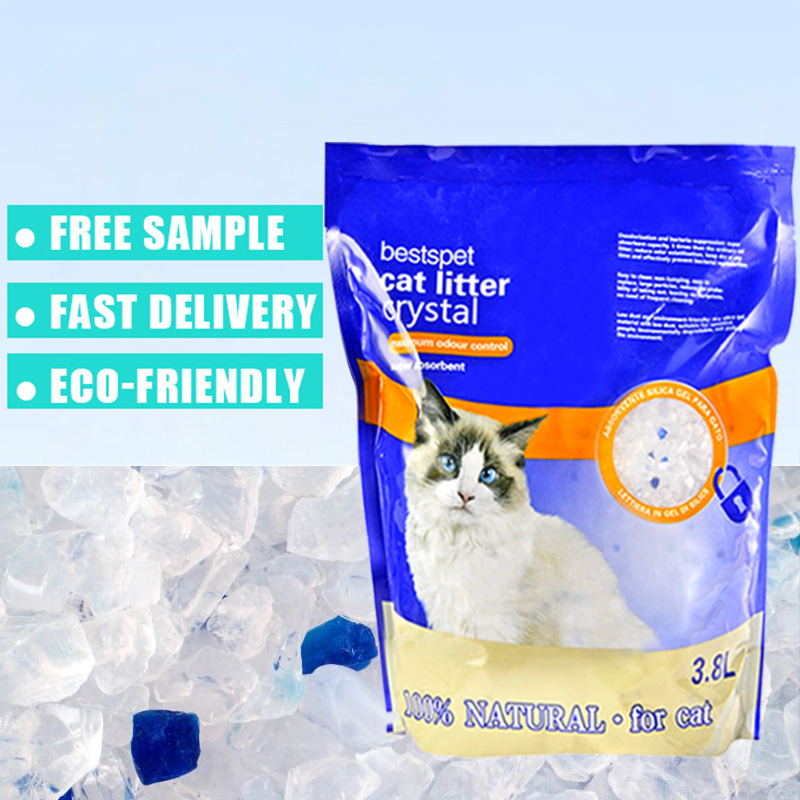
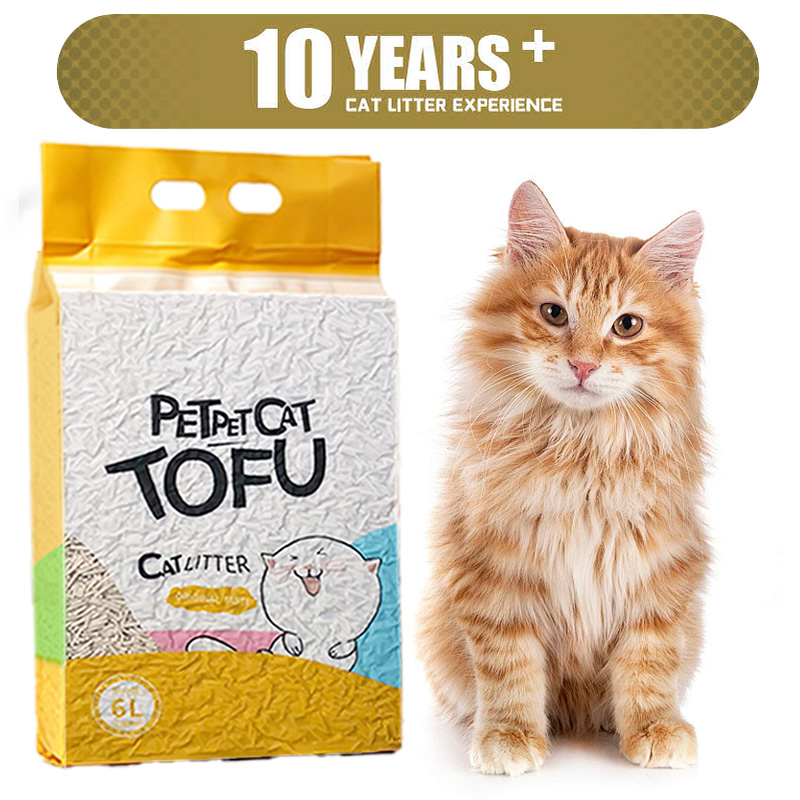
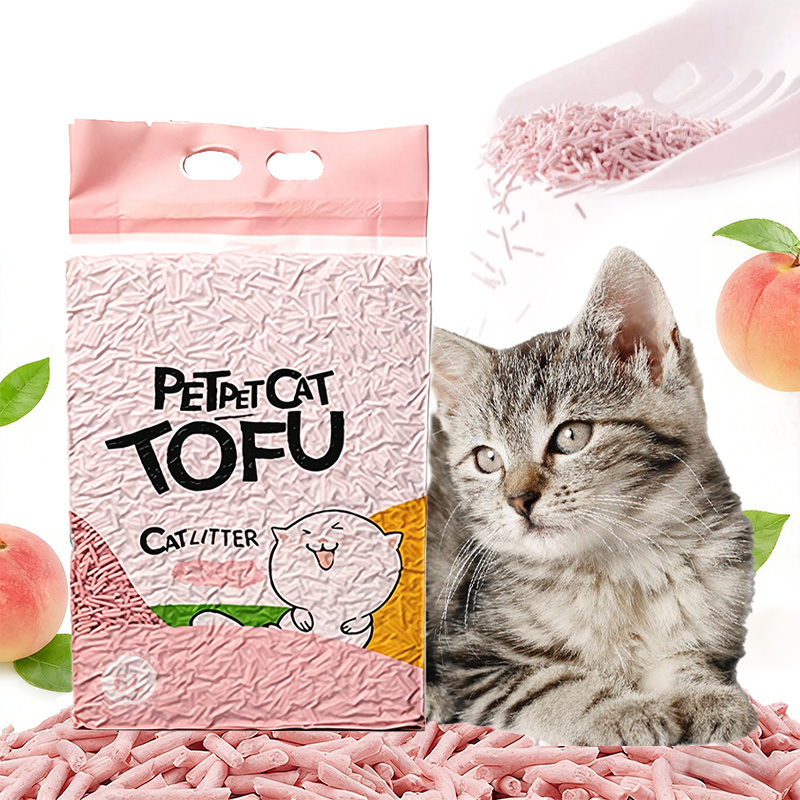
Engineered Pet Litter Product Portfolio
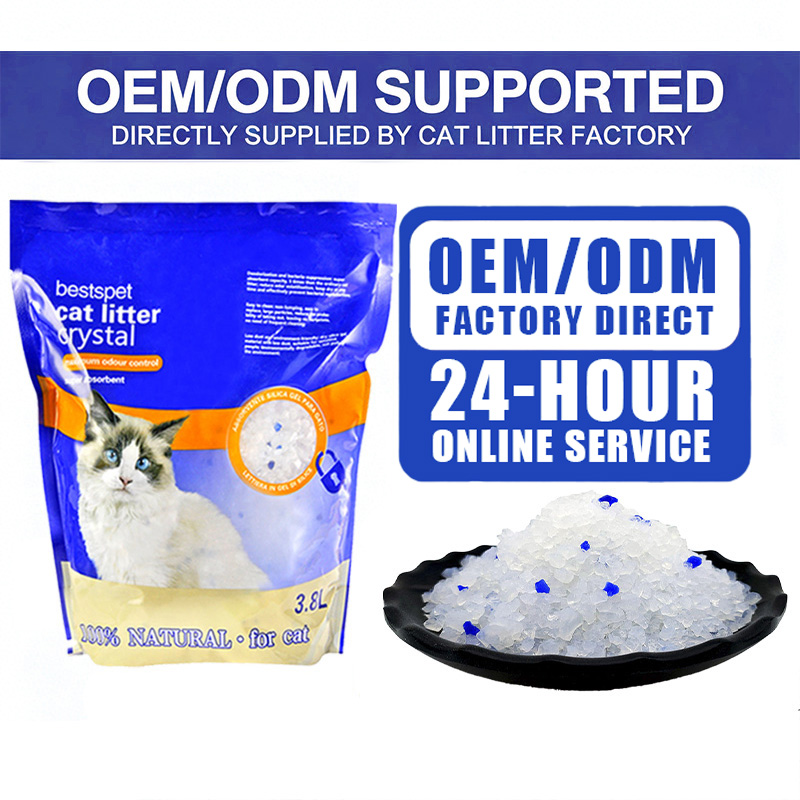
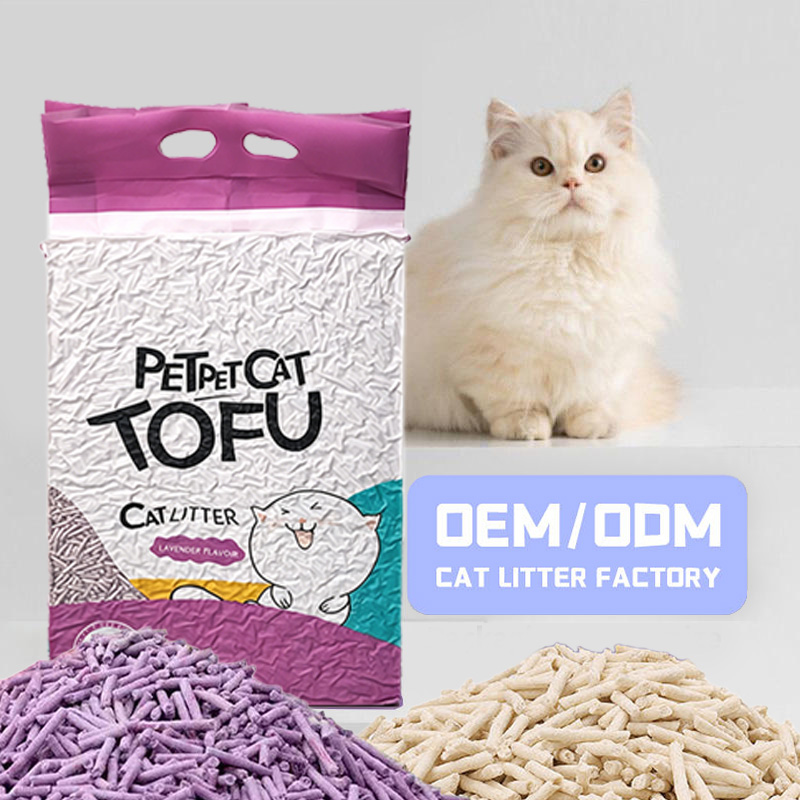
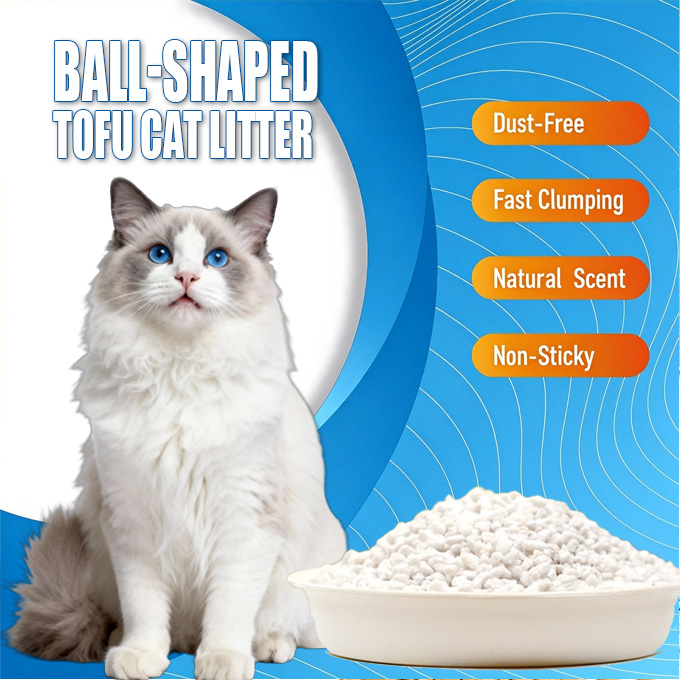
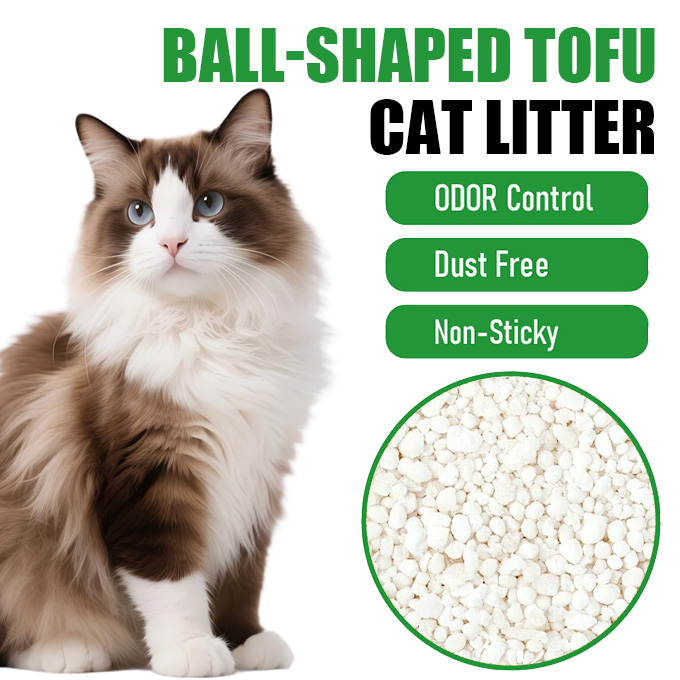
Explore our complete range of eco-friendly corn starch, tofu, silica gel, and health-monitoring diagnostic cat litters, optimized for private label brands and high-volume distribution.
Executive Summary: The Industrial Shift to Corn & Plant-Based Cat Litters
The global pet hygiene ecosystem is undergoing a fundamental structural pivot. Driven by environmental legislation, urban waste management pressures, and shifting consumer preferences toward non-toxic natural pet care, traditional mineral-mined cat litters—such as sodium bentonite—are increasingly losing market share to renewable, agricultural byproduct-based alternatives. Among these, Corn Starch Cat Litter and plant-derived Tofu Granules stand at the apex of sustainable innovation.
As a leading Corn Cat Litter Manufacturer & Factory based in Shandong, China—Yantai Jaskin Pet Products Co., Ltd. operates at the intersection of agricultural processing technology and advanced polymer rheology. Modern corn cat litter formulations utilize non-GMO corn starch, natural plant fibers, and bio-based binding matrixes to achieve performance metrics that rival or exceed traditional clay minerals. This technical report provides commercial buyers, brand managers, and import distributors with comprehensive insights into corn litter material science, manufacturing methodologies, global market trends, and B2B procurement strategies.
Information Gain Key Insight: Corn-based starch matrixes feature high thermal gelatinization characteristics during extrusion, creating a porous molecular structure capable of absorbing liquid equal to 400% to 650% of its dry weight while maintaining structural integrity during scooping.
Material Science & Engineering of Corn Cat Litter
Understanding the superior performance of industrial corn cat litter requires examining the underlying biochemistry of processed cereal starch and botanical fibers. Unlike bentonite, which relies on hydrated clay expansion, corn cat litter leverages molecular swelling, capillary action, and thermal starch gelatinization.
1. Starch Gelatinization & Pellet Rheology
During the thermal extrusion process, raw corn starch undergo controlled heating (typically between 68°C and 78°C) under high pressure. This breaks down the crystalline structure of the starch granules, allowing amylose and amylopectin chains to hydrate and form a porous gel matrix. Once dried, these micro-pores act as high-efficiency moisture traps, pulling feline urine deep into the pellet interior via rapid capillary wicking.
2. Ammonia Binding & Odor Trapping Mechanics
Raw feline urine contains urea, which breaks down rapidly into volatile ammonia ($NH_3$) gas under bacterial urease catalysis. Standard clay litters merely mask this scent with synthetic fragrances. Premium corn cat litter engineered by Yantai Jaskin incorporates natural organic acids and plant-derived polyphenols that chemically neutralize ammonia molecules, converting them into non-volatile ammonium salts ($NH_4^+$). Furthermore, the dense starch network physically encapsulates volatile aromatic compounds, maintaining freshness in enclosed living environments.
3. Particle Engineering: Cylindrical vs. Ball-Shaped vs. Crushed
Different international retail markets require distinct physical granule formats. Our factory specializes in three primary geometric configurations:
- Cylindrical Micro-Pellets (1.5mm / 2.0mm / 3.0mm): Offers the highest mechanical strength and zero tracking. The 1.5mm micro-pellet represents the newest industry standard, maximizing paw comfort while reducing inter-pellet void space for tighter clumps.
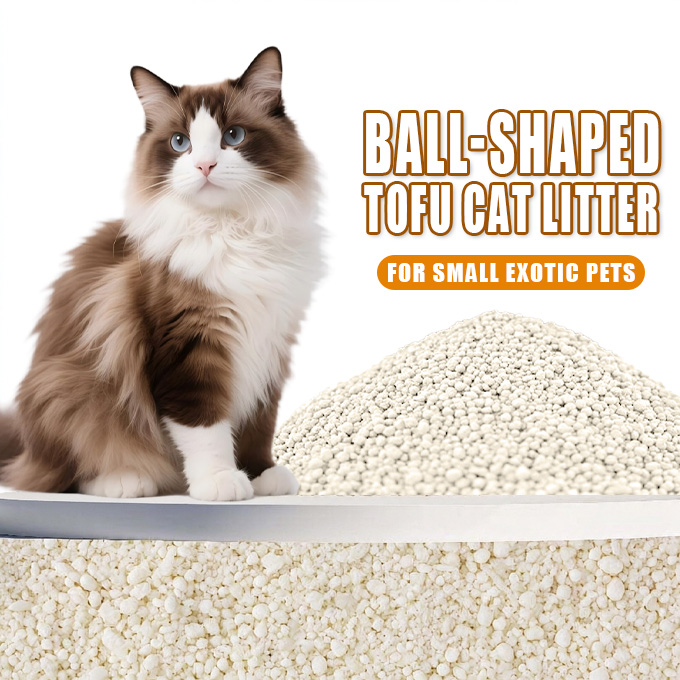
- Ball-Shaped Granules (Spherical Tofu/Corn): Designed to emulate traditional bentonite sand, providing familiar tactile sensations for cats while offering 100% flushability and zero silica dust.
- Crushed Granulate (Irregular Broken Litter): Combines fast liquid dispersion with high surface-area contact, producing instant clumps within 2 seconds of liquid contact.
Global Market Procurement Dynamics & Sourcing Trends (2025–2030)
International pet trade data indicates a compound annual growth rate (CAGR) of over 9.2% for eco-friendly, biodegradable cat litters through 2030. Key drivers reshaping B2B supply chain procurement include:
A. Regulatory Pressures & Urban Waste Compliance
Metropolitan regions across Europe, North America, and East Asia are implementing strict municipal waste separation policies. Mineral-based litters cannot be incinerated efficiently and accumulate in landfills indefinitely. Corn starch litters are 100% biodegradable and compostable, complying with EU Circular Economy Directives and reducing municipal solid waste disposal costs for consumers.
B. The Health Monitoring Revolution (pH Diagnostic Litters)
Pet owner demand for preventive veterinary care has given rise to diagnostic cat litters. By incorporating food-grade pH indicator reagents directly into silica gel or corn starch granules, the litter changes color depending on urine acidity or alkalinity (indicating potential Feline Lower Urinary Tract Disease / FLUTD). Factories capable of dual-layer OEM compounding—such as Jaskin's certified facilities—are capturing high-margin retail segments globally.
C. Freight Optimization & Vacuum Packaging Efficiency
Shipping weight and volumetric efficiency directly dictate landed cost per unit. Bentonite clay weighs roughly 0.85 kg to 1.0 kg per liter, whereas engineered corn and tofu litters weigh only 0.45 kg to 0.55 kg per liter. This 45% weight reduction yields significant maritime freight savings per container. When packed in high-density vacuum brick formats, transport stability is enhanced and package breakage during transit is virtually eliminated.
Why Source From Yantai Jaskin Pet Products Co., Ltd.?
Located in Zhaoyuan, Shandong, China—an established regional hub for mineral and agricultural pet hygiene manufacturing—we bridge high-capacity production with international trade compliance.
Intertek Onsite-Verified
Our 2,600 m² facility has passed rigorous third-party auditing by Intertek, verifying our material storage, quality control laboratories, production lines, and management practices.
Full OEM / ODM Tailoring
Complete customization covering pellet diameter (1.5mm-3.0mm), custom fragrances (Green Tea, Peach, Coffee, Lavender), custom color palettes, and private label bag design.
Triple Dust-Screening
Utilizing high-frequency vibrating sieves and positive-pressure air aspiration, our production lines remove micro-particles down to a 99.9% dust-free standard to protect pet respiratory health.
Flexible Logistics & Incoterms
We accept T/T, L/C, and PayPal in USD with full operational support for FOB, CFR, CIF, DDP, and DDU shipment terms directly from Qingdao or Yantai ports.
Industrial Substrate Matrix Evaluation
A head-to-head engineering analysis comparing corn starch cat litter with conventional commercial litter substrates.
| Performance Metrics | Corn Starch Litter | Tofu (Soy-Based) | Sodium Bentonite | Silica Gel Crystal |
|---|---|---|---|---|
| Raw Material Origin | Agricultural Corn Starch | Soybean Curd Residue | Mined Clay Mineral | Synthetic Silicon Dioxide |
| Water Absorption Capacity | 500% - 650% | 400% - 600% | 200% - 300% | 150% - 220% |
| Dust Content Index | < 0.5% (Very Low) | < 0.5% (Very Low) | 2.0% - 5.0% (Moderate) | < 1.0% (Low) |
| Waste Disposal Method | Toilet Flush / Compost | Toilet Flush / Compost | Landfill Only | Landfill Only |
| Bulk Density (kg/L) | 0.48 - 0.52 (Lightweight) | 0.50 - 0.55 (Lightweight) | 0.90 - 1.05 (Heavy) | 0.42 - 0.46 (Ultra-Light) |
| Ammonia Gas Suppression | High (Chemical Binding) | High (Natural Polyphenols) | Moderate (Physical Masking) | High (Micro-Pores) |
| Shipping Cost Per Unit | Optimized (Low Weight) | Optimized (Low Weight) | High (Heavy Freight) | Optimized (Low Weight) |
Frequently Asked Questions for Importers & Buyers
Answers to common operational, technical, and trade questions regarding custom production and factory direct orders.
What is the structural difference between Corn Starch and Tofu Cat Litter?
While both belong to the plant-based cat litter family, Corn Starch Cat Litter is synthesized primarily from purified corn starch and plant starches, yielding a finer pore matrix, faster liquid gelatinization, and superior tensile strength in pellets. Tofu cat litter incorporates pea or soybean fibers. Corn starch formulations generally exhibit lower moisture retention in high-humidity climates and provide slightly higher liquid absorbency ratios exceeding 600%.
Do you offer full OEM private labeling, custom packaging, and bag design services?
Yes. Yantai Jaskin Pet Products Co., Ltd. provides full turn-key OEM/ODM customization. We support custom packaging options including vacuum-sealed brick packs (6L / 7L / 10L), plastic pouch bags with handles, master cardboard shipping boxes, and bulk woven bags for repackaging. Our in-house graphic team can assist in converting your artwork into high-definition rotogravure or flexographic printing plates.
What are the Minimum Order Quantity (MOQ) requirements for custom manufacturing?
For standard stock formulas or unbranded trial shipments, MOQs can start as low as 400 kg to 500 kg for tofu/corn litter and 10 kg for silica crystal samples. For custom private-label printed bags, the typical starting threshold is 1 x 20-Foot Container (20GP), which accommodates approximately 10 to 12 metric tons of vacuum-packed plant cat litter depending on pallet configuration.
How does your factory control product moisture and prevent mold during oceanic freight?
Moisture control is paramount for plant-based substrates. During manufacturing, our computer-controlled microwave and hot-air drying tunnels reduce internal pellet moisture content to strictly under 8%. Furthermore, vacuum packaging eliminates oxygen and humidity inside the retail pouch. Container desiccant poles are placed in all export shipments to prevent condensation during sea transit through tropical climate zones.
Is corn cat litter safe if accidentally ingested by kittens?
Yes. Our corn cat litter is manufactured entirely from food-grade corn starch, natural vegetable gums, and plant fibers without synthetic chemical additives, sodium bentonite clay, or artificial glues. If a kitten or adult cat ingests small quantities during grooming, the plant material breaks down naturally in the digestive tract without causing dangerous gastrointestinal blockages.
What payment methods and international trade terms do you support?
We accept Wire Transfer (T/T), Letter of Credit (L/C at sight), and PayPal in USD or EUR. Our standard delivery terms include FOB (Qingdao/Yantai), CFR, CIF, as well as door-to-door delivery terms such as DDP and DDU for simplified import clearance.
How does the pH indicator color-changing technology function in your litters?
Our diagnostic litter series integrates non-toxic, bio-compatible colorimetric indicators into selected granules. When feline urine touches the litter, the indicators react to the urine's pH level. A color scale (ranging from yellow/orange for acidic, green for normal, to blue/magenta for alkaline) alerts pet owners to potential metabolic or urinary tract issues before clinical symptoms appear.
Partner with a Leading China Cat Litter Manufacturer
Request factory-direct pricing, custom formula consultation, and complimentary physical sample kits tailored to your brand's packaging specifications.
Get Catalog