Engineered Odor Elimination & Health Monitoring Formulas
Laboratory-tested bulk silica, plant-mineral hybrids, and spherical cat litters engineered for rapid gas trapping, zero airborne dust, and high export packing efficiency.
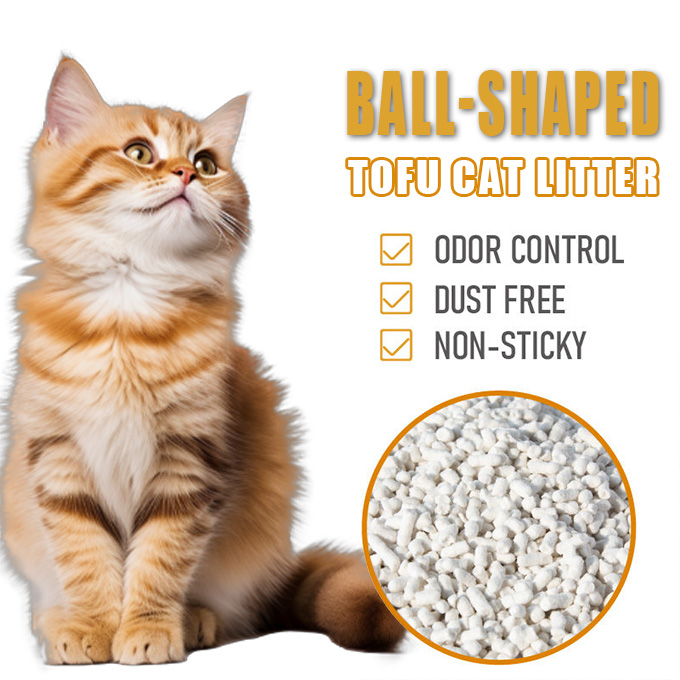
Colorful Ball Easy Scooping Clumping Cat Litter Wholesale Tofu Cat Litter Free Sample 100% Pure Ball Shaped Tofu Cat Litter
- Spherical 2.0-3.0mm
- Dust-Free
- Eco Clumping
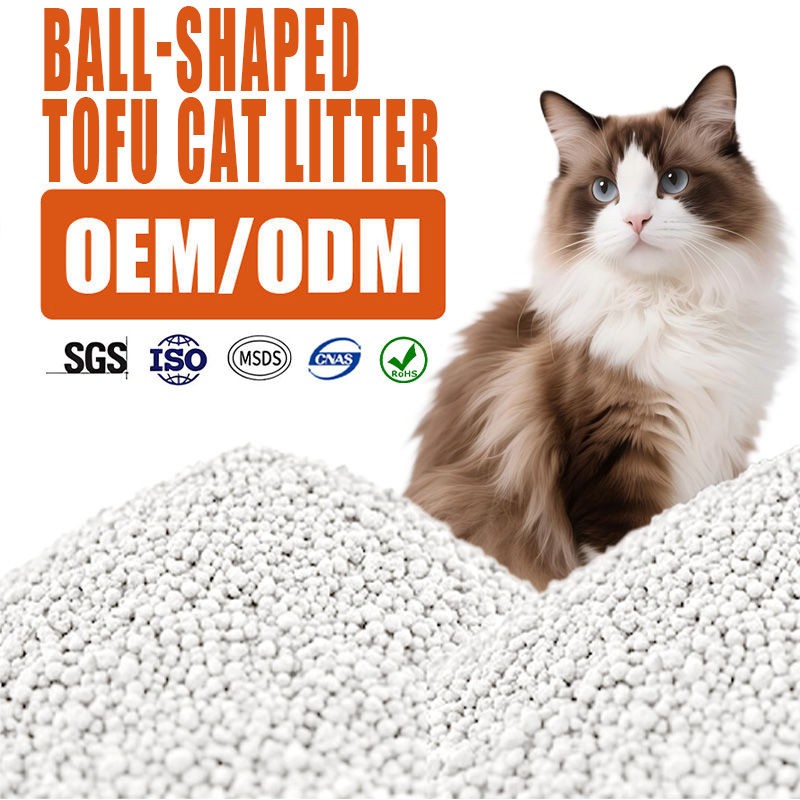
Spherical Food Original Biodegradable Fast Clumping Dust Free Supplier Wholesale Plant Eco Clean Ball Shaped Tofu Cat Litter
- Biodegradable
- Quick Dissolve
- Flushable
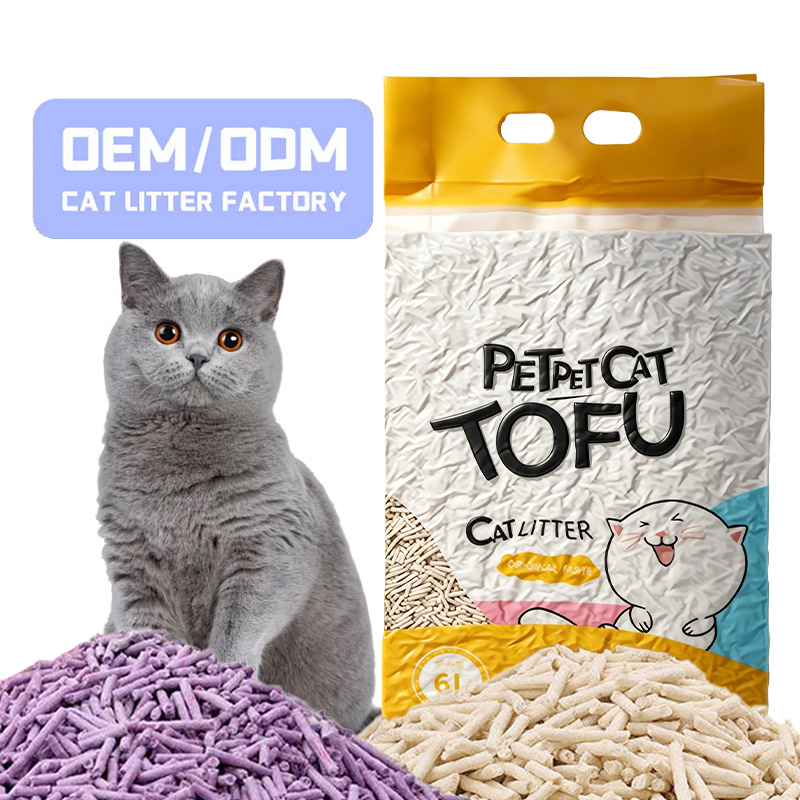
Active Carbon Ball Easy Scooping Clumping Cat Litter Wholesale Tofu Cat Litter Free Sample 100% Pure Ball Shaped Tofu Cat Litter
- Dual Porosity
- VOC Chemisorption
- Anti-Microbial
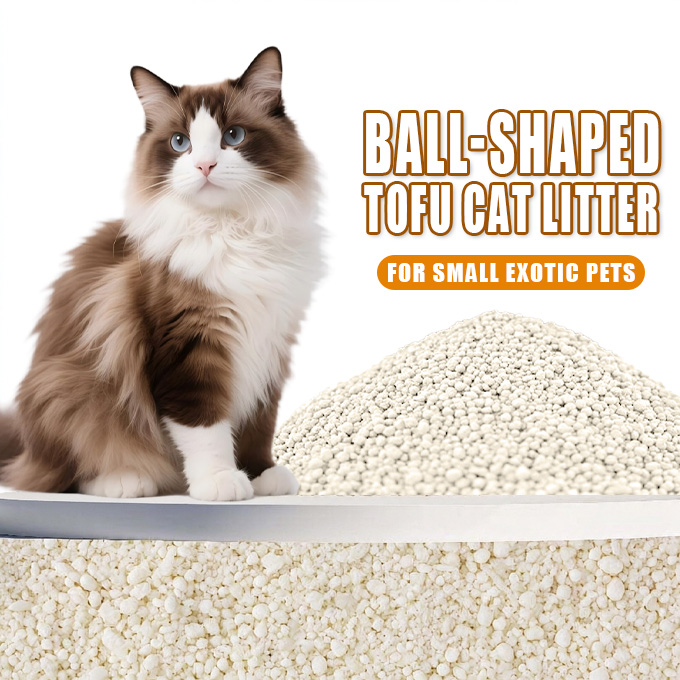
Formula Natural Colourful Original Biodegradable Fast Clumping Dust Free Supplier Wholesale Ball Shaped Tofu Cat Litter
- Natural Plant Fibers
- Low Tracking
- Custom Scent
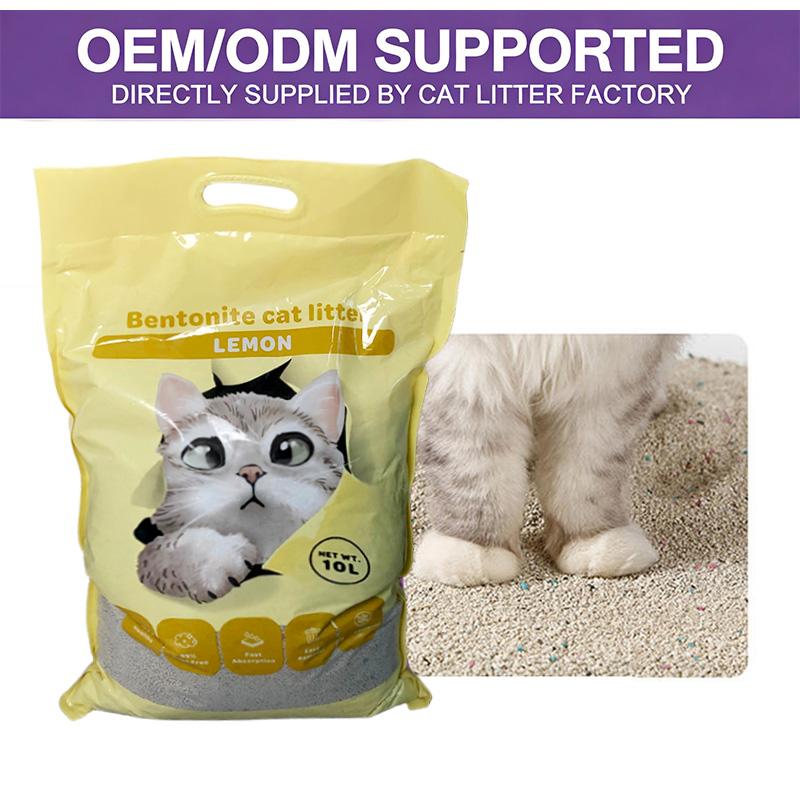
Dark Grey Best Sale Strong Clumping Natural Sodium Clay Easy Clean Odour Lock Premium Brand Cat Sand Bentonite Cat Litter
- Natural Sodium Montmorillonite
- Instant Solid Clump
- Bulk Value
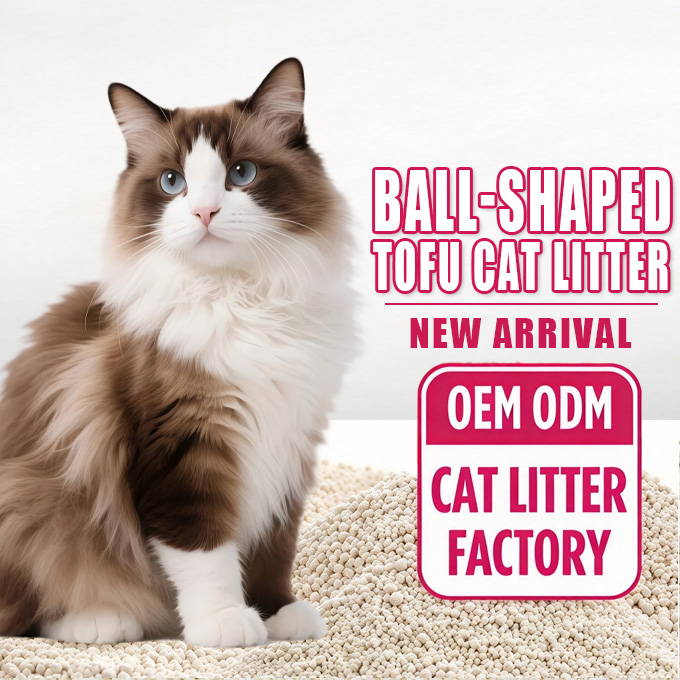
OEM ODM Customized Package Support Good Quality Ball Shaped Tofu Cat Litter
- Private Label Pouch
- Color Blending
- Degradable Bags
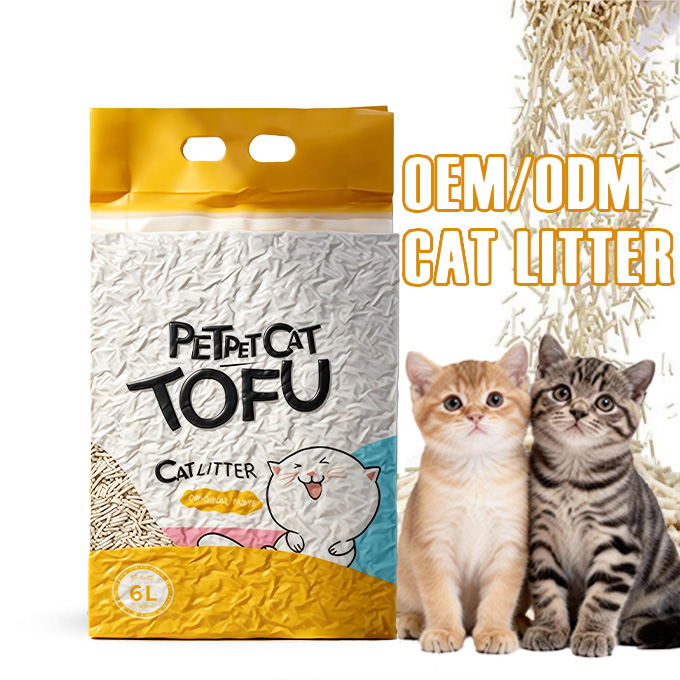
Disinfect Odor Control Original Biodegradable Fast Clumping Coffee Scent Dust Free Supplier Wholesale Premium Tofu Cat Litter
- Recycled Grounds
- Natural Deodorizer
- Anti-Microbial
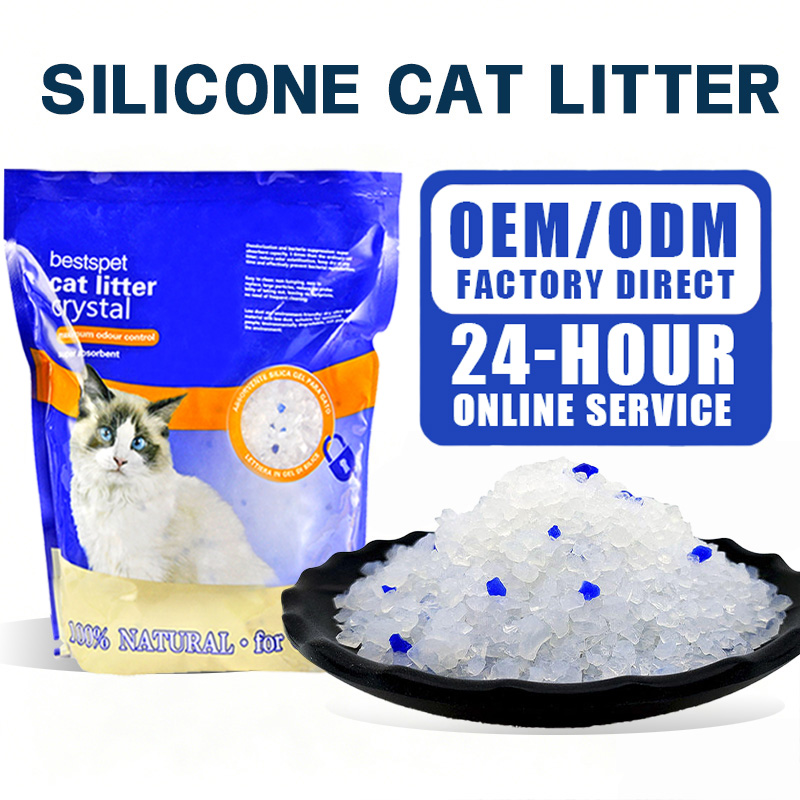
Low Price Sale Well Low Dust OEM Highly Absorbent Health Care Monitoring Low-tracking Odor Control Silica Gel Cat Litter
- pH Sensing Granules
- Non-Clumping Desiccant
- Zero Airborne Silica
Whitepaper: The Industrial Evolution of Deodorizing Silica Cat Litter in China
In feline care manufacturing, the global procurement landscape has shifted radically away from passive waste-containment substrates toward high-surface-area active desiccants. At the center of this transformation is China's advanced synthetic silica industry, anchored predominantly in Shandong Province. Modern pet owners living in dense urban settings demand multi-week odor control, low physical weight for consumer handling, zero dust to prevent feline asthma, and active detection of urinary tract pathologies.
Silica gel cat litter—chemically defined as amorphous silicon dioxide (SiO₂·nH₂O)—possesses an interconnected internal network of sub-nanometer pores. Unlike sodium bentonite, which relies on expansive lattice swelling to encapsulate waste in physical clumps, synthetic amorphous silica functions through non-clumping liquid desiccation and vapor-phase condensation. The capillary pressure within the silica pore matrix (pore volumes ranging between 0.8 and 1.05 cm³/g) actively draws in feline urine within milliseconds, evaporating moisture while chemically sequestering volatile organic compounds (VOCs) including ammonia (NH₃), trimethylamine, and hydrogen sulfide (H₂S).
Technical Performance Benchmark: Silica vs. Alternative Substrates
When engineering a private-label retail SKU or bidding on institutional distribution contracts, procurement managers must evaluate mechanical durability, volumetric yield per metric ton, and VOC containment efficacy. The table below represents empirical batch testing across factory lines in Zhaoyuan, Shandong.
| Evaluation Parameter | Amorphous Silica Gel (Type C) | Plant-Based Tofu (2.0mm) | Sodium Bentonite Clay | Mineral Ore Composite |
|---|---|---|---|---|
| Primary Mechanism | Capillary absorption & gas entrapment | Hydrogen bonding starch clumping | Interlayer swelling hydration clump | Surface cohesion agglomeration |
| Liquid Retention Capacity | 110% – 130% by dry weight | >450% – 600% by volume | 280% – 350% by dry weight | 180% – 220% by dry weight |
| Bulk Density (g/cm³) | 0.40 – 0.48 (Ultra-Lightweight) | 0.52 – 0.58 (Lightweight) | 0.88 – 1.05 (Heavy) | 0.82 – 0.95 (Medium-Heavy) |
| Respirable Dust Rating | < 0.05% (Multi-cyclone dedusted) | < 0.20% (Vacuum packed) | 0.80% – 2.50% (Requires dedusting) | 0.50% – 1.20% (Variable) |
| Ammonia VOC Half-Life | < 8 Minutes to < 5 ppm | Approx. 35 Minutes | Approx. 45 Minutes | Approx. 40 Minutes |
| 20GP Container Payload | Approx. 13 – 14 Metric Tons | Approx. 12 – 13 Metric Tons | Approx. 21 – 24 Metric Tons | Approx. 20 – 22 Metric Tons |
| Domestic Disposal Path | Municipal solid waste / Non-toxic landfill | Flushable (Single-batch toilet) | Municipal non-flushable waste | Municipal non-flushable waste |
Future Procurement Trends in Pet Hygiene Export Markets
Strategic purchasing directors must align supply chains with regulatory evolution, automated hardware adoption, and bio-functional performance indicators.
1. Colorimetric Diagnostic & Health Monitoring Litters
The fastest growing retail segment across North America and Western Europe is functional, diagnostic cat litter. By impregnating crystalline silica beads with biological chromogenic indicators, the substrate responds dynamically to feline urinary pH variations.
Alkaline readings (pH > 7.4, shifting to dark blue or violet) signal potential struvite urolithiasis, while acidic shifts (pH < 6.0, turning red or orange) warn of metabolic acidosis or renal strain. Importers purchasing color-changing silica litter gain an average 38% price premium at retail over commodity sands.
2. Calibration for Automated Self-Cleaning Litter Units
The proliferation of smart, rotational self-cleaning litter boxes (such as Litter-Robot and automated rake drums) has exposed severe limitations in conventional bentonites. Clay clumps adhere to silicone liners and generate sticky residue on internal cameras and infrared optical sensors.
Procurement is rapidly shifting toward 1.0–3.0 mm micro-spherical silica and low-density granular crystals. These non-clumping, free-flowing geometries sieve friction-free through automatic separation grates without gumming rotating mechanical gears or triggering false optical sensor warnings.
3. Hybridization: Active Carbon & Plant Silica Composites
Next-generation formulations blend inorganic silica crystals directly with pea-fiber tofu or granular anthracite coal. This hybrid approach delivers the eco-conscious marketing narrative of plant fibers alongside the aggressive desiccation and moisture-wicking capacity of synthetic silica.
Multi-layer composite litters solve the single greatest drawback of plant litter: mildew formation under humid maritime storage. By doping tofu formulas with 5% to 15% amorphous silica desiccants, shelf-life in humid sea containers is extended from 6 months to 24 months.
Factory Verification & Supply Chain Infrastructure: Yantai Jaskin
Headquartered in Zhaoyuan, Shandong—the heart of China's pet consumables manufacturing hub—Yantai Jaskin Pet Products Co., Ltd. operates a vertically integrated production and export facility verified on-site by Intertek.
Factory selection in China requires scrutinizing genuine manufacturing floor operations versus pure trading desks. Yantai Jaskin maintains 2,600 m² of physical production floor space equipped with multiple cyclone dedusting towers, automated optical color-sorters, vibrating sieving beds, and high-speed multi-head rotary form-fill-seal packaging equipment.
Intertek On-Site Verified
Audited quality control protocols across raw material intake, sieving loss calibration, moisture evaporation checking, and structural packaging seal integrity.
Turnkey OEM & ODM
Complete custom branding: vacuum-sealed bricks, side-gusseted PE pouches, custom box printing, pantone-matched dye granules, and encapsulated fragrances.
Port of Qingdao Synergy
Direct highway access to Qingdao Port—one of the world's premier container transshipment hubs—allowing rapid container repositioning, fumigation, and weekly vessel departures.
Global Export Compliance
Full documentation support including REACH SVHC certificates, non-hazardous goods declarations, RoHS compliance testing, material safety data sheets (MSDS), and Certificate of Origin.
Frequently Asked Questions: Sourcing Silica Cat Litter from China
Detailed technical, logistics, and private-label answers compiled by senior chemical engineers and export trade managers.
Q1 Is silica gel cat litter safe for cats, or does it cause silicosis?
Silica gel cat litter is synthesized from synthetic amorphous silicon dioxide (SiO₂), which has a disordered molecular network entirely distinct from crystalline quartz. It does not cause pulmonary silicosis. Furthermore, our dedicated processing lines employ multi-stage cyclone exhaust filtration to guarantee respirable airborne dust fractions remain below 0.05%, ensuring complete safety for cats and handlers.
Q2 What are the standard Minimum Order Quantities (MOQ) for OEM/ODM private labels?
For custom printed bags (rotogravure printing up to 10 colors), the printing cylinder setup typically dictates an MOQ of approximately 10,000 to 20,000 bags. For standard unprinted bags with private adhesive labeling or neutral carton export packaging, initial trial orders start at 500 kg to 1 metric ton. Full 20GP or 40HQ container loads are strongly recommended to optimize ocean freight economics.
Q3 How does freight volume differ between silica gel and bentonite clay?
Silica gel is significantly lighter, with a bulk density of 0.40–0.48 g/cm³ compared to 0.90–1.05 g/cm³ for bentonite clay. A standard 20-foot container (20GP) reaches its maximum highway weight threshold at 21–24 tons of bentonite, yielding only around 2,000–2,400 retail bags. With silica crystal litter, a 40HQ container holds roughly 24 metric tons, providing upwards of 6,000 to 6,500 retail 3.8L bags, dramatically cutting maritime shipping cost per retail consumer unit.
Q4 Can you customize granule coloration and scent micro-encapsulation?
Yes. We offer precise dosing of non-toxic colored indicator beads (blue, green, pink, orange, or purple) ranging from 1% to 10% mass volume. For fragrance, we utilize thermoset micro-encapsulation technology—releasing aroma (lavender, green tea, baby powder, active coffee, or fresh citrus) only when triggered by the mechanical friction of the cat digging or contact with warm urine, preserving fragrance integrity over extended shelf life.
Q5 How does silica litter handle multi-cat households compared to clumping litter?
In multi-cat environments, traditional clumping clay quickly forms voluminous wet masses that turn muddy when multiple cats visit the box repeatedly. Non-clumping silica beads absorb the liquid phase instantly throughout the entire volume of the bed, redistributing moisture through internal capillary networks. Stool waste is dehydrated rapidly, easing solid removal while one fill of litter lasts 10 to 14 days per adult cat.
Q6 What payment terms and Incoterms are supported for foreign buyers?
We routinely execute shipments under FOB (Qingdao/Tianjin/Shanghai), CFR, and CIF port terms. For qualified enterprise distributors, e-commerce aggregator accounts, and supermarket chains, we provide door-to-door DDP (Delivered Duty Paid) with customs clearance. Standard commercial payment terms are 30% T/T deposit upon purchase order confirmation and 70% against the scanned Bill of Lading (B/L), alongside irrevocable Letters of Credit (L/C at sight).
Q7 What is the production lead time for full container loads (FCL)?
Initial orders requiring plate cylinder engraving for newly designed packaging bags take approximately 20 to 25 calendar days for packaging printing, followed by 7 to 10 days for blending, dedusting, automated packaging, and palletized container stuffing. Repeat production runs utilizing existing film cylinders ship within 12 to 15 business days from order placement.
Q8 Can we mix multiple cat litter types in a single export container?
Yes. Because Yantai Jaskin operates versatile production and staging facilities for silica gel, spherical tofu, active carbon clumping pellets, and sodium bentonite, foreign buyers can consolidate mixed container shipments. For example, a 40HQ container can be partitioned to hold 50% tofu pellets, 30% silica gel crystal litter, and 20% puppy training pads, minimizing importer warehouse inventory risk.
Scale Your Private-Label Pet Hygiene Brand With a Direct Factory Partner
Request our comprehensive technical spec sheets, factory audit reports, and direct CIF freight quotes. Free pre-production testing samples delivered via DHL/FedEx worldwide.
Get Catalog