Featured OEM/ODM Cat Litter Pellets & Formulations
Verified high-performance substrates engineered for private label distributors, national pet store chains, and global e-commerce importers.
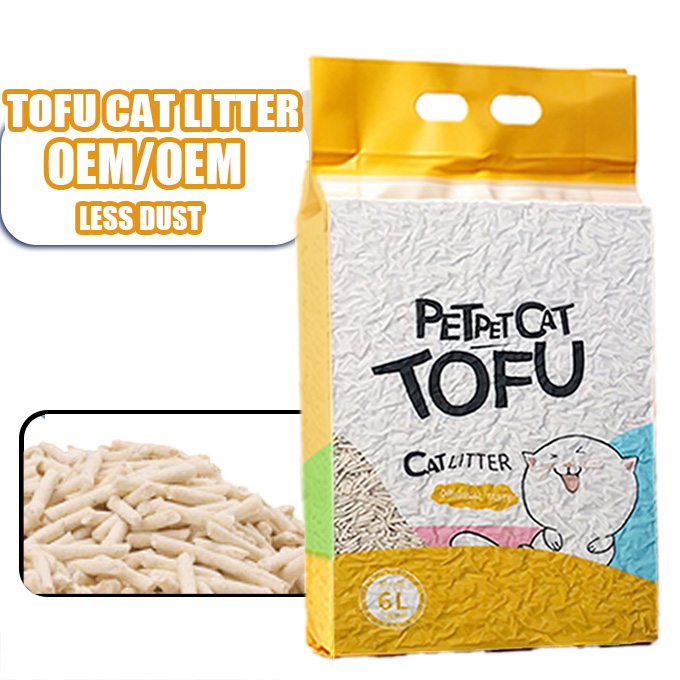
Crush White Tofu Cat Litter Natural Plant Material Fast Clumping Flushable OEM Bulk 1kg/5kg
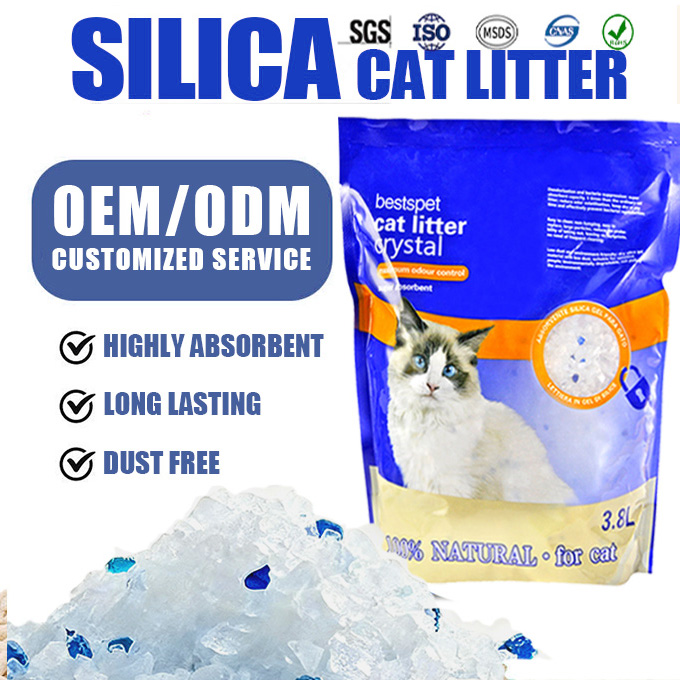
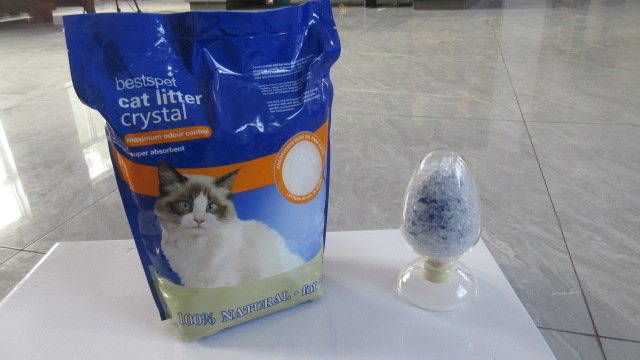
Irregular Baby Powder White and Blue Natural Environmentally Friendly Highly Absorbent Color Crystal Silica Gel Cat Litter
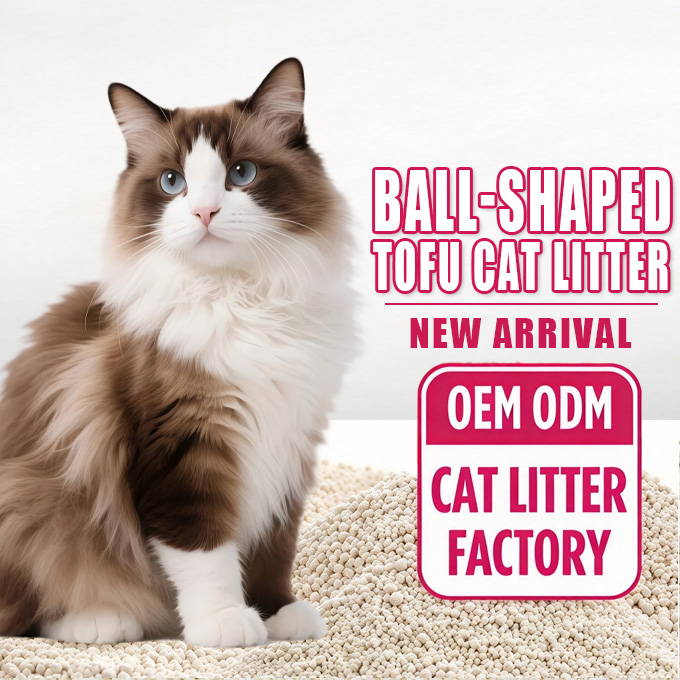
OEM ODM Customized Package Support Good Quality Ball Shaped Tofu Cat Litter
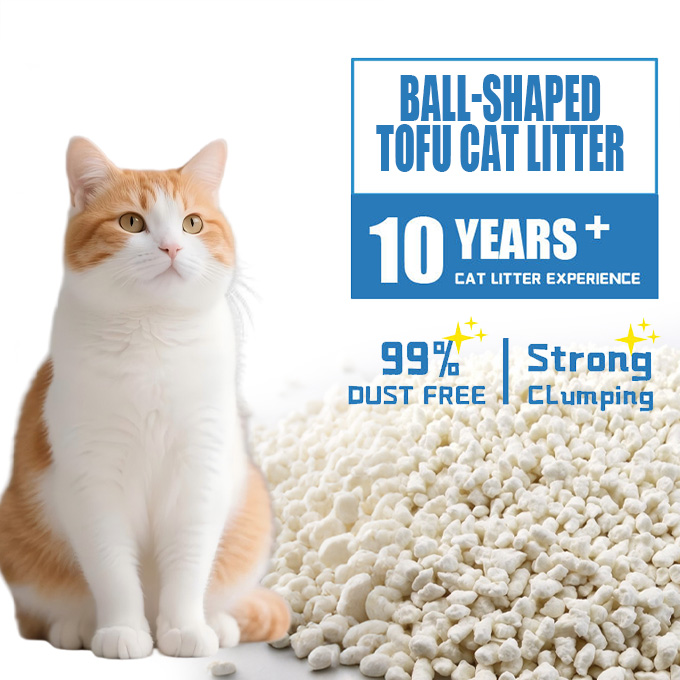
Green Tea Lavender Scent White Particles Ball Shaped Tofu Cat Litter
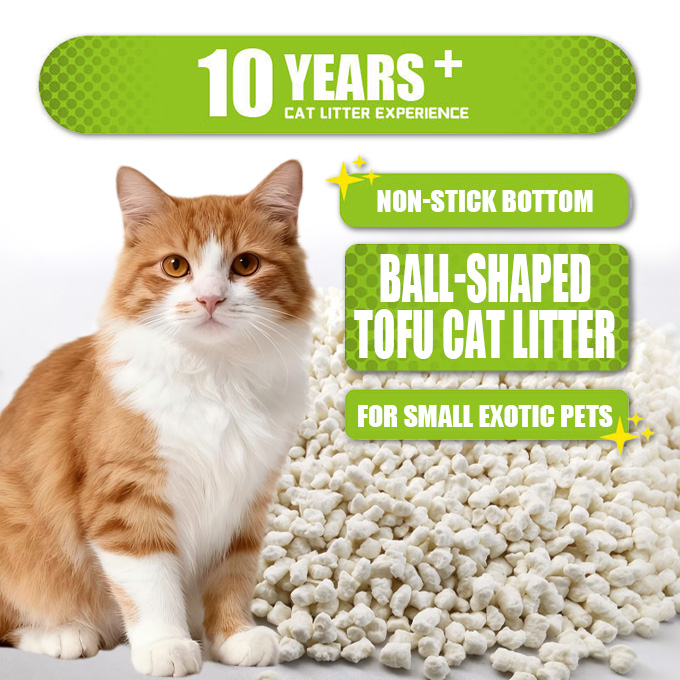
Strong Clumping Best Water Absorption Ball Shaped Tofu Cat Litter
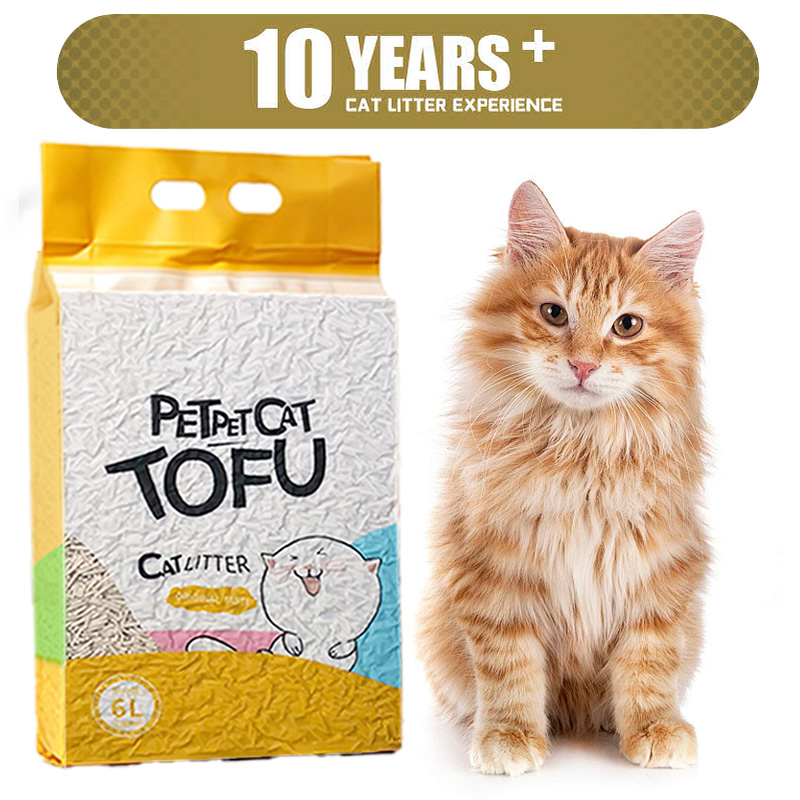
Sustainable High Clumping Crush Factory Oem Bulk Flushable Clumping Broken Tofu Cat Sand Blue Ball Shaped Tofu Cat Litter
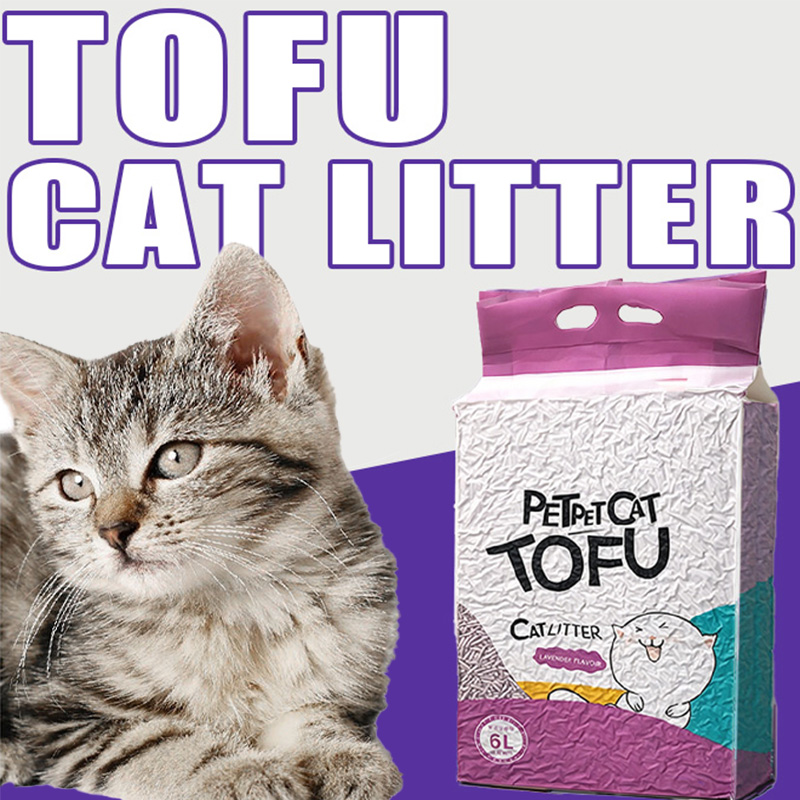
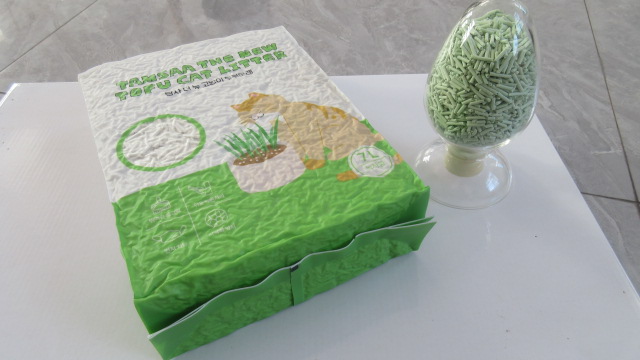
Stand up Bag Package Food Original Biodegradable Fast Clumping Coffee Scent Dust Free Premium Plant Eco Clean Tofu Cat Litter
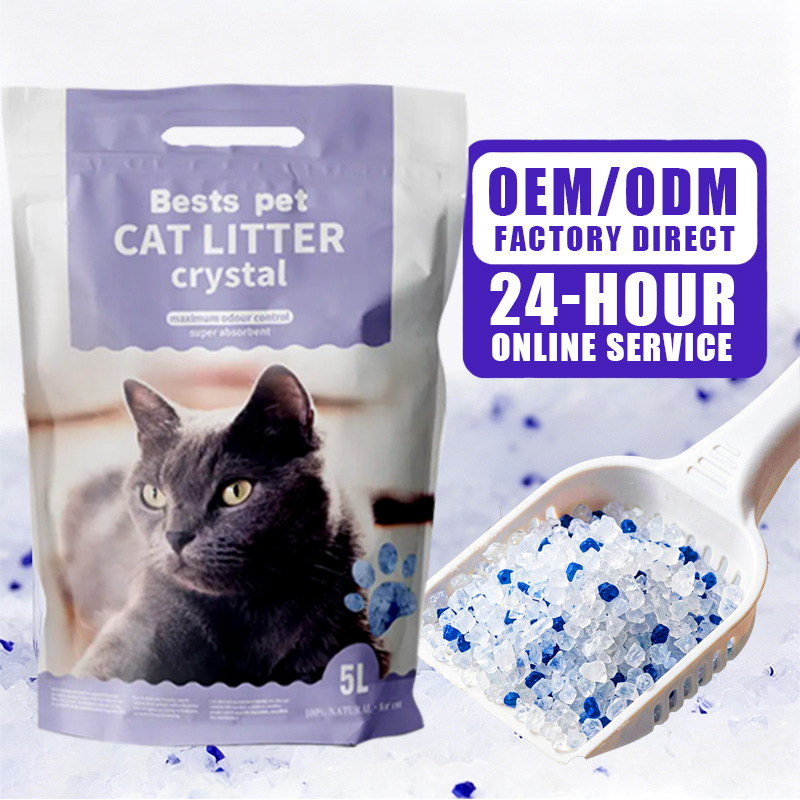
Accept ODM Packing Deodorant Hot Wholesale Factory Crystal Cat Litter Dust Free Cat Sand Crystal Bulk Silica Gel Cat Litter
B2B Material Recommendations for OEM/ODM Cat Litter Pellets
Strategic mineral and plant fiber material selection designed for optimal bulk density, agglomeration kinetics, and global freight yield.
Granulometric Physics: 1.5mm Micro-Pellets vs. 2.0mm Standard vs. Irregular Crushed Formats
When engineering proprietary brand lines in a specialized OEM/ODM cat litter pellets factory, the physical geometry of the pellet governs not only feline mechanical comfort but fundamentally determines capillary absorption efficiency and clumping coherence. Modern commercial extruded tofu pellets generally fall into two primary physical categories: cylindrical extruded pellets (ranging from 1.5mm micro-diameter to 3.0mm industrial standard) and crushed plant aggregates (broken tofu litter). Micro-pellets (1.5mm) provide significantly denser interstitial packing, reducing the volume of liquid that penetrates through to the litter box floor before agglomeration occurs. This results in flatter, surface-level clumps that save up to 23% in consumed substrate volume per micturition event compared to thicker 3.0mm variants.
Conversely, irregular crushed tofu litter emulates the tactile mouthfeel and paw-feel of traditional natural mineral sand. By combining fractured high-pressure dried pea starch and soybean curd residue with food-grade guar binders, crushed formats eliminate the rolling behavior of cylindrical pellets, dramatically curtailing domestic tracking outside the tray. For brand managers operating in high-density metropolitan markets where automatic rotating litter pans dominate, our factory recommends spherical ball-shaped plant pellets or 1.5mm micro-pellets. These geometries flow smoothly across mechanical sorting combs without lodging into filtration grids or causing motor stall torque errors.
| Substrate Classification | Typical Pellet Diameter | Hydration Clumping Speed | Absorption Capacity (wt%) | Bulk Density (g/cm³) | Dust Index (Turbidity PPM) | Recommended Sales Channel |
|---|---|---|---|---|---|---|
| Micro Pea-Fiber Tofu | 1.5 mm Cylindrical | 1.8 Seconds | >550% – 650% | 0.52 – 0.56 | <15 PPM (99.9% Clean) | Boutique & Automated Boxes |
| Crushed Broken Tofu | 1.0 mm – 3.0 mm Crushed | 1.2 Seconds | >600% – 700% | 0.58 – 0.62 | <20 PPM (Dedusted) | Eco-Conscious Clay Switchers |
| Color-Changing Health Silica | 2.0 mm – 6.0 mm Granular | Non-Clumping (Evaporative) | >400% (Locked Fluid) | 0.40 – 0.45 | <10 PPM (Zero Dust) | Veterinary & Pet Telehealth |
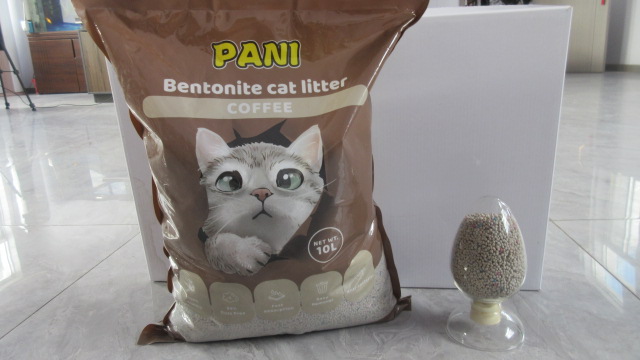
| Sodium Bentonite Pellets | 0.5 mm – 2.5 mm Spherical | 2.5 Seconds | >300% – 380% | 0.85 – 0.95 | <35 PPM (Cyclone Air) | FMCG Supermarkets & Hypermarkets |
| Composite Hybrid (Tofu+Clay) | Composite Mix | 1.5 Seconds | >500% | 0.68 – 0.74 | <25 PPM (Triple Sifted) | Mid-Tier Performance Brands |
Future Sourcing Trends for Cat Litter Pellets Importers
Actionable market insights for B2B category buyers navigating ESG legislation, supply chain carbon footprints, and escalating ocean freight economics.
1. The Transition from Heavy Strip-Mined Clays to Carbon-Neutral Agri-Byproduct Pellets
Across Tier-1 retail chains in North America, Germany, the UK, and Japan, strict corporate Scope 3 emissions targets are reshaping pet procurement catalogs. Traditional sodium bentonite extraction entails strip mining, high-energy rotary calcination kilns, and punitive trans-oceanic shipping mass (averaging 0.90 to 1.05 kg per liter). In contrast, plant-based pellets derived from reclaimed agricultural food-processing co-products (such as pea starch and food-grade soybean curd) offer an exceptionally low cradle-to-gate carbon footprint. With a standard density of roughly 0.50 to 0.55 kg per liter, plant pellets effectively reduce shipping weight by up to 45%, providing direct demurrage, intermodal road freight, and carbon-tax savings for container importers.
2. Strict Plastic Packaging Bans & High-Density Vacuum Optimization
B2B buyers are urgently transitioning away from unrecyclable multi-laminate PET/PE pouches to monomaterial recyclable polyethylene (PE/PE), biodegradable PLA films, and FSC-certified Kraft paper bags with water-based heat-seal varnishes. Concurrently, factory-level vacuum compaction has become standard operating procedure for premium pellet export. By evacuating residual air into rigid "vacuum bricks", bag rupture caused by internal shifting friction inside 40-foot HQ containers during maritime crossings is essentially eliminated. This increases pallet loading density by 18%, allowing up to 24 metric tons of packaged tofu pellets to be loaded per standard sea freight booking.
Technological Innovations in Pellet Manufacturing
Pioneering formulations that combine clinical veterinary diagnostics, biochemical enzyme encapsulation, and automated micro-pore extrusion.
- Acidic (pH < 6.0): Golden yellow/orange (Acidosis risk).
- Optimal (pH 6.2 - 6.8): Light olive/lime green.
- Alkaline (pH > 7.2): Deep blue/purple (FLUTD & struvite crystal risk).
- Erythrocyte Detection: Crimson reaction for micro-hematuria.
Why Top Global Brands Partner with Our Factory
Direct manufacturing infrastructure situated in China's mineral and agricultural processing epicenter: Zhaoyuan, Shandong Province.
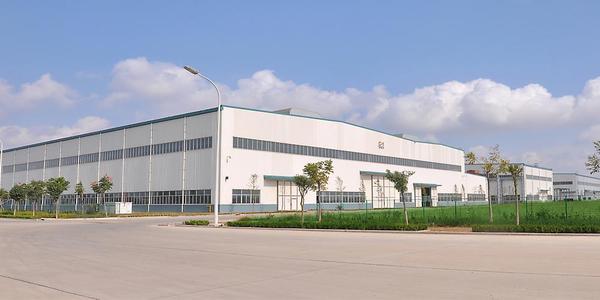
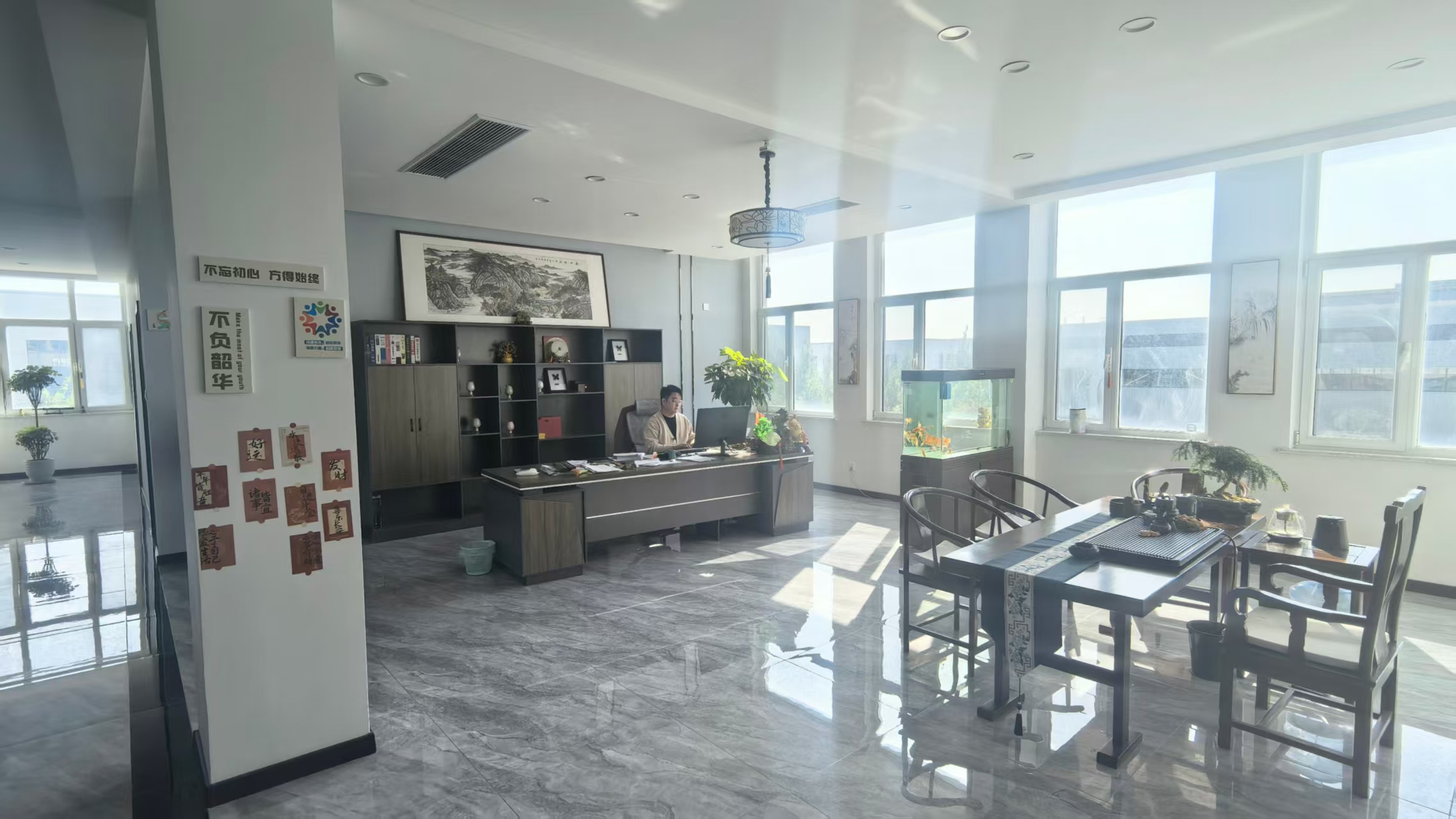
Yantai Jaskin Pet Products Co., Ltd. stands as an established benchmark in professional contract manufacturing (OEM/ODM) for global pet hygiene brands. Located in Zhaoyuan, Shandong, our plant operates within the nucleus of high-grade bentonite resources, premium pea starch processing mills, and direct container logistics corridors to Qingdao Port.
- Intertek Onsite-Verified Facility: Rigorous 3rd-party independent assessment across physical facility, ethical labor compliance, material traceability, and quality management systems.
- 2,600 Square-Meter Specialized Clean Workshop: High-efficiency automated granulation, automated ingredient batching systems, fluidized drying tunnels, and multi-deck dedusting cyclones.
- End-to-End Design & Customization: In-house structural graphic artists, custom bag die-cuts (vacuum blocks, stand-up zipper pouches, handle boxes), multi-color pantone matching, and bespoke fragrance blending.
- Exhaustive Laboratory Testing: Every batch undergoes Karl Fischer moisture titration, automated drop friability testing, ammonia volatilization capture, and dissolution speed verification.
- Comprehensive Trade & Freight Coverage: Full support for FOB Qingdao, CFR, CIF, DDP, and DDU with phytosanitary documentation, fumigation certificates, CO, and SGS pre-shipment inspections.
Frequently Asked Questions (B2B Purchasing FAQ)
Authoritative technical answers to common queries submitted by global sourcing directors, brand managers, and import logistics specialists.
Request Your Free Technical Formulation & Sample Kit
Connect directly with our engineering and export team. We will deliver tailored OEM/ODM quotes, private label packaging mockups, and laboratory sample kits directly to your international office within 3 to 5 business days.
Get Catalog