Featured OEM Milk Scented & Functional Cat Litter Formulations
Directly sourced from our Intertek-verified Shandong production complex, these top-tier export configurations merge advanced dairy lactone aroma preservation with rapid fluid encapsulation, 99.9% dust filtration, and biodegradable flushability.
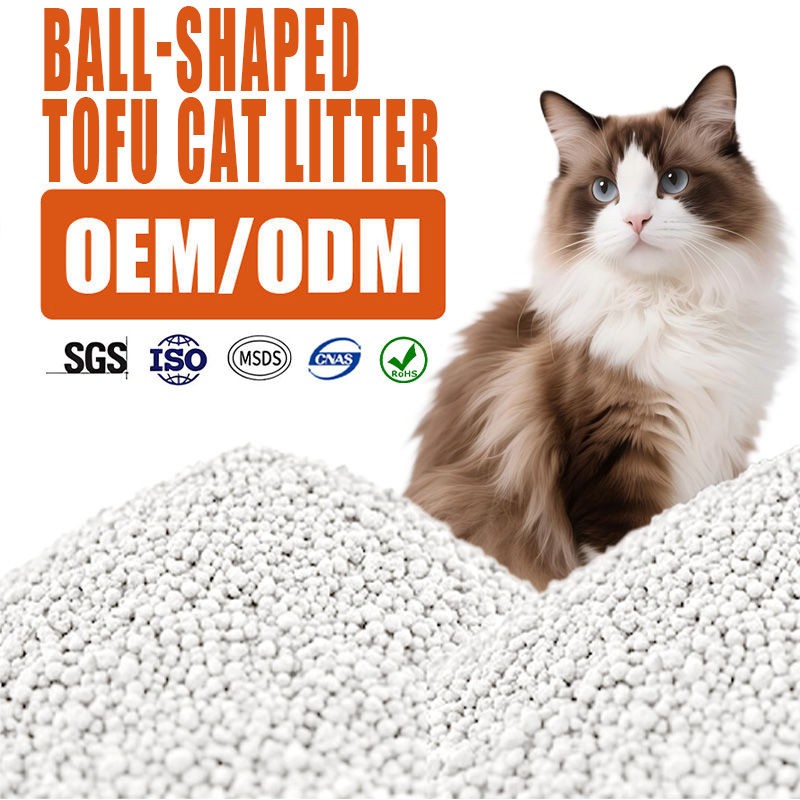
Spherical Food Original Biodegradable Fast Clumping Dust Free Supplier Wholesale Plant Eco Clean Ball Shaped Tofu Cat Litter
- Spherical 2.5-3.5mm
- Milk / Original
- Zero Dust
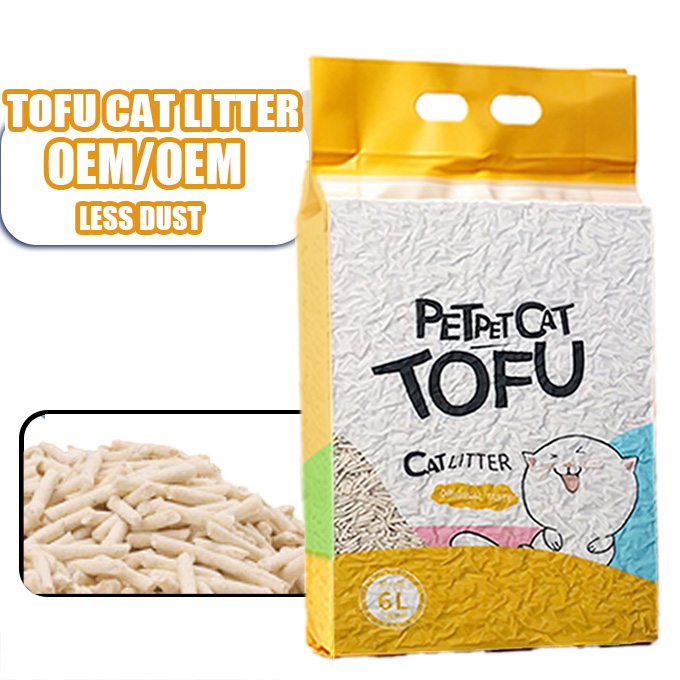
Crush White Tofu Cat Litter Natural Plant Material Fast Clumping Flushable OEM Bulk 1kg/5kg
- Crushed Granules
- Flushable
- Dairy Scent
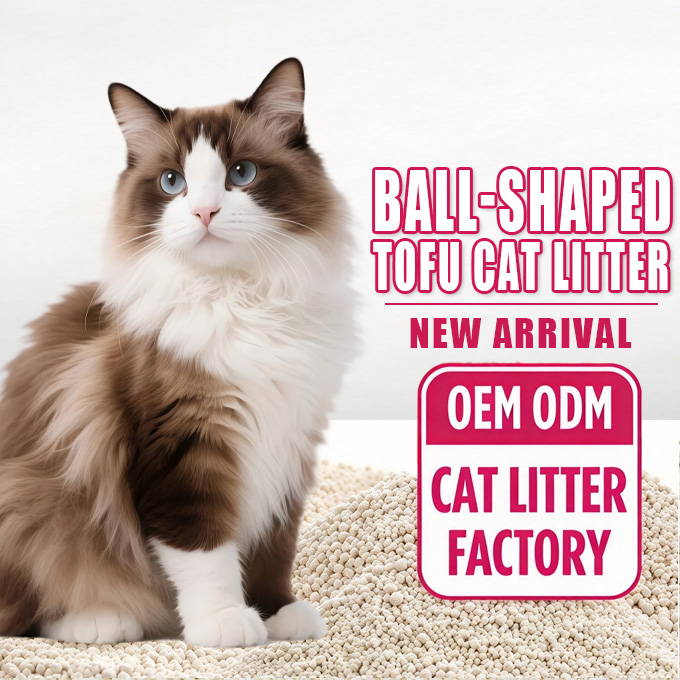
OEM ODM Customized Package Support Good Quality Ball Shaped Tofu Cat Litter
- Bespoke Packaging
- High Compactness
- Sweet Milk Blend
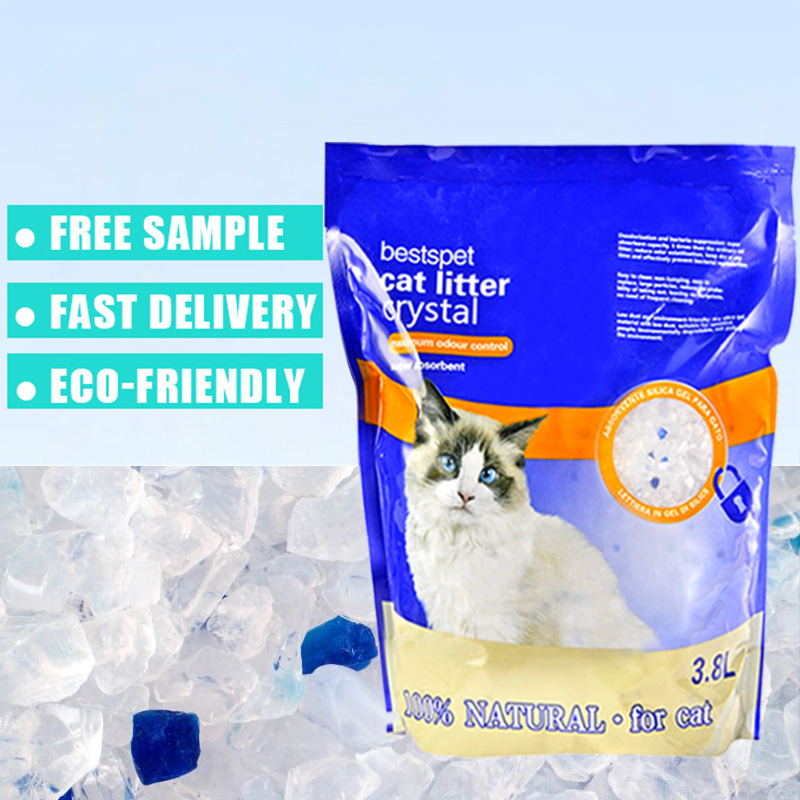
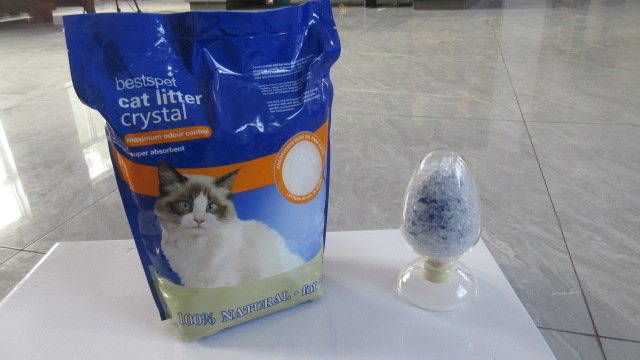
Crystal Natural Low Dust OEM Highly Absorbent Health Care Monitoring Low-tracking Odor Control Silica Gel Cat Litter
- SiO2 Macroporous
- pH Indicating
- Odor Sealing
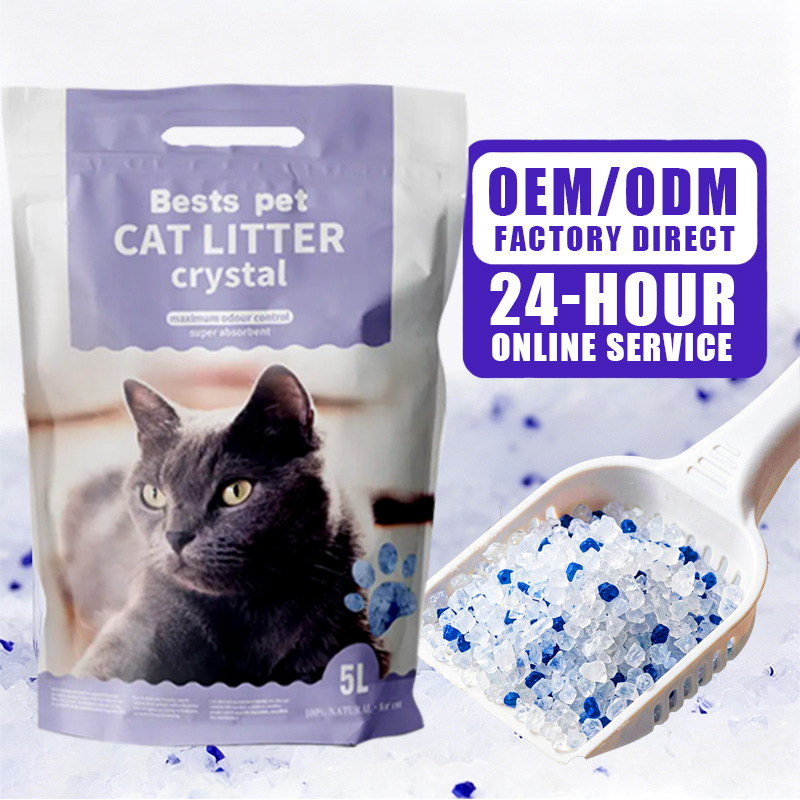
Accept ODM Packing Deodorant Hot Wholesale Factory Crystal Cat Litter Dust Free Cat Sand Crystal Bulk Silica Gel Cat Litter
- Bulk Ton Bags
- Low Tracking
- Long-Cycle Use
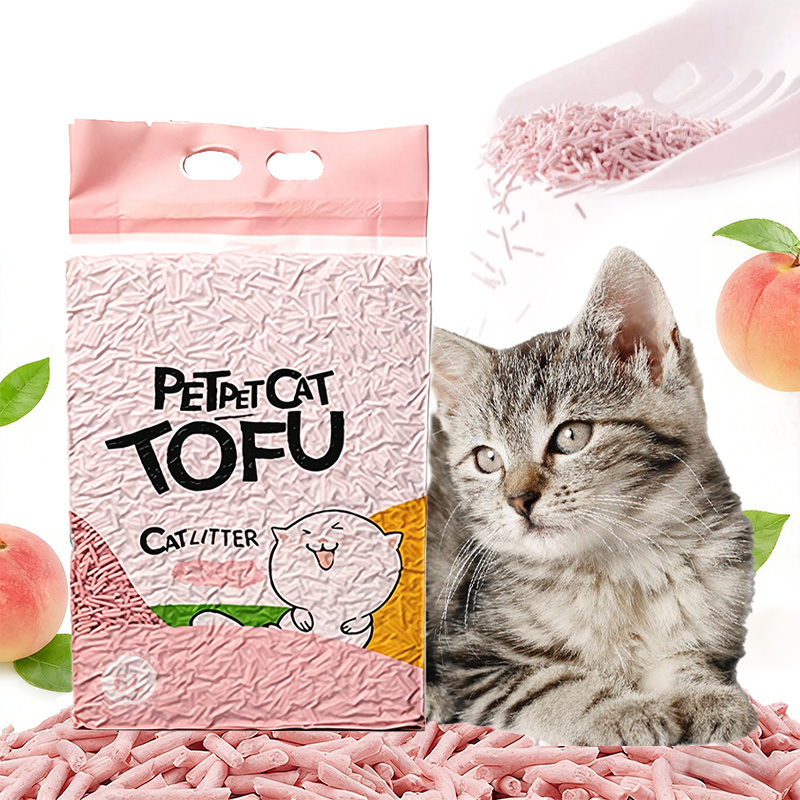
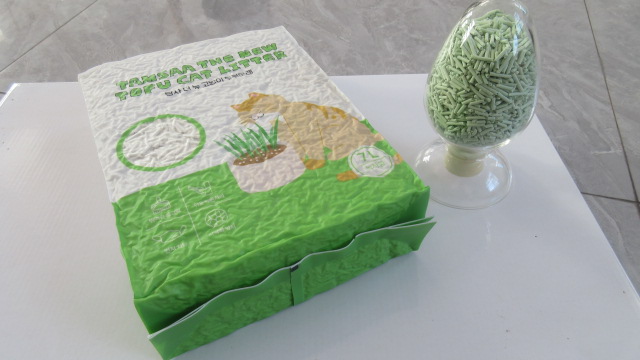
Accept ODM and OEM Easy Scooping Free Sample Clumping Cat Litter Wholesale Dust Free Vacuum Package Tofu Cat Litter
- Vacuum Brick Pack
- Pea Fiber Core
- Easy Scoop
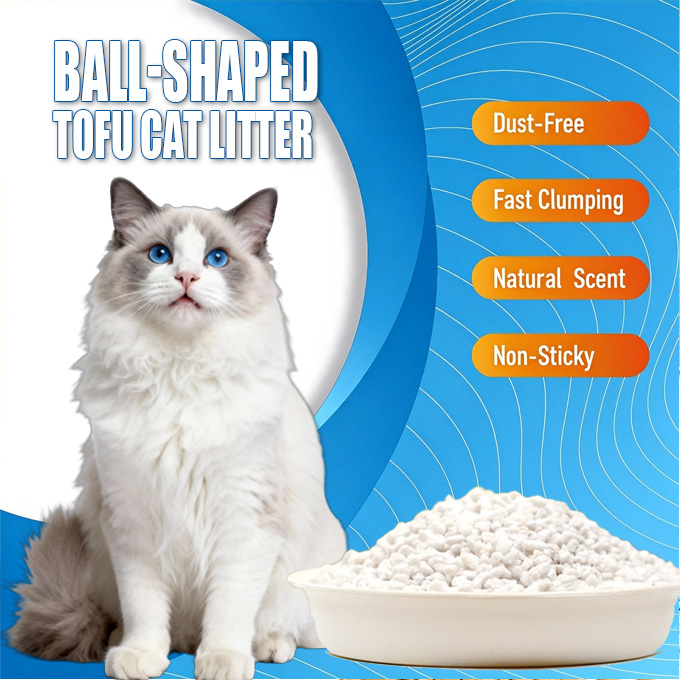
Ball Shaped Factory Directly Sell Bulk Good Clumping Tofu Cat Litter
- High Hardness
- Anti-Pawing Frag
- Rapid Clump
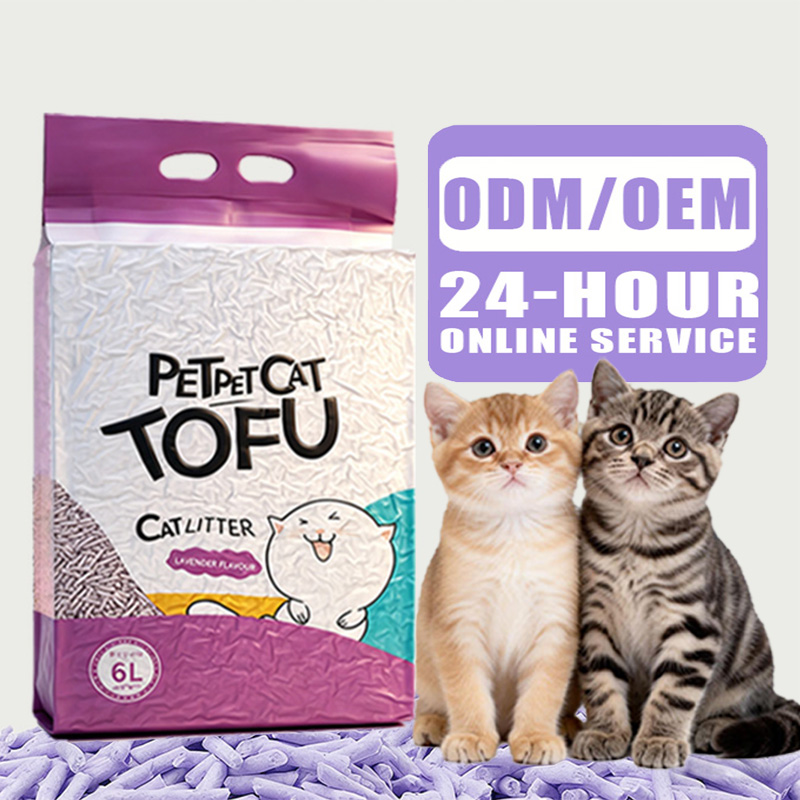
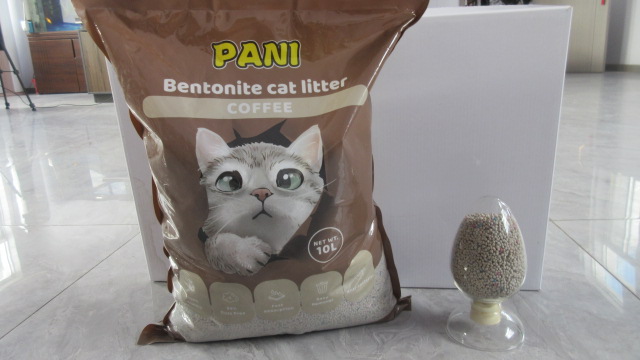
A Grade Vacuum Package Food Original Biodegradable Fast Clumping Coffee Scent Dust Free Premium Plant Eco Clean Tofu Cat Litter
- Food Grade Starch
- Micro-Scent Profile
- Flush Tested
Engineering Olfactory Stability: The Chemistry of OEM Milk-Scented Substrates
In modern feline behavioral hygiene, fragrance is not merely an aesthetic choice; it serves as a critical biochemical interface between pet physiology and indoor domestic spaces. While heavy artificial floral compositions frequently trigger feline olfactory aversion, respiratory distress, or localized contact allergies, milk-scented cat litter has surged to the forefront of international private-label demand. This consumer preference is grounded in evolutionary biology and sensory ergonomics: feline chemical receptors display high tolerances toward sweet dairy-derived volatiles, which effectively suppress offensive nitrogenous compounds without triggering behavioral resistance.
At Yantai Jaskin Pet Products Co., Ltd., our laboratory engineers specifically focus on dairy lactone stability. Our formulation integrates synthetic food-grade delta-decalactone (δ-decalactone) and gamma-undecalactone (γ-undecalactone) within a porous food-grade starch carrier. Rather than applying crude surface-spray fragrances that degrade rapidly under oxidation and release sharp solvent fumes, our OEM milk aromatics are homogenized with high-purity edible pea fiber, micro-milled corn starch, and natural food gum binders prior to twin-screw extrusion. The result is a temperature-resilient, time-released olfactory barrier that encapsulates offensive ammonia ($NH_3$) and trimethylamine vapors instantly upon hydration.
Micro-Encapsulated Fragrance Release
Fragrance molecules are suspended inside micro-porous starch matrix shells. The pleasant milk aroma remains passive during shelf storage and is activated immediately when wet, releasing scent precisely when odor suppression is necessary.
Sub-Second Hydrophilic Clumping
By blending refined pea insoluble fibers with engineered guar cross-linkers, urine contact triggers a cohesive capillary gel lock within 1.5 seconds, consolidating waste into dense, non-stick cakes that do not fragment upon scooping.
Five-Tier Cyclonic Dust Extraction
Pelletized substrates undergo five consecutive pneumatic air-screening phases, reducing residual airborne particulate matter (PM2.5 / PM10) to below 0.1%, protecting feline and owner respiratory tracts against chronic inhalation hazards.
Cat Litter Sourcing & Procurement Trends: 2025–2030
Global pet retail conglomerates, distributor buying groups, and e-commerce DTC brands are aggressively overhauling their supply chains. Here are the four structural shifts defining global purchasing decisions over the next five years.
The global pet hygiene sector is undergoing a rapid transition away from strip-mined sodium bentonite clay toward renewable, closed-loop agricultural fiber technologies. Heightened ocean freight volatility, tightening European carbon border taxation, and strict municipal wastewater handling guidelines across Asia-Pacific and North America have elevated plant-based substrates from a niche eco-alternative into a core retail category. Importers and category managers must align their manufacturing supply contracts with the following technological frontiers:
| Substrate Category | Capillary Sorption Index | Ammonia Neutralization | Carbon Footprint (MT CO2e/T) | Dust Level (PM10) | Sourcing Recommendation |
|---|---|---|---|---|---|
| Milk-Scented Pea Fiber Tofu | > 600% by weight | Lactone Chelation + Bio-Adsorption | 0.42 (Ultra-Low) | < 0.1% (5x Dedusted) | Primary Core Line: Ideal for premium DTC, grocery & apartment living. |
| Crushed Food-Plant Granules | 500% – 550% | Encapsulated Milk Micro-Drops | 0.48 (Low) | < 0.2% (Multi-Screened) | High-Volume Clay Replacement: Mimics natural soil paw-feel. |
| Silica Gel Crystal (SiO2) | 380% – 420% | Porous Trapping + pH Indicators | 1.85 (Medium-High) | < 0.05% (Near Zero) | Niche Veterinary Channel: Maximum odor longevity, zero clumping. |
| Traditional Sodium Bentonite | 250% – 320% | Physical Clay Occlusion | 2.10 (High Mining Load) | 0.8% – 2.5% (Elevated) | Mass Retail Value Line: Heavy shipping costs, high tracking. |
1. The Transition to Compressed Vacuum Packaging & Cube Logistics
Ocean freight rates and last-mile logistics now make up over 35% of landed wholesale costs for pet litter. Traditional bentonite clay averages a mechanical bulk density of roughly 0.90 to 1.05 g/cm³, meaning a standard 40ft High Cube container hits payload weight limits long before cubic volume is maximized. In contrast, our vacuum-sealed, brick-packed milk tofu cat litter achieves an optimized volumetric profile. Solid vacuum bricks eliminate cargo shifting, prevent pallet abrasion during transit, and permit up to 24 metric tons per container, yielding significant savings in landed cost per kilogram.
2. Diagnostic Litter & Dual-Action Biomarkers
Procurement departments at leading retail brands are actively moving into health-monitoring substrates. By compounding bromocresol green or clinical-grade chromogenic indicators into milk-scented tofu or silica granules, the litter detects abnormal feline urinary pH thresholds (indicating FLUTD, cystitis, or alkaline struvite crystals) by shifting color from light yellow to vivid cyan. Combining this clinical function with a comforting milk aroma elevates private-label SKUs into high-margin veterinary wellness categories.
3. Zero-Landfill Regulations and Municipal Flushability Testing
Across metropolitan hubs in Europe, Singapore, South Korea, and Japan, municipal landfill surcharges have spurred consumer demand for safe, toilet-flushable litter. Genuine flushability requires meticulous formulation: the litter must clump instantly in the box yet break down completely into inert plant slurry when exposed to high volumes of water in sewer traps. Yantai Jaskin products undergo rigorous fluid dissolution testing to confirm total breakdown within 90 seconds in hydraulic turbulence, preventing household plumbing clogs.
Industrial Manufacturing Prowess: Yantai Jaskin Pet Products Co., Ltd.
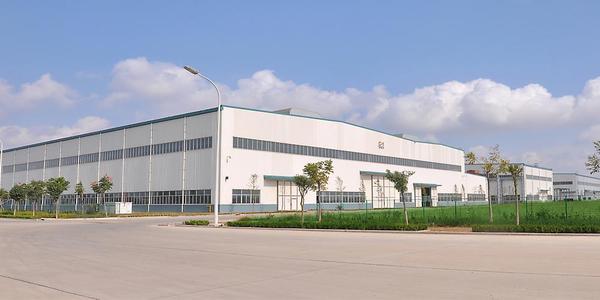
Based in Zhaoyuan, Shandong—the epicenter of China's pea starch and mineral industries—our facility bridges factory manufacturing control with dependable international export management.
Precision Engineering with Strict Quality Verification
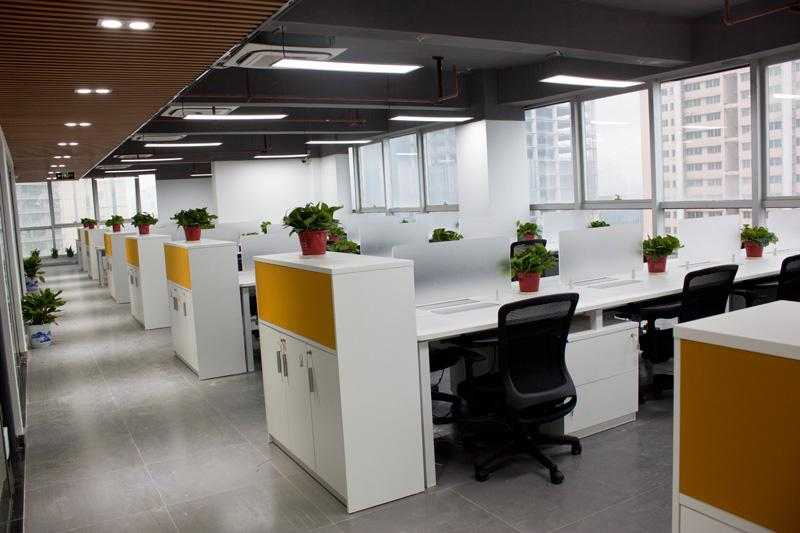
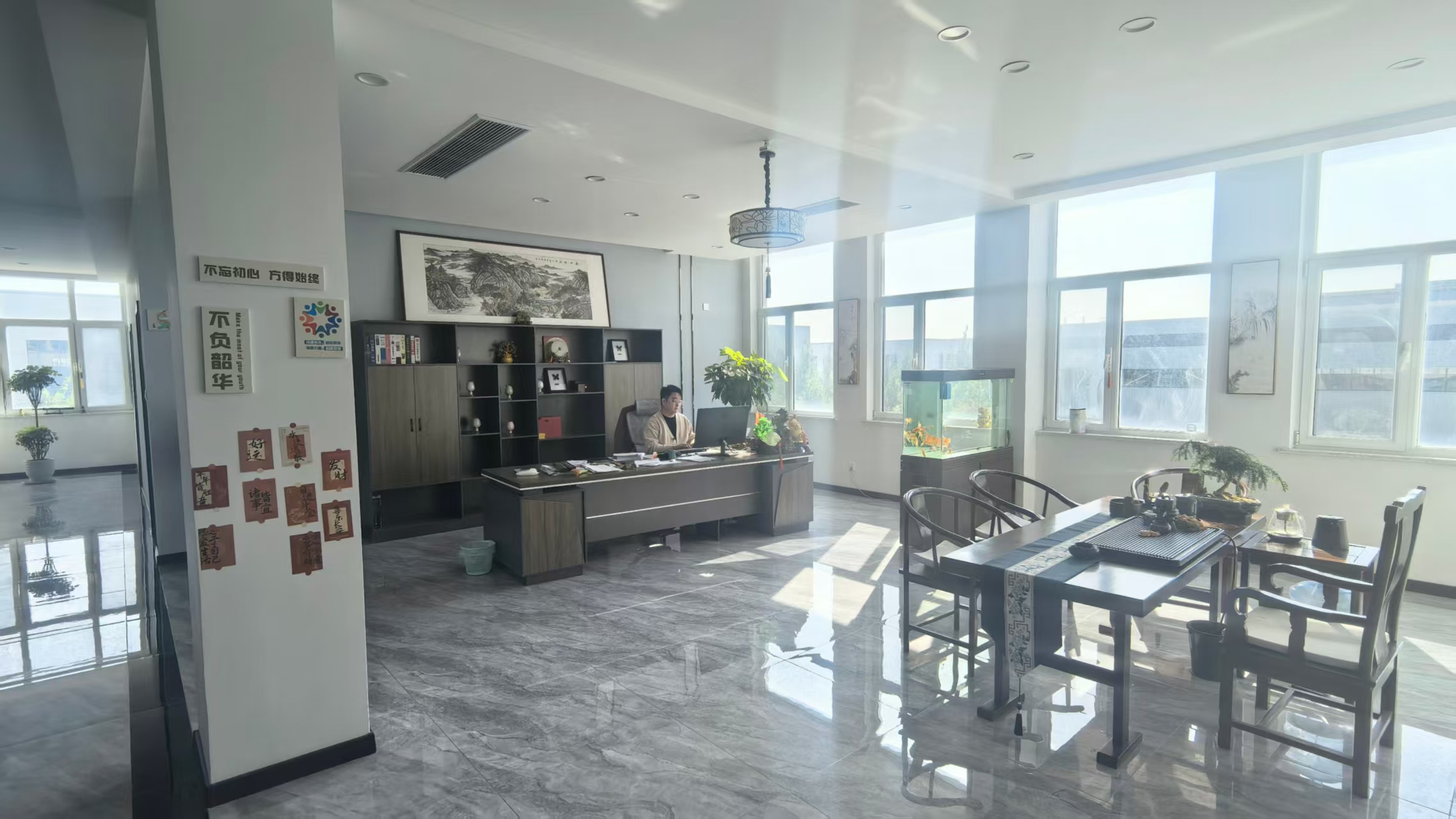
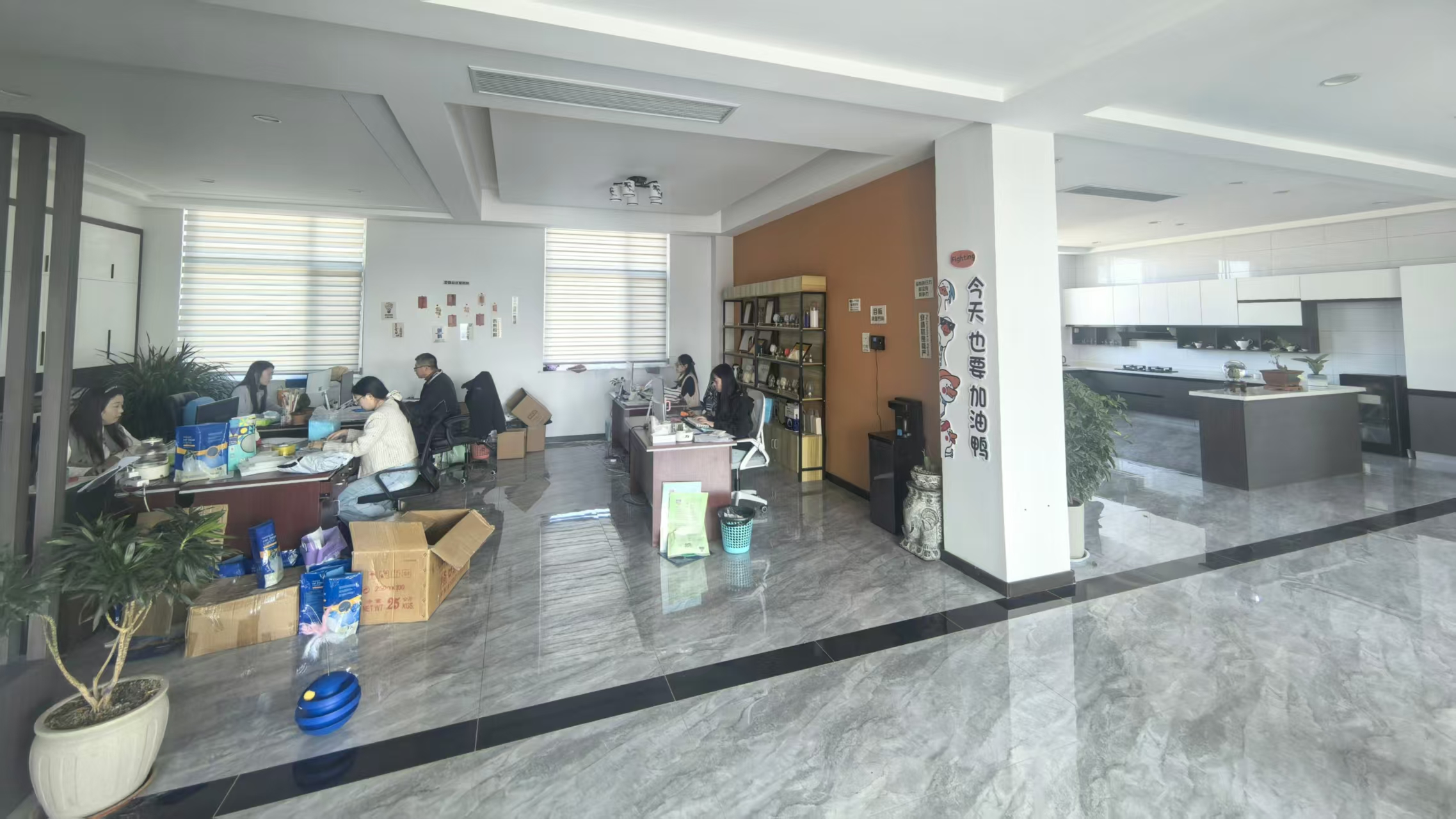
Founded in 2020, Yantai Jaskin Pet Products Co., Ltd. oversees dedicated production workshops spanning 2,600 m² of specialized manufacturing space. As a certified manufacturer and trading partner, we maintain rigorous control over raw ingredient receiving, extrusion moisture limits, continuous drying, double de-dusting, and automated vacuum bagging.
Unlike regional traders who broker uninspected goods, our operations undergo regular onsite supplier audits by Intertek. We test and document every single production batch—verifying water content ($a_w \le 0.10$), clump cohesion, and bulk density—ensuring absolute consistency from sample evaluation to final container loading.
- ✓ Intertek Onsite Supplier Assessment and Verified Production Flow
- ✓ Food-grade raw materials: High-purity edible pea fiber and food starches
- ✓ End-to-end OEM/ODM private labeling (foil, stand-up pouches, custom vacuum bricks)
- ✓ Experienced multilingual export desk handling FOB, CIF, DDP, and DDU workflows
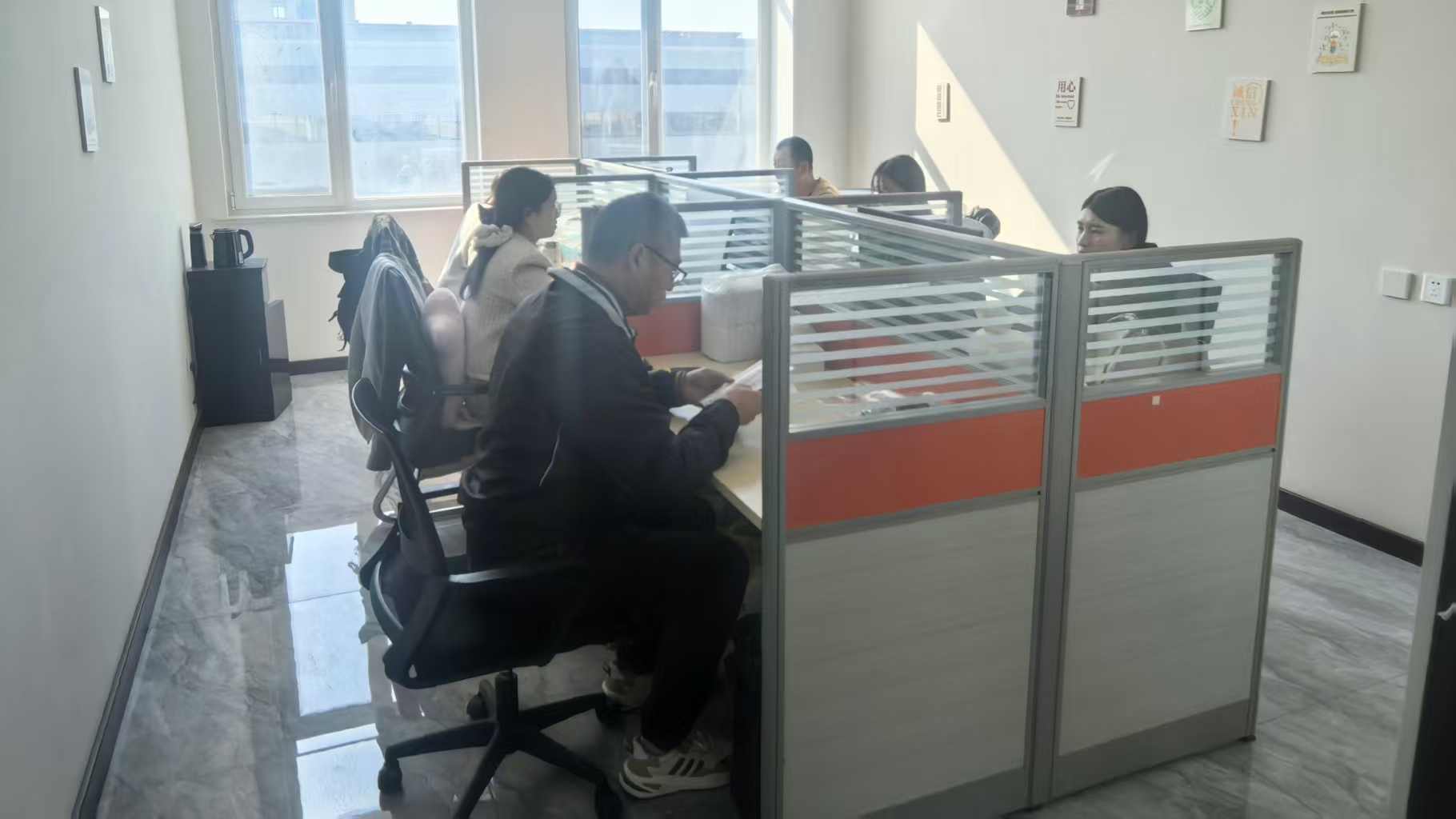
Audited Plant Infrastructure & Technical Capabilities
B2B Sourcing & OEM Cat Litter Procurement FAQ
Direct answers to the critical legal, logistical, and technical questions procurement specialists ask during supplier qualification audits.
What specific ingredients are used to create the milk aroma, and are they safe if accidentally ingested?
Our OEM milk fragrance formulation relies entirely on food-grade delta-decalactones, gamma-undecalactones, and ethyl vanillin suspended within an edible plant-starch carrier. We never use industrial phthalates, synthetic musk fixatives, or volatile organic hydrocarbon carriers. Because curious cats and kittens occasionally consume small amounts of plant-based litter, all binding hydrocolloids (guar gum, starch ethers) and aromatics are formulated to meet food-contact tier safety standards, easily dissolving in digestive fluids without forming intestinal blockages.
How does your manufacturing process eliminate mold risks during humid maritime ocean transit?
Plant-based litter is hygroscopic by nature. To guarantee an extended shelf life of 24 months across equatorial shipping routes, our facility utilizes an automated multi-pass drying tunnel that reduces inner core pellet moisture to between 7% and 9% ($a_w < 0.60$). At this water activity level, mold spores cannot germinate. Additionally, our vacuum-sealed heavy-gauge PA/PE barrier film bags shield the material from ambient marine moisture during container transit.
What are your Minimum Order Quantities (MOQ) for custom private label packaging versus bulk bags?
For custom gravure-printed private label foil or vacuum bags (typically 6L / 2.5kg or 7L), the standard MOQ is 1,000 to 3,000 printed units depending on bag style and print colors. For the litter substrate itself, initial trial orders start at 5 metric tons (approx. 2,000 bags). For established commercial clients, we produce 20ft (approx. 10-12 tons) and 40ft High Cube (approx. 22-24 tons) full container loads. Unprinted generic packaging or bulk jumbo-sack supply can be ordered with lower entry thresholds.
Can you customize pellet diameter, density, and color matching to align with brand guidelines?
Yes. Our extrusion dies can be adjusted to produce 1.5mm micro-pellets, 2.0mm standard pellets, 3.0mm thick pellets, spherical ball pellets, or irregular crushed granules. We can also incorporate Pantone-matched edible mineral pigments (e.g., pastel yellow, soft cream, light blue, or matcha green) as well as functional additives like activated coconut carbon granules or color-changing silica indicators for urinary health monitoring.
Which commercial shipping terms and payment currencies do you support for international importers?
We work with global Incoterms including FOB (Qingdao Port), CFR, CIF, DDP, and DDU. Our operations team prepares complete export documentation including Commercial Invoices, Packing Lists, Certificates of Analysis (COA), Phytosanitary Certificates, and MSDS/SDS sheets. Accepted payment methods include Wire Transfer (T/T), confirmed Irrevocable Letters of Credit (L/C at sight), and PayPal for sample batches in US Dollars (USD).
How does Yantai Jaskin maintain dust levels below 0.1% across high-volume runs?
Raw plant pellets are naturally prone to micro-friction during drying and transport. Our facility employs a 5-step dedusting system: (1) low-frequency vibratory sifting, (2) cyclonic centrifugal separation, (3) negative-pressure vacuum suction, (4) electrostatic ionization curtains, and (5) gravity-feed drop-screening just before the packing hoppers. This ensures our finished packaging delivers clean, dust-free performance in retail showrooms and residential homes.
Initiate Your OEM Milk-Scented Cat Litter Project
Partner directly with an Intertek-audited manufacturing facility in Shandong. Request a customized quotation, comprehensive technical spec sheets, or free sample evaluation kits shipped straight to your international office.