Patented Shape
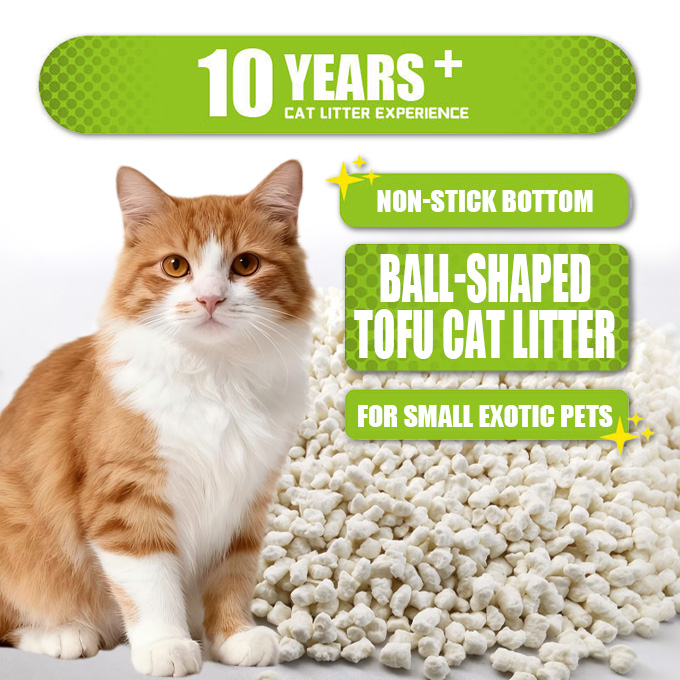
Source factory direct from Yantai Jaskin Pet Products Co., Ltd. Our Shandong facility provides turnkey particle customization, mechanical dust-stripping, and high-performance scent infusion across varied natural substrates.
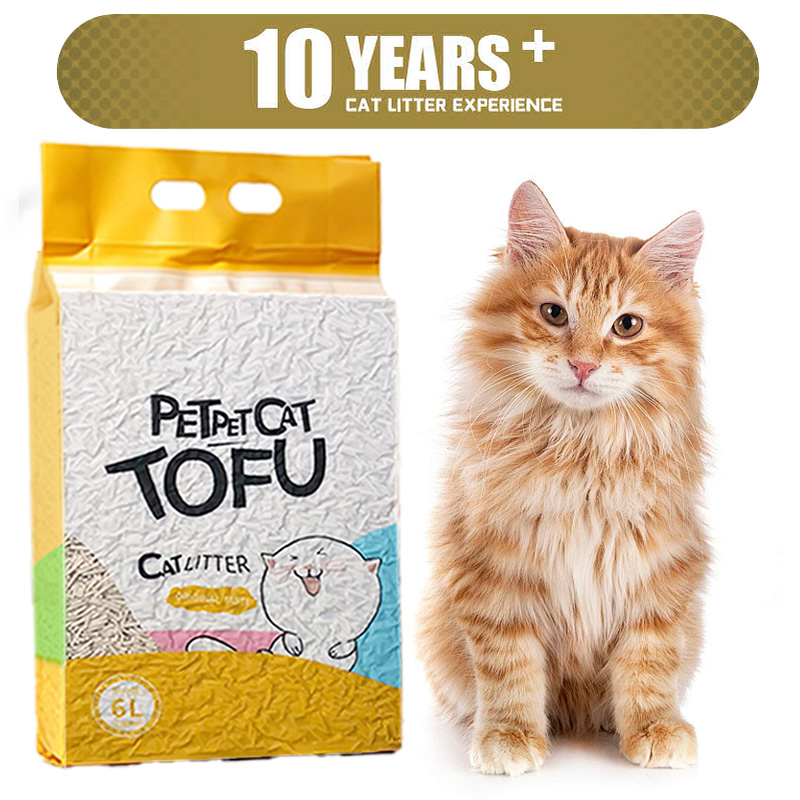
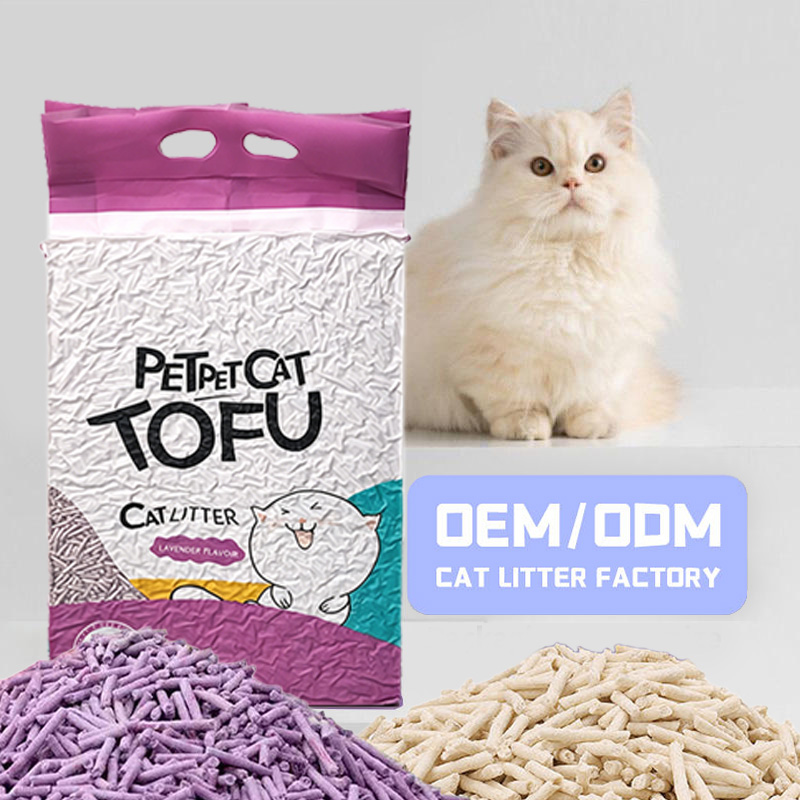
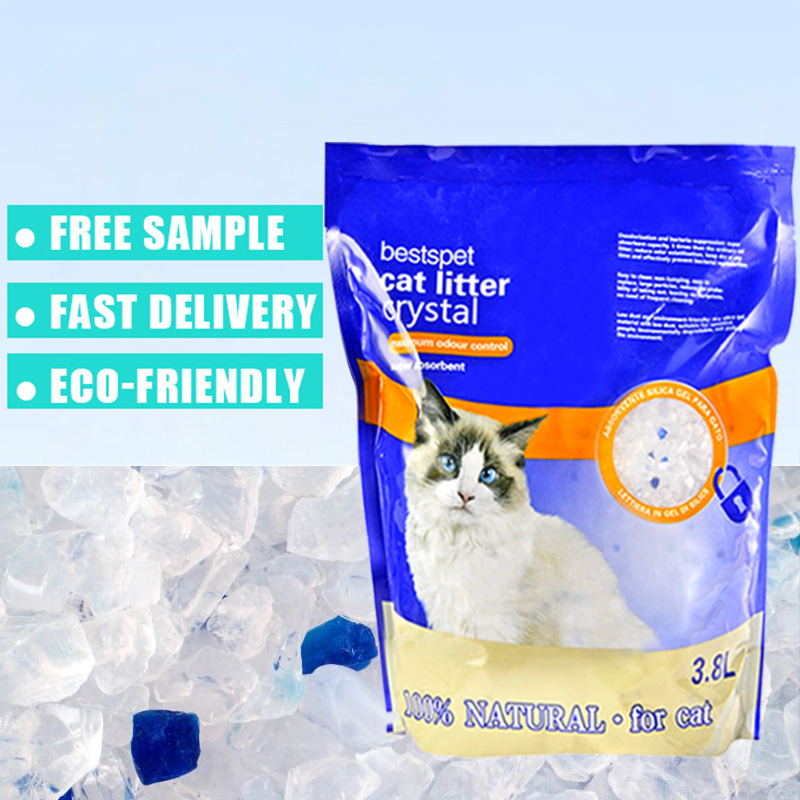
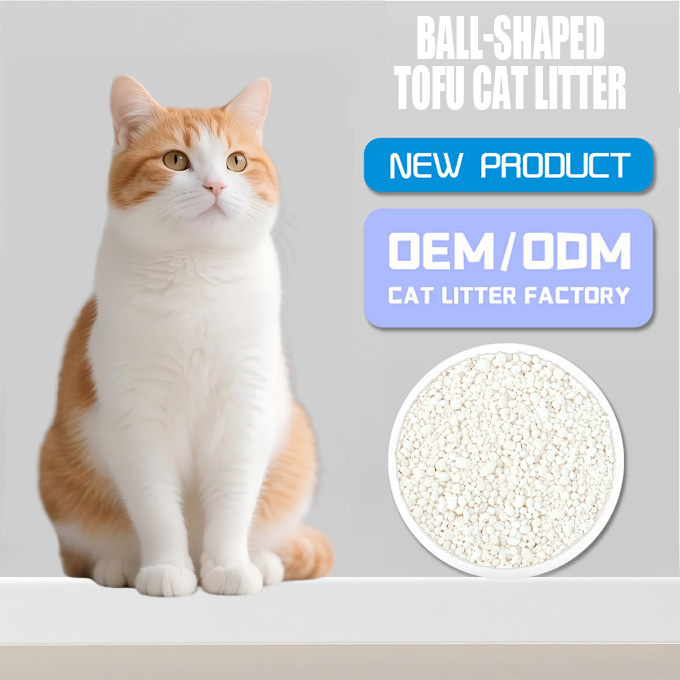
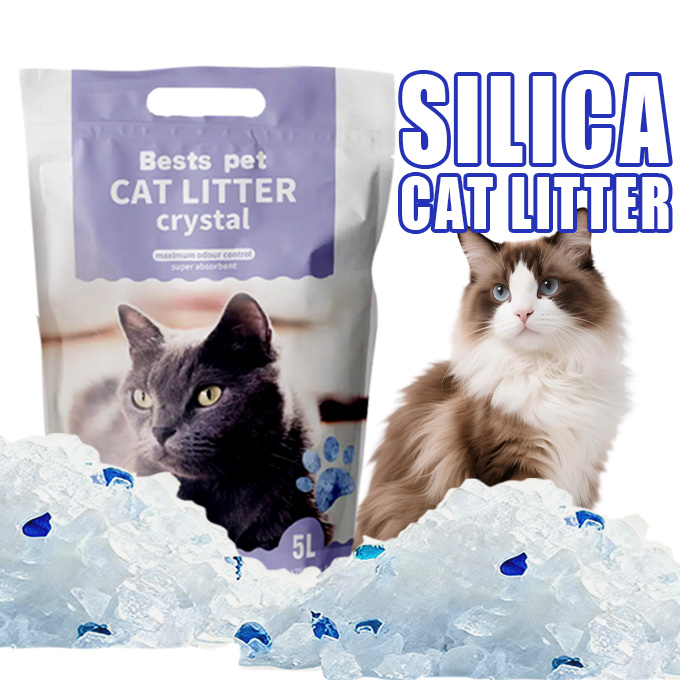
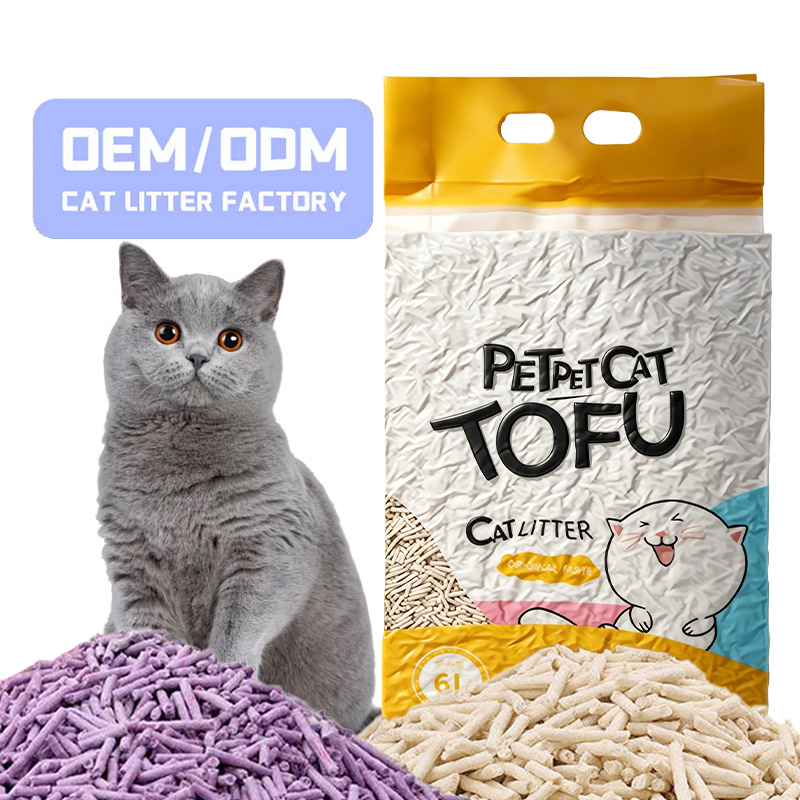
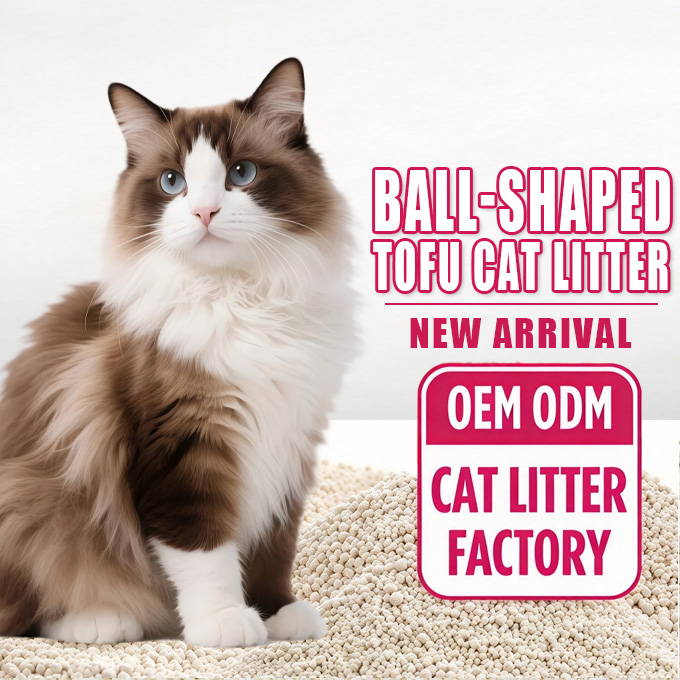
The global pet hygiene sector has reached an inflection point where conventional artificial chemical fragrances (e.g., strong floral or synthetic powdery scents) trigger consumer pushback due to chemical sensitivity and feline respiratory concerns. Modern cat parents reside in confined multi-room apartments where odor control cannot rely merely on masking chemicals.
Natural Coffee Scent Integration delivers a dual-stage physicochemical advantage. Extracted from recycled or food-grade coffee roasting distillates, the volatile compounds of coffee (including pyrazines, polyphenols, and chlorogenic acids) naturally bind to basic ammonia molecules and acidic fecal volatiles, neutralizing unpleasant sulfur compounds instead of covering them up.
At Yantai Jaskin Pet Products Co., Ltd., we combine raw organic pea fiber and edible starches with micronized coffee meal. This results in a distinctive roasted aroma that humans enjoy as warm and comforting, while maintaining a non-repelling sensory threshold for hyper-sensitive feline olfactory systems.
Standard bentonite clays or low-end plant litters rely on artificial aroma coatings sprayed on cold granules, causing fragrance loss during maritime transit. Our factory employs heat-assisted vacuum infusion during granulation. The aromatic coffee fractions are bonded within the pore network of the fiber matrix, initiating release only upon moisture contact (urine contact). This dynamic release guarantees that the litter box smells freshest precisely when waste is deposited.
As import regulations tighten across North America, the EU, and APAC regarding micro-plastics, mining depletion, and landfill burdens, corporate cat litter procurement strategies are pivoting rapidly toward sustainable, circular commodities.
Procurement teams are replacing mined sodium bentonite with upcycled food-byproduct residues such as spent coffee grounds, corn starches, and botanical pea dregs, safeguarding brands from strip-mining backlash and reducing carbon export tariffs.
The market is migrating from clunky 3.0mm cylinders to 1.5mm fine-cut and irregular crushed gravel textures. This shift creates smaller, tighter clumps that require 30% less litter volume per usage cycle, significantly reducing shipping weight per container.
The rapid growth of diagnostic litter formulas containing color-changing indicators for feline urinary tract diseases (FLUTD). Brands integrate sub-visible indicator pellets to drive high-margin premium retail and vet channel distribution.
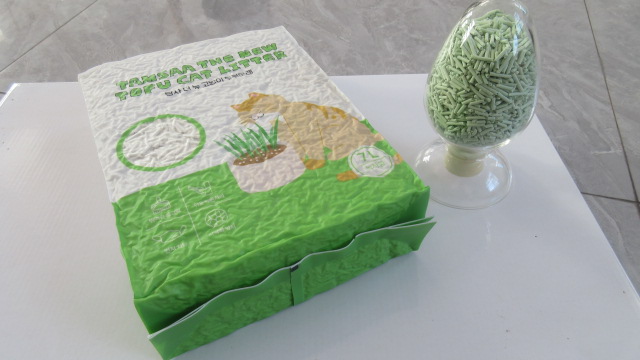
With e-commerce shipping fees surging, rigid vacuum-sealed 6L/2.5kg brick packaging prevents particle breakage during express handling, while optimizing sea freight container cube utilization by over 28% compared to loose pillow bags.
Plant-based litters demand industrial-grade high-temperature microwave sterilization. Importers in humid climates (e.g., Southeast Asia, Latin America, Florida) now mandate <10% constant moisture and antifungal certification to prevent in-transit spore bloom.
Retail buyers no longer order single-product 40ft containers. Modern suppliers must offer flexible mix-loads: combining coffee-scented tofu, crystal silica, and charcoal pellets inside a unified bill of lading (B/L) to optimize distributor cash flow.
Headquartered in Zhaoyuan, Shandong—the mineral and agricultural heartland of North China—Jaskin is an Intertek onsite-verified manufacturing and international trading enterprise. We bridge heavy-duty manufacturing output with precise foreign trade compliance.
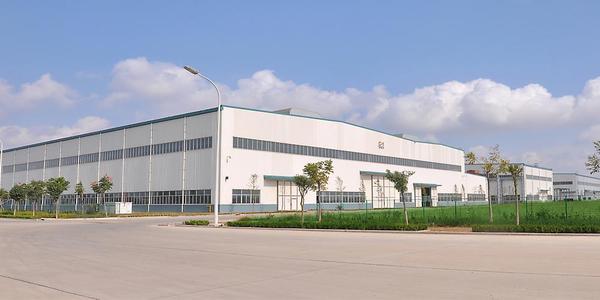
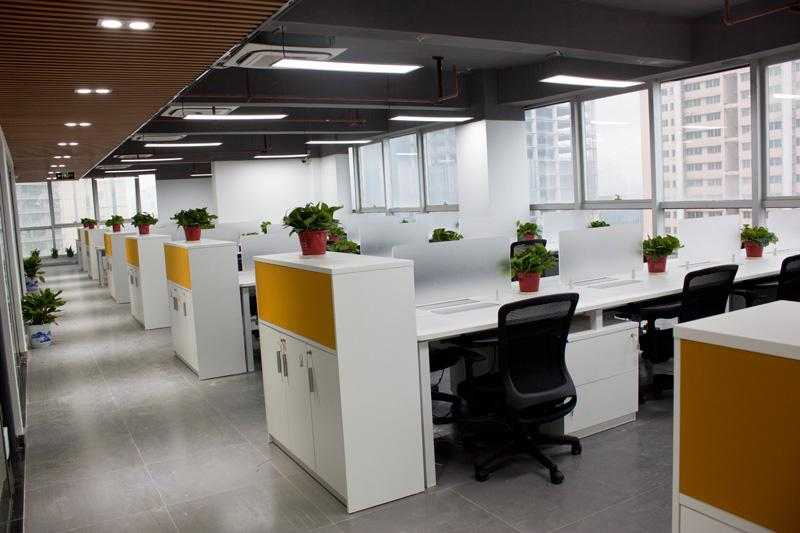
Clear, direct answers regarding production lead times, formulation options, custom coffee aromatic durability, and global port logistics.
Connect with Jaskin's technical sales engineers to review customized moisture profiles, unique fragrance densities, and bulk pallet shipping options for your market.
Inquire Now