Engineered Plant & Cellulose Cat Litter Solutions
Our Shandong industrial manufacturing plant provides scalable contract manufacturing for paper fiber pellets, flushable plant-fiber complexes, and medical-grade indicator litters. Explore our export formulations below.
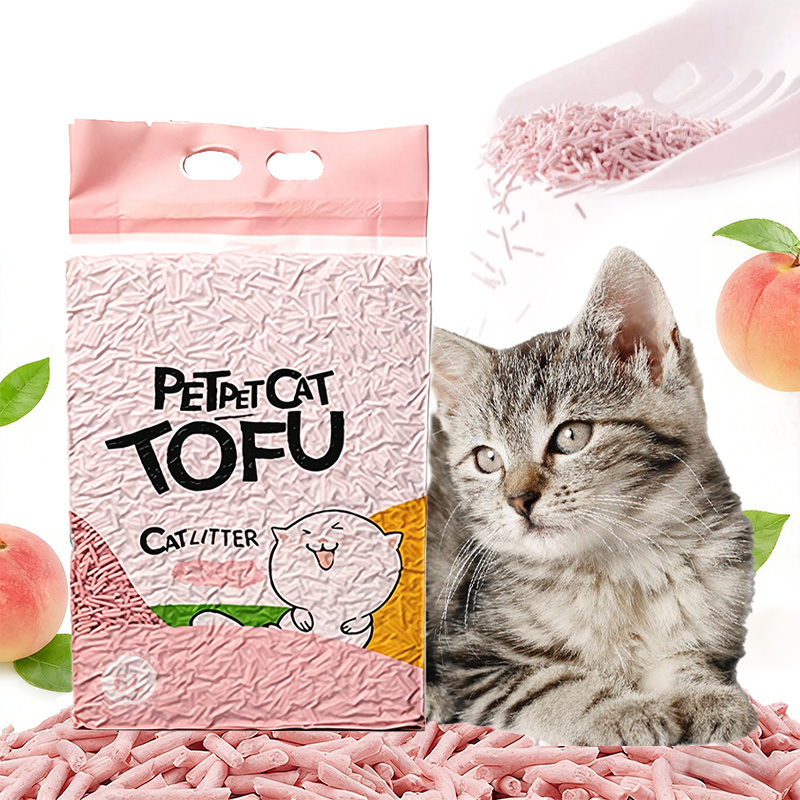
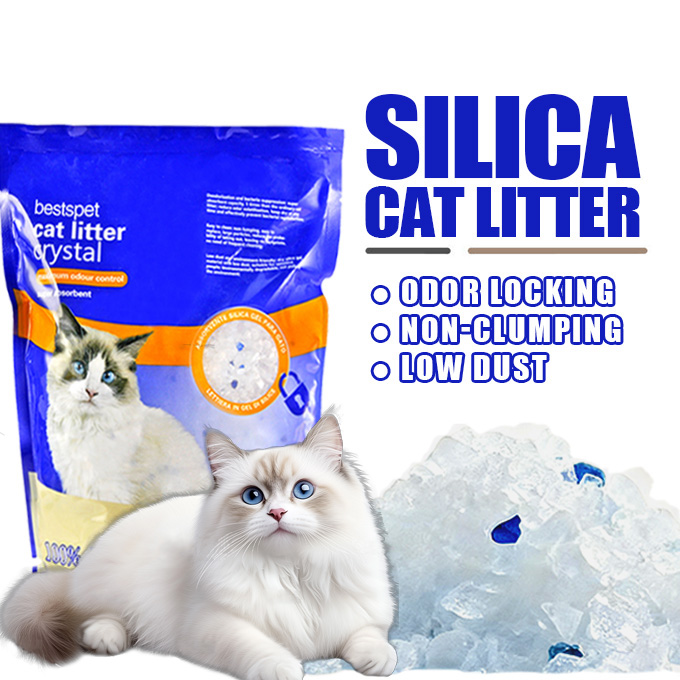
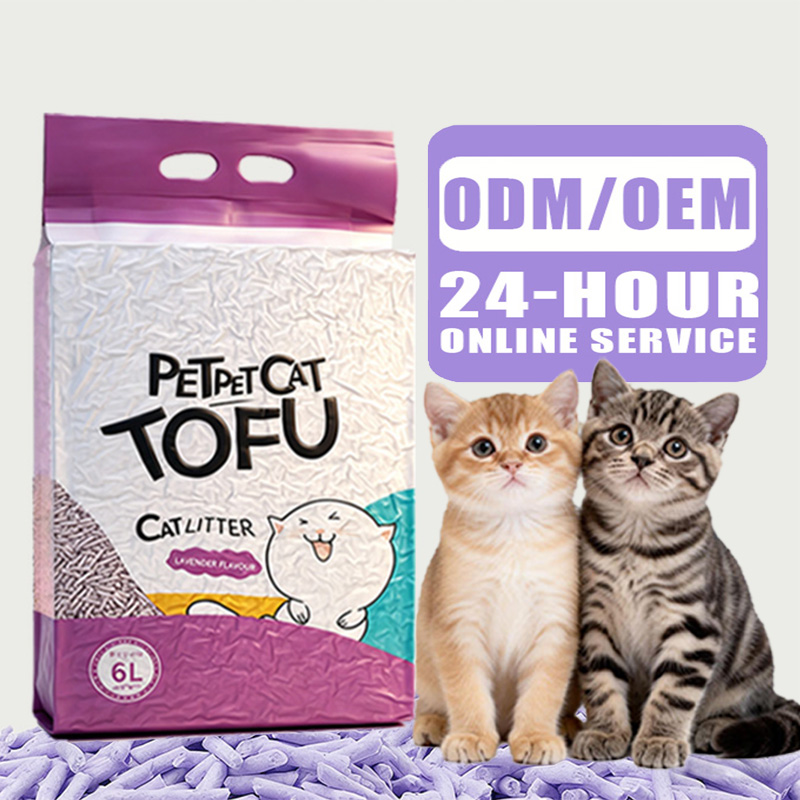
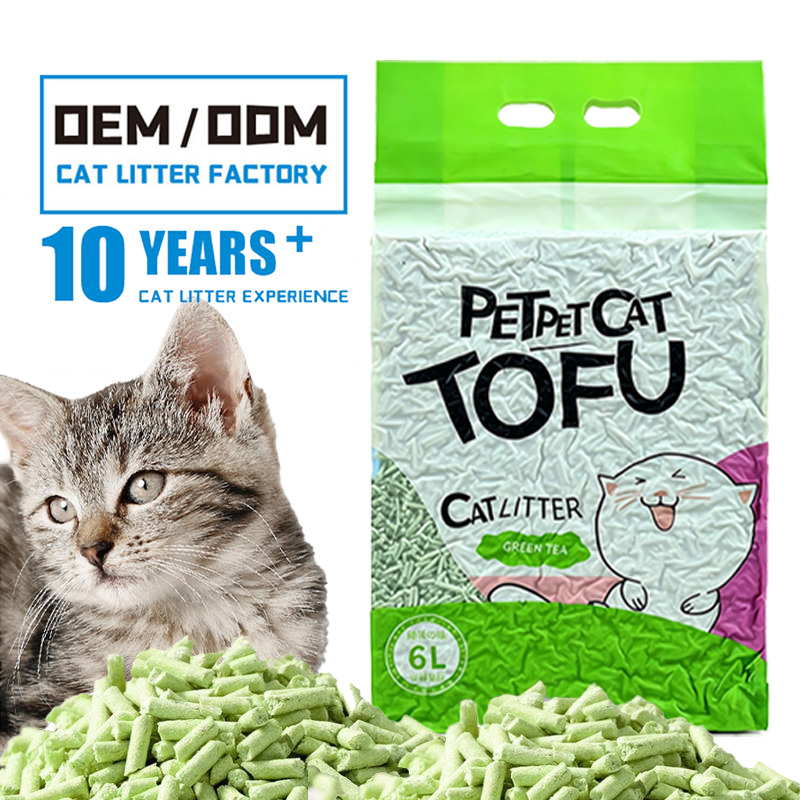
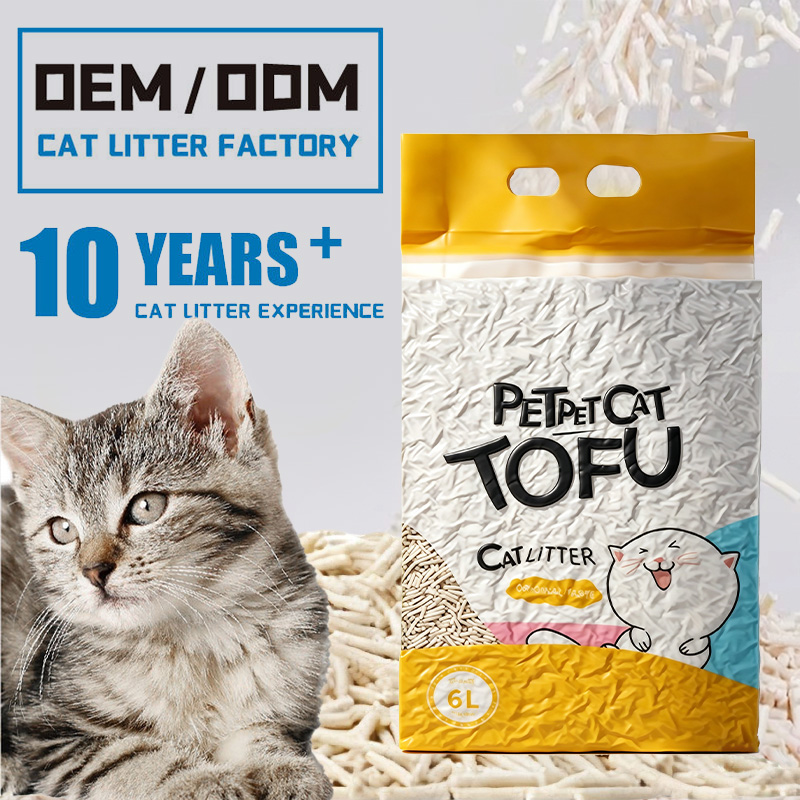
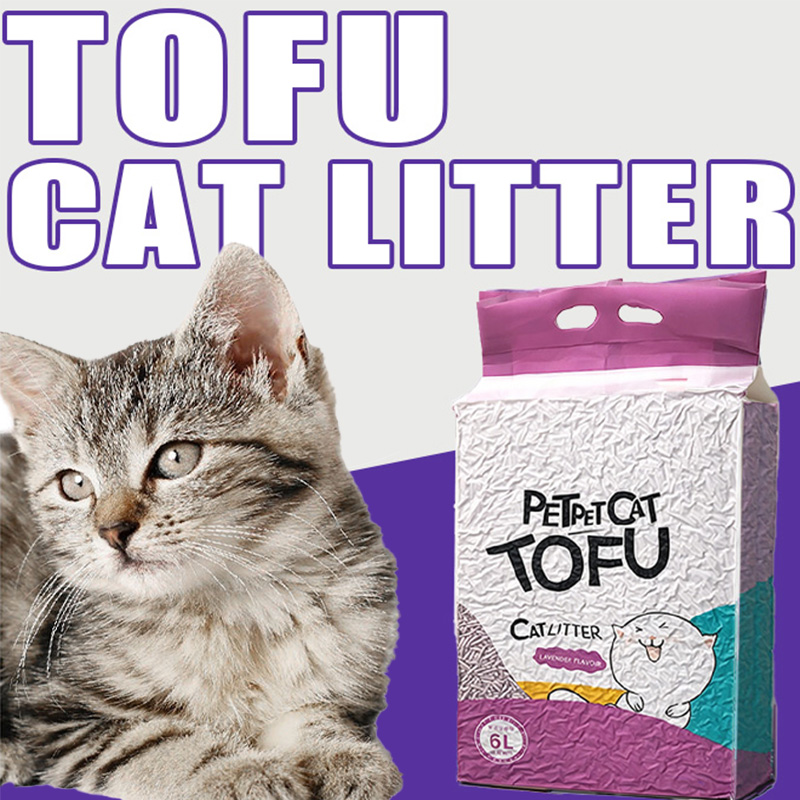
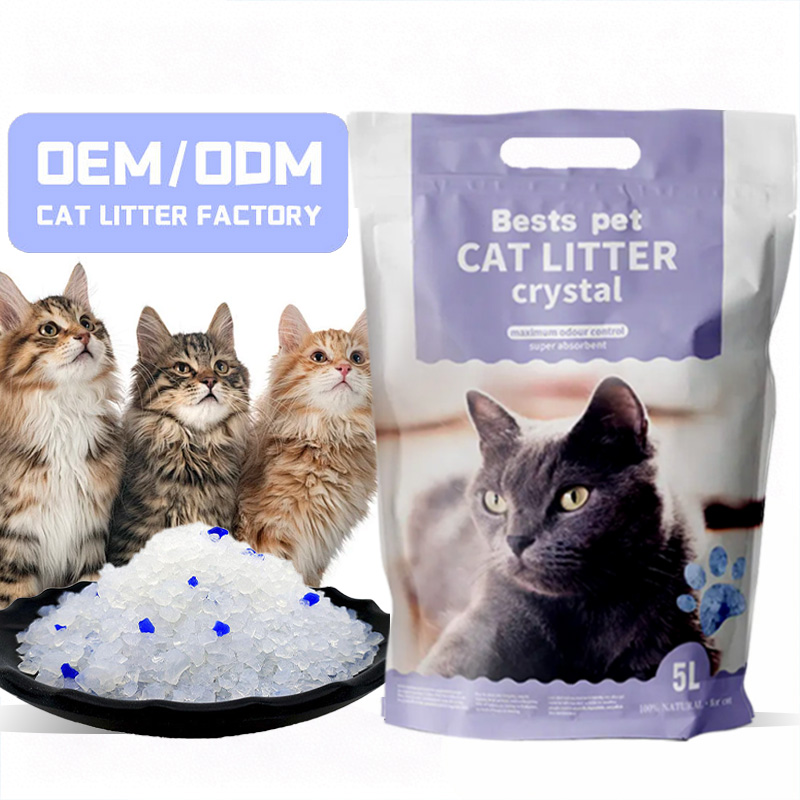
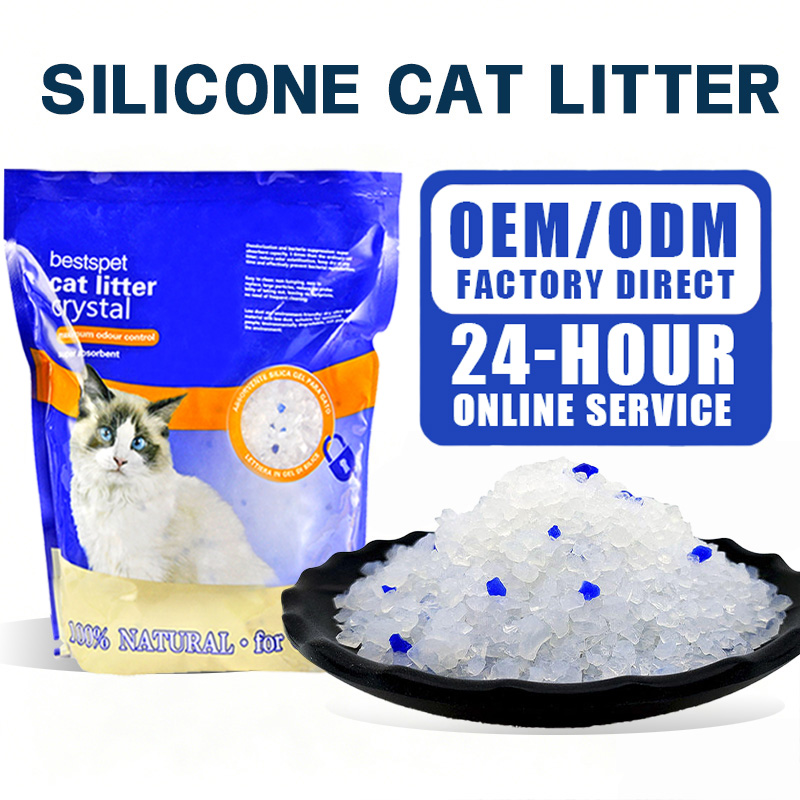
Cellulose Engineering: The Physics & Chemistry of Modern Paper Cat Litter
Understanding why international veterinary chains, fast-moving retail brands, and eco-conscious consumers are shifting from heavy sodium bentonite extraction to post-consumer recycled paper and plant fiber matrixes.
Pulp Refining & Capillary Porosity
Paper cat litter manufacturing relies on high-density virgin or sterilized post-consumer cellulose pulping. Unlike bentonite clay, which absorbs through interstitial space expansion, paper pellets absorb liquid via micro-capillary cellulose lumen networks.
- 400% to 650% retention relative to dry mass
- Thermally sterilized at >120°C to neutralize pathogens
- Zero crystalline silica; safe for post-surgery incisions
Freight Mass & Logistics Economy
Traditional clay litter exhibits a bulk density between 850–950 g/L, which frequently triggers container weight limits well before cubic volume capacity is satisfied. Paper and hybrid plant litter solve this fundamental trade bottleneck.
- Bulk density optimized at 380–480 g/L
- Up to 55% reduction in cross-border ocean freight cost/kg
- Dramatically reduced last-mile residential delivery fatigue
Biological Deodorization & Binder Chemistry
Cellulose naturally suppresses volatile organic compounds (VOCs) and urea volatilization. Modern OEM extrusion lines infuse food-grade plant starches, guar gum, and zinc ricinoleate to deliver rapid clumping without synthetic polymers.
- Flushable decomposition certified under municipal standards
- Ammonia lock efficiency >92% over 72-hour exposure
- Natural botanical dyes and organic scent integration
| Performance Parameter | Cellulose Paper Pellets | Pea Fiber / Tofu Matrix | Silica Crystal (Synthetic) | Sodium Bentonite Clay |
|---|---|---|---|---|
| Primary Raw Material | Sterilized Pulp & Virgin Fiber | Food-Grade Pea Fiber & Starch | Amorphous Synthetic SiO₂ | Strip-Mined Bentonite Ore |
| Bulk Density (g/L) | 380 – 430 (Ultra Light) | 450 – 520 (Light) | 420 – 480 (Light) | 880 – 960 (Heavy) |
| Water Absorption Capacity | 450% – 550% | > 600% | 350% – 400% | 250% – 320% |
| Post-Operative Safety | Veterinary Gold Standard | Excellent | Low Risk | High Risk (Dust & Swelling) |
| Biodegradability & Flush | 100% Compostable / Flushable | 100% Flushable / Water Soluble | Non-Biodegradable (Landfill) | Non-Flushable (Blocks Pipes) |
| Carbon Footprint Metric | Net Negative to Neutral | Low Agricultural Byproduct | High Thermal Sintering Energy | High Quarrying & Shipping Emissions |
Future Procurement Trends in Eco-Friendly Cat Litter
Category managers and procurement directors are confronting rising container charges, expanding EPR (Extended Producer Responsibility) packaging taxes, and strict feline wellness benchmarks. Here is how leading contract suppliers in China are adapting.
1. The Shift to Hybrid Cellulose-Plant Pellets
Pure paper litter was historically non-clumping. Modern Chinese manufacturing centers now utilize co-extrusion technology, bonding recycled cellulose fibers with pea starch and bamboo cellulose to create flushable, clumping paper pellets with rapid mechanical clump strength.
This hybrid formulation captures the high absorption of cellulose with the convenience of traditional scoopable clay, unlocking unprecedented customer retention for private label brands.
2. Micro-Pelletization & Low Tracking
Consumer friction with paper pellets historically stemmed from oversized, cylindrical shapes that felt unnatural to cats. New manufacturing dies produce 1.5mm to 2.0mm micro-pellets that mimic natural sand textures without sticking to feline paw pads.
Our pneumatic dedusting multi-cyclone lines eliminate granular fines down to <0.2% dust, neutralizing the primary driver of feline asthma and household respiratory complaints.
3. Smart Diagnostic Biomarkers
The convergence of pet healthcare and everyday hygiene is accelerating. By integrating non-toxic, pH-sensitive chromatic reagents into cellulose or silica substrates, litters now indicate urinary tract infections, FLUTD, or renal anomalies within 45 seconds of urination.
High-margin B2B buyers in North America, Western Europe, and Japan are heavily weighting private label portfolio expansion toward these high-value diagnostic litters.
Yantai Jaskin Pet Products: Shandong's Premier Pet Hygiene Hub
Headquartered in Zhaoyuan, Shandong Province—the core industrial basin for China's non-metallic mineral processing and high-grade pet hygiene production—Yantai Jaskin Pet Products Co., Ltd. combines dedicated manufacturing infrastructure with full-scale global export operations.
We manage end-to-end quality assurance from raw fiber intake, de-inking, drying, and granulation to negative-pressure dust extraction, nitrogen-flushed or vacuum packaging, and palletized container loading for ocean transport.
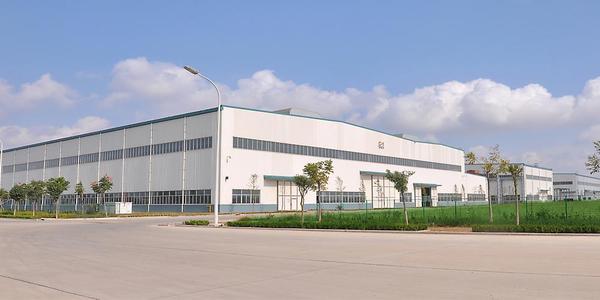 Automated Production Workshop
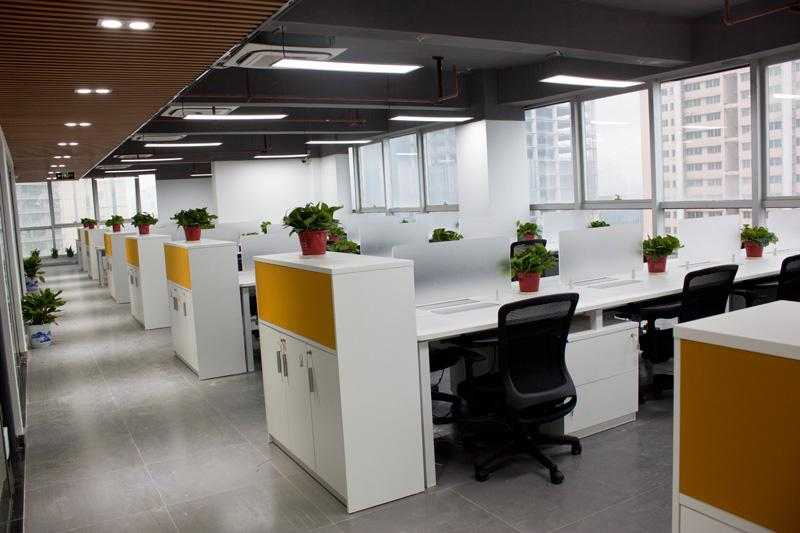 Automated Vacuum Sealing Lines
 Batch Absorption & Dust Testing
 Logistics & Container Loading Bay
Frequently Asked Questions by Global Importers
Direct technical insights to simplify supplier audits, container load planning, and brand contract terms.
What differentiates recycled paper litter from wood pellet and tofu cat litter?
Recycled paper cat litter uses refined cellulose fibers that have higher capillary attraction than raw softwoods or pine shavings, which often contain natural terpenes that can irritate feline airways. Compared to tofu litter (made from agricultural soybean residues), paper litter features lower fungal susceptibility in high-humidity zones (e.g., Southeast Asia, Florida) and provides a lighter net package weight, lowering global transport tariffs and consumer carrying effort.
How does your factory control dust emissions to achieve a >99.5% dust-free rating?
Our Zhaoyuan production line uses a proprietary 4-stage cyclone negative-pressure dedusting system. After extrusion and low-temperature hot-air desiccation, pellets pass over multi-deck vibrating sieves (extracting fine particulates below 1.0mm) before passing through high-velocity laminar air knifes. Finally, during automated bagging, electrostatic dedusters pull residual airborne micro-fines away from the packaging funnel, ensuring zero visible plume upon pouring.
What are your typical Minimum Order Quantities (MOQ) and packaging options for private label brands?
For custom printed bags (rotogravure or high-definition digital printing), MOQ typically starts at 3,000 to 5,000 retail pouches depending on film substrate thickness (PET/PE or biodegradable kraft foil laminates). In terms of product weight, trial orders can start from 400–500 kg for ready formulations, while full 20ft (approx. 10–12 MT) and 40ft HQ containers (approx. 22–25 MT depending on litter density and palletization) provide the optimal FOB/CIF cost structure.
Are your paper and plant litter formulations genuinely flushable according to municipal sewer guidelines?
Yes. Our formulations are formulated to rapidly break down under hydrodynamic sheer. When submerged in an excess volume of water (such as a toilet bowl) for 30–60 seconds, the hydrogen bonds binding the starch and cellulose loosen, dispersing the clumps into micro-cellulose suspensions that pass safely through plumbing pipes and municipal septic systems without pipe accumulation.
Which export trade terms (Incoterms) and testing documentation do you supply?
We routinely support FOB (Qingdao, Tianjin, Shanghai), CFR, CIF, DDP, and DDU door-to-door freight arrangements. For product compliance and retail market clearance, we supply batch-specific Certificate of Analysis (COA), Safety Data Sheets (SDS), Intertek Factory Audit Verification, and heavy-metal/microbiological safety reports according to FDA/EU pet product importation benchmarks.