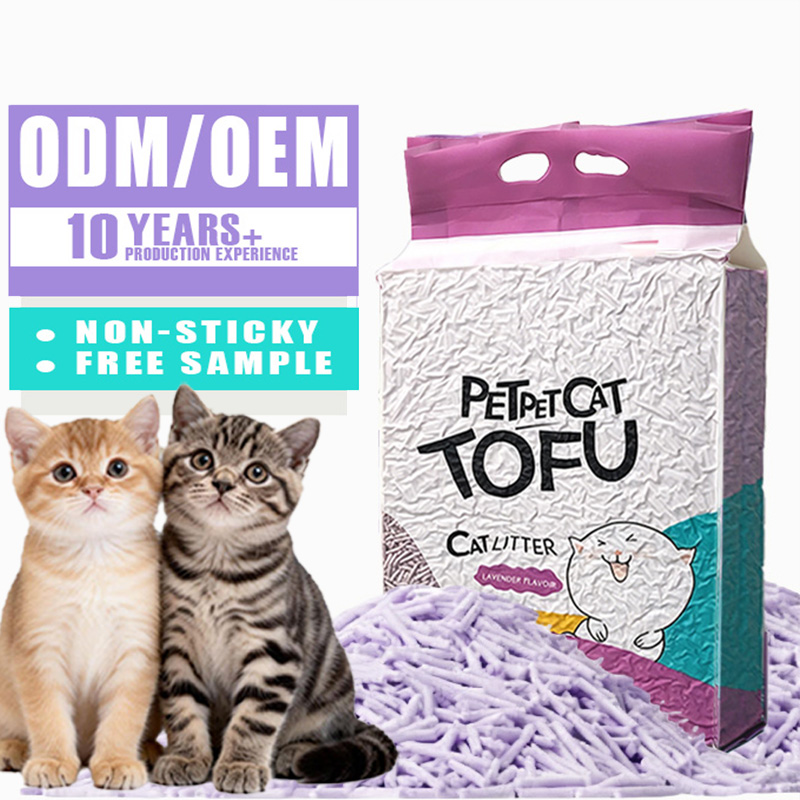
Plant-Based Formula
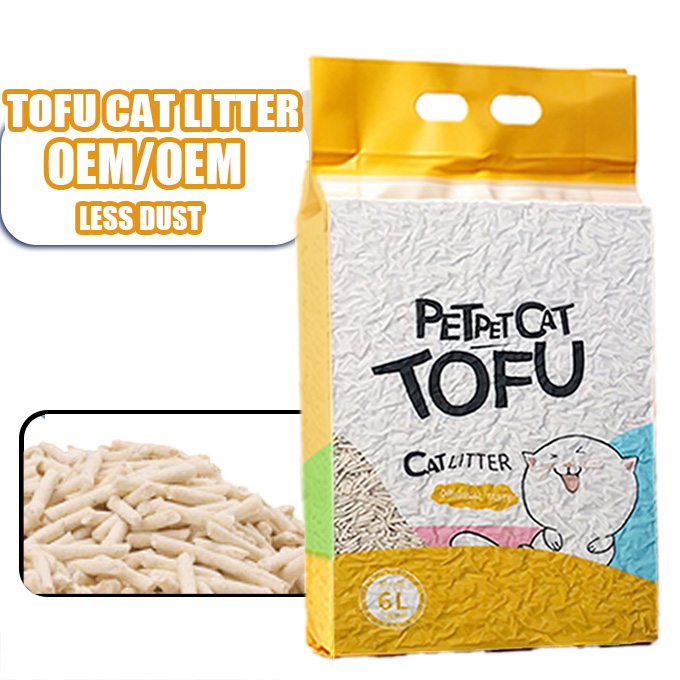
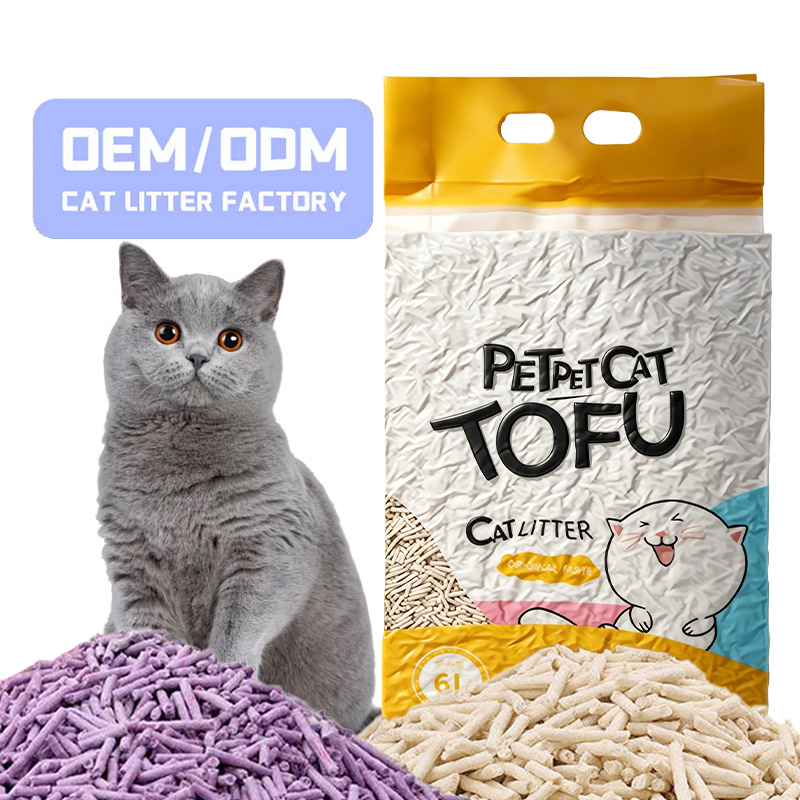
Low Price Newly Launched Innovative Pet Product Eco-friendly Flushable and Clumping Washed Deodorizer Tofu Cat Litter
<0.5% Dust
Flushable
Fast Clumping
Laboratory-tested formulas, tailored bulk configurations, and dust-extracted pellet structures engineered specifically for international container shipping and distributor margins.
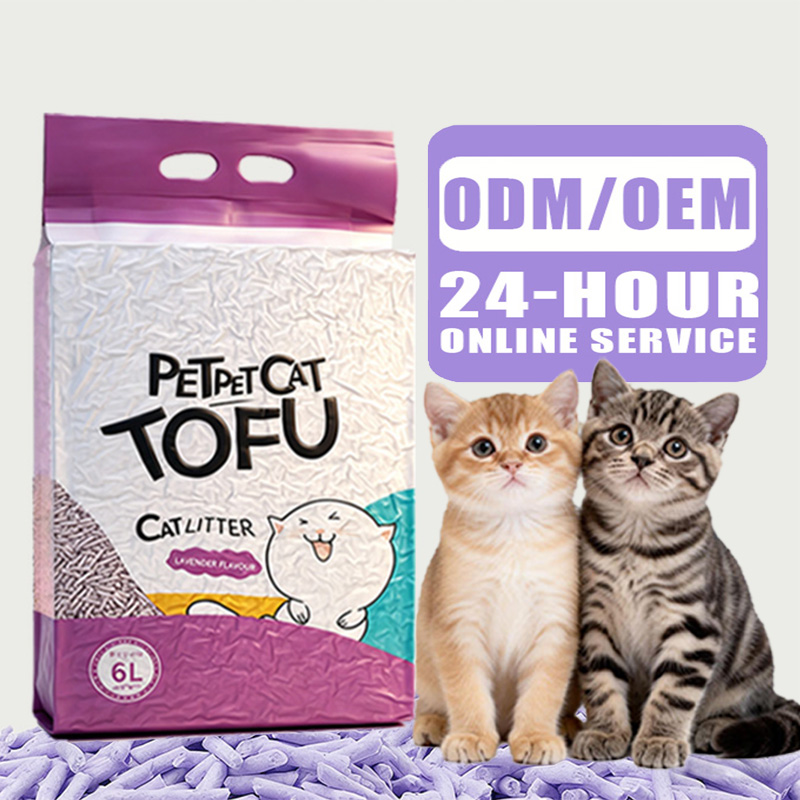
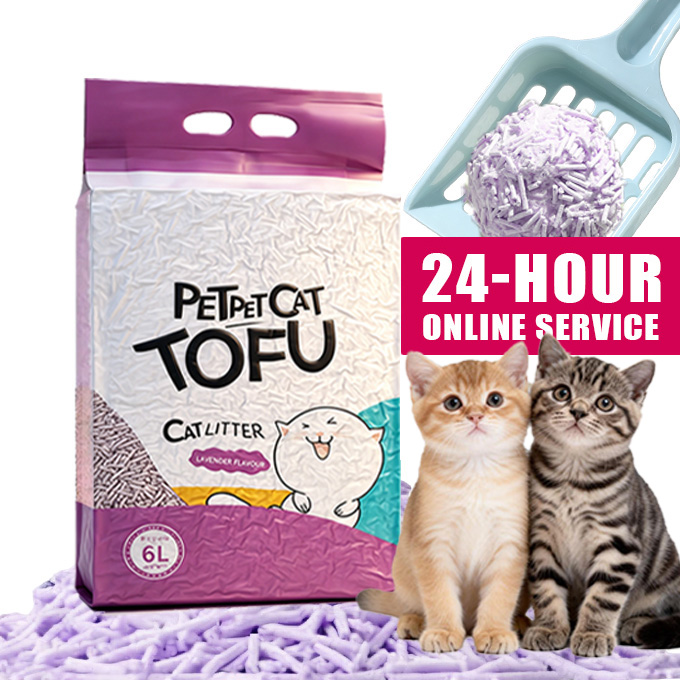
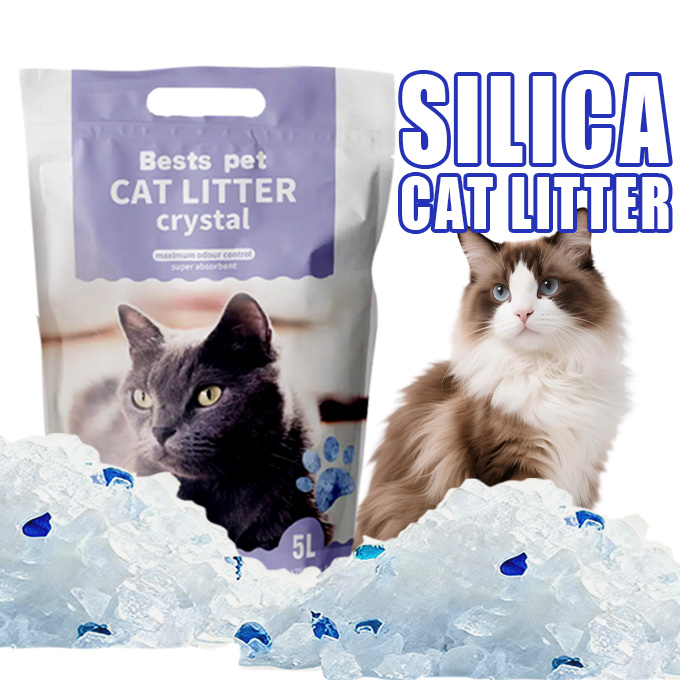
In modern international pet supplies distribution, "low-dust" claims are frequently subjected to intense consumer scrutiny. Dust generated from litter boxes is not merely a domestic housekeeping irritation; airborne particulate matter smaller than 10 microns (PM10) and 2.5 microns (PM2.5) induces feline chronic respiratory illness, exacerbates human allergies, and compromises household HVAC longevity. At Yantai Jaskin Pet Products Co., Ltd., based in Shandong, China, low dust is treated not as a marketing tagline, but as an empirical engineering metric.
Achieving genuine low-dust performance requires full-lifecycle manufacturing oversight. It begins with raw material purity: food-grade pea fibers, corn starch, refined sodium bentonite, or inorganic crystalline silica. Many budget factories utilize recycled agro-residues containing residual micro-flours that degrade into powdery debris under atmospheric moisture. Our process implements precise thermal conditioning and drying phases to retain optimum core moisture (typically 8% to 10%), ensuring pellets preserve mechanical elasticity without mold development.
Technical Insight: Secondary and tertiary mechanical destoning and multi-cyclone vacuum extraction remove loose particles at three distinct production junctions: post-extrusion, post-drying, and immediately prior to final packaging sealing.
Furthermore, transportation resilience is critical for global exporters. Ocean transit subjects bulk bags to dynamic vibration, container compression, and thermal-hygroscopic cycling across varied climates. Without strict pellet hardness metrics (tested via compressive rupture force testing above 45N), conventional litter will pulverize during maritime transit. Jaskin's hardened pellet formulation ensures that when ocean containers arrive in Los Angeles, Rotterdam, or Dubai, the granular structural integrity is equivalent to the day it cleared the cleanroom factory line.
Data-driven shifting trajectories across consumer purchase preferences, retail store footprints, and international environmental regulatory frameworks.
The retail landscape is rapidly pivoting from legacy 3.0mm diameter tofu litter to micro-pellets (1.5mm to 2.0mm) and crushed plant structures. Smaller diameters mimic the granular touch of natural sand favored by feline instinct, drastically reduce litter box tracking across carpets, and lower consumer volume turnover through tighter, thinner clump formations.
Importers are seeking higher SKU value additions through functional diagnostic chemistry. Integrating color-changing silica indicators and pH-reactive organic plant granules enables cat owners to spot feline lower urinary tract diseases (FLUTD), hematuria, and extreme alkalinity directly from the litter pan before acute symptoms manifest.
Stricter municipal landfill waste policies across Europe, North America, and Eastern Asia drive rapid migration toward flushable, 100% compostable pea and plant fibers. Modern procurement mandates non-toxic binders (guar gum, food starches) that dissolve cleanly in domestic plumbing without pipe accumulation or septic disruption.
How cutting-edge chemical engineering and sustainable materials science are reshaping the next generation of cat litter production.
Rather than relying exclusively on synthetic fragrances to mask airborne ammonia, next-generation litters integrate active carbon spheres, cyclodextrin compounds, and probiotic bacterial strains. These microscopic agents actively decompose volatile organic compounds and neutralize pathogenic microorganisms upon fluid contact.
Single-substrate litters are yielding market share to engineered hybrids. By combining low-dust bentonite ore, rapid-dissolving tofu fibers, and activated carbon balls in calculated weight ratios (e.g., 70% plant fiber + 30% mineral), brands achieve optimal clumping speed, reduced weight, and minimal particle degradation.
As international plastic packaging tariffs take effect, pet exporters are shifting to mono-material recyclable PE/PE flexible bags, kraft paper stand-up pouches with biodegradable moisture barriers, and brick-style vacuum packaging optimized to eliminate sea-freight void space and container shipping surcharges.
Verified manufacturing capacity, comprehensive quality control systems, and specialized OEM/ODM capabilities in the heart of Shandong's pet supply hub.
Our 2,600 m² modern workshop in Zhaoyuan, Shandong, has passed stringent onsite third-party audits confirming robust factory conditions and verified operational integrity.
Every bulk production lot undergoes systematic testing for moisture content, hardness resistance, bulk density, dust particulate yield, and absorption efficiency prior to palletization.
From bag design and structural dimensions to custom plant fragrances (Green Tea, Coffee, Peach, Lavender) and functional additives, we build your proprietary brand identity.
Supporting multi-currency trade under FOB, CFR, CIF, DDP, and DDU terms. Our export coordinators handle customs clearings, bulk shipping logistics, and compliance documentation worldwide.
Key technical, financial, and operational clarifications addressed by our chemical engineers and international freight dispatchers.
Connect with our technical export engineers to request custom pellet samples, packaging die-lines, and detailed factory-direct pricing for your target distribution channels.
Get a Quote