0%

Tofu Cat Litter is usually made from compressed soybean residue, a byproduct of food production. It often comes as light, firm pellets that absorb moisture and may form clumps. For many households, the appeal is practical: the litter can feel less dusty than some clay products, and its plant-based ingredients may seem gentler. But the label alone cannot tell you how a particular cat will respond. Texture, scent, and clumping strength vary by brand. Small details matter.

Is it safe for cats? Many cats use tofu litter without problems when owners follow the product directions and keep the box clean. Still, no litter suits every cat. A curious kitten may chew pellets, while a sensitive cat might avoid a new texture or react to added fragrance. Watch for repeated eating, coughing, vomiting, or changes in litter-box habits, and contact a veterinarian if you notice concerning symptoms. A gradual transition can help: mix a little new litter into the old, then adjust over several days. Keep the bag sealed and the box dry; damp pellets can break down and smell unpleasant. Also check disposal guidance rather than assuming the litter is safe to flush. The honest answer is reassuring, but not absolute. Your cat’s behavior is useful evidence, though it cannot replace veterinary advice.
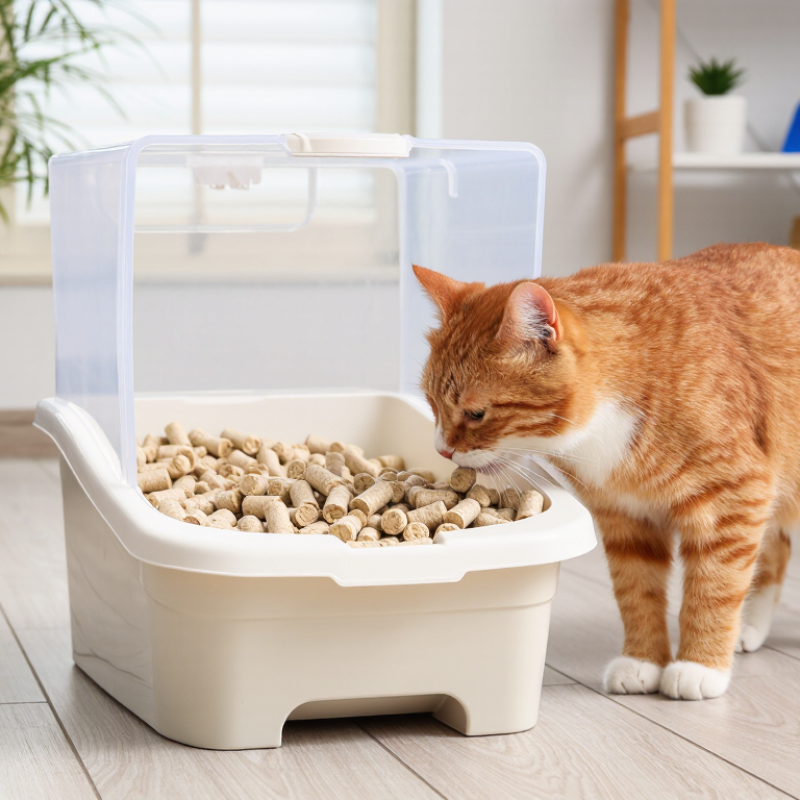
What Is Tofu Cat Litter and Is It Safe for Cats?

What Tofu Cat Litter Is and What It Is Made Of

Tofu cat litter is plant-based. It is usually made from soybean byproducts, especially okara, the soft pulp left after soy milk or tofu production. The pulp is dried, ground, and pressed into lightweight pellets or small granules. Some formulas also use starch or other plant fibers to help the pieces hold together. Odor-control ingredients, such as charcoal or fragrance, may be added. “Tofu litter” does not always mean one identical recipe.

The name can sound simpler than the ingredient list really is. Check the package for added scents or other ingredients, especially if your cat has sensitive skin or tends to chew litter. Many cats tolerate plant-based litter, but no litter is automatically safe to eat. If your cat swallows some, watch for vomiting, appetite changes, or unusual behavior, and contact a veterinarian if you are concerned. A sudden switch can also lead to litter-box avoidance, even when the new material seems gentle.

Tips: Introduce it gradually by mixing a small amount with your cat’s usual litter. Notice whether your cat uses the box comfortably. If the pellets are dusty, strongly scented, or ignored, reconsider the choice.

How Tofu Cat Litter Is Produced and How It Works

Tofu cat litter is usually made from okara, the moist soybean pulp left after soy milk or tofu production. Manufacturers dry the pulp, grind it, and shape it into small pellets. Some formulas add starch or other plant-based binders so the pellets hold together. The exact recipe varies, so “tofu litter” does not always mean pure soybean fiber. The pellets are dried again to reduce moisture before packaging. They may feel light and slightly porous between your fingers.

That texture helps the litter take up urine. In clumping varieties, wet pellets soften and bind into a scoopable mass; non-clumping types absorb liquid without forming firm clumps. Simple mechanism. Fiber holds moisture, while the used portion can trap some odor. It does not disinfect a litter box, and odor control depends on the formula, box hygiene, and how often waste is removed. A dusty or strongly scented batch may bother a sensitive cat, even if its ingredients are plant-derived. Check the ingredient list, introduce a new litter gradually, and watch for sneezing, paw irritation, or changes in litter-box habits. Cats may also chew unfamiliar pellets. That is worth noticing. Small accidental amounts are not automatically harmless for every cat, so contact a veterinarian if a cat eats litter or seems unwell.

Types of Tofu Cat Litter and Their Key Features

What Is Tofu Cat Litter and Is It Safe for Cats?
Types of Tofu Cat Litter and Their Key Features

Tofu cat litter is usually made from compressed plant fibers, often leftover soy material. It comes in several forms. Long pellets tend to track less, while fine-grained varieties may feel closer to clay under a cat’s paws. Clumping types bind around urine for easier scooping; non-clumping options absorb moisture without forming firm clumps. Some litters are scented, but unscented formulas may suit cats sensitive to strong smells. No texture works for every cat.

Most tofu litters produce less dust than many clay options, but “low dust” does not mean dust-free. Cats may also chew or swallow litter, especially when young or curious. Watch for coughing, repeated litter eating, or changes in bathroom habits, and contact a veterinarian if these occur. Read the package directions, and do not assume a product is safe to flush. A small caveat: plant-based does not automatically mean harmless.

Tips: Switch gradually by mixing a little new litter into the old over several days. Keep the box clean, and notice whether your cat avoids the new texture. If you have a kitten that mouths litter, ask your veterinarian before changing products. A simple detail matters: one cat may love soft granules, while another rejects them.

Safety of Tofu Cat Litter for Cats

Safety of Tofu Cat Litter for Cats: Tofu litter is commonly made from processed soybean material, often pressed into small pellets. Many cats tolerate it, but “plant-based” does not mean risk-free. A curious kitten may chew or swallow pellets, which can cause stomach upset; a large amount may be more serious. Keep the bag sealed and contact a veterinarian if your cat eats a substantial quantity or develops vomiting, diarrhea, or unusual tiredness.

Dust levels and ingredients vary, so check the package and watch your cat use the box. Fine dust may bother cats with respiratory sensitivity, while scented products can put off cats with sensitive noses. Soy allergy is possible, though uncommon. Scoop daily, keep the litter box dry, and change litter gradually over several days. Honestly, no litter suits every cat; refusal to use the box is useful information, not stubbornness.

Tips: Put a small amount of tofu litter beside your cat’s familiar litter, then increase it slowly. Notice sneezing, chewing, or changes in bathroom habits. Stop using it and ask your veterinarian for advice if symptoms appear.

What Is Tofu Cat Litter—and Is It Safe for Cats?

Tofu litter is typically made from soybean by-products. The chart shows which general claims can be assumed across products; it is a checklist, not a toxicity or safety score.

“Not guaranteed” does not mean a product is unsafe. Check its label, keep litter away from curious kittens, and contact a veterinarian if your cat eats litter or shows signs of illness.

How to Use and Dispose of Tofu Cat Litter Safely

Tofu litter is made from compressed plant fibers, often using soy-processing by-products. Pellets absorb moisture, but clumping and dust levels vary. Introduce it gradually by mixing it with your cat’s usual litter over several days. Watch for box avoidance or pellet-eating. “Plant-based” does not mean safe to eat; repeated swallowing, vomiting, or constipation warrants veterinary advice. APPA’s 2023–24 National Pet Owners Survey estimates that 46.5 million U.S. households own cats, making routine litter hygiene a common household task.

Scoop waste daily and seal it in a bag for household trash, following local disposal guidance. Do not flush tofu litter or cat waste, even when the packaging suggests it is flushable; pipes and wastewater systems vary, and cat feces can carry infectious organisms. Keep the litter dry before use, and wash the empty tray with mild, unscented soap. Cornell Feline Health Center guidance also recommends regular scooping and box cleaning. A damp, sour-smelling tray needs attention sooner.

Tips: Start with a shallow layer, then adjust to your cat’s preference and the product directions. Place the box somewhere quiet and ventilated. Keep it away from food and water bowls. Small details matter; I would not assume every cat accepts a new texture just because it looks cleaner.

FAQS

What is tofu cat litter made from?

It is usually made from okara, the soft soybean pulp left after soy milk or tofu production. Some formulas include starch or other plant fibers.

How is tofu cat litter produced?

The pulp is dried, ground, and pressed into pellets or small granules. It is dried again before packaging.

How does tofu litter absorb urine?

Its porous plant fibers take up moisture. In clumping varieties, wet pellets soften and form a scoopable mass. Simple, but not magic.

Do all tofu litters have the same ingredients?

No. Recipes vary, and some include binders, charcoal, or fragrance. The name sounds simpler than the ingredient list may be.

Does tofu litter control odor?

Used litter can trap some odor, but it does not disinfect the box. Remove waste regularly and check whether the formula suits your cat.

How should I introduce tofu litter to my cat?

Mix a small amount with the usual litter, then increase it gradually. Watch whether your cat uses the box comfortably.

What signs suggest my cat dislikes the litter?

Notice sneezing, paw irritation, litter-box avoidance, or unusual behavior. Dusty pellets or strong scents may bother some cats.

What should I do if my cat eats tofu litter?

No litter is automatically safe to eat. Watch for vomiting or appetite changes, and contact a veterinarian if your cat seems unwell or you are concerned.

Conclusion

Tofu Cat Litter is a plant-based litter commonly made from processed soybean by-products, such as leftover soybean fiber. These materials are dried and formed into absorbent pellets or granules. When exposed to moisture, the litter absorbs liquid and may clump, making it easier to remove waste. Different varieties can vary in pellet size, texture, absorbency, and whether they include added scent, so a cat’s preferences and sensitivities are worth considering.

Tofu Cat Litter is generally considered safe when used as directed, but cats should not be encouraged to eat it, and any signs of irritation or digestive problems warrant a switch and advice from a veterinarian. Introduce a new litter gradually, scoop waste regularly, and keep the litter box clean and dry. Follow the product’s disposal instructions; avoid flushing it unless the packaging specifically says it is suitable for that method and local plumbing guidance allows it.

Ethan

Ethan

Ethan is a professional marketing specialist with a strong understanding of the company’s products and the needs of the people who use them. He regularly contributes expert articles to the company website, sharing clear, practical insights that help readers understand product features, compare......