Choosing the best Cat Litter for your business in 2026 is not just a price comparison. It affects customer trust, repeat orders, storage space, and daily cleanup. A product that looks profitable on paper may disappoint if it creates dust, tracks across floors, or arrives in damaged bags. Small details matter.
Feline behaviorist Dr. Mikel Delgado’s published guidance emphasizes that cats need clean, appealing litter boxes. A concise paraphrase of that principle is: “The right litter must work for the cat, not just the person buying it.” Treat this as a practical takeaway, not a verbatim quotation. For businesses, that means weighing texture, odor control, dust, clumping, and customer preferences together.
Look closely at the customers you serve. A neighborhood pet shop may need familiar, affordable options, while a boarding facility may prioritize fast scooping and dependable bulk supply. Ask suppliers for product specifications and sample bags. Test them in real conditions: pour litter into a tray, scoop it after use, and check how much dust settles on nearby surfaces. Then compare cost per usable day, not only cost per bag.
There is no perfect choice. Trade-offs remain. Lightweight formulas can be easier to carry, yet some customers may dislike how they track. This guide will help you assess product performance, supplier reliability, packaging, and margins before choosing your 2026 assortment. The best decision is evidence-led—and open to revision when customer feedback changes.
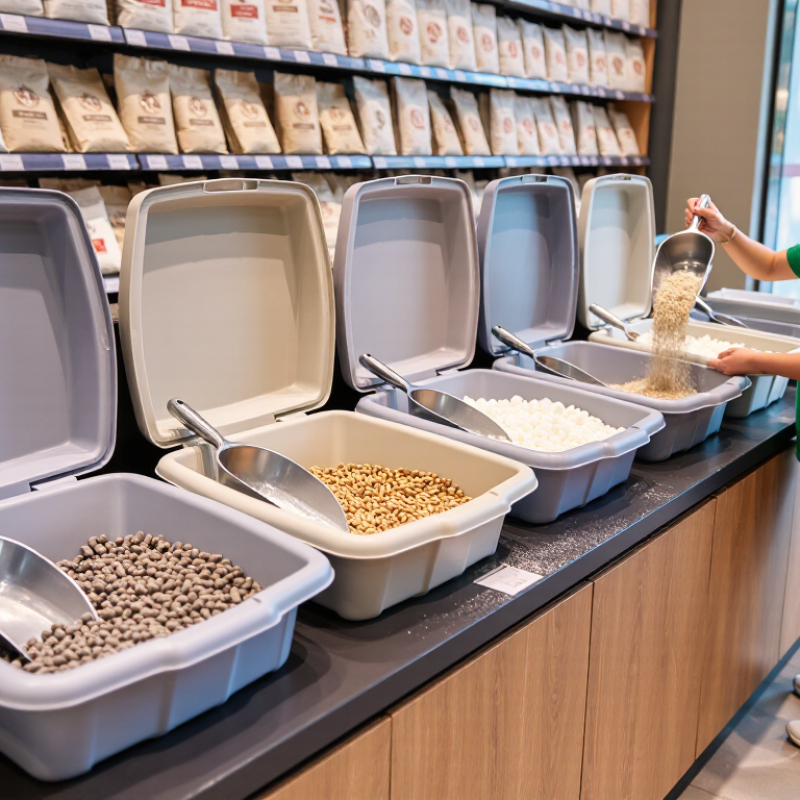
A retail shop, boarding facility, shelter, and veterinary clinic do not need the same litter. Start with the cats you serve and the work your staff must do. For a busy boarding room, odor control and quick daily scooping may matter most. For a small shop, reliable supply, manageable storage, and clear customer options can matter more. Measure cost per usable week, not just price per bag. Not glamorous.
Grand View Research’s Cat Litter Market Size, Share & Trends Analysis Report estimated the global market at US$5.41 billion in 2023, with projected growth through 2030. That signals a sizable category, but not a reason to stock every type. Compare clumping performance, dust, tracking, and disposal needs in your actual space. A trial with a few boxes can reveal dust on dark floors or litter scattered beyond the mat. Test it. Keep notes on refill frequency, staff cleanup time, and customer feedback; impressions alone can be misleading. A product that seems cheaper may need more frequent replacement. And one trial rarely tells the whole story: seasonal humidity, cat age, and room ventilation can change results.
Use this estimate to plan purchasing and storage: it assumes 25 lb of litter per cat per month, the midpoint of a typical planning range of 20–30 lb. Actual use varies with litter type, box habits, and cleaning routines.
For a pet shop, boarding facility, or multi-cat operation, litter choice affects daily labor as much as comfort. Clumping clay often makes spot-cleaning quick, but heavy bags increase storage and handling demands. Crystal litter may need less frequent changing in some setups, though its texture may not suit every cat. Paper and wood-based litters are lighter options; absorbency, odor control, and tracking vary by product.
No type wins every time.
Tips: Trial one or two options before changing every box. Keep tray depth consistent, weigh the litter used, and record dust, odor, tracking, and waste volume for a week. Ask staff to note problems, not just preferences. Test it first.
Compare particle size and dust levels, especially if boxes sit near food, reception areas, or ventilation. Check package guidance for replacement frequency, and calculate cost per usable day rather than per bag. A cheaper litter can require more frequent changes. Some details are easy to overlook: a trial during a quiet week may not reflect a busy season. Review the results with staff, then adjust gradually so cats have time to accept a new texture.
Choosing cat litter for a business in 2026 means balancing daily cleanliness with the needs of cats, staff, and customers. In a boarding room, clinic, or pet shop, check absorption, odor control, and clumping. Watch how easily staff can scoop it. Observe dust around the tray and granules tracked across the floor. Low-dust products may help reduce airborne particles, but no litter is dust-free. Keep trays dry, remove waste regularly, and store unopened bags away from damp areas. Cats may resist change. Trade-offs remain.
Tips: Trial two or three options in separate, clearly labeled trays. For two weeks, record dust, odor, tracking, waste volume, and staff cleaning time. Ask customers about scent, texture, and disposal preferences. Review supplier safety information before buying in bulk.
Sustainability needs more than a compostable-sounding label. Compare material sourcing, packaging, transport, and the disposal route customers can actually use. Some plant-based litters may suit certain users, while others prefer familiar mineral textures or unscented formulas. Never assume used litter belongs in compost or drains; follow product guidance and local waste instructions. Monitor complaints and repeat purchases, not just unit price. A small pilot helps, though feedback from a few customers is imperfect. Reassess as sales and cleaning demands shift.
A low price per bag can hide expensive surprises. Compare litter by usable volume, not just the invoice price. Add freight, pallet fees, receiving labor, storage space, damaged bags, and disposal costs. Then estimate how much staff use per tray each week. A small scoop difference adds up across dozens of rooms. Keep the assumptions visible. Your spreadsheet may still miss seasonal freight changes or extra cleaning time, so treat the first estimate as provisional.
Supplier reliability affects the real cost, too. Request a sample and check dust, clumping, odor control, and bag strength under normal handling. Ask for written product specifications, typical lead times, minimum order quantities, and notice periods for material changes. Compare these details with a small trial order before committing to a large shipment. Check whether delivery records and batch details are available if a problem occurs. References from similar-sized buyers can help, but they are not guarantees. Leave room for doubt. A polished sample does not prove every pallet will perform the same. Track actual use, complaints, and delivery delays for several weeks, then revise the cost per tray using your own records.
Choosing cat litter for a business in 2026 calls for a small, controlled trial, not a quick price comparison. Test two or three types in identical trays, using the same litter depth and cleaning schedule. Record dust during pouring, clumping after use, odor near closing time, and how much litter reaches the floor. Small details matter. A fine layer beside the tray can mean extra sweeping every shift.
Track the cost per usable tray, not just the price per bag. Include waste, storage space, staff time, and disposal needs in your notes. Ask staff to use a simple scorecard, and watch whether cats actually approach and use each option. Change only one variable at a time; otherwise, a busy week or a different cleaning routine may skew the result. Keep the test modest.
A neat scorecard can still miss the point. A litter may control odor well but create more dust than your team can comfortably manage. Recheck the leading option during a busier period, and note any changes in tracking or cleanup time. Keep records for each location, since ventilation, tray placement, and customer traffic can differ. No single material suits every operation, and a few days of testing may not reveal longer-term issues.
Start with the cats, room, and staff workload. Busy boarding rooms may need quick scooping and strong odor control. Small shops may prioritize storage and steady supply.
No type wins every time. Clumping clay can simplify spot-cleaning, while paper and wood options are lighter. Texture and performance vary by product.
Use a few boxes and keep tray depth consistent. Track dust, odor, scattered litter, refill frequency, and cleanup time for one week. Test it first.
Calculate cost per usable day or week, not just price per bag. Include freight, storage, receiving labor, damaged bags, and disposal.
Place trial boxes near the areas where litter is normally used. Look for dust on dark floors and granules beyond the mat. Keep notes.
Request written specifications, lead times, minimum order quantities, and notice of material changes. Ask about delivery records and batch details, too.
No. A polished sample may not represent every pallet. Start with a small order and track complaints, bag strength, and delivery delays.
One quiet week may not reflect a busy season. Humidity, cat age, and ventilation can change results. The first estimate may be wrong.
Choosing the best Cat Litter for your business in 2026 starts with understanding who you serve, how much litter you use, and the practical needs of your operation. Compare available materials and litter types by considering absorbency, odor control, dust, ease of handling, and compatibility with your facilities. Hygiene and safety should be central to the decision, alongside sustainability and the preferences of your customers.
Look beyond the purchase price to estimate total costs, including storage, waste management, and replacement frequency. Assess suppliers for consistent quality, dependable availability, and clear product information. Before making a long-term choice, test a small selection in real-world conditions and gather feedback from staff and customers. This careful process can help you choose an option that balances performance, cost, and customer satisfaction.